Genres
Artists
Albums
Make Music
Sign in
Sign in
Artists
Bisrock
Artists
Bisrock
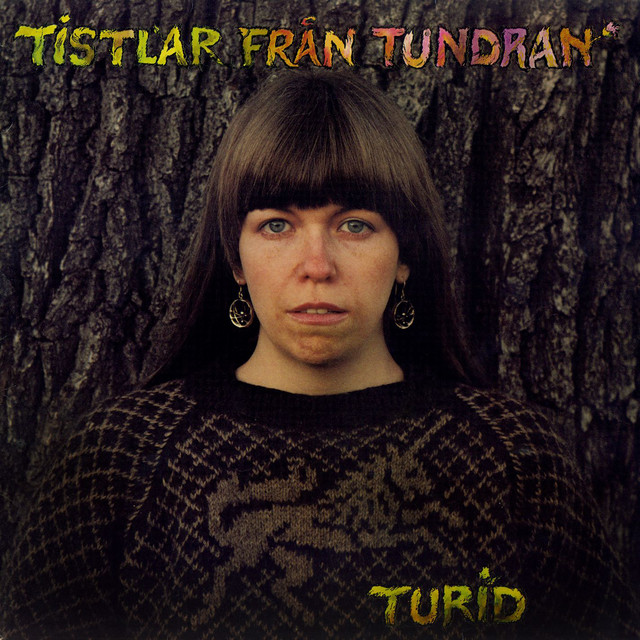
Turid
1971–1973
·
2 albums
Listen
1
/5
Genres
Chamber Folk
Chamber folk blends singer‑songwriter and traditional folk songwriting with the textures and arranging techniques of chamber music. Acoustic guitar, harp, or piano typically carry the song, while small ensembles of strings and woodwinds provide counter‑melodies, pedal drones, and delicate harmonic color. The style favors intimate vocals, close‑miked acoustic timbres, and nuanced dynamics over percussive drive. Arrangements often develop patiently, using techniques like pizzicato, harmonics, and gentle swells to underline narrative, pastoral, or reflective lyrics. The overall mood is warm, detailed, and quietly expansive.
Discover
Listen
Bisrock
Bisrock is a Cebuano-language variant of Pinoy rock that emerged from the Cebu rock scene in the Philippines. The name blends “Bisaya” (referring to the Visayan languages, especially Cebuano) and “rock,” signaling a community-forward movement to make rock that speaks in the local tongue. Although bands were already performing Cebuano-language rock in the 1980s, the label “Bisrock” was popularized in 2002 by Cebuano writer Januar E. Yap, first attached to Missing Filemon’s debut. The scene resonated particularly with youth in the Visayas and Mindanao, championing regional identity through rock idioms ranging from alternative and punk to reggae-inflected grooves. Stylistically, Bisrock pairs familiar rock instrumentation and progressions with lyrics that foreground everyday Cebuano life, humor, romance, social commentary, and local pride. Its appeal was both musical and cultural: it normalized using Cebuano as a primary rock language and briefly became a visible regional movement during the 2000s.
Discover
Listen
Contemporary Folk
Contemporary folk is a modern evolution of traditional folk aesthetics centered on intimate storytelling, clear melodies, and largely acoustic instrumentation. It favors voice-forward production, fingerpicked or gently strummed guitars, and arrangements that leave space for lyrics to resonate. While rooted in older folk ballad traditions, contemporary folk embraces current themes, production values, and song forms. Artists often blend guitar, banjo, mandolin, fiddle, upright or electric bass, light percussion, and close vocal harmonies, creating a warm, organic sound. The genre frequently addresses personal reflection, social issues, place, memory, and identity, balancing timeless simplicity with contemporary sensibilities.
Discover
Listen
Folk Rock
Folk rock is a fusion genre that blends the narrative lyricism, modal melodies, and acoustic timbres of traditional folk with the backbeat, amplification, and song structures of rock. It typically pairs acoustic or traditional instruments (acoustic guitar, mandolin, fiddle) with a rock rhythm section (electric guitar, bass, drums), often featuring chiming 12‑string guitar textures, close vocal harmonies, and socially conscious or storytelling lyrics. The result ranges from intimate, reflective ballads with a steady backbeat to more anthemic, roots‑driven rock. Emerging in the mid‑1960s through artists such as Bob Dylan and The Byrds, folk rock became a gateway for traditional and roots materials to enter mainstream popular music, and it seeded later movements from country rock and Americana to jangle pop and modern indie folk.
Discover
Listen
Progressive Folk
Progressive folk is a strand of folk music that adopts the exploratory spirit, extended forms, and harmonic richness of progressive rock and jazz while remaining rooted in traditional songcraft and acoustic timbres. It favors modal melodies, intricate fingerpicking, and unusual time signatures, often weaving together British and Celtic folk idioms with classical and jazz-informed arrangements. Compared with straight folk or folk rock, progressive folk is more ambitious in structure: suites, long-form ballads, and thematic albums are common. Lyrically it ranges from pastoral and mythical to philosophical and introspective, and it frequently experiments with instrumentation (e.g., dulcimer, sitar, harp, early music winds) and layered vocal counterpoint. The result is music that feels both ancient and modern—earthy yet expansive.
Discover
Listen
Psychedelic Folk
Psychedelic folk (often called acid folk or psych folk) blends the acoustic intimacy and modal harmony of traditional folk with the exploratory textures, surreal lyricism, and studio experimentation of psychedelic music. It typically favors acoustic guitars, hand percussion, flutes, drones (e.g., tambura or harmonium), and small acoustic instruments, while embracing effects such as reverb, delay, tape manipulation, field recordings, and unconventional song structures. Lyrics tend toward the pastoral, mystical, and dreamlike—drawing on folklore, nature, and visionary or inward-looking themes. Musically, it often uses modal melodies (Dorian, Mixolydian), drones, fingerstyle guitar in open tunings, and hypnotic ostinatos, creating a hazy, otherworldly atmosphere that sits between singer‑songwriter intimacy and psychedelic exploration.
Discover
Listen
Nordic Music
Nordic music is an umbrella term for the musical traditions and contemporary scenes of the Nordic countries (Sweden, Norway, Denmark, Finland, Iceland, and associated territories). It encompasses folk traditions, national-classical idioms, jazz, pop, rock, metal, and electronic styles that share a characteristic attention to timbre, spaciousness, and nature-inflected imagery. Across its many substyles, Nordic music often favors modal melodies, open textures, and a balance of austerity and lyricism. From joik and polska dance forms to national romantic orchestral writing, from ECM-influenced jazz atmospheres to chart-dominant Scandinavian pop, the spectrum blends deep-rooted folk practices with innovative production and global-facing songwriting.
Discover
Listen
Visa
Visa is a Swedish song tradition centered on narrative, poetry, and memorable melody. The term covers strophic songs with clear, text-forward delivery, ranging from rustic folk ballads to urbane salon pieces. Historically performed with simple accompaniment (lute, guitar, or piano), visa emphasizes storytelling, prosody, and singable refrains. It sits between folk song and art song: rooted in oral tradition and everyday life, yet often refined by skilled poet-composers. Themes span love, seafaring, nature, tavern life, and social satire, with melodic contours that are diatonic and tuneful, and meters that frequently include triple time (3/4, 6/8).
Discover
Listen
Show all 8 genres
Albums
1973
1
/5
Bilder
Turid
Visa
Nordic Music
1971
1
/5
Vittras visor
Turid
Visa
Similar artists
2
/5
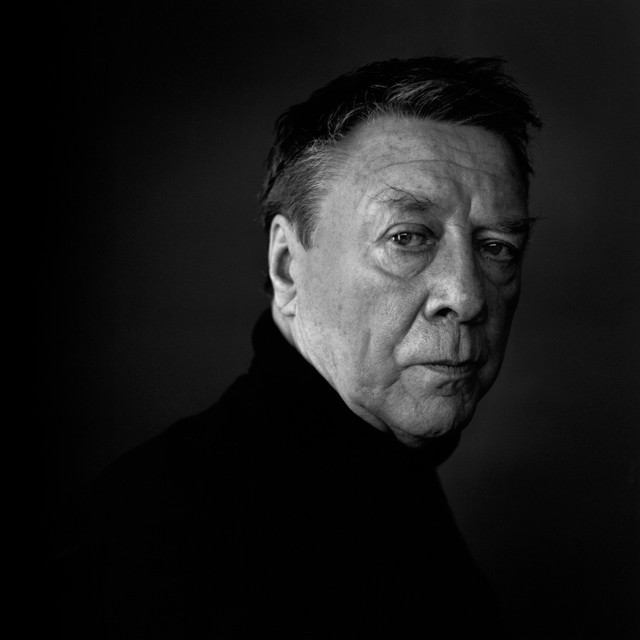
Allan Edwall
Bisrock
Visa
Country
3
/5
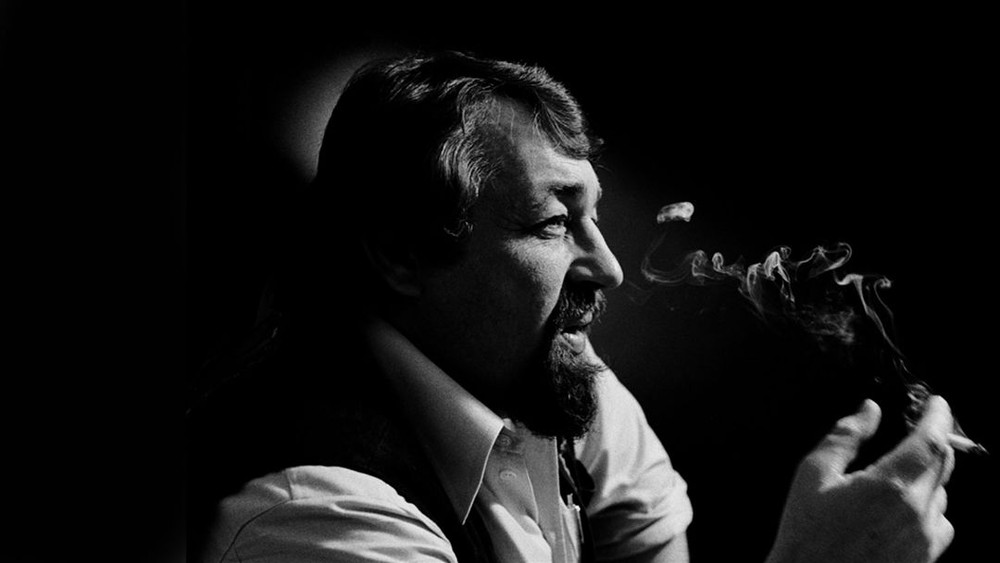
Cornelis Vreeswijk
Visa
Folk
Nordic Music
3
/5
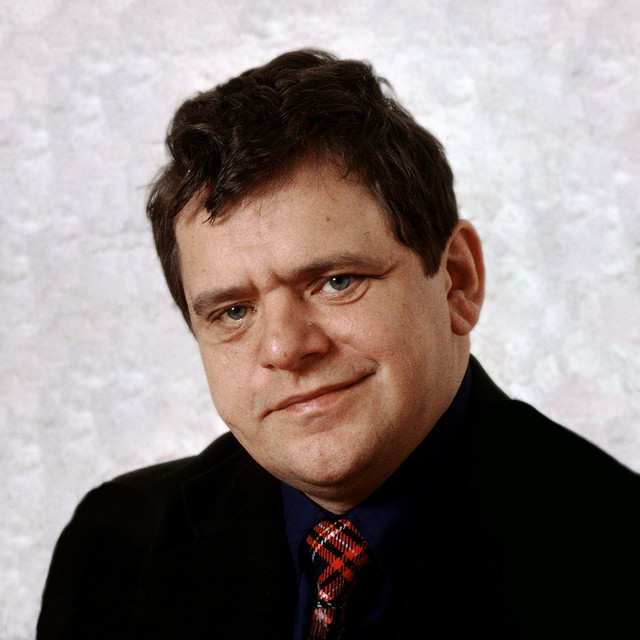
Fred Åkerström
Bisrock
Swedish Pop
Visa
1
/5
Various Artists
Afro-Funk
Alternative Rock
Ambient
4
/5
Sufjan Stevens
Singer-Songwriter
Chamber Pop
Indie Rock
4
/5
Natalia Lafourcade
Bolero
Latin Folk
Latin
4
/5
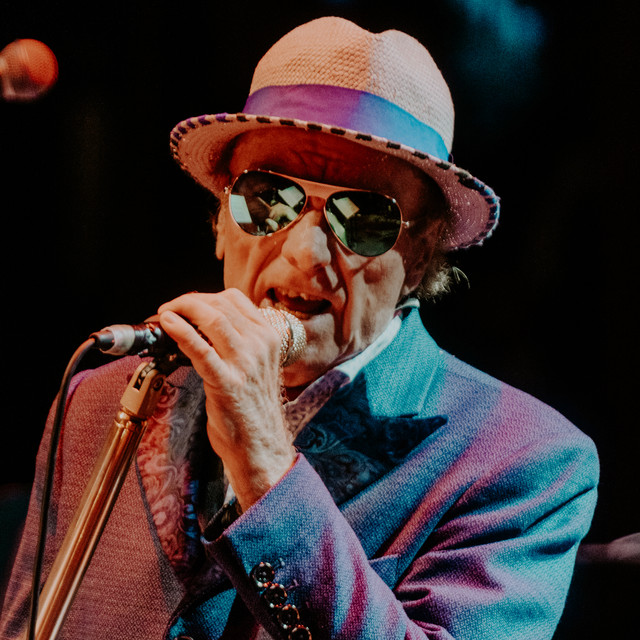
Van Morrison
Folk Rock
Folk
Rock
4
/5
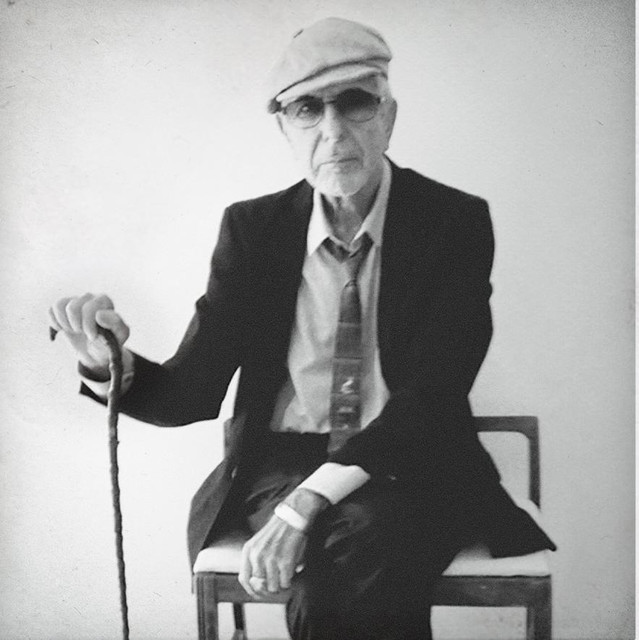
Leonard Cohen
Singer-Songwriter
Rock
Contemporary Folk
4
/5
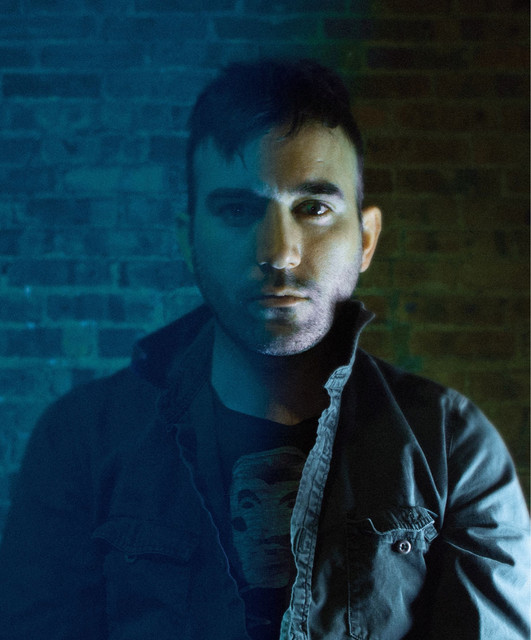
Cameron Winter
Indie Shoegaze
Windmill Scene
Chamber Folk
4
/5
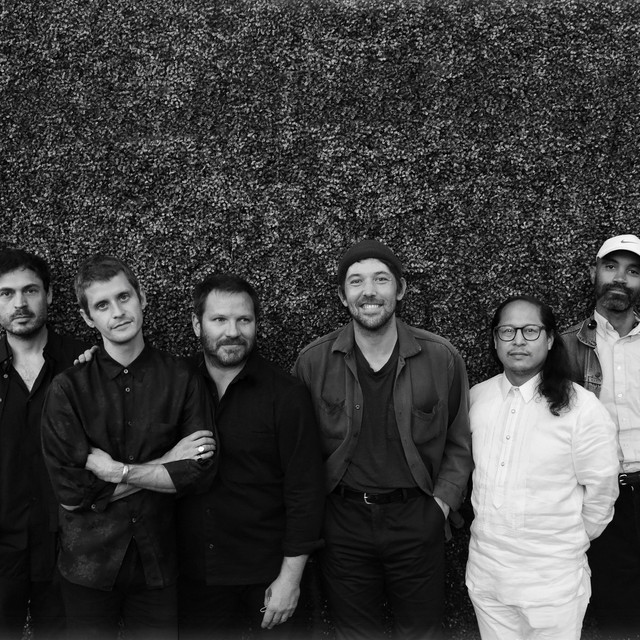
Fleet Foxes
Folk
Indie Folk
Chamber Folk
Download our mobile app
Get the Melodigging app and start digging for new genres on the go
Download on the App Store
Get it on Google Play
© 2026 Melodigging
Give feedback
Legal
Melodding was created as a tribute to
Every Noise at Once
, which inspired us to help curious minds keep digging into music's ever-evolving genres.