Genres
Artists
Albums
Make Music
Sign in
Sign in
Artists
Anime Lo-Fi
Artists
Anime Lo-Fi
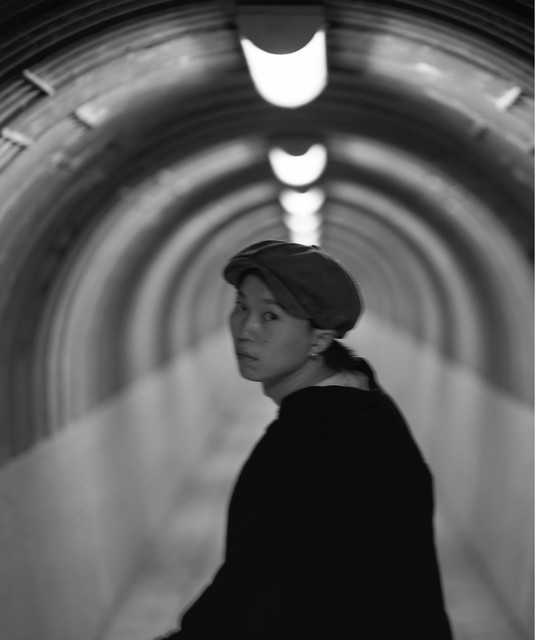
TOSHIKI HAYASHI(%C)
2024
·
1 album
Listen
3
/5
Genres
Anime Lo-Fi
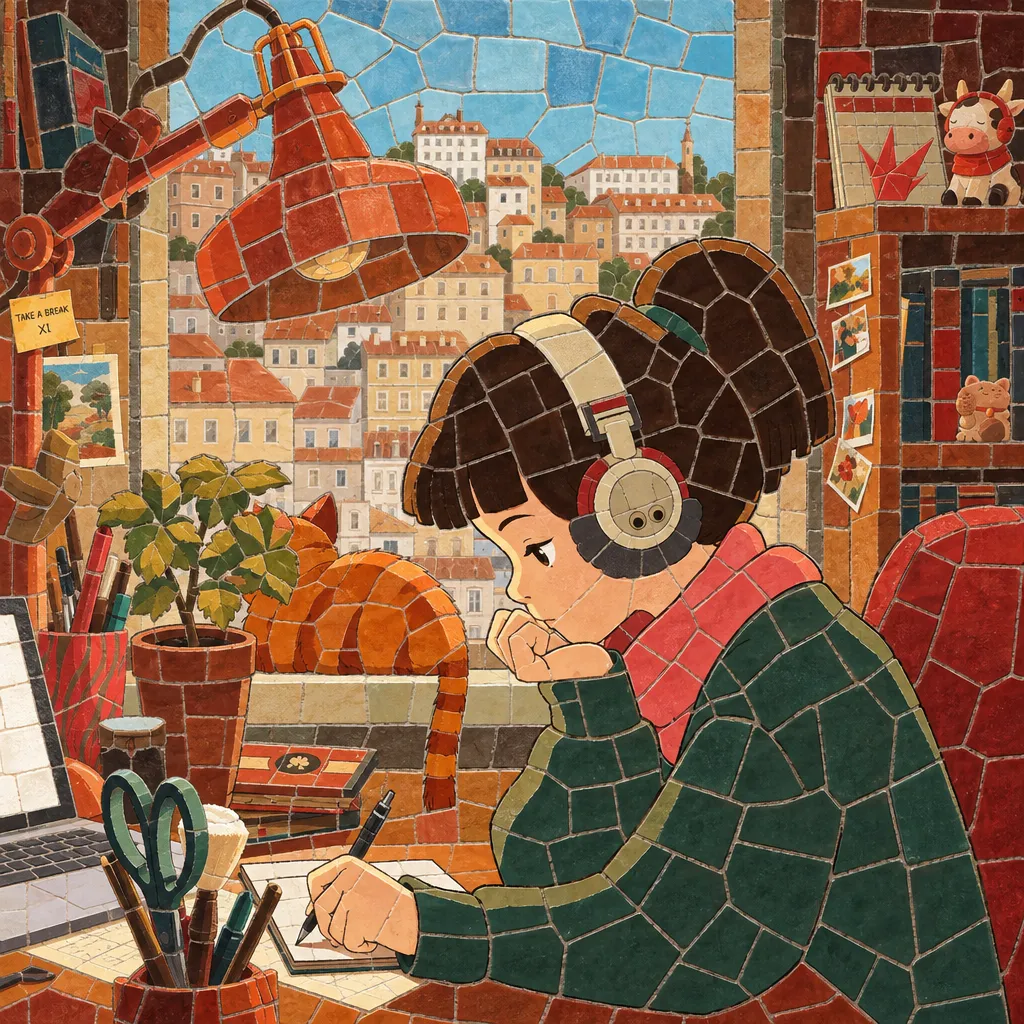
Anime lo-fi is a microstyle of lo-fi hip hop that pairs mellow, dusty boom‑bap beats with melodies and textures associated with Japanese animation. Producers often sample or emulate anime soundtracks, dialogue snippets, and sentimental J‑pop/VGM harmonies, then filter them through tape hiss, vinyl crackle, detuned keys, and softly sidechained drums. Beyond sound, the genre is inseparable from a visual culture of looping anime scenes (e.g., the iconic "study girl"), cozy late‑night ambience, and pastel palettes. The result is intimate, unobtrusive "study beats" designed for focus, calm, and gentle nostalgia—an internet-native mood music that sits between chillhop and vaporwave aesthetics.
Discover
Listen
Experimental Indie
Experimental indie is a broad, exploratory wing of independent rock and pop that prioritizes curiosity over convention. It blends DIY recording practices with off‑kilter song forms, unusual timbres, and a willingness to fold in ideas from avant‑pop, noise, electronic music, and psych. Rather than a fixed sound, it is a method and attitude: use the tools at hand (bedroom rigs, pedals, samplers, tape, software) to push past genre borders, while keeping the immediacy and intimacy of indie. Expect jagged rhythms, warped hooks, collage‑like arrangements, and production choices that foreground texture as much as melody.
Discover
Listen
Josei Rap
Josei rap is a contemporary Japanese hip‑hop micro‑scene centered on women MCs and female‑led rap units. It blends core hip‑hop technique (flow, bars, cypher culture) with J‑pop songcraft, internet‑native aesthetics, and touches of kawaii style, producing a spectrum that runs from gritty boom‑bap and trap to brightly melodic, idol‑adjacent pop‑rap. The sound often pairs 808 low‑end and crisp hi‑hats with candy‑colored synths, glockenspiels, chiptune fragments, or future‑bass pads. Lyrically it foregrounds self‑expression, agency, identity, friendship, humor, and day‑to‑day urban life, frequently using bilingual Japanese–English code‑switching. Hooks tend to be highly singable, while verses showcase agile flows that can swing from cute and playful to sharp and confrontational.
Discover
Listen
Lo-Fi Hip Hop
Lo-fi hip hop is a mellow, sample-driven offshoot of hip hop that emphasizes warm, imperfect textures, simple loops, and relaxed grooves over virtuosic rapping or dense production. Producers often foreground tape hiss, vinyl crackle, and bit-depth artifacts to evoke a cozy, worn-in feeling that complements the genre’s minimal, repetitive structures. Built from boom-bap drum programming, jazzy chord progressions, and short melodic motifs, lo-fi hip hop typically functions as instrumental background music for reading, studying, or unwinding. Its aesthetics are closely tied to internet culture—especially 24/7 livestreams and anime-inspired visuals—making it one of the most recognizable “ambient hip hop” sounds of the streaming era.
Discover
Listen
Neo-City Pop
Neo-city pop is a 2010s revival-and-update of Japanese city pop, keeping the glossy, urban “night drive” feel while integrating modern production and contemporary black-music influences. It blends Western-influenced Japanese pop songwriting aesthetics from the 1970s–1980s (bright major/minor shifts, sophisticated chord movement, polished hooks) with newer sounds such as neo soul and acid jazz (warmer harmonies, pocket-focused grooves, and jazz-informed keyboards). Typical tracks feel sleek and contemporary but intentionally nostalgic, often using retro synth colors, disco/funk rhythm guitar, and clean, high-fidelity mixes that reference the original era without fully imitating it.
Discover
Listen
Modern Indie Pop
Modern indie pop is a 2010s-forward style of pop made largely outside the traditional major-label pop pipeline, but with a strong focus on hooks, concise song forms, and modern production. It typically blends indie-rock songwriting attitudes (personal lyrics, DIY aesthetics, alternative scenes) with contemporary pop sonics such as punchy drums, bright or glassy synths, tight vocal editing, and streaming-era arrangement pacing. Compared with earlier indie pop, “modern” indie pop is usually more producer-led, more influenced by electronic and R&B-informed pop textures, and often designed to translate well to playlists and short-form content without losing an alternative identity.
Discover
Listen
Lo-Fi Emo
Lo-fi emo is a DIY offshoot of the emo tradition that blends emotionally direct songwriting with the intimate aesthetics of home recording. It favors tape- or laptop-recorded sounds, audible room noise and hiss, simple guitar figures, and hushed, conversational vocals. Musically it often draws on twinkly Midwest-emo guitar voicings or sparse acoustic strums, minimal drum programming or lightly mic’d kits, and gentle reverb or chorus for a soft, dreamy patina. Lyrics are introspective and confessional—journals set to music—highlighting vulnerability, loneliness, nostalgia, and fleeting moments of connection. The genre flourished on Bandcamp, Tumblr, and SoundCloud, where micro-labels and peer-to-peer communities enabled rapid sharing of demos, splits, and cassette runs. Its low barrier to entry and personal tone made it a recognizable aesthetic across the 2010s and into the streaming era.
Discover
Listen
J-R&b
J-R&B (Japanese R&B) is Japan’s domestic take on contemporary R&B, blending American R&B, soul, hip hop, and new jack swing aesthetics with Japanese pop songwriting and linguistic nuance. It typically features slick, groove-forward production, jazzy extended chords, and emotive vocal performances rich in melisma, ad‑libs, and layered harmonies. Lyrics often alternate between Japanese and English phrases, and themes cover romance, self-empowerment, and urban introspection. From late-1990s pioneers to 2000s chart success, J-R&B became a core pillar of the wider J‑Pop/J‑Urban movement, shaping the sound of mainstream pop, idol music, and even K‑Pop’s early development.
Discover
Listen
Japanese Beats
Japanese beats is the Japanese approach to instrumental hip hop and downtempo, blending head‑nod drum programming with jazz harmony, soulful sampling, and warm, textural production. It favors mellow, pocketed grooves; Rhodes and upright-bass timbres; and a collage aesthetic that draws on vinyl records, city pop, and anime/VGM motifs. The style is intimate and cinematic at once—equally suited to late‑night headphone listening and low‑key club sets. Hallmarks include swung drums at moderate tempos, airy chords with extended tensions, vinyl crackle and tape wear, and tasteful chops arranged into concise, loop‑forward beat tapes.
Discover
Listen
J-Rap
J-rap (Japanese rap) is Japan’s interpretation of hip hop culture and MCing, performed primarily in Japanese and shaped by local sensibilities. It blends the rhythmic delivery and beat aesthetics of American hip hop with Japanese language prosody, pop sensibility, and occasional traditional or city-pop sampling. Since the early 1990s, J-rap has spanned boom-bap, jazz-rap, pop-rap crossovers, and modern trap, while sustaining a strong DJ and club culture alongside lyrical scenes focused on social commentary and wordplay.
Discover
Listen
Show all 10 genres
Albums
2024
1
/5
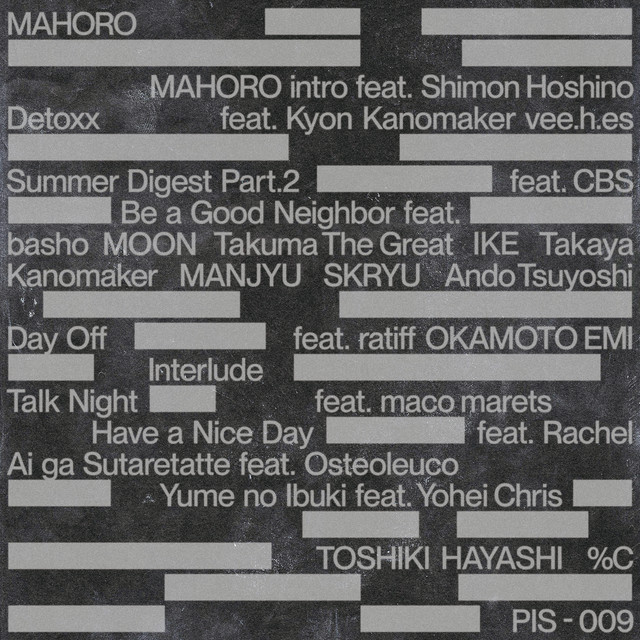
MAHORO (Instrumental)
TOSHIKI HAYASHI(%C)
Japanese Beats
Similar artists
3
/5
Daichi Yamamoto
Chill Abstract Hip Hop
J-R&b
J-Rap
3
/5
iri
City Pop
J-Rap
Japanese Indie
3
/5
BIM
J-R&b
J-Rap
Neo-City Pop
3
/5
KID FRESINO
J-Rap
J-R&b
Neo-City Pop
3
/5
Mamiko Suzuki
J-R&b
J-Rap
Japanese Indie
3
/5
Sweet William
Tape Club
J-R&b
J-Rap
3
/5
kojikoji
J-R&b
J-Rap
Japanese Indie
3
/5
EVISBEATS
J-R&b
J-Rap
Neo-City Pop
3
/5
SUKISHA
City Pop
J-R&b
J-Rap
3
/5
Skaai
J-R&b
J-Rap
Neo-City Pop
Download our mobile app
Get the Melodigging app and start digging for new genres on the go
Download on the App Store
Get it on Google Play
© 2026 Melodigging
Give feedback
Legal
Melodding was created as a tribute to
Every Noise at Once
, which inspired us to help curious minds keep digging into music's ever-evolving genres.