Genres
Artists
Albums
Make Music
Sign in
Sign in
Artists
Gothic Metal
Artists
Gothic Metal
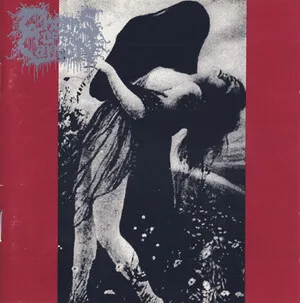
Thorns Of The Carrion
1997
·
1 album
Listen
1
/5
Genres
Gothic Metal
Gothic metal is a fusion of the heaviness and slow, atmospheric pull of doom metal with the dark romanticism and melodrama of gothic rock. It emphasizes minor-key harmony, thick guitar textures, and prominent keyboards or orchestral pads to create a brooding, cinematic mood. Vocals range from deep baritone croons and clean female sopranos to harsh growls—sometimes used together in the "beauty-and-the-beast" style. Lyrical themes often explore love and loss, mortality, melancholy, myth, and the supernatural, presented with a sense of theatricality. While centered in metal, the style borrows from dark wave’s somber synths and gothic rock’s atmosphere, leading to variations that lean toward doom, symphonic, or even alternative-leaning approaches.
Discover
Listen
Drone Metal
Drone metal (often called drone doom) is an extreme, minimalist offshoot of doom metal that centers on sustained tones, monumental volume, and glacial tempos. Rather than relying on riffs or conventional grooves, it foregrounds long, vibrating chords, amplifier feedback, and the physical presence of sound itself. Its textures are typically cavernous and monochromatic, with guitars tuned very low, notes held for extended durations, and percussion either sparse or entirely absent. Vocals—if present—range from ritualistic chants to guttural growls or distant murmurs, often treated as another layer of texture rather than a narrative lead. The result is immersive and meditative, yet crushing: a music of weight, space, and resonance that emphasizes timbre and decay over melody and rhythm.
Discover
Listen
Stoner Metal
Stoner metal is a heavy, riff-centered offshoot of doom metal that fuses the low-and-slow weight of early Sabbath with the hazy psychedelia and fuzz-drenched tones of 1970s hard rock. It emphasizes down-tuned guitars, thick midrange, and hypnotic, groove-forward drumming, often evoking a desert-heat mirage of sustained riffs and feedback. Compared to stoner rock, stoner metal leans darker and heavier, with a doomier pulse, longer song structures, and an almost trance-like fixation on repetition. Lyrics frequently explore cosmic wanderlust, occult imagery, apocalyptic visions, and cannabis counterculture, while production tends to favor warm, analog saturation and room-heavy drum sounds.
Discover
Listen
Sludge Metal
Sludge metal is a hybrid of doom metal’s slow, downtuned weight and hardcore punk’s raw aggression. It emphasizes thick, overdriven guitar tones, throttling bass, and drums that lurch between trudging slow-motion grooves and ragged mid‑tempo blasts. Vocals are typically screamed, barked, or anguished, often buried slightly in the mix to feel abrasive and cathartic. The style took shape in the late 1980s United States—particularly the Pacific Northwest and the American South—where bands fused Sabbath‑like doom riffs with the DIY harshness of hardcore and the scabrous textures of noise rock. Lyrical themes commonly explore addiction, despair, social decay, and Southern Gothic imagery, delivered with an intentionally gritty, unvarnished production aesthetic.
Discover
Listen
Death Metal
Death metal is an extreme subgenre of heavy metal defined by heavily distorted, low‑tuned guitars, rapid and complex riffing, blast beat drumming, and harsh guttural vocals. Its harmonic language favors chromaticism, dissonance, and tremolo-picked lines that create an ominous, abrasive atmosphere. Lyrically, death metal often explores dark or transgressive themes—mortality, mythology, anti-religion, psychological horror, and the macabre—sometimes with philosophical or social commentary. Production ranges from raw and cavernous to hyper-precise and technical, reflecting the genre’s many regional scenes and substyles. From the mid‑1980s Florida scene (Tampa) and parallel developments in the US, UK, and Sweden, death metal evolved into numerous branches including brutal death metal, technical death metal, melodic death metal, and death‑doom, each emphasizing different aspects of speed, complexity, melody, or heaviness.
Discover
Listen
Death-Doom Metal
Death-doom metal is a fusion of death metal’s extremity and doom metal’s slow, crushing weight. It pairs down-tuned, monolithic riffs and oppressive tempos with death metal features such as guttural growls, occasional double-kick bursts, and abrasive distortion. The mood is bleak and melancholic, often enhanced by minor-key harmonies, sustained chords, and sparse melodic figures. Some bands add keyboards, violin, or clean guitar interludes to deepen the sense of tragedy and atmosphere. Lyrically, it focuses on grief, mortality, desolation, and existential dread. Arrangements tend to be long-form and dynamic: glacial passages anchor the music while strategically placed surges of death-metal intensity create cathartic contrast.
Discover
Listen
Doom Metal
Doom metal is a heavy metal subgenre defined by slow to mid-tempo grooves, down-tuned, highly distorted guitars, and an atmosphere of dread, melancholy, and weight. It emphasizes ominous, minor-key riffs and sustained tones over speed or virtuosity, creating a crushing sense of space and inevitability. Vocals range from plaintive and theatrical (epic/traditional doom) to anguished wails or harsh growls (death-doom), and lyrics often explore themes of suffering, mortality, the occult, apocalyptic visions, and existential despair. Song structures are typically riff-centric and long-form, with repetition and gradual dynamic shifts producing a hypnotic, ritualistic feel.
Discover
Listen
Rock
Rock is a broad family of popular music centered on amplified instruments, a strong backbeat, and song forms that foreground riffs, choruses, and anthemic hooks. Emerging from mid‑20th‑century American styles like rhythm & blues, country, and gospel-inflected rock and roll, rock quickly expanded in scope—absorbing folk, blues, and psychedelic ideas—while shaping global youth culture. Core sonic markers include electric guitar (often overdriven), electric bass, drum kit emphasizing beats 2 and 4, and emotive lead vocals. Rock songs commonly use verse–chorus structures, blues-derived harmony, and memorable melodic motifs, ranging from intimate ballads to high‑energy, stadium‑sized performances.
Discover
Listen
Show all 8 genres
Albums
1997
1
/5
The Scarlet Tapestry
Thorns of the Carrion
Death-Doom Metal
Gothic Metal
Death Metal
Similar artists
2
/5
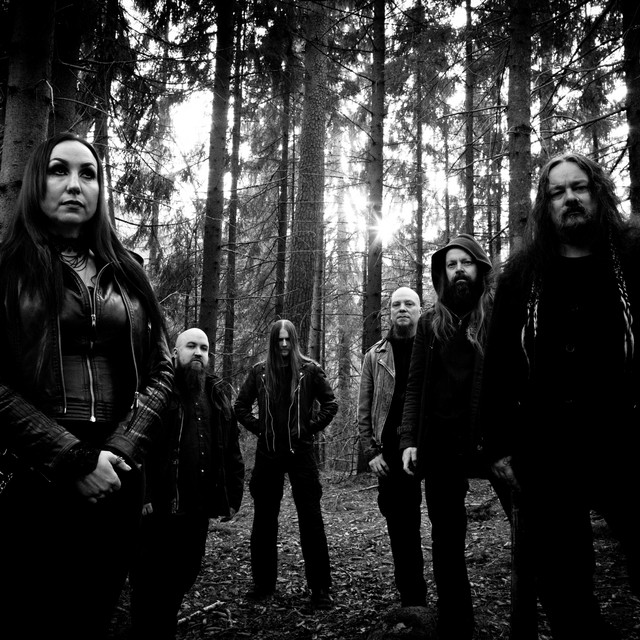
Shape Of Despair
Funeral Doom
Doom Metal
Funeral Doom Metal
3
/5
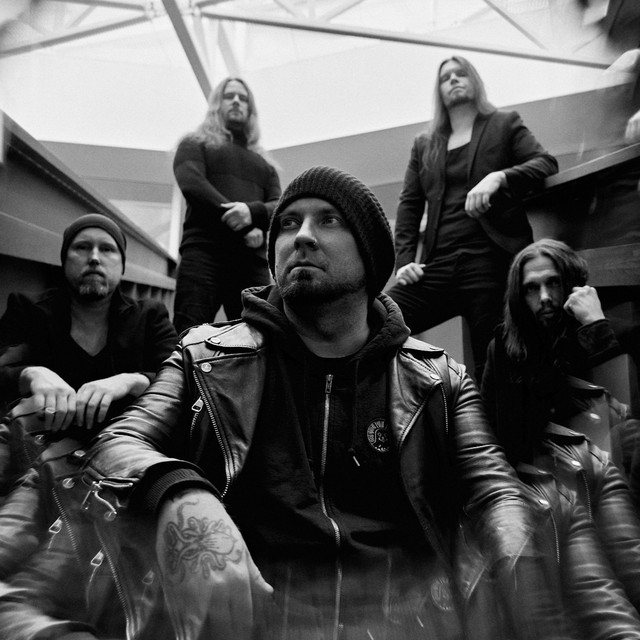
Swallow The Sun
Doom Metal
Drone Metal
Sludge Metal
3
/5
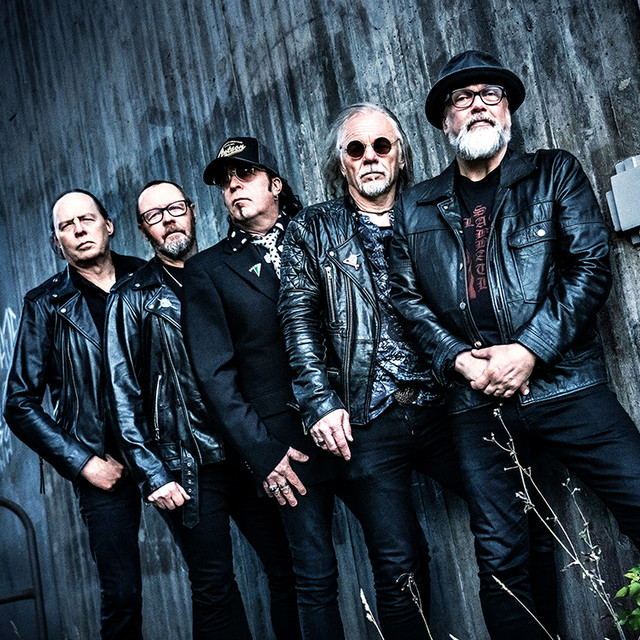
Candlemass
Doom Metal
Epic Doom Metal
Metal
2
/5
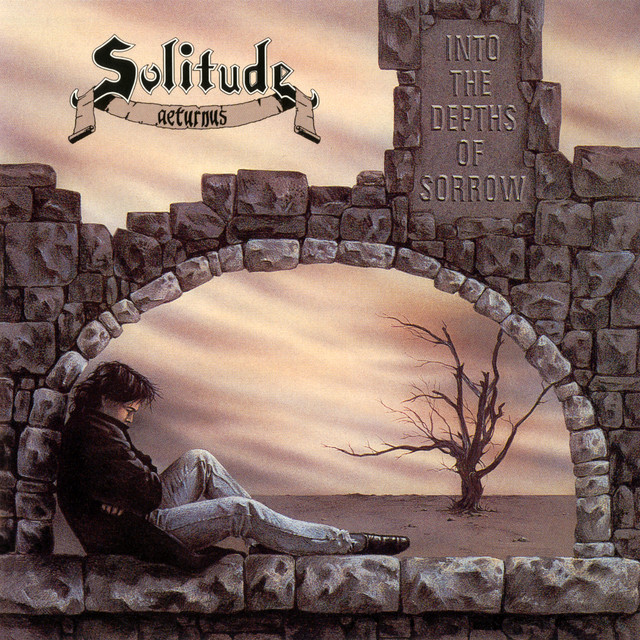
Solitude Aeturnus
Doom Metal
Epic Doom Metal
Traditional Doom Metal
2
/5
October Tide
Doom Metal
Death Metal
Drone Metal
2
/5
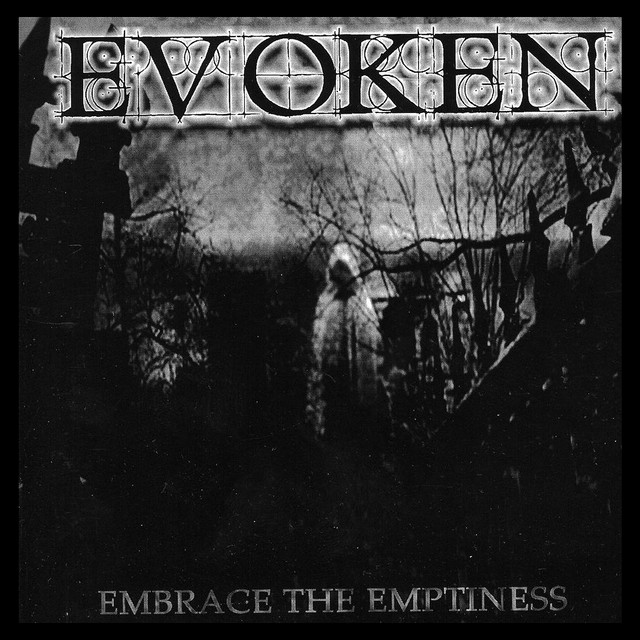
Evoken
Doom Metal
Funeral Doom
Funeral Doom Metal
2
/5
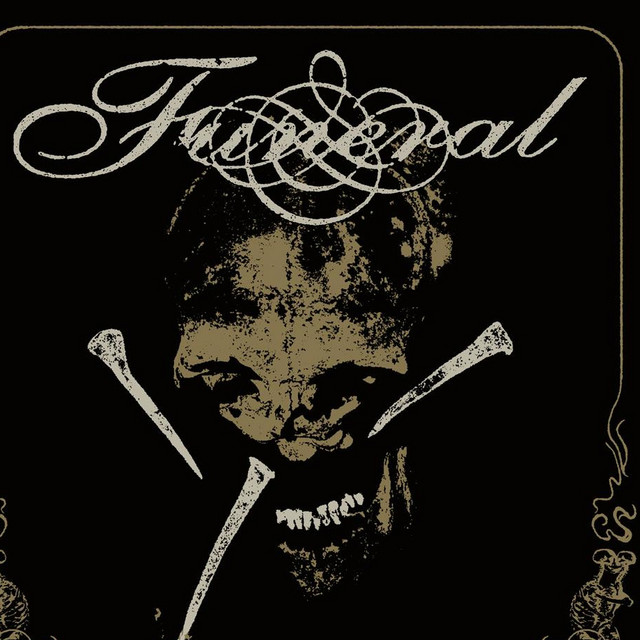
Funeral
Doom Metal
Drone Metal
Gaian Doom
1
/5
Skepticism
Doom Metal
Funeral Doom Metal
Death Metal
1
/5
Isole
Doom Metal
Epic Doom Metal
Drone Metal
1
/5
Helllight
Doom Metal
Drone Metal
Gothic Metal
Download our mobile app
Get the Melodigging app and start digging for new genres on the go
Download on the App Store
Get it on Google Play
© 2026 Melodigging
Give feedback
Legal
Melodding was created as a tribute to
Every Noise at Once
, which inspired us to help curious minds keep digging into music's ever-evolving genres.