Genres
Artists
Albums
Make Music
Sign in
Sign in
Artists
Industrial Hardcore
Artists
Industrial Hardcore
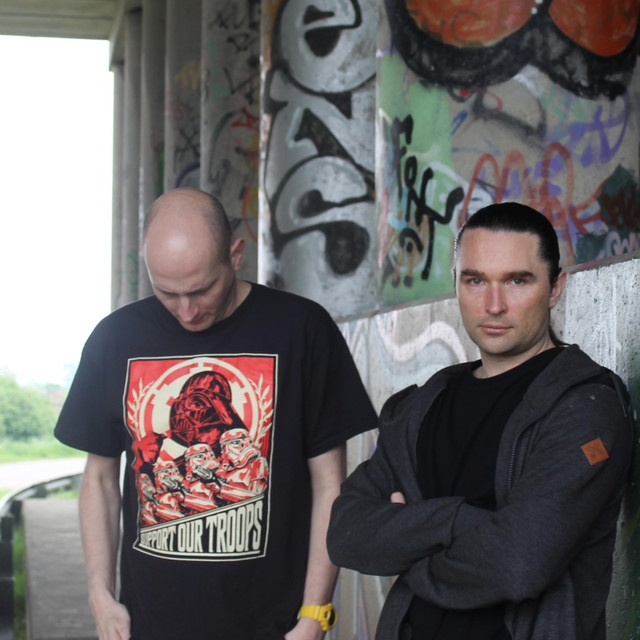
The Outside Agency
2012–2021
·
3 albums
Listen
2
/5
Genres
Edm
EDM (Electronic Dance Music) refers to the mainstream, festival-oriented wave of electronic dance styles that rose to global prominence in the early 2010s. It emphasizes high-energy drops, ear-catching toplines, and crowd-pleasing arrangements designed for large stages and mass audiences. Musically, EDM typically sits around 124–130 BPM with a strong four-on-the-floor kick, wide supersaw leads, bright plucks, and heavily sidechained pads and basses for a pumping feel. Tracks are structured around tension-and-release: intros and builds lead to explosive drops, followed by breakdowns that rebuild energy. Vocals and pop-style songwriting frequently appear, enabling crossover success on radio and streaming platforms.
Discover
Listen
Neurostep
Neurostep is a hybrid subgenre that merges the sound‑design intensity of neurofunk drum & bass with the halftime groove and weight of dubstep. Typically sitting around 140 BPM (sometimes 150), it emphasizes intricate, constantly morphing bass timbres, razor‑edged transients, and tightly engineered drops. Compared to classic dubstep, neurostep is less about sparse wobble basses and more about complex, resampled, FM/phase‑modulated bass layers that evolve bar by bar. The drums are punchy and surgical—kicks carve through dense low‑end, snares land hard on the third beat, and ghosted percussion and glitch fills keep momentum between phrases. Its overall aesthetic is dark, technical, and cinematic: dystopian atmospheres, granular textures, and call‑and‑response bass motifs are common, while breakdowns often showcase sound‑design detail and tension before a precision‑engineered drop.
Discover
Listen
Uptempo Hardcore
Uptempo hardcore is a high‑velocity branch of hardcore techno built around extremely distorted, hard‑hitting kickdrums and rough, lo‑fi sound design. Tracks typically sit around 185–220 BPM, pushing energy and impact above complexity. The style borrows sound‑design tricks and aggression from gabber, terrorcore, speedcore, and modern Rawstyle/Hardstyle, favoring clipped, overdriven kicks, screaming leads, chopped vocal shouts, and minimal harmony. It thrives in Dutch and Belgian festival culture, where tightly mixed, relentless drops and crowd‑control edits are central to the performance.
Discover
Listen
Dubstep
Dubstep is a bass‑centric electronic dance music genre that emerged in South London in the early 2000s. It is typically around 140 BPM and is defined by a half‑time rhythmic feel, sub‑heavy basslines, sparse yet impactful drums, and a strong emphasis on space, tension, and sound system weight. Hallmark traits include syncopated kick patterns, snares on the third beat of the bar, swung/shuffly hi‑hats inherited from UK garage, and modulated low‑frequency bass (“wobbles”) shaped with LFOs, filters, and distortion. Influences from dub reggae (echo, delay, and minimalism), jungle/drum & bass (bass science and sound system culture), and 2‑step garage (rhythmic swing and shuffles) are central. The style ranges from deep, meditative “dub” aesthetics (often called deep dubstep) to more aggressive, midrange‑driven variants that later informed brostep and festival bass. Atmosphere, negative space, and subwoofer translation are as important as melody or harmony.
Discover
Listen
Industrial Hardcore
Industrial hardcore is a harsher, more mechanical branch of hardcore techno that fuses the relentless tempo and distorted kick drums of gabber with the textures, noise treatments, and dystopian atmospheres of industrial and EBM. Characterized by overdriven 909-style kicks, metallic percussion, clangorous samples, and aggressive sound design, it favors bleak timbres, dissonance, and machine-like grooves over melodic content. Compared with mainstream hardcore, it is slower to mid-fast or equally fast but darker and grittier; compared with industrial techno, it is more distorted, percussively dense, and structurally oriented toward harder drops and rave energy.
Discover
Listen
Frenchcore
Frenchcore is a high‑tempo subgenre of hardcore techno characterized by heavily distorted, punchy kick drums, straight 4/4 rhythms, and anthemic, often euphoric melodies. Its typical tempo ranges from about 180 to 210 BPM, with modern tracks frequently around 190–200 BPM. The signature sound is a hard, saturated kick with a short, clipped tail that drives the groove, accompanied by aggressive leads, rave stabs, and energetic risers. While rooted in the roughness of gabber and industrial hardcore, frenchcore often adds a melodic, even uplifting edge—sometimes drawing on classical motifs or emotional chord progressions—making it well suited for peak‑time festival moments as well as free‑party systems.
Discover
Listen
Gabber
Gabber is a Dutch-born branch of hardcore techno characterized by extremely fast tempos, relentless 4/4 kicks, and an aggressive, distorted sound palette. It typically runs between 160–190+ BPM, features heavily overdriven 909-style kick drums that also serve as the bass, terse minor-key synth stabs (including classic "hoover" timbres), and short, shouted vocal samples or MC hype. Culturally, gabber is tied to early-’90s Rotterdam club culture, Thunderdome compilations and events, bomber jackets and trainers, and the high-energy hakken dance. The aesthetic is raw, industrial, and maximal, prioritizing impact, speed, and dancefloor intensity over harmonic complexity.
Discover
Listen
Hardcore
Hardcore (often called hardcore techno in its early form) is a fast, aggressive branch of electronic dance music characterized by heavily distorted, punchy 4/4 kick drums, tempos ranging from roughly 160 to well over 200 BPM, and a dark, high‑energy aesthetic. It emphasizes percussive drive over complex harmony, using clipped and saturated kick-bass sound design, sharp hi-hats, claps on the backbeat, and harsh synth stabs or screeches. Vocals, when present, are typically shouted hooks, sampled movie lines, or crowd chants processed with distortion and effects. Originating in the Netherlands in the early 1990s, the style quickly splintered into related scenes and subgenres such as gabber, happy hardcore, Frenchcore, terrorcore, speedcore, and later hardstyle. Its culture is closely associated with large-scale raves, specialized labels, and distinctive visual branding.
Discover
Listen
Hardcore Techno
Hardcore techno is a high‑tempo, aggressively produced branch of techno characterized by distorted, punchy four‑on‑the‑floor kicks, abrasive sound design, and relentless rhythmic drive. Typical tempos range from about 160 to 190 BPM (and can go even faster in some scenes), creating an intense, physically demanding dance experience. The style emphasizes saturated 909‑style kick drums with clipped/transient "click" and long distorted tails, industrial textures, harsh stabs (including classic "hoover" tones), alarming FX, and short shouted or sampled vocals. Harmony is sparse and often minor, with dissonant intervals or horror/industrial atmospheres. The overall aesthetic is raw, dark, and functional for large rave systems, designed to evoke catharsis and high energy on the dancefloor.
Discover
Listen
Speedcore
Speedcore is an extreme form of hardcore techno distinguished by exceedingly fast tempos—commonly 300 BPM and above—and an abrasive, aggressive sound palette. It emphasizes pounding, distorted kick drums (often from overdriven 909s), clipped transients, harsh noise textures, and confrontational sampling. Emerging in the early to mid‑1990s from European hardcore and gabber scenes, speedcore pushes rhythm and intensity beyond conventional dance‑floor boundaries. Tracks frequently feature relentless four‑on‑the‑floor kicks at double or quadruple time, interspersed with breakneck fills, industrial feedback, and horror or shock‑oriented samples. The style’s extremity spawned even faster micro‑styles such as splittercore and extratone.
Discover
Listen
Nu Style Gabber
Nu style gabber (often written as "newstyle gabber") is a late-1990s evolution of Dutch gabber/mainstream hardcore that slowed the frantic 180–200 BPM pace to roughly 150–165 BPM. The extra space in the groove foregrounds a heavy, overdriven kick with a long, compressed tail, sharp off‑beat hi‑hats, and simple, memorable minor‑key riffs. Producers frequently incorporate chopped vocal stabs, MC shouts, and film or news samples to build tension and atmosphere. Sonically it sits between classic 90s gabber and the first wave of hardstyle: it keeps the aggression and distortion of hardcore while adopting a more rolling, dance‑floor‑friendly swing and clearer breakdown/build‑up structures. This “bridge” character is why nu style gabber is widely cited as a direct precursor to early hardstyle, jumpstyle, and later nu‑style hardstyle.
Discover
Listen
Industrial
Industrial is an experimental electronic music tradition that uses abrasive timbres, mechanical rhythms, and transgressive aesthetics. Its sound palette often includes distorted drum machines, tape loops, metallic percussion, feedback, and found-object recordings alongside synthesizers and samplers. Emerging from late-1970s UK underground art and performance scenes, industrial foregrounds themes of dehumanization, technology, surveillance, and power. Releases frequently embrace anti-commercial presentation, stark graphic design, and confrontational performance art, treating the studio as a laboratory for sonic manipulation rather than a vehicle for conventional songcraft. While early industrial emphasized noise, tape processing, and avant-garde collage, later waves fused the style with dancefloor precision (EBM), rock and metal heft, and club-oriented production, giving rise to a broad post-industrial family that remains influential in experimental, electronic, and popular music.
Discover
Listen
Electronic
Electronic is a broad umbrella genre defined by the primary use of electronically generated or electronically processed sound. It encompasses music made with synthesizers, drum machines, samplers, computers, and studio/tape techniques, as well as electroacoustic manipulation of recorded or synthetic sources. The genre ranges from academic and experimental traditions to popular and dance-oriented forms. While its sonic palette is rooted in electricity and circuitry, its aesthetics span minimal and textural explorations, structured song forms, and beat-driven club permutations. Electronic emphasizes sound design, timbre, and studio-as-instrument practices as much as melody and harmony.
Discover
Listen
Show all 13 genres
Albums
2021
1
/5
Operation Mindflash EP
The Outside Agency
Industrial Hardcore
Electronic
2021
1
/5
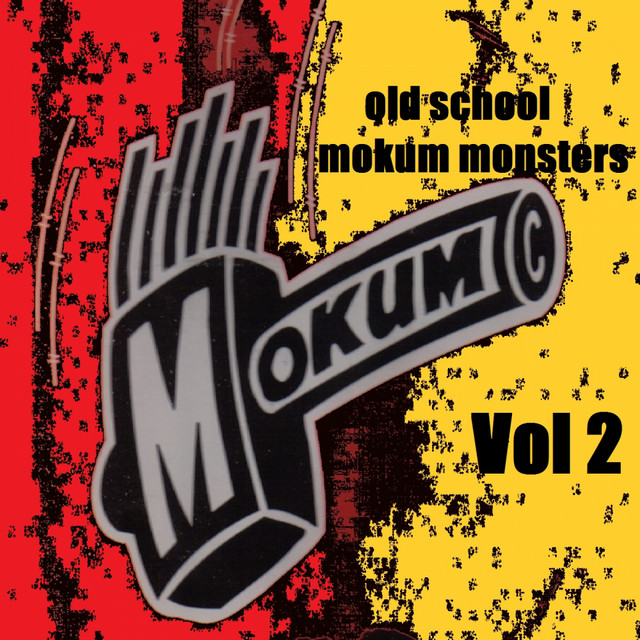
Old School Mokum Monsters Vol 2
The Outside Agency
Industrial Hardcore
2012
1
/5
The Dogs Are Listening
The Outside Agency
Nu Style Gabber
Industrial Hardcore
Dubstep
Similar artists
1
/5
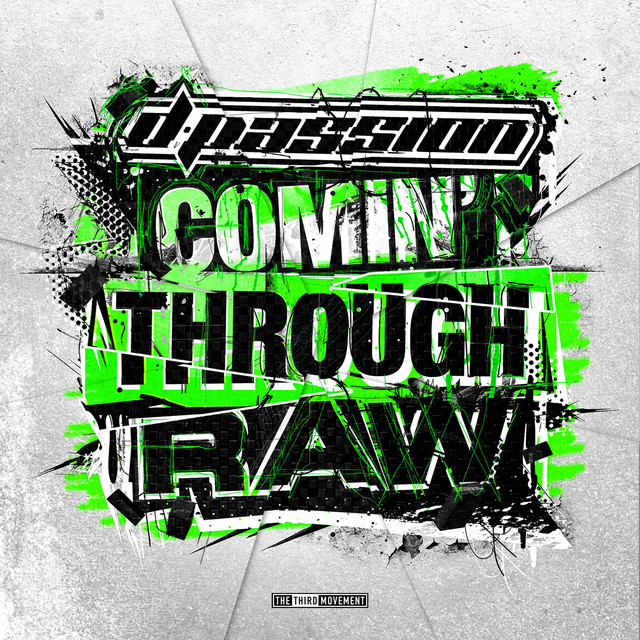
D-Passion
Gabber
Industrial
Industrial Hardcore
1
/5
Dolphin
Industrial
Breakcore
Crossbreed
2
/5
Hellfish
Hardcore
Industrial
Deathchant Hardcore
2
/5
Ophidian
Gabber
Darkcore Edm
Darkcore
1
/5
The DJ Producer
Hardcore
Deathchant Hardcore
Breakcore
1
/5
Deathmachine
Breakcore
Crossbreed
Frenchcore
2
/5
I:gor
Industrial Hardcore
Frenchcore
Gabber
1
/5
Various Artists
Afro-Funk
Alternative Rock
Ambient
1
/5
Bryan Fury
Doomcore
Industrial Hardcore
Breakcore
3
/5
Angerfist
Gabber
Uptempo Hardcore
Speedcore
Download our mobile app
Get the Melodigging app and start digging for new genres on the go
Download on the App Store
Get it on Google Play
© 2026 Melodigging
Give feedback
Legal
Melodding was created as a tribute to
Every Noise at Once
, which inspired us to help curious minds keep digging into music's ever-evolving genres.