Genres
Artists
Albums
Make Music
Sign in
Sign in
Artists
Pop Punk
Artists
Pop Punk
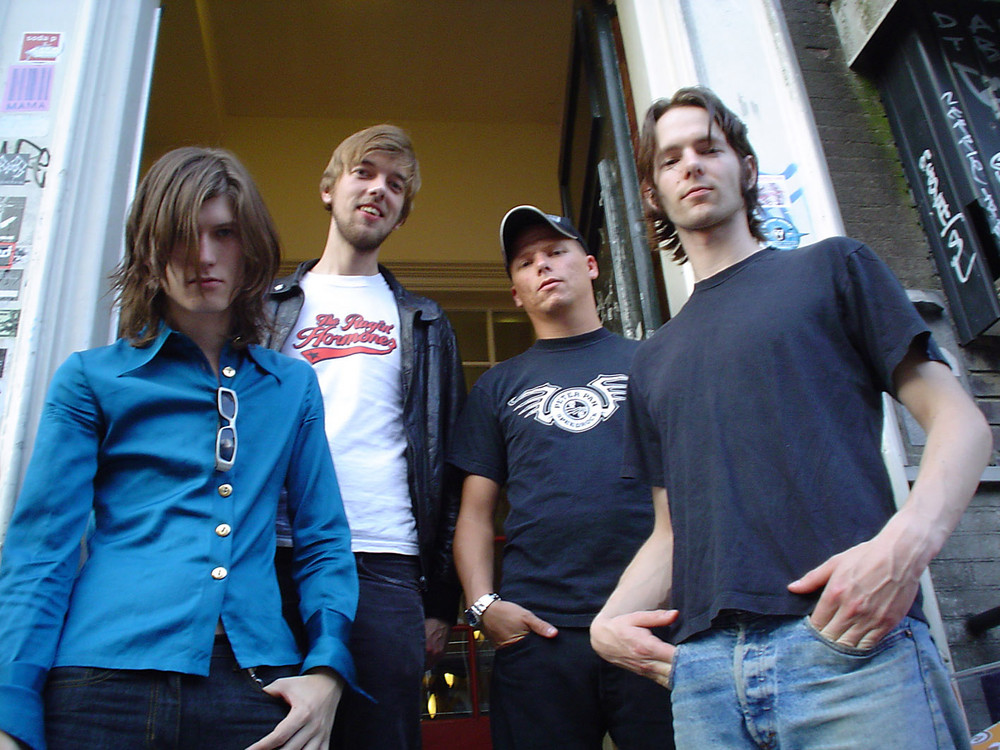
The Mopes
Listen
1
/5
Genres
Queercore
Queercore is a punk-derived music and cultural movement that centers LGBTQ+ experiences, politics, and pleasure. Emerging in the mid-1980s as a reaction against both homophobia in punk scenes and assimilationist tendencies in mainstream gay culture, it embraces a DIY ethos across music, zines, film, and community organizing. Musically, queercore spans from blistering hardcore punk and noisy art-punk to hooky pop‑punk and left‑field indie, with distorted guitars, driving bass, and often shouted or chant-like vocals. Lyrics are frank, confrontational, and frequently witty—tackling sexuality, gender variance, queer desire, anti-fascism, and everyday survival—with a mix of anger, humor, and camp. Beyond sound, queercore is a scene-building practice: small labels, hand-made zines, all-ages shows, and mutual-aid minded organizing that prioritize safe(r) spaces, consent culture, and queer joy.
Discover
Listen
Skate Punk
Skate punk is a fast, energetic subgenre of punk closely tied to 1980s Southern California skate culture. It favors rapid tempos, tight downstroked power-chord guitars, punchy bass played with a pick, and driving, skank- or d‑beat‑adjacent drum patterns. Vocals range from nasal, melodic leads to gang shouts, with big, shout-along choruses. Lyrically, skate punk mixes anti-authoritarian commentary with personal and youthful themes—friendship, boredom, suburban malaise, and of course skateboarding. Melodic sophistication distinguishes it from rawer hardcore, while its speed and intensity keep it edgier than most pop punk. Labels like Epitaph and Fat Wreck Chords helped define the sound’s crisp, high-BPM assault with tight harmonies and hook-laden riffs.
Discover
Listen
Pop Punk
Pop punk blends the speed and attitude of punk rock with the melody, hooks, and songcraft of pop. It features bright, concise songs driven by crunchy power-chord guitars, punchy drums, and catchy vocal lines that often favor gang shouts and harmonies. Lyrically, pop punk tends to focus on adolescence, relationships, boredom, suburbia, and self-deprecating humor, delivered with a mix of earnestness and wit. Production ranges from raw and DIY to radio-ready polish, but the core is always immediacy: big choruses, tight structures, and energetic performances.
Discover
Listen
Power Pop
Power pop is a guitar-driven style that distills the melodic immediacy of 1960s British Invasion pop into concise, high-energy rock songs. It emphasizes big hooks, ringing guitars (often Rickenbacker-style jangle), tight vocal harmonies, and punchy, economical arrangements that typically run around three minutes. Lyrically, it leans toward youthful longing, romance, and bittersweet nostalgia, delivered with bright major-key progressions, chiming arpeggios, and sing-along choruses. Though Pete Townshend used the term in the late 1960s, the genre cohered in the early 1970s with bands like Badfinger, Big Star, and the Raspberries, and it has resurfaced repeatedly in waves through new wave, indie, and modern pop-punk contexts.
Discover
Listen
Similar artists
2
/5
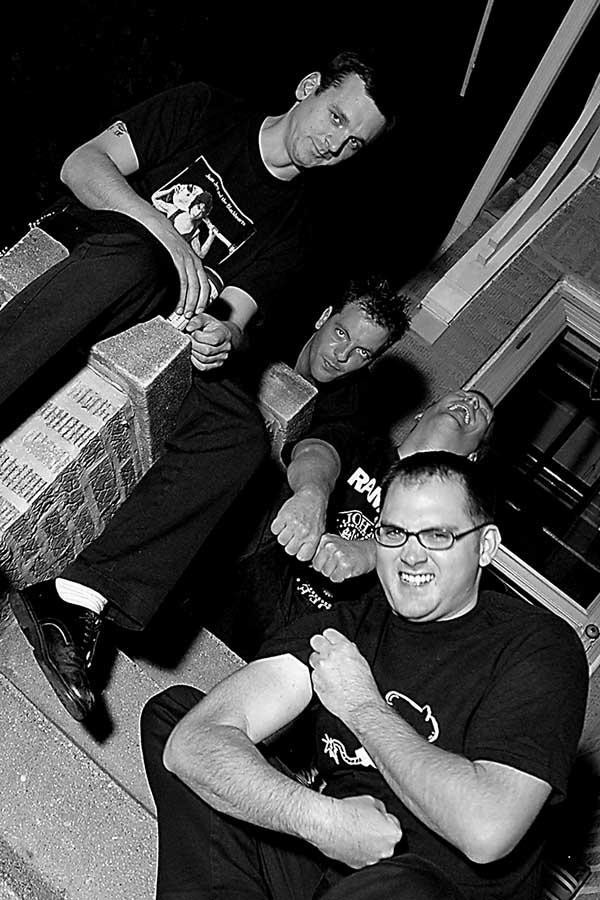
The Manges
Bubblegum Pop
Pop Punk
Power Pop
1
/5
The Methadones
Pop Punk
Power Pop
Punk
1
/5
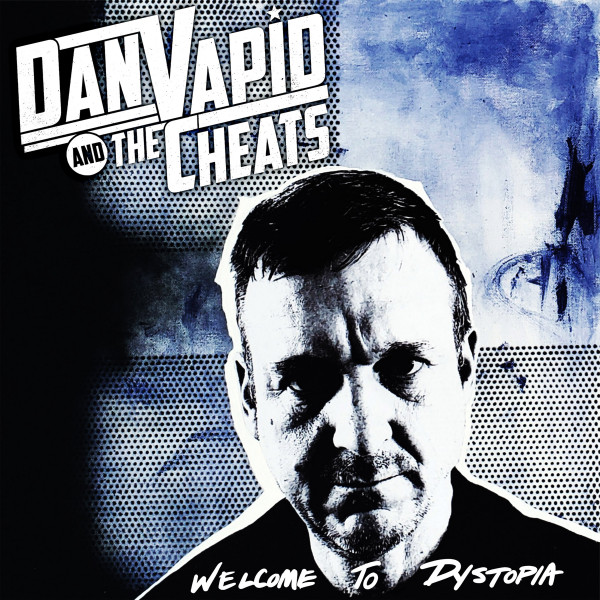
Dan Vapid & the Cheats
Bubblegum Pop
Horror Punk
Pop Punk
3
/5
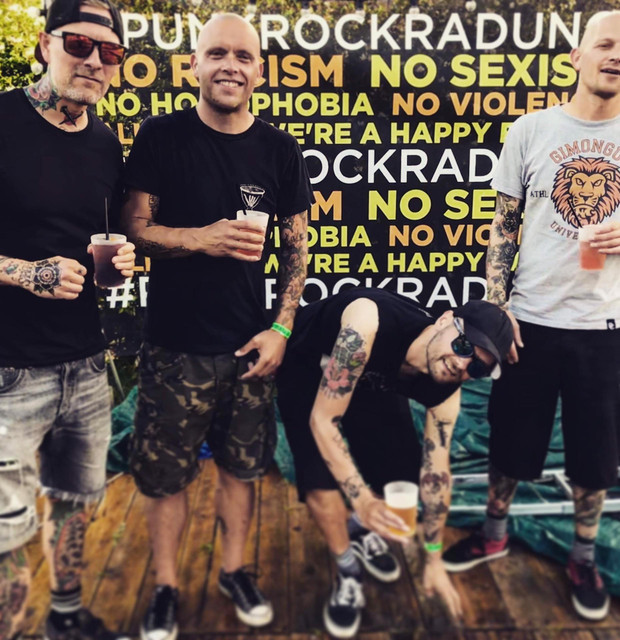
The Queers
Pop Punk
Punk
Queercore
2
/5
The 20 Belows
Horror Punk
Melodic Hardcore
Pop Punk
1
/5
The Apers
Bubblegum Pop
Hyphy
Pop Punk
1
/5
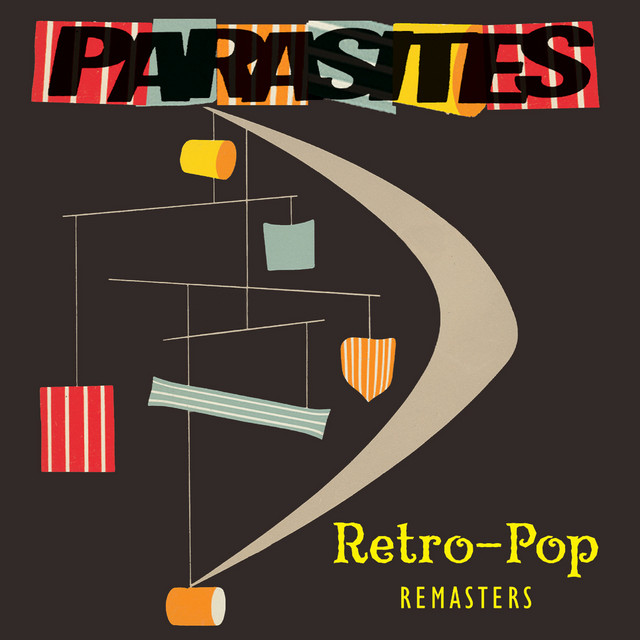
Parasites
Melodic Hardcore
Pop Punk
Power Pop
1
/5
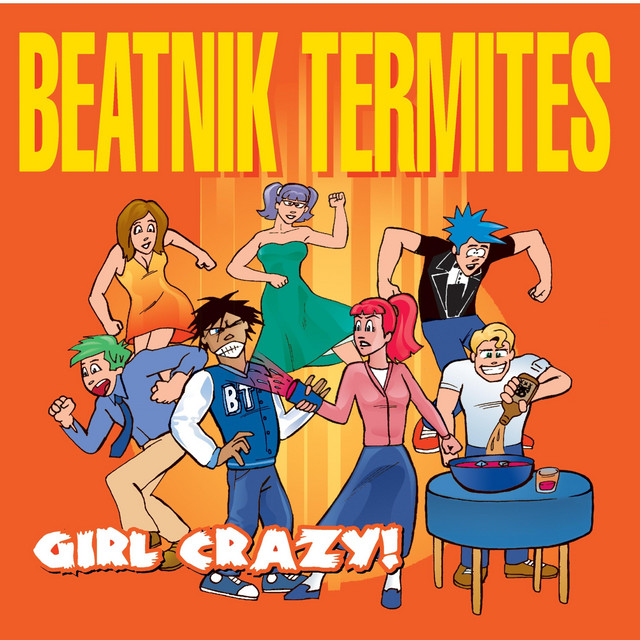
Beatnik Termites
Bubblegum Pop
Pop Punk
Power Pop
1
/5
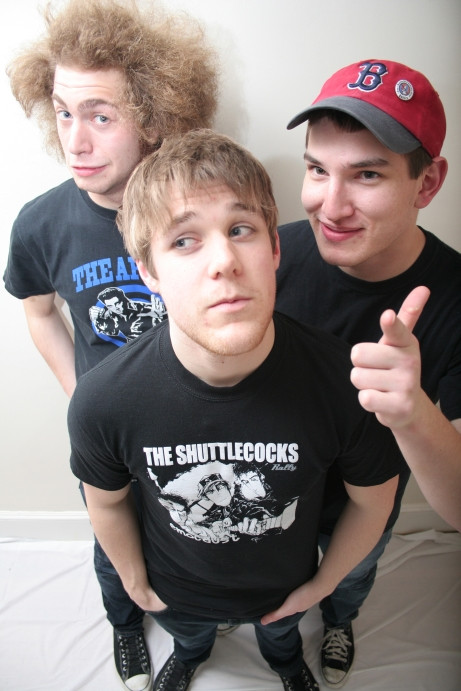
The Leftovers
Pop Punk
Power Pop
Queercore
2
/5
Bomb the Music Industry!
Ska Punk
Ska
Rock
Download our mobile app
Get the Melodigging app and start digging for new genres on the go
Download on the App Store
Get it on Google Play
© 2026 Melodigging
Give feedback
Legal
Melodding was created as a tribute to
Every Noise at Once
, which inspired us to help curious minds keep digging into music's ever-evolving genres.