Genres
Artists
Albums
Make Music
Sign in
Sign in
Artists
Acid Rock
Artists
Acid Rock
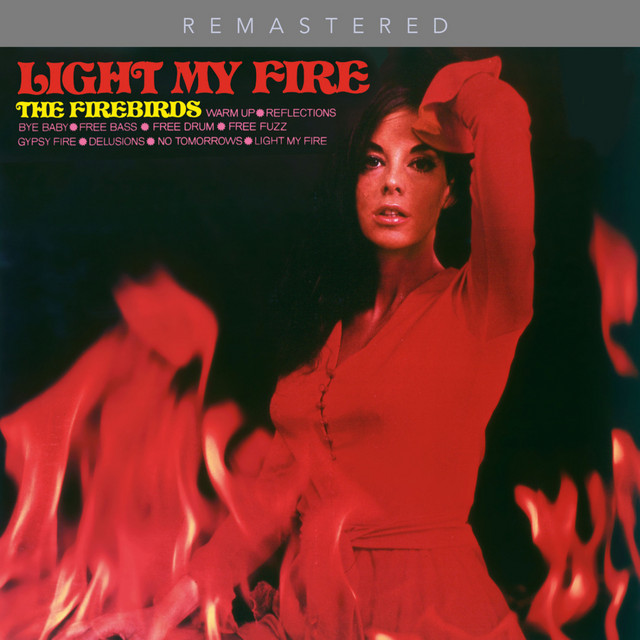
The Firebirds
1968
·
1 album
Listen
1
/5
Genres
Stoner Metal
Stoner metal is a heavy, riff-centered offshoot of doom metal that fuses the low-and-slow weight of early Sabbath with the hazy psychedelia and fuzz-drenched tones of 1970s hard rock. It emphasizes down-tuned guitars, thick midrange, and hypnotic, groove-forward drumming, often evoking a desert-heat mirage of sustained riffs and feedback. Compared to stoner rock, stoner metal leans darker and heavier, with a doomier pulse, longer song structures, and an almost trance-like fixation on repetition. Lyrics frequently explore cosmic wanderlust, occult imagery, apocalyptic visions, and cannabis counterculture, while production tends to favor warm, analog saturation and room-heavy drum sounds.
Discover
Listen
Stoner Rock
Stoner rock is a heavy, riff‑centric style that blends the weight and doom of early heavy metal with the groove and expansive jams of late‑60s/70s psychedelic and acid rock. It is marked by fuzz‑drenched, down‑tuned guitars, thick bass tones, and relaxed but powerful mid‑tempo grooves. Songs often emphasize hypnotic, repetitive riffs; extended instrumental passages; and a warm, vintage analog sound. Vocals tend to be laid‑back or gritty rather than operatic, and lyrical themes commonly explore the desert, space, altered states, mythology, and countercultural imagery. The overall vibe is earthy and immersive—equal parts head‑nodding groove, psychedelic haze, and Sabbath‑born heaviness.
Discover
Listen
Acid Rock
Acid rock is a heavier, louder, and more improvisation-driven branch of psychedelic rock that emerged in the mid-to-late 1960s. It is characterized by extended guitar solos, distorted and feedback-laden textures, modal or drone-based harmony, and a strong emphasis on trance-inducing grooves. The style was closely tied to the counterculture and LSD-fueled happenings of the era, particularly on the U.S. West Coast. Musically, it blends blues-rock’s grit, garage rock’s raw energy, folk-rock’s modal harmonies, and raga-influenced drones, then amplifies everything—volume, duration, and intensity—into hypnotic, often explosive performances.
Discover
Listen
Psychploitation
Psychploitation is a late-1960s studio-driven, budget-conscious offshoot of psychedelic rock that "exploited" the era’s fascination with mind-expansion and far-out sounds. Issued largely by budget and library labels, these LPs were often credited to ad‑hoc studio projects and session players. The music foregrounds fuzz guitars, Farfisa/Vox organs, electric sitar, droning tambura, vibraphone, heavy spring reverb, tape delay, and ping‑pong stereo effects. Tracks tend to be instrumental or minimally voiced, groove-led, and hooky—sometimes covers of current hits—designed as sonic spectacles to sell the psychedelic idea as much as a band. Aesthetically, psychploitation blurs garage-rock grit, lounge/easy listening sheen, exotica motifs, and soundtrack/library sensibilities. Today it’s prized by crate-diggers for its kitsch-meets-innovation charm, sample-ready breaks, and vivid period production.
Discover
Listen
Albums
1968
1
/5
Light My Fire
The Firebirds
Psychploitation
Similar artists
3
/5
Uncle Acid & The Deadbeats
Doom Metal
Acid Rock
Drone Metal
2
/5
Liquify
Acid Rock
Space Rock
Stoner Metal
2
/5
Fuzz
Acid Rock
Garage Rock
Neo-Psychedelia
2
/5
Naxatras
Heavy Psych
Instrumental Stoner Rock
Stoner Rock
2
/5
Samsara Blues Experiment
Heavy Psych
Acid Rock
Doom Metal
2
/5
My Sleeping Karma
Instrumental Stoner Rock
Space Rock
Stoner Rock
2
/5
Dead Meadow
Acid Rock
Doom Metal
Neo-Psychedelia
2
/5
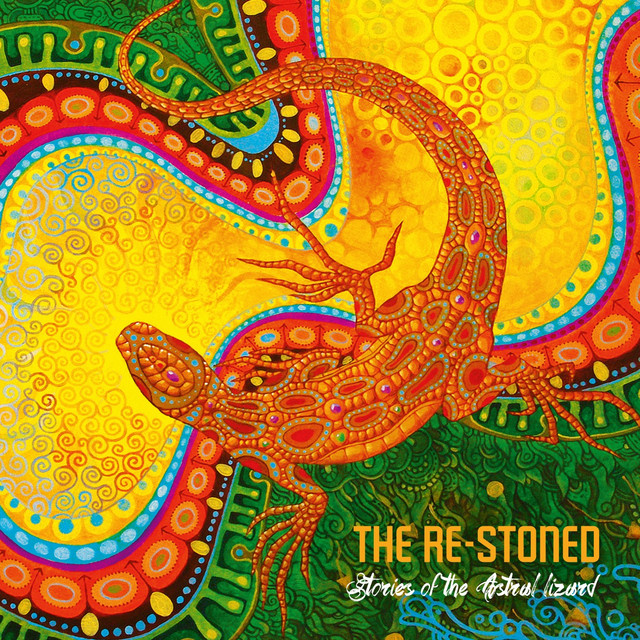
The Re-Stoned
Instrumental Stoner Rock
Acid Rock
Neo-Psychedelia
2
/5
Earthless
Stoner Rock
Psychedelic Doom
Instrumental Stoner Rock
2
/5
Mondo Drag
Acid Rock
Neo-Psychedelia
Sludge Metal
Download our mobile app
Get the Melodigging app and start digging for new genres on the go
Download on the App Store
Get it on Google Play
© 2026 Melodigging
Give feedback
Legal
Melodding was created as a tribute to
Every Noise at Once
, which inspired us to help curious minds keep digging into music's ever-evolving genres.