Genres
Artists
Albums
Make Music
Sign in
Sign in
Artists
Alternative Country
Artists
Alternative Country
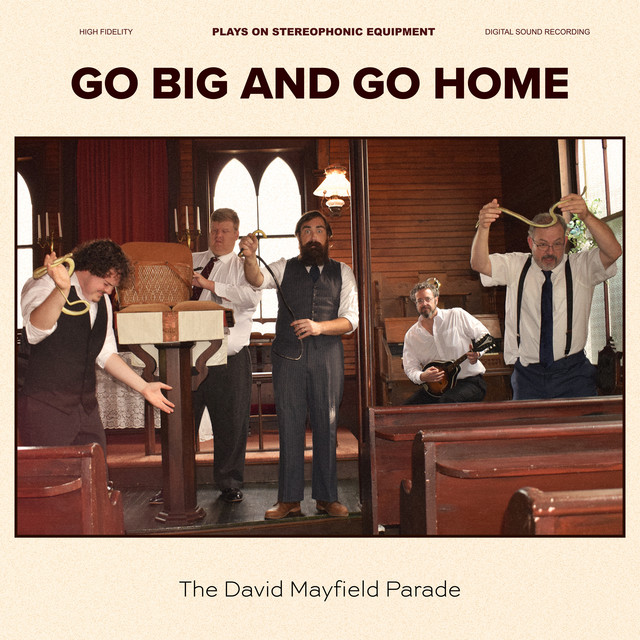
The David Mayfield Parade
Listen
1
/5
Genres
Indie Folk
Indie folk blends the DIY ethos and sonic aesthetics of independent rock with the acoustic instrumentation, intimate storytelling, and melodic simplicity of traditional folk. Timbres are typically warm and organic—fingerpicked acoustic guitars, close-mic’d vocals, subtle percussion, and spare ornamentation from banjo, mandolin, harmonium, or strings. Production often favors natural room ambiance, tape hiss, and gentle compression over glossy polish, creating a sense of proximity and emotional candor. Lyrically, the style is reflective and poetic, focusing on personal narratives, place, nature, spirituality, and memory. Harmony tends to be diatonic and modal, with drones, open tunings, and layered vocal harmonies adding depth. While understated, arrangements can scale into lush, choir-like textures and chamber-folk swells, balancing fragility with grandeur.
Discover
Listen
Alternative Country
Alternative country (often shortened to alt-country) is a roots-oriented offshoot of country that blends the storytelling, twang, and acoustic instrumentation of classic country with the attitude, DIY ethos, and sonic grit of indie rock and punk. It arose as a reaction to the glossy production and commercial polish of mainstream Nashville in the late 1980s and 1990s. Hallmarks include weathered vocals, prominent acoustic and electric guitars (often with pedal steel), unfussy rhythm sections, and lyrics that foreground realism, heartbreak, working-class lives, and wandering souls. Production tends to be raw and unvarnished, favoring live-in-the-room feel over studio sheen. The result is music that sits comfortably between country, folk, and rock while retaining the emotional directness of traditional country.
Discover
Listen
Americana
Americana is a contemporary umbrella term for U.S. roots music that blends folk, country, blues, bluegrass, gospel, and roots rock into a songwriter-centered, largely acoustic-leaning sound. Hallmarks include story-driven lyrics; warm, organic production; and traditional instrumentation such as acoustic guitar, mandolin, banjo, fiddle, harmonica, pedal steel, upright or electric bass, and restrained drums. Rhythms often draw on the train beat, shuffles, two-step, waltz time, and relaxed backbeats. Harmonically it favors diatonic progressions (I–IV–V, I–vi–IV–V), modal tinges (Mixolydian), and close vocal harmonies. Rather than a rigid style, Americana functions as a bridge among related roots traditions, emphasizing authenticity, regional imagery, and narrative songwriting over genre flashiness.
Discover
Listen
Newgrass
Newgrass (often synonymous with progressive bluegrass) is a modern, exploratory branch of bluegrass that blends the acoustic virtuosity and ensemble interplay of traditional bluegrass with the harmony, rhythm, and songcraft of rock, folk, and jazz. Typical newgrass ensembles keep the bluegrass core—mandolin, banjo, fiddle, acoustic guitar, and bass—while freely adding Dobro, percussion/drum set, piano, and occasional electric instruments. The style favors extended solos, odd meters, sophisticated harmonies, and reinterpretations of non-bluegrass repertoire alongside original songwriting. The spirit of newgrass is adventurous and improvisational: players stretch traditional forms, use complex chord colors and modal harmony, and treat arrangements as living frameworks for creative interplay.
Discover
Listen
Bluegrass
Bluegrass is a style of American roots music that coalesced in the Appalachian region in the 1940s around Bill Monroe and his Blue Grass Boys. It is defined by all‑acoustic instrumentation (typically fiddle, mandolin, 5‑string banjo, guitar, and upright bass, with dobro often added), virtuosic ensemble interplay, and a distinctive “high lonesome” lead vocal timbre supported by tight three‑part harmonies. Musically, bluegrass fuses African American blues and jazz phrasing with Anglo‑Celtic ballads and dance tunes. Hallmarks include driving tempos, syncopated 3‑finger banjo rolls (popularized by Earl Scruggs), off‑beat mandolin “chop” backbeats, boom‑chuck guitar rhythm, two‑beat bass, and alternating instrumental “breaks.” Repertoires mix breakdowns and fiddle tunes with narrative ballads, gospel numbers, and contemporary songwriter material.
Discover
Listen
Similar artists
4
/5
The Avett Brothers
Newgrass
Americana
Folk
3
/5
Trampled by Turtles
Progressive Bluegrass
Bluegrass
Newgrass
3
/5
Old Crow Medicine Show
Bluegrass
Folk
Old-Time
3
/5
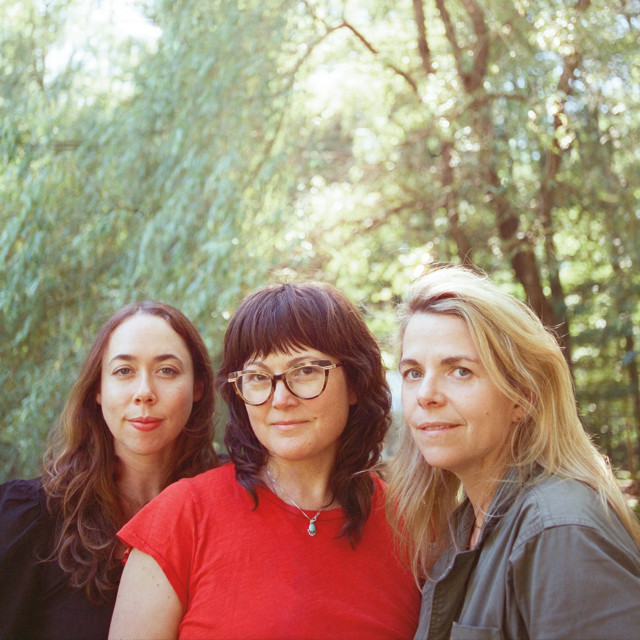
I'm With Her
Americana
Bluegrass
Folk
2
/5
Pharis & Jason Romero
Old-Time
Americana
Bluegrass
2
/5
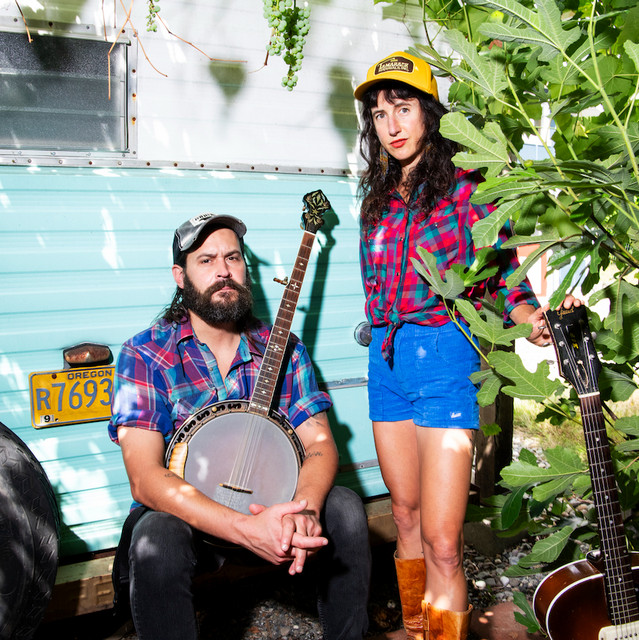
The Lowest Pair
Americana
Bluegrass
Folk
2
/5
The Good Luck Thrift Store Outfit
Alternative Country
Americana
Anti-Folk
2
/5
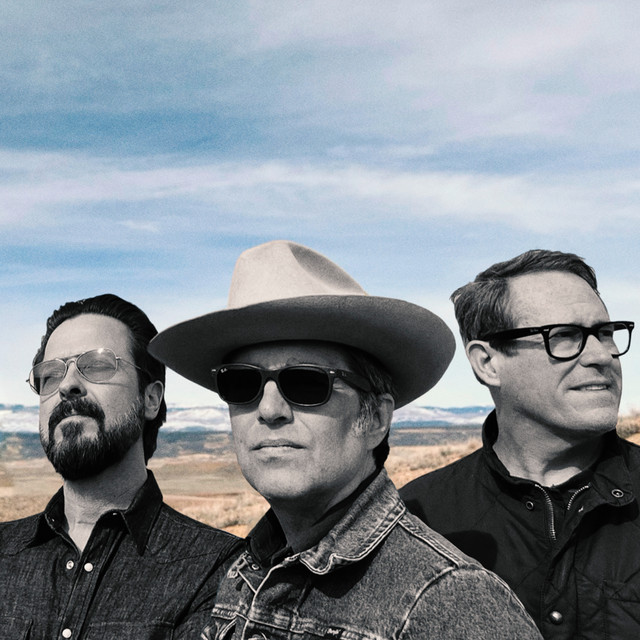
Chatham County Line
Alternative Country
Americana
Bluegrass
2
/5
Low Water Bridge Band
Alternative Country
Americana
Bluegrass
1
/5
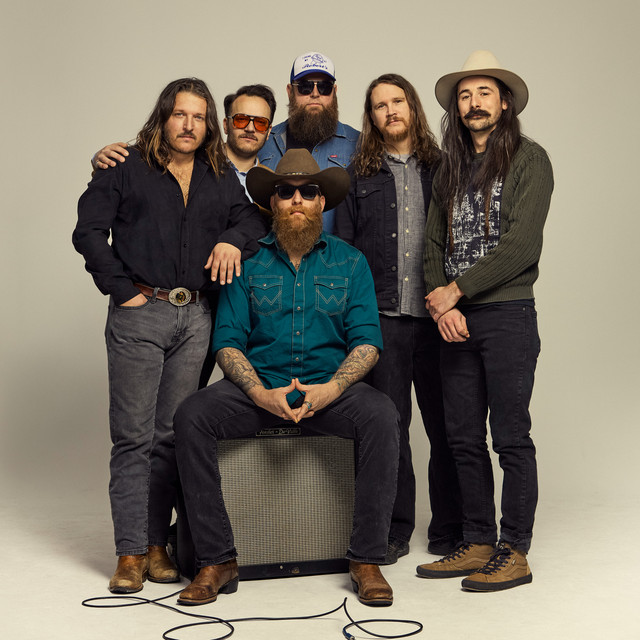
Eastbound Jesus
Alternative Country
Americana
Bluegrass
Download our mobile app
Get the Melodigging app and start digging for new genres on the go
Download on the App Store
Get it on Google Play
© 2026 Melodigging
Give feedback
Legal
Melodding was created as a tribute to
Every Noise at Once
, which inspired us to help curious minds keep digging into music's ever-evolving genres.