Genres
Artists
Albums
Make Music
Sign in
Sign in
Artists
Moda De Viola
Artists
Moda De Viola
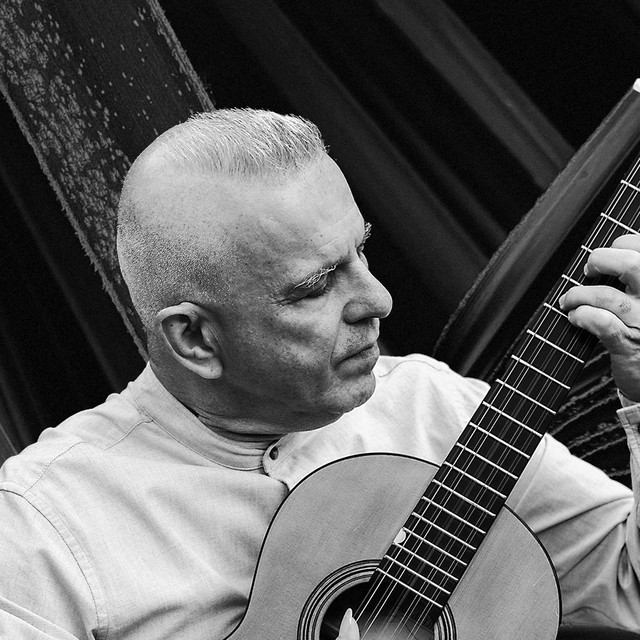
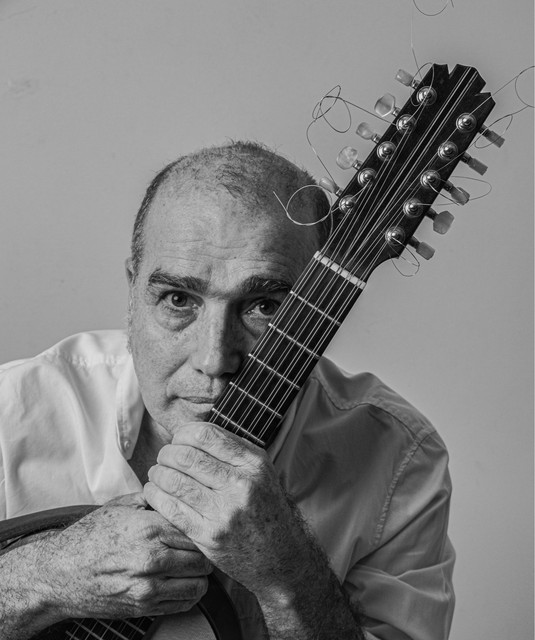
Tavinho Moura
1993–2014
·
3 albums
Listen
2
/5
Genres
Clube Da Esquina
Clube da Esquina is a Brazilian musical movement and songwriting style that emerged in the early 1970s in Belo Horizonte, Minas Gerais. It fuses the poetic intimacy of MPB and bossa nova with Beatles-inspired rock, jazz harmony, folk-rock textures, and touches of psychedelia and progressive rock. The result is a warm, guitar- and piano-led sound with luminous vocal harmonies, sophisticated chord colors, and evocative, image-rich lyrics. Its hallmark is the blend of regional Mineiro sensibility—pastoral, nostalgic, spiritual—with cosmopolitan arranging and harmonic daring. Songs feel dreamy yet grounded, tender yet harmonically bold, balancing lyrical introspection with melodic immediacy.
Discover
Listen
Mpb
MPB (Música Popular Brasileira) is a broad Brazilian popular music movement that crystallized in the mid-1960s after bossa nova. It blends samba and other regional rhythms with jazz harmony, singer‑songwriter craft, and elements of contemporary pop and rock. The style is marked by sophisticated melodies, extended harmonies, inventive arrangements, and lyrically rich songs that often use poetry and metaphor. Many classic MPB works balance intimacy (voice and violão/nylon‑string guitar) with lush studio orchestration, drawing from samba‑canção, choro, baião, and frevo while engaging modern influences. Historically, MPB provided a platform for social commentary during Brazil’s military dictatorship, with artists employing allegory to navigate censorship. It remains a living tradition that continually renews itself through new generations (“nova MPB”).
Discover
Listen
Moda De Viola
Moda de viola is a traditional Brazilian rural song style centered on the viola caipira, a 10‑string double‑coursed guitar. It is typically performed by vocal duos (duplas), singing in close parallel harmony—often in thirds—over arpeggiated or gently strummed viola accompaniments. The songs are narrative and reflective, evoking countryside life, devotion, love, longing (saudade), and moral tales. Tempos are generally slow to medium, with 2/4, 3/4, or 6/8 feels, and harmonies remain largely diatonic, prioritizing expressive melody and storytelling over harmonic complexity. While it overlaps with broader sertanejo traditions, moda de viola preserves an older, acoustic, and pastoral aesthetic tied to Brazil’s interior.
Discover
Listen
Sertanejo
Sertanejo is Brazil’s homegrown counterpart to country music, rooted in the rural song traditions of the country’s interior (música caipira) and later modernized for urban radio and arenas. Its core sound revolves around close-harmony duos, storytelling lyrics about love, longing, and countryside life, and the distinctive timbre of the viola caipira (10‑string Brazilian guitar) alongside acoustic guitar, accordion, and, in contemporary productions, full rhythm sections and pop‑leaning arrangements. Across a century, sertanejo evolved through several waves: the narrative, acoustic sertanejo raiz; the polished, romantic duos that conquered national television and FM radio; and the 2000s/2010s universitário movement that fused pop, rock, and electronic textures. Today it is one of Brazil’s most commercially dominant genres, spawning numerous substyles and crossovers while retaining its identity of heartfelt vocal harmonies and sing‑along choruses.
Discover
Listen
Sertanejo Raiz
Sertanejo raiz (also called música caipira) is the traditional, rural form of Brazilian country music that crystallized in the countryside of São Paulo, Minas Gerais, Goiás, and neighboring states. It is typically performed by vocal duos singing in parallel thirds (as chamadas "terças caipiras") accompanied by viola caipira (a 10‑string, 5‑course guitar) and violão (6‑string acoustic guitar), with occasional accordion and handclaps. Its core song types include moda de viola (narrative ballads), toada, cururu, cateretê/catira (with foot‑stomping and clapping), and xote/schottische, reflecting Iberian and European dance roots blended with Brazilian rural poetics. Harmonies are simple (mostly I–IV–V with few extensions), melodies are singable and diatonic, and the lyrics dwell on nature, faith, love, friendship, roads and cattle‑drives, and especially saudade (nostalgic longing) for the countryside.
Discover
Listen
Traditional Folk
Traditional folk is a broad umbrella for orally transmitted songs and dance tunes that circulated in rural and working-class communities before the age of mass recording. Repertoires include narrative ballads, laments, love songs, work songs, lullabies, and instrumental dance sets such as reels, jigs, hornpipes, and marches. Stylistically, traditional folk favors strophic forms, pentatonic or modal melodies (often Dorian and Mixolydian), limited harmonic movement, and strong, memorable tunes designed for communal singing and dancing. Performances range from unaccompanied solo voice to small ensembles built around fiddle, flute/whistle, pipes, concertina/accordion, guitar, banjo, and frame drum. Ornamentation, variation by verse, and flexible tempo are integral, reflecting an oral tradition where songs live through continual reinterpretation. Although it is pan‑regional, the modern idea of “traditional folk” coalesced in the 19th century through collectors and revivalists who documented vernacular music and framed it as cultural heritage.
Discover
Listen
Albums
2014
1
/5
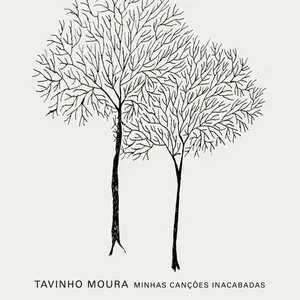
Minhas Canções Inacabadas
Tavinho Moura
Moda De Viola
1993
1
/5
Caboclo d'água
Tavinho Moura
Moda De Viola
Sertanejo Raiz
Sertanejo
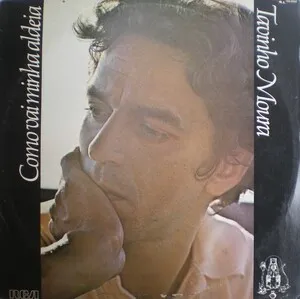
Como vai minha aldeia
Tavinho Moura
Clube Da Esquina
Similar artists
3
/5
Almir Sater
Sertanejo
Sertanejo Raiz
Brazilian Folk Music
1
/5
Roberto Corrêa
Sertanejo Raiz
Moda De Viola
Traditional Folk
1
/5
Helena Meirelles
Chamamé
Sertanejo
Sertanejo Raiz
2
/5
Ivan Vilela
Brazilian Jazz
Moda De Viola
Sertanejo Raiz
1
/5
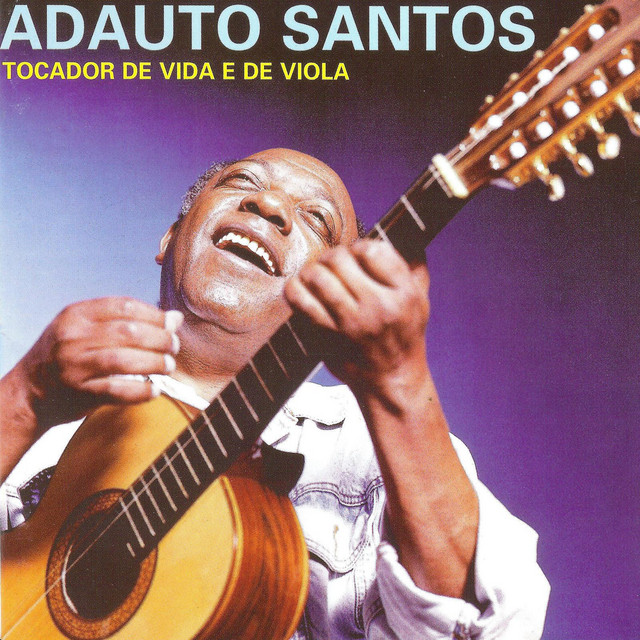
Adauto Santos
Moda De Viola
Sertanejo Tradicional
Traditional Folk
3
/5
Tião Carreiro & Pardinho
Sertanejo
Sertanejo Tradicional
Sertanejo Raiz
1
/5
Passoca
Sertanejo Tradicional
Traditional Folk
Sertanejo
1
/5
Doroty Marques
Traditional Folk
Sertanejo
Sertanejo Raiz
3
/5
Tonico e Tinoco
Sertanejo
Sertanejo Tradicional
Moda De Viola
2
/5
Tião Carreiro
Sertanejo
Sertanejo Tradicional
Moda De Viola
Download our mobile app
Get the Melodigging app and start digging for new genres on the go
Download on the App Store
Get it on Google Play
© 2026 Melodigging
Give feedback
Legal
Melodding was created as a tribute to
Every Noise at Once
, which inspired us to help curious minds keep digging into music's ever-evolving genres.