Genres
Artists
Albums
Make Music
Sign in
Sign in
Artists
Čalgija
Artists
Čalgija
Tale Ognenovski
1974
·
1 album
Listen
1
/5
Genres
Čalgija
Čalgija (also spelled Chalgiya/Chalgija) is an urban folk idiom of the southern Balkans that crystallized in the 19th century within the Ottoman cultural sphere. The term comes from Turkish “çalgı” (instrument/music-making) and denotes refined, café- and salon-based repertoires sung and played by small ensembles. It is modal (makam-based), richly ornamented, and commonly set to asymmetric “aksak” rhythms (e.g., 7/8, 9/8, 11/8). Typical instruments include oud, tambura, violin, clarinet, qanun, and hand percussion such as darbuka and frame drum; occasional kaval, ney, or tapan appear regionally. Vocals favor melisma and rubato preludes (taksim) and carry urban themes of love, longing, and everyday life. As both a Bulgarian urban-traditional subgenre and a Macedonian urban folk practice performed by ensembles called “Čalgii,” it bridges Ottoman classical taste with local Slavic, Greek, and Romani traditions, producing a cosmopolitan, nostalgic sound world.
Discover
Listen
Macedonian Folk Music
Macedonian folk music is the traditional music of North Macedonia, known for its rich vocal styles, modal melodies, and distinctive asymmetrical rhythms (aksak). It is performed for weddings, seasonal rituals, and village dances (oro), and it preserves regional dialects and stories in the Macedonian language. The sound is shaped by a blend of Slavic, Byzantine, and Ottoman cultural layers. Typical instruments include gaida (bagpipe), kaval (end-blown flute), tambura (long‑necked lute), zurla (shawm), and tapan (large double‑headed drum), with later additions such as clarinet, accordion, and violin. Vocal music ranges from powerful solo laments to antiphonal and heterophonic group singing with a sustained drone (ison) reminiscent of Byzantine practice. Rhythm is central: dancers and musicians favor meters such as 7/8 (3+2+2), 9/8 (2+2+2+3), 11/8, and 13/16. Ornamented melodies (slides, turns, trills) often sit in Dorian, Aeolian, or Mixolydian colors, and occasionally use maqam-like intervals (augmented seconds) inherited from Ottoman aesthetics.
Discover
Listen
Starogradska Muzika
Starogradska muzika (literally "old‑city music") is a South Slavic urban song tradition shaped in 19th‑ and early 20th‑century Balkan towns under Ottoman and Austro‑Hungarian influence. It blends European salon dances (waltz, polka) with Ottoman‑sevdah melodic ornamentation and local folk poetics, yielding graceful, strophic songs about love, tavern life (kafana), cityscapes, and the passage of time. Typical ensembles feature voice with tamburica, violin, clarinet, guitar, and accordion; tempos range from lilting triple‑meter waltzes to gentle two‑step polkas and slow, rubato ballads rich in melisma and modal color. The style is performed in intimate settings—courtyards, taverns, festivals—and valued for its nostalgic, sentimental character and refined, urbane delivery.
Discover
Listen
Albums
1974
1
/5
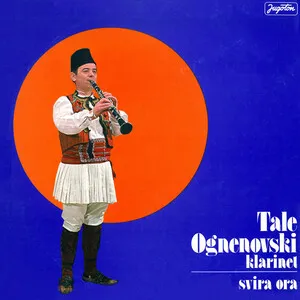
Svira ora
Tale Ognenovski
Čalgija
Starogradska Muzika
Macedonian Folk Music
Similar artists
1
/5
Calgija
Čalgija
Macedonian Folk Music
Starogradska Muzika
1
/5
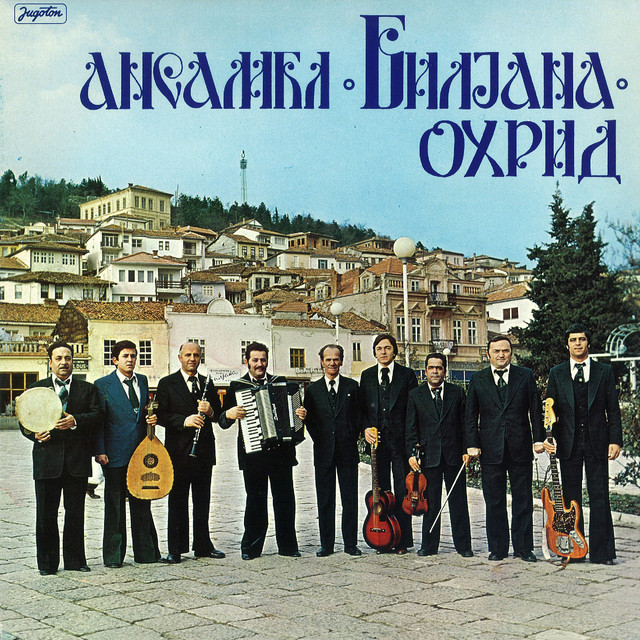
Ansambl Biljana
Starogradska Muzika
Macedonian Folk Music
1
/5
Tale Ognenovski
Čalgija
Starogradska Muzika
1
/5
Ansambl Struški Biseri
Starogradska Muzika
Macedonian Folk Music
3
/5
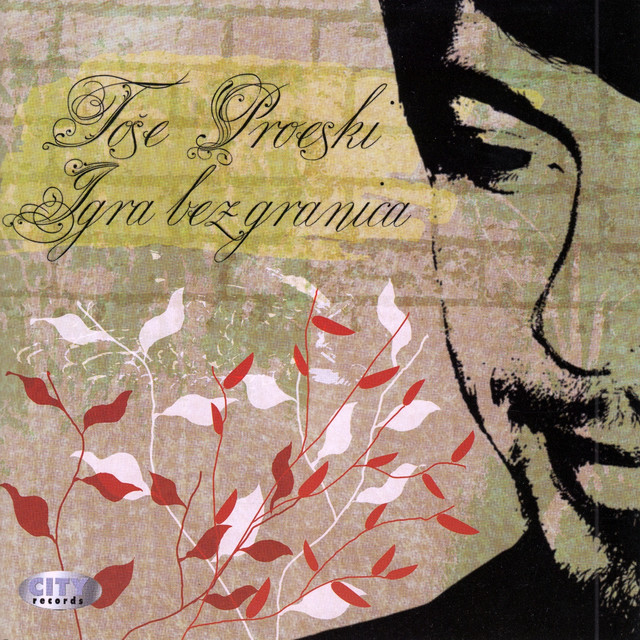
Toše Proeski
Boyfriend Country
Macedonian Folk Music
3
/5
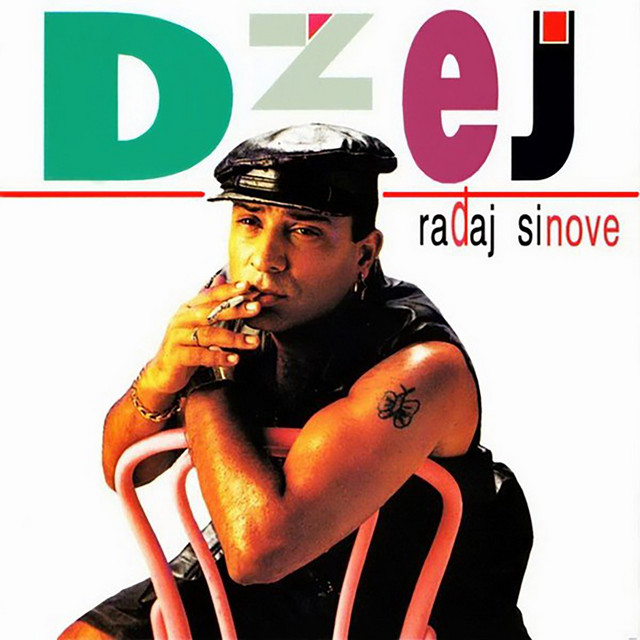
Dzej Ramadanovski
Narodna Muzika
Starogradska Muzika
2
/5
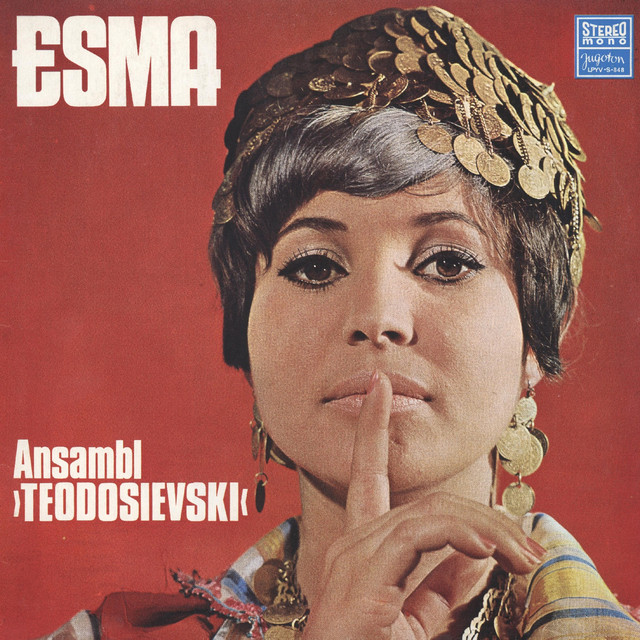
Esma Redzepova
Macedonian Folk Music
Romani Folk Music
2
/5
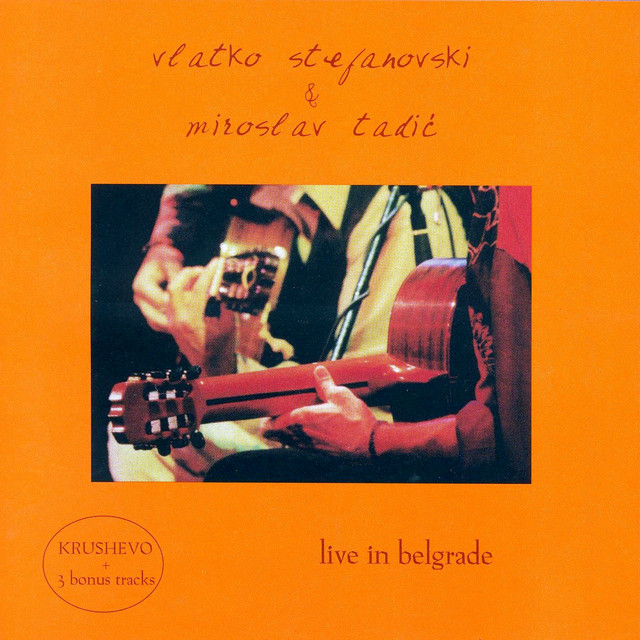
Vlatko Stefanovski
Macedonian Folk Music
2
/5
Miroslav Tadic
Ambient Folk
Macedonian Folk Music
1
/5
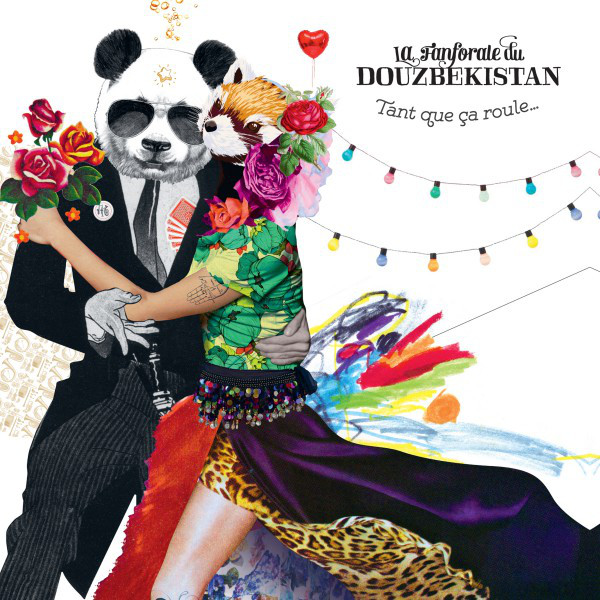
La Fanforale du Douzbekistan
Macedonian Folk Music
Download our mobile app
Get the Melodigging app and start digging for new genres on the go
Download on the App Store
Get it on Google Play
© 2026 Melodigging
Give feedback
Legal
Melodding was created as a tribute to
Every Noise at Once
, which inspired us to help curious minds keep digging into music's ever-evolving genres.