Genres
Artists
Albums
Make Music
Sign in
Sign in
Artists
Reunion Pop
Artists
Reunion Pop
T-Matt
2020–2025
·
3 albums
Listen
3
/5
Genres
Basshall
Basshall is a club-focused fusion of modern dancehall riddims with the sound design and drops of bass-heavy EDM. It keeps the dembow-derived, off‑beat swing of Jamaican dancehall while layering sub‑driven 808s, aggressive synths, and festival‑ready builds and drops borrowed from trap, electro house, and UK bass. Typical tempos sit around 95–110 BPM (or 130–140 BPM with a halftime feel). Vocals often draw on Jamaican patois toasting or catchy pop hooks, and arrangements alternate between groove-led verses and explosive, sound‑system drops. Emerging from European (especially Dutch) club culture and the global‑bass scene, Basshall spreads dancehall’s energy into big‑room contexts without losing its Caribbean rhythmic DNA.
Discover
Listen
Ori Deck
Ori deck is an electronic dance music micro-genre built around sluggish, kick-heavy dembow rhythms. It incorporates the swung, mid-tempo bounce of moombahton and the weighty low-end design of dubstep. The style is typically driven by an insistent kick pattern, dembow-inspired syncopation, and sub-bass drops, creating a club-ready but deliberately “slow and heavy” groove.
Discover
Listen
Shatta
Shatta is a raw, high-energy French Caribbean take on dancehall that crystallized in the 2010s within the Guadeloupe–Martinique scene. It is powered by hard-hitting dembow-derived grooves, booming 808 sub-bass, clipped snares, and sirens/airhorns designed for clubs and car sound systems. Vocals—often in Antillean Creole and French—favor short, repetitive hooks, call-and-response chants, and provocative, party-focused or streetwise themes. Stylistically, Shatta blends Jamaican dancehall attitude with local French Antillean aesthetics (and some bouyon drive), plus trap-era sound design. The result is an aggressive, minimal, dancefloor-first sound that’s immediately “bashment” in feel yet distinct to the FWI (French West Indies).
Discover
Listen
Dennery Segment
Dennery segment is a drum-forward, chant-driven offshoot of soca that originated in the district of Dennery in Saint Lucia. Often nicknamed "Lucian Kuduro," it fuses the stripped, polyrhythmic punch of African club styles with the road‑march energy of Caribbean carnival. The style is characterized by minimal melodic content, heavy hand‑percussion grooves (congas, cowbells/iron, shakers), whistle and siren riffs, and short call‑and‑response hooks delivered in Saint Lucian Kwéyòl and English. Tempos typically sit in the groovy soca range (roughly 115–130 BPM), emphasizing a hypnotic, repeating riddim that invites specific dance instructions and crowd participation. Production tends to be lean and percussive with tight kick–sub alignment, clipped vocal chops, and rhythmic breakdowns rather than harmonic builds—designed as much for street parades as for club play.
Discover
Listen
Lo Star
Lo star is a streaming-era umbrella tag used to group under-the-radar, low-profile artists who sit on the fringes of indie, alternative, DIY pop, and related scenes. Rather than denoting a single, tightly defined musical vocabulary, it marks a discovery space of self-produced or small-label projects with modest audiences, genre-fluid aesthetics, and a distinctly DIY approach to recording and release. Expect intimate vocals, inexpensive or home-studio production, hybrid acoustic/electronic textures, and songwriting that favors personal storytelling and immediacy over polish. Because it functions as a curatorial category for emerging or niche acts, the sonic palette spans indie rock and folk-pop to bedroom pop and lo-fi electronic, unified by scale, ethos, and distribution more than by strict musical rules.
Discover
Listen
Urban Kiz
Urban Kiz is a contemporary, club-oriented offshoot of kizomba that took shape in Europe—especially in Paris—in the early-to-mid 2010s. It adapts the sensual, close-connection feel of kizomba to straighter, trap- and R&B-influenced beats with pronounced bass lines, crisp hi‑hats, and engineered breaks that suit the stop‑and‑go aesthetics of Urban Kiz social dancing. Musically, it favors 4/4 grooves around 88–102 BPM, less of the lilting/zouk swing found in classic kizomba, and more linear phrasing with dramatic drops, filters, and space for micro-pauses. Vocals (often in Portuguese, French, Cape Verdean Creole, or English) may be original toplines, sampled phrases, or R&B‑style hooks layered over sleek electronic production. Producers frequently label releases or remixes specifically for "Urban Kiz" floors, reinforcing the genre’s identity within the partner‑dance scene.
Discover
Listen
Reunion Pop
Réunion pop is contemporary popular music from Réunion Island (an overseas department of France) that blends local rhythms and instruments with global pop aesthetics. It typically mixes the rolling ternary grooves of maloya and the upbeat swing of séga with sleek, radio‑ready production, often sung in Réunion Creole and French. In the studio, producers combine kayamb and roulèr (traditional maloya shakers and drum) with drum machines, synth bass, and glossy pads. Hooks are catchy and melodic, while rhythms borrow freely from zouk, dancehall, reggae, Afropop, R&B, and modern electropop. The result is a danceable, tropical yet cosmopolitan sound that foregrounds island identity and contemporary pop polish.
Discover
Listen
Zouk
Zouk is a high-energy dance music that originated in the French Caribbean (Guadeloupe and Martinique) in the early 1980s, crystallized by the band Kassav’. It blends Haitian compas (kadans) with local folk rhythms and the glossy production aesthetics of disco, funk, and early electronic pop. Early “zouk béton” emphasized driving, tightly arranged rhythms, bright synth-brass stabs, and call-and-response vocals. A slower, smoother branch known as “zouk love” followed, foregrounding romantic lyrics, silky harmonies, and sensual grooves. Sung primarily in Antillean Creole and French, zouk is both a party soundtrack and a cultural statement of Caribbean identity.
Discover
Listen
Dancehall
Dancehall is a Jamaican popular music style built around bass‑heavy, groove‑centric riddims and the vocal art of chatting or singjaying in Jamaican Patois. It emphasizes direct, energetic delivery, call‑and‑response hooks, and a party‑forward attitude, while also leaving space for sharp social commentary and witty wordplay. The genre is fundamentally riddim‑based: producers release instrumental tracks (riddims) that many different vocalists "voice" with their own songs. This culture encourages competitive creativity, rapid evolution of styles, and a constant stream of new versions. Tempos typically sit in the midtempo range, with syncopated kicks and snares and prominent sub‑bass. Since the mid‑1980s, digital drum machines and synths have defined much of dancehall’s sound, though live instrumentation and hybrid production are common too.
Discover
Listen
Compas
Compas (also spelled konpa or compas direct) is Haiti’s modern, méringue-based dance music. It features a steady, driving groove, lyrical melodies, and tight horn or synth hooks designed for continuous social dancing. The style blends Haitian méringue rhythms with jazz and Afro‑Cuban/Latin elements, typically in a mid‑tempo 4/4. A locked‑in drum/cowbell pattern, syncopated bass ostinatos, percussive rhythm guitar, keyboards playing montuno-like figures, and call‑and‑response vocals in Haitian Creole or French are core traits. Since the late 1970s, electronic keyboards and drum machines have been common, but the feel remains warm, romantic, and unshakably danceable.
Discover
Listen
Maloya
Maloya is a drum-and-voice–driven music and dance tradition from Réunion Island in the Indian Ocean. It emerged among enslaved Malagasy and East African peoples on sugar plantations and later among indentured laborers, becoming a vehicle for memory, ritual, and resistance. Its sound centers on earthy percussion (notably the deep, barrel-like roulèr drum and the grain-filled kayamb shaker), call-and-response singing in Réunion Creole, and trance-inducing, cyclical rhythms. Melodies tend to be modal and harmonically sparse, with the groove and collective chant taking precedence over chord changes. Beyond the village and ritual context (such as the syncretic servis kabaré ceremonies), maloya became a modern emblem of Réunion identity and political expression. In 2009, UNESCO inscribed maloya on the Representative List of the Intangible Cultural Heritage of Humanity.
Discover
Listen
Show all 11 genres
Albums
2025
2
/5
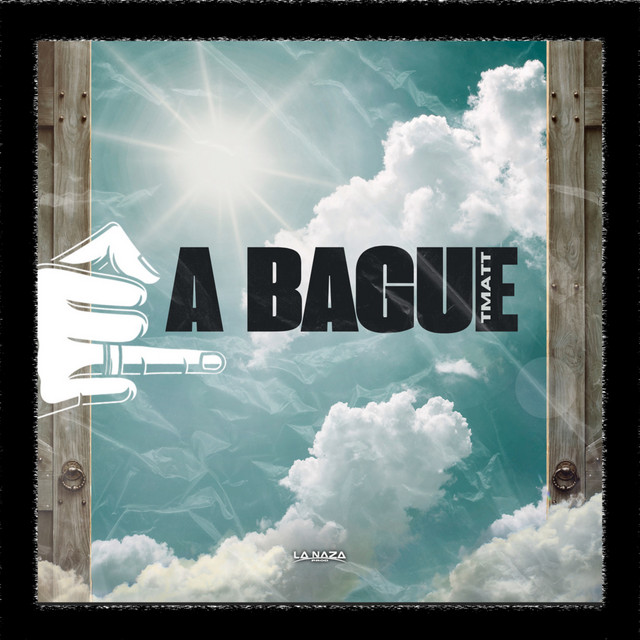
LA BAGUE
T-Matt
Reunion Pop
Maloya
2020
2
/5
Reste encore (Edit)
T-Matt
Reunion Pop
2020
2
/5
Ce soir (Edit)
T-Matt
Reunion Pop
Maloya
Similar artists
3
/5
Kalipsxau
Maloya
Reunion Pop
Basshall
3
/5
P.L.L
Maloya
Zouk
Afrobeats
3
/5
Kaf Malbar
Compas
Dancehall
Ragga
3
/5
Barth
Reunion Pop
Maloya
Zouk
3
/5
Mik L
Maloya
Reunion Pop
Basshall
3
/5
Maureen
Bouyon
Dancehall
Zouk
3
/5
DJ SEBB
Afrobeats
Basshall
Compas
3
/5
MCBOX
Reunion Pop
Compas
Zouk
3
/5
Black-T
Basshall
Compas
Dancehall
3
/5
Algéric
Reunion Pop
Compas
Zouk
Download our mobile app
Get the Melodigging app and start digging for new genres on the go
Download on the App Store
Get it on Google Play
© 2026 Melodigging
Give feedback
Legal
Melodding was created as a tribute to
Every Noise at Once
, which inspired us to help curious minds keep digging into music's ever-evolving genres.