Genres
Artists
Albums
Make Music
Sign in
Sign in
Artists
Pagodão
Artists
Pagodão
Swing Guetto
Listen
2
/5
Genres
Pagodão
Pagodão (often called pagode baiano) is a high-energy Brazilian style from Salvador, Bahia that fuses the swing and percussion of samba-reggae with pagode’s party atmosphere. Compared with Rio/São Paulo pagode, pagodão is faster, heavier on percussion, and commonly features choreographed dance moves on stage and among audiences. It emphasizes tight, repeating electric-guitar riffs alongside powerful drums and Afro-Bahian percussion such as atabaques and pandeiros, creating a carnival-ready groove. Because it emerged in Bahia and shared mainstream success in the 1990s–2000s, pagodão is often confused with axé music. While the two scenes intersected, pagodão’s core identity is the blend of samba-reggae pulse with pagode-style hooks and call-and-response vocals, driven by bloco-style percussion and street-party energy.
Discover
Listen
Pagode
Pagode is a substyle of Brazilian samba that crystallized in Rio de Janeiro in the late 1970s and became a national phenomenon in the 1980s. The word "pagode" originally meant a backyard party, and the genre reflects that intimate, convivial setting: acoustic instruments clustered around a table, communal singing, call-and-response hooks, and lyrics about love, friendship, bohemian life, and everyday humor. Musically, pagode emphasizes a warm, mid-tempo samba groove driven by hand percussion (pandeiro, repique de mão, tantã) and the bright strum of cavaquinho or banjo-cavaquinho. It favors catchy choruses, tight vocal harmonies (coro de apoio), and short, memorable melodies over virtuosic display. In the 1990s, a smoother, pop-leaning branch—often called pagode romântico—added keyboards, fuller vocal arrangements, and lush production, taking the style to mainstream radio while preserving its samba pulse.
Discover
Listen
Swing
Swing is a jazz style centered on a buoyant, danceable groove created by a walking bass, four-to-the-bar rhythm guitar, a backbeat emphasis on 2 and 4, and a lilted “swung” eighth-note feel. Typically performed by big bands (saxes, trumpets, trombones, and a rhythm section) as well as small combos, it balances written arrangements with improvised solos. Hallmarks include call-and-response between horn sections, riff-based melodies, shout choruses that build intensity near the end of an arrangement, and rich sectional voicings grounded in blues language and ii–V–I harmonic motion. Tempos range from medium to brisk, serving social dances like the Lindy Hop and Jitterbug. Swing’s expressive phrasing, dance-floor focus, and sophisticated arranging made it the dominant popular music of the late 1930s and early 1940s.
Discover
Listen
Similar artists
4
/5
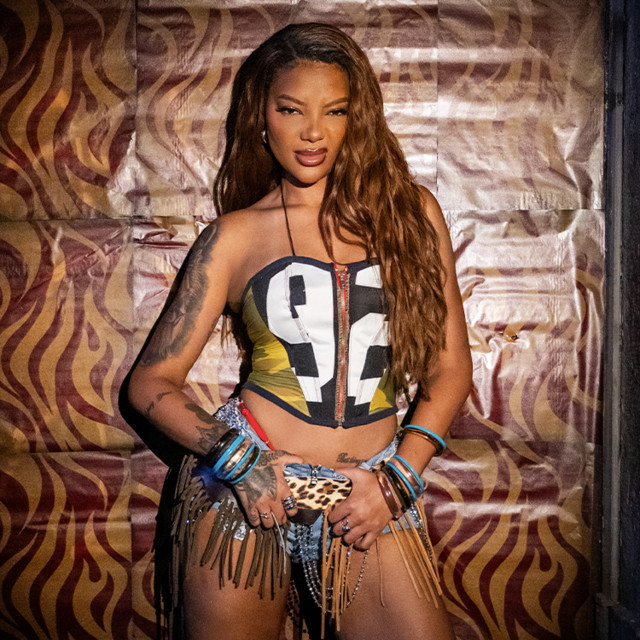
LUDMILLA
Funk Pop
Brazilian Pop
Pagode
4
/5
Léo Santana
Axé
Arrocha
Brazilian Pop
3
/5
Tony Salles
Axé
Pagode
Pagodão
3
/5
Macaco Gordo
Axé
Pagodão
Pagode
3
/5
Parangolé
Pagodão
Axé
Pagode
3
/5
Psirico
Pagodão
Axé
Pagode
3
/5
É O Tchan
Pagodão
Axé
Pagode
3
/5
Ara Ketu
Samba-Reggae
Axé
Pagodão
3
/5
O Kannalha
Pagodão
Pagode
Bregadeira
3
/5
XANDDY HARMONIA
Pagodão
Axé
Pagode
Download our mobile app
Get the Melodigging app and start digging for new genres on the go
Download on the App Store
Get it on Google Play
© 2026 Melodigging
Give feedback
Legal
Melodding was created as a tribute to
Every Noise at Once
, which inspired us to help curious minds keep digging into music's ever-evolving genres.