Genres
Artists
Albums
Make Music
Sign in
Sign in
Artists
Sufi
Artists
Sufi
Süleyman Erguner
1978
·
1 album
Listen
1
/5
Genres
Traditional Music
Traditional music is an umbrella term used in the mid–20th century by folklorists and ethnomusicologists to denote community-rooted, orally transmitted repertoires tied to social ritual, work, celebration, and storytelling. Unlike commercial pop or art-music traditions, traditional music is typically learned by ear, varies regionally, and evolves slowly through communal participation. It often features modal melodies, cyclic rhythms, heterophony or unison singing, and indigenous instruments whose timbres are integral to local identity. Lyrics tend to preserve language, history, and collective memory. While the musical practices themselves can be ancient, the phrase “traditional music” emerged to replace earlier, narrower or colonial framings like “folk” or “ethnic” music, foregrounding continuity, locality, and living practice rather than exoticism.
Discover
Listen
Folk
Folk is a song-centered acoustic tradition rooted in community storytelling, everyday life, and social history. It emphasizes clear melodies, simple harmonies, and lyrics that foreground narrative, protest, and personal testimony. As a modern recorded genre, folk coalesced in the early-to-mid 20th century in the United States out of older ballad, work song, and rural dance traditions. It typically features acoustic instruments (guitar, banjo, fiddle, mandolin, harmonica), strophic song forms, and participatory singing (choruses, call-and-response).
Discover
Listen
Traditional Folk
Traditional folk is a broad umbrella for orally transmitted songs and dance tunes that circulated in rural and working-class communities before the age of mass recording. Repertoires include narrative ballads, laments, love songs, work songs, lullabies, and instrumental dance sets such as reels, jigs, hornpipes, and marches. Stylistically, traditional folk favors strophic forms, pentatonic or modal melodies (often Dorian and Mixolydian), limited harmonic movement, and strong, memorable tunes designed for communal singing and dancing. Performances range from unaccompanied solo voice to small ensembles built around fiddle, flute/whistle, pipes, concertina/accordion, guitar, banjo, and frame drum. Ornamentation, variation by verse, and flexible tempo are integral, reflecting an oral tradition where songs live through continual reinterpretation. Although it is pan‑regional, the modern idea of “traditional folk” coalesced in the 19th century through collectors and revivalists who documented vernacular music and framed it as cultural heritage.
Discover
Listen
Turkish Classical
Turkish classical (Ottoman/Turkish art music) is a refined modal art tradition centered on the makam (scale/melodic behavior) system and cyclical rhythms called usul. It developed in the Ottoman court, Mevlevi lodges, and urban salons, using an intimate chamber instrumentation (ney, tanbur, ud, kemençe, kanun, keman) and highly ornamented vocal lines. Compositions follow characteristic forms such as peşrev and saz semaisi (instrumental), as well as vocal forms like beste, kar, semai, yürük semai, and the later şarkı. Improvisation (taksim) introduces and connects sections, exploring the seyir (melodic path) of the chosen makam with nuanced microtonal inflections. Its aesthetic emphasizes subtle emotion, controlled ornamentation, and measured development, with repertoire spanning sacred (Mevlevi ayin) and secular works. The tradition balances composed structure and spontaneous improvisation, cultivated through the meşk (master–apprentice) pedagogy.
Discover
Listen
Sufi
Sufi is a devotional musical tradition rooted in Islamic mysticism that seeks to induce remembrance of the Divine (dhikr) and transport performers and listeners toward spiritual ecstasy (wajd). It is not a single uniform style, but a family of practices that vary across regions—most notably Persian/Iranian, Anatolian/Turkish (Mevlevi), Arab, and South Asian (qawwali, kafi). Musically, Sufi repertoire tends to revolve around repetitive, mantra-like refrains, call-and-response between lead and chorus, and gradual intensification over cyclical rhythms. Melodic language draws from regional modal systems such as the Persian dastgāh, Ottoman/Turkish makam, and South Asian raga, and is often supported by drones. Texts are central: poetry by mystic masters like Rumi, Hafez, Bullhe Shah, and Amir Khusrau is sung in Persian, Urdu, Punjabi, Arabic, Turkish, and other languages. Instrumentation varies by locale—harmonium, tabla/dholak, tanpura, and clapping in South Asia; ney, kudüm, bendir, and tanbur in Turkey; oud and frame drums across the Arab world—yet the unifying aim is spiritual uplift and inner transformation.
Discover
Listen
Turkish Mevlevi Music
Turkish Mevlevi music is the sacred repertoire of the Mevlevi (whirling dervish) Sufi order founded in the milieu of Jalāl al-Dīn Rūmī in Anatolia. It is a modal, monophonic, and highly ornamented tradition performed for the Sema ceremony, where music, poetry, and ritual movement converge to induce remembrance of the divine. The core large-scale form is the Ayîn-i Şerîf (Mevlevi ayin), a multi-movement work in a specific makam (mode) and usul (cycle), typically for voice and a chamber ensemble centered on the ney (end-blown reed flute), with kudüm (kettledrums), tanbur, kemençe, kanun, and occasionally rebab and ud. The ayin unfolds through four selâms (sections) that guide the spiritual progression of the rite. Improvisation (taksim), refined intonation of makam microtones, and the poetic texts of Rūmī and later Mevlevi authors are hallmarks of the style.
Discover
Listen
Islamic Religious Music & Recitation
Islamic religious music and recitation encompasses the sacred vocal arts of Islam, centered on Qur'an recitation (tilāwah/tajwīd), the call to prayer (adhān), devotional chant (dhikr), praise poetry (madīh, na‘t), and paraliturgical song traditions such as nasheed, qasidah, and Sufi samā‘. While many Muslims distinguish Qur'anic recitation from "music" and regard it as a unique sacred art bound by rules of tajwīd and pious intent, its sound-world overlaps with regional musical systems (especially the Arabic maqām tradition) through modal nuance, melisma, and ornamentation. Across regions, the genre ranges from unaccompanied, metrically free recitation and adhān, to percussion-accompanied nasheed, and to more elaborate Sufi traditions (e.g., qawwali) with call-and-response, rhythmic cycles, and ecstatic crescendos—all unified by devotional texts, ethical themes, and reverence for the divine.
Discover
Listen
Show all 7 genres
Albums
1978
1
/5
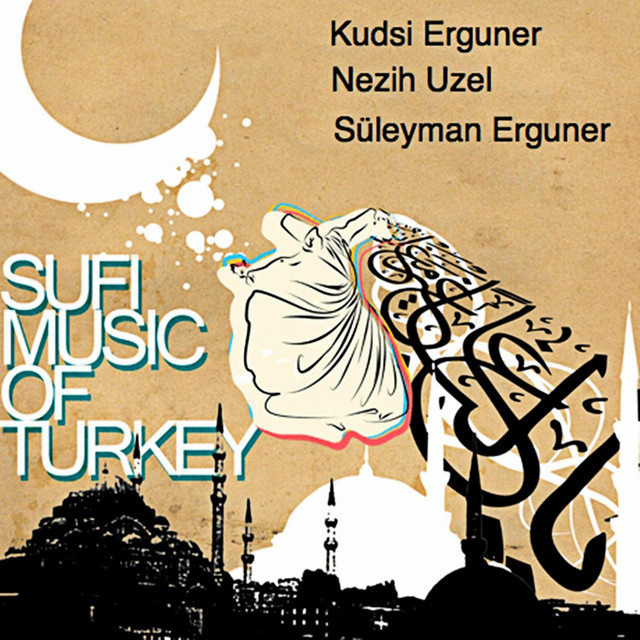
Sufi Music of Turkey
Kudsi Erguner & Süleyman Erguner
Turkish Mevlevi Music
Islamic Religious Music & Recitation
Turkish Classical
Similar artists
2
/5
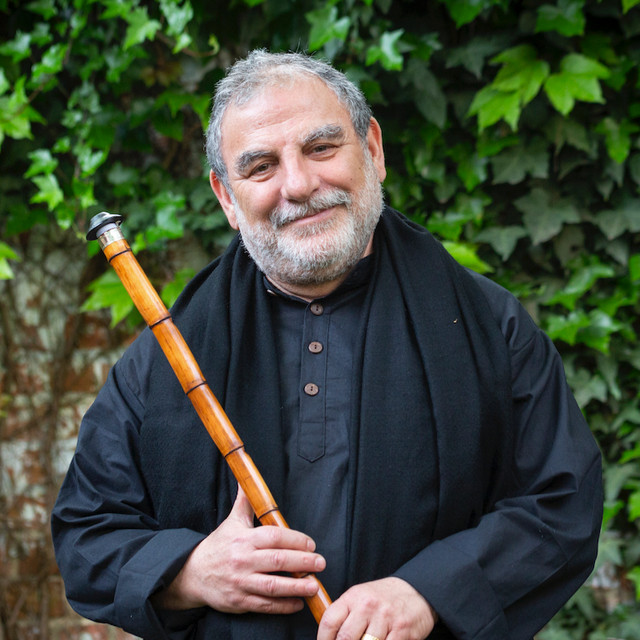
Kudsi Erguner
Sufi
Turkish Classical
Turkish Mevlevi Music
1
/5
Galata Mevlevi Music and Sema Ensemble
Sufi
Traditional Folk
Traditional Music
2
/5
Sufi Music Ensemble
Sufi
Traditional Music
Turkish Mevlevi Music
3
/5
Omar Faruk Tekbilek
Arabic Jazz
Sufi
New Age
2
/5
Hossein Alizadeh
Sufi
Traditional Folk
Traditional Music
2
/5
Eduardo Paniagua
Medieval
Medieval Lyric Poetry
Spanish Classical Music
1
/5
Hamavayan Ensemble
Sufi
Traditional Folk
Traditional Music
1
/5
Ensemble Bîrûn
Sufi
Traditional Folk
Traditional Music
1
/5
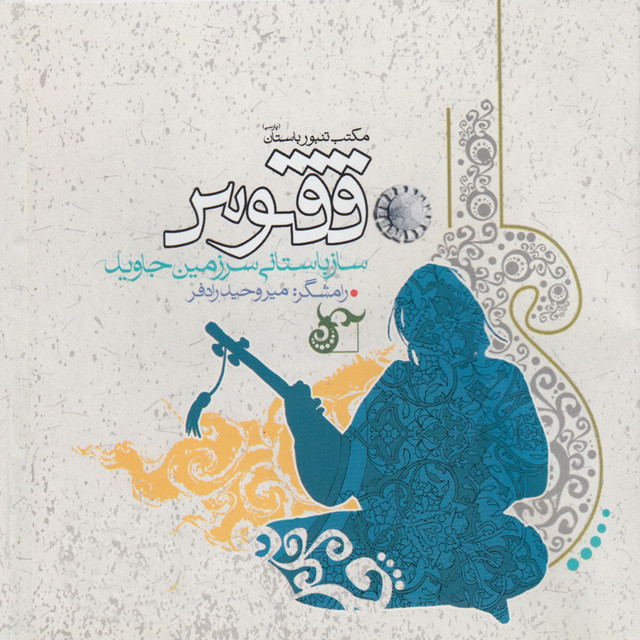
Mir Vahid Radfar
Sufi
Traditional Folk
Traditional Music
1
/5
Razbar Ensemble
Sufi
Traditional Folk
Traditional Music
Download our mobile app
Get the Melodigging app and start digging for new genres on the go
Download on the App Store
Get it on Google Play
© 2026 Melodigging
Give feedback
Legal
Melodding was created as a tribute to
Every Noise at Once
, which inspired us to help curious minds keep digging into music's ever-evolving genres.