Genres
Artists
Albums
Make Music
Sign in
Sign in
Artists
Afrobeat
Artists
Afrobeat
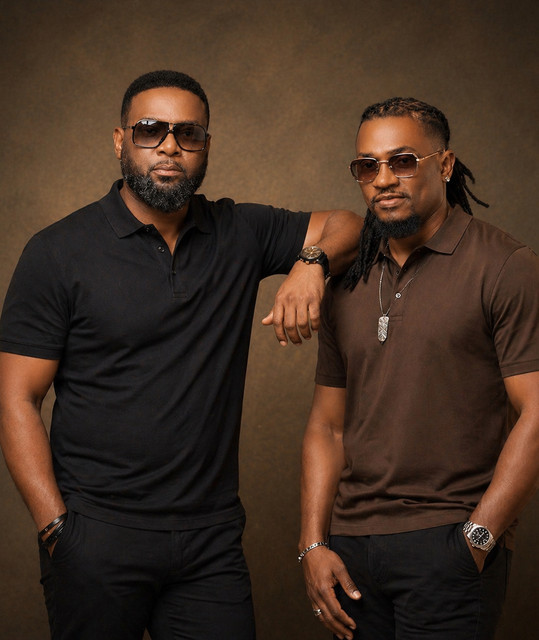
Styl-Plus
2006
·
1 album
Listen
3
/5
Genres
Afropiano
Afropiano is a contemporary fusion that marries the songwriting, vocal phrasing, and rhythmic sensibilities of West African Afrobeats with the deep, percussive textures of South Africa’s Amapiano. It retains Amapiano’s signature log drum bass, shaker-led swing, and soulful pads, while adopting Afrobeats’ catchy hooks, call-and-response choruses, and concise, radio-friendly structures. The result is a warm, dance-floor-oriented sound with mid-tempo grooves, plush jazz/house harmonies, and lyrics that often blend English, Nigerian Pidgin, and local languages.
Discover
Listen
Afrobeats
Afrobeats (plural) is a contemporary West African pop umbrella that blends indigenous Nigerian and Ghanaian rhythms with global Black music—especially dancehall, hip hop, R&B, and highlife. Typical tracks sit in the mid‑tempo 95–115 BPM range and feature syncopated, polyrhythmic drum programming (shakers, rimshots, congas, talking drum), rubbery sub‑bass lines, bright synths, and guitar licks that recall highlife. Vocals are melodic and hook‑driven, often delivered in a fluid mix of English, Nigerian Pidgin, Yoruba, Twi, or other local languages, with call‑and‑response refrains tailored for dance floors. Distinct from Fela Kuti’s Afrobeat (singular), Afrobeats prioritizes songcraft, club‑ready grooves, and pop structures. It travels easily across diasporas, seamlessly absorbing UK club influences and Caribbean cadence while maintaining unmistakably West African rhythmic DNA.
Discover
Listen
Azonto
Azonto is a contemporary Ghanaian dance-music style built for parties, street performances, and viral choreography. Emerging in the early 2010s, it matches swaggering, humorous dance moves with catchy call-and-response hooks and MC-led verses. Musically, Azonto sits on a bright, syncopated 4/4 groove—often between 105–130 BPM—with crisp handclaps, off‑beat hi‑hats, bouncing kick patterns, and short melodic riffs from synths, bell/mallet tones, or plucks. Harmony is usually minimal (two to four repeating chords), keeping the spotlight on rhythm, energy, and vocal interplay. Lyrics blend Twi, Ga, and Ghanaian Pidgin with English, and celebrate fashion, flirtation, everyday jokes, and local slang. The genre rose with dance challenges and YouTube-era virality, helping push West African pop into UK and global club culture. Signature tracks include Sarkodie & E.L.’s “U Go Kill Me,” Fuse ODG’s “Azonto” and “Antenna,” Castro’s “Azonto Fiesta,” and Gasmilla’s “Aboodatoi.”
Discover
Listen
Hiplife
Hiplife is a Ghanaian fusion of classic highlife rhythms and melodies with hip hop’s rapped delivery, drum programming, and sampling aesthetics. Built around mid‑tempo grooves, hiplife typically marries syncopated, guitar-led highlife riffs and horn stabs with hip hop drum patterns, dancehall energy, and catchy R&B‑style hooks. Artists rap predominantly in Ghanaian languages (Twi, Ga, Ewe) and Ghanaian Pidgin English, foregrounding local idioms, humor, social commentary, and storytelling. The result is a vibrant, dance‑forward urban pop sound that remains unmistakably Ghanaian while being fully conversant with global rap and Caribbean diasporic styles.
Discover
Listen
Naija Old School
Naija old school refers to the foundational wave of modern Nigerian popular music that flourished from the 1980s through the mid‑2000s, before the global breakout of 2010s “Afrobeats.” Blending local styles such as juju, fuji, and highlife’s guitar idioms with reggae, dancehall, R&B, hip hop, and synth‑driven pop, Naija old school established the sound palette, songwriting tropes, and performance aesthetics that later generations would globalize. Lyrically it moves fluidly between Nigerian Pidgin, Yoruba, Igbo, and English, emphasizing romance, social commentary, playful wordplay, and feel‑good party themes. Rhythmically, it favors syncopated 4/4 grooves, lilting shuffles, shekere and conga textures, and bright palm‑wine/juju guitar filigree over drum‑machine backbeats. The era’s producers, independent labels, and urban performance circuits crafted a distinctly Nigerian pop sensibility—hook‑forward songs, call‑and‑response choruses, and mid‑tempo danceability—that became the template for contemporary West African pop.
Discover
Listen
Afrobeat
Afrobeat is a horn-driven, polyrhythmic, and politically charged style that emerged in Nigeria, spearheaded by bandleader Fela Kuti and drummer Tony Allen. It fuses West African highlife and juju with American funk, jazz, and soul to create extended, hypnotic grooves. Typical tracks revolve around interlocking guitar and keyboard ostinatos, elastic bass vamps, dense percussion (shekere, congas, agogô, cowbell), and tightly arranged horn riffs that punctuate the beat. Vocals often use call-and-response and socially conscious lyrics, delivered in English, Nigerian Pidgin, or Yoruba. Harmonically sparse but rhythmically intricate, Afrobeat prioritizes feel: long, evolving arrangements, richly syncopated drum patterns, and sectional dynamics that spotlight solos and collective interplay.
Discover
Listen
Albums
2006
Expressions
Styl-Plus
Naija Old School
Similar artists
2
/5
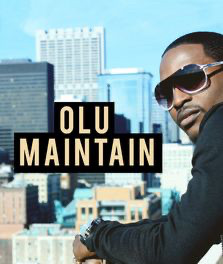
Olu Maintain
Afrobeat
Afrobeats
Azonto
3
/5
Duncan Mighty
Afrobeat
Afrobeats
Afropop
4
/5
Davido
Ghanaian Hip Hop
Hiplife
Azontobeats
4
/5
Kizz Daniel
Azontobeats
Hiplife
Azonto
4
/5
Phyno
Highlife
Afropop
Hiplife
4
/5
Runtown
Hiplife
Afropop
Alté
4
/5
Mayorkun
Hiplife
Azonto
Afrobeat
4
/5
Mr Eazi
Ghanaian Hip Hop
Dancehall
Hiplife
4
/5
DopeNation
Amapiano
Ghanaian Hip Hop
Hiplife
4
/5
King Promise
Highlife
Hiplife
Azonto
Download our mobile app
Get the Melodigging app and start digging for new genres on the go
Download on the App Store
Get it on Google Play
© 2026 Melodigging
Give feedback
Legal
Melodding was created as a tribute to
Every Noise at Once
, which inspired us to help curious minds keep digging into music's ever-evolving genres.