Genres
Artists
Albums
Make Music
Sign in
Sign in
Artists
Blues
Artists
Blues
Spann, Otis
1992
·
1 album
Listen
Genres
Chicago Blues
Chicago blues is an electrified, urban form of the blues that took root on Chicago’s South and West Sides during the Great Migration. Built on the 12‑bar blues and I–IV–V harmony, it is marked by amplified guitar, amplified harmonica ("harp"), piano, bass, and drum kit, with a swinging shuffle feel and a strong backbeat. Riffs, call‑and‑response between voice and lead instruments, and terse, memorable hooks are central. Lyrically, Chicago blues pivots from rural imagery to city life—work, love, nightlife, tough luck, and resilience—delivered with grit, wit, and emotional directness. The sound is raw yet powerful, merging Delta roots with urban rhythm sections and studio production that foregrounds groove and bite.
Discover
Listen
Piano Blues
Piano blues is a blues tradition centered on solo piano performance, where the instrument carries both rhythm-section drive and melodic lead. It fuses ragtime’s syncopation, early jazz phrasing, and the 12‑bar blues form into a percussive, highly expressive style. Hallmarks include steady left‑hand patterns (walking tenths, stride figures, broken octaves, and boogie ostinatos) supporting right‑hand riffs built from the blues scale, blue notes, crushed grace notes, tremolos, and call‑and‑response motifs. It flourished in saloons, rent parties, theaters, and recording studios, giving rise to regional approaches like Chicago’s understated, swinging shuffle and New Orleans’ rolling, rhumba‑tinged feel. Closely related to barrelhouse and boogie‑woogie, piano blues underpins much of later American popular music, feeding directly into jump blues, early R&B, rock and roll, and rockabilly.
Discover
Listen
Blues
Blues is an African American musical tradition defined by expressive "blue notes," call-and-response phrasing, and a characteristic use of dominant-seventh harmony in cyclical song forms (most famously the 12‑bar blues). It is as much a feeling as a form, conveying sorrow, resilience, humor, and hard-won joy. Musically, blues commonly employs the I–IV–V progression, swung or shuffled rhythms, and the AAB lyric stanza. Melodies lean on the minor/major third ambiguity and the flattened fifth and seventh degrees. Core instruments include voice, guitar (acoustic or electric), harmonica, piano, bass, and drums, with slide guitar, bends, and vocal melismas as signature techniques. Over time the blues has diversified into regional and stylistic currents—Delta and Piedmont country blues, urban Chicago and Texas blues, West Coast jump and boogie-woogie—while profoundly shaping jazz, rhythm & blues, rock and roll, soul, funk, and much of modern popular music.
Discover
Listen
Albums
1992
1
/5
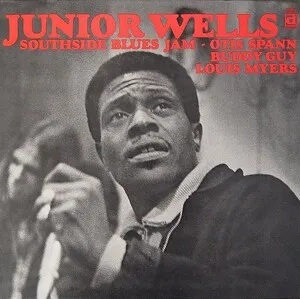
Southside Blues Jam
Junior Wells
Chicago Blues
Blues
Similar artists
2
/5
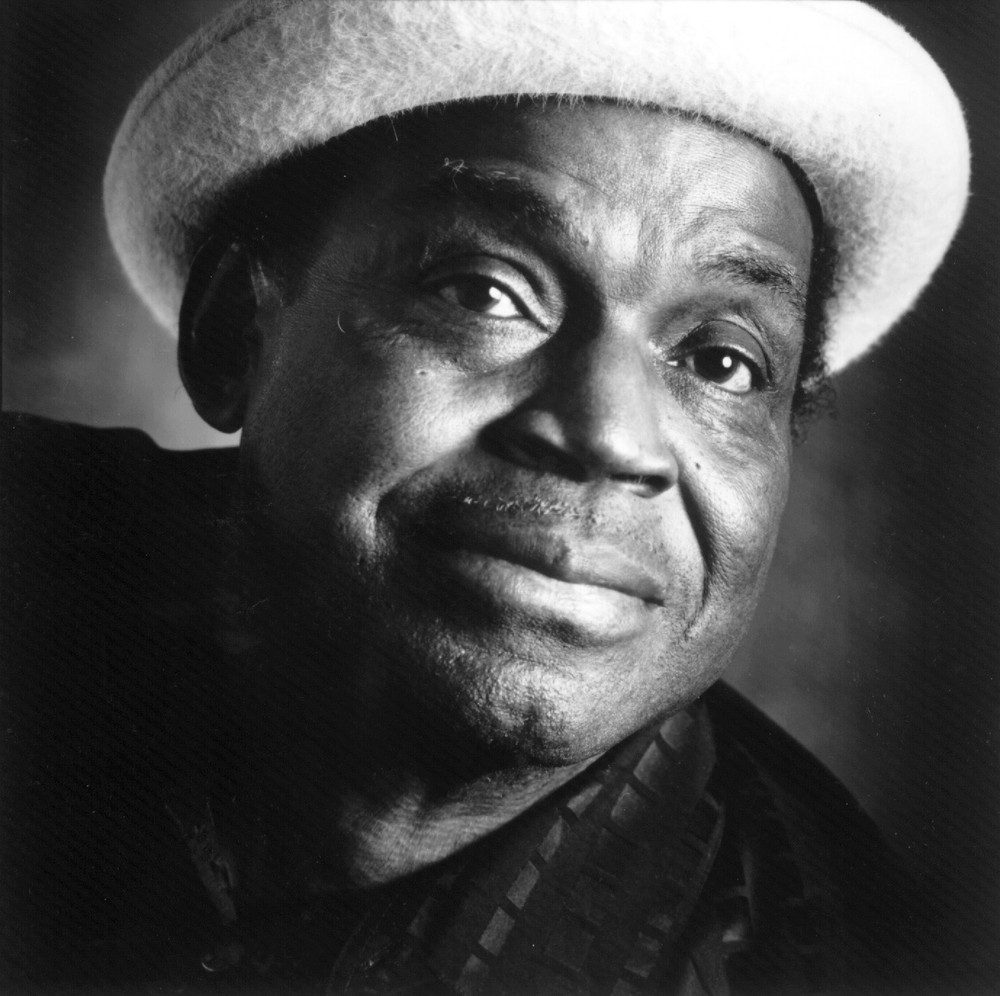
Willie Dixon
Chicago Blues
Jump Blues
Blues
1
/5
Various Artists
Afro-Funk
Alternative Rock
Ambient
2
/5
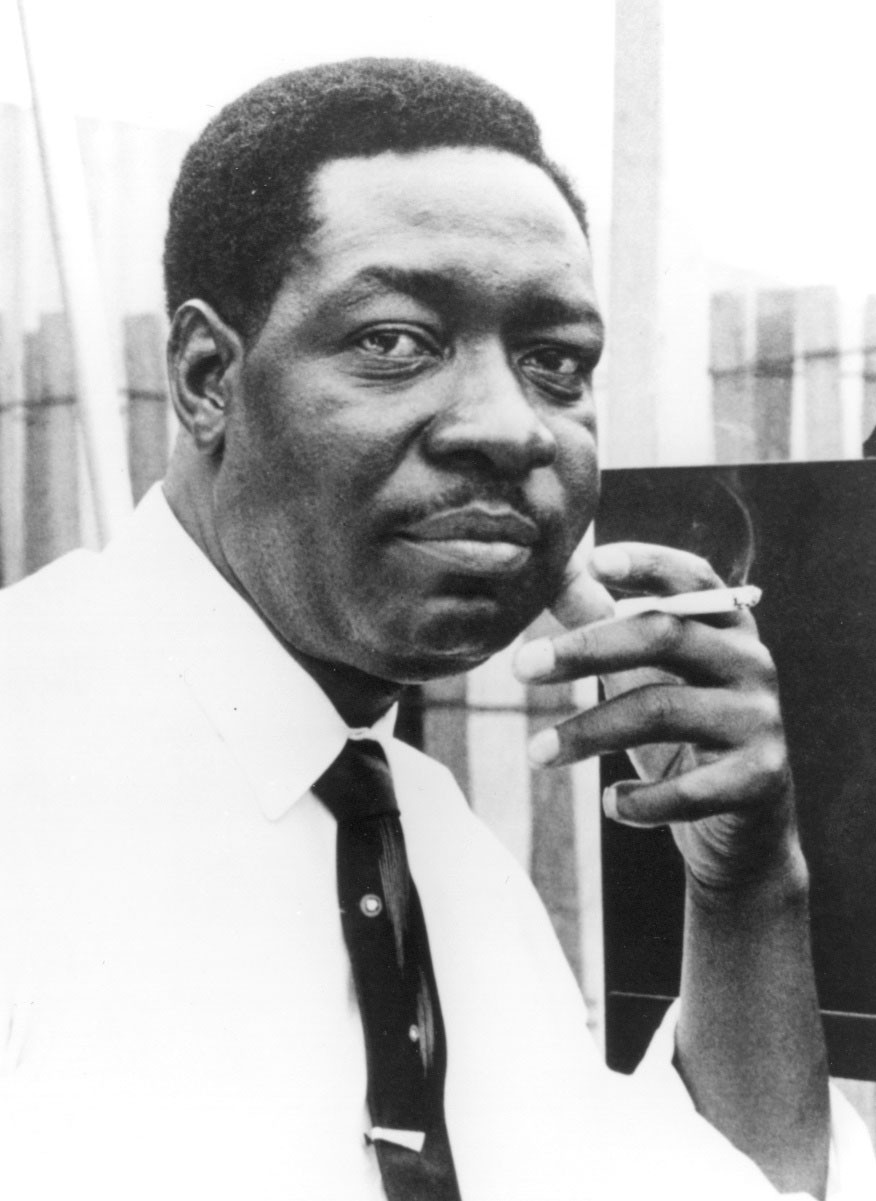
Otis Spann
Piano Blues
Blues
Boogie-Woogie
3
/5
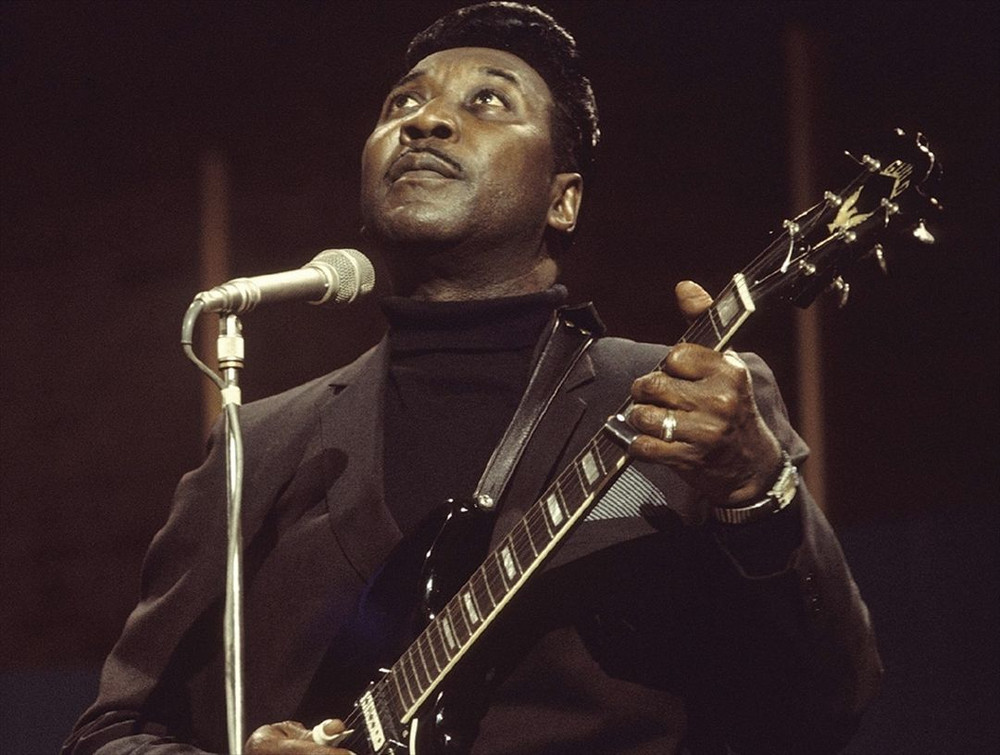
Muddy Waters
Blues
Chicago Blues
Electric Blues
3
/5
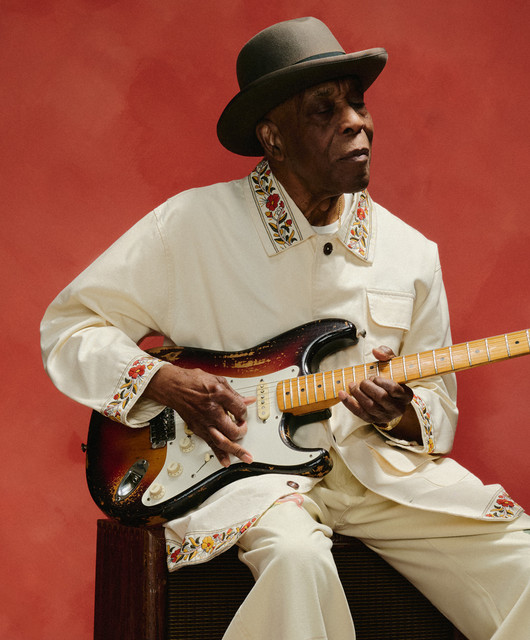
Buddy Guy
Blues
Chicago Blues
Electric Blues
3
/5
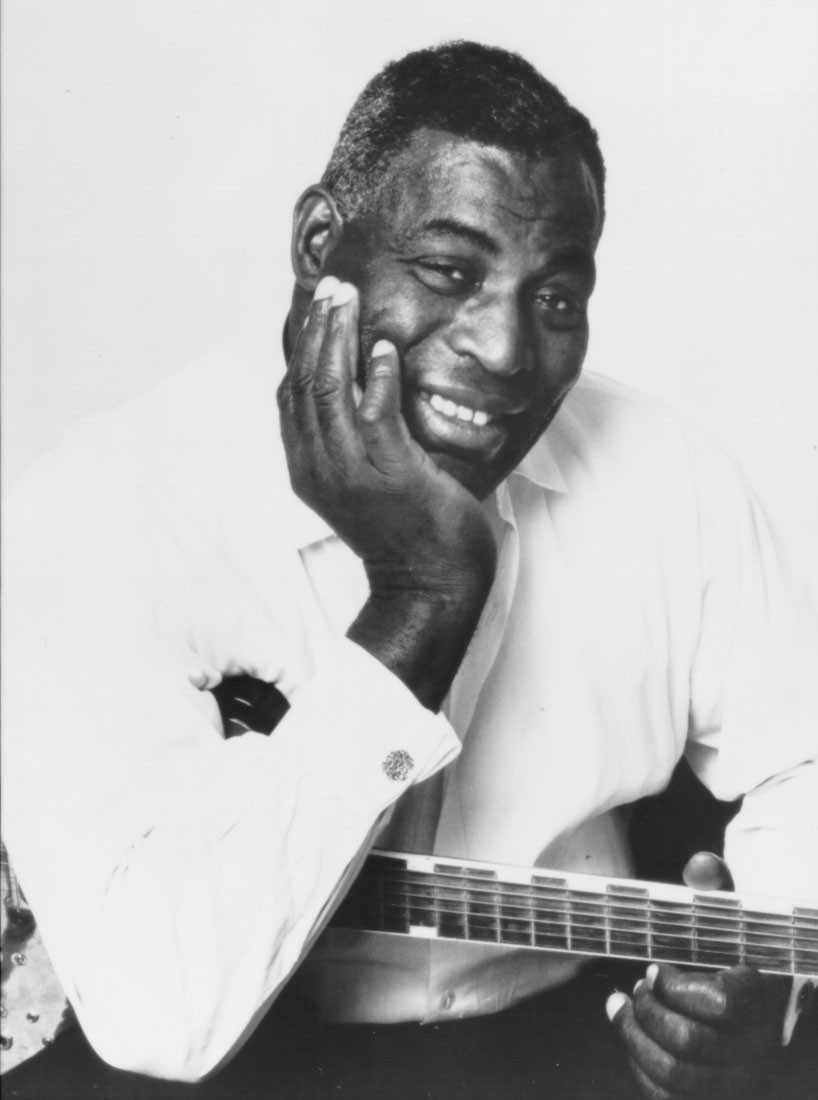
Howlin' Wolf
Blues
Chicago Blues
Delta Blues
3
/5
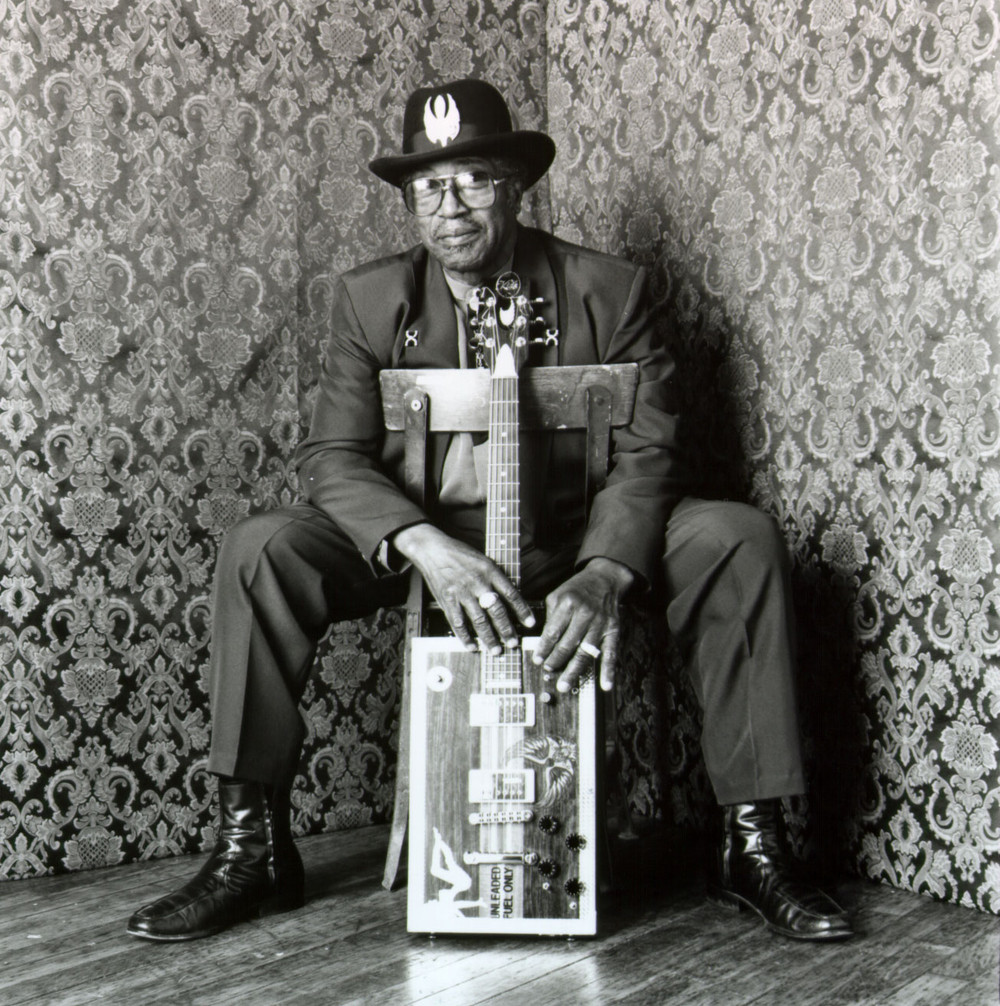
Bo Diddley
Blues
Rock And Roll
Acoustic Blues
3
/5
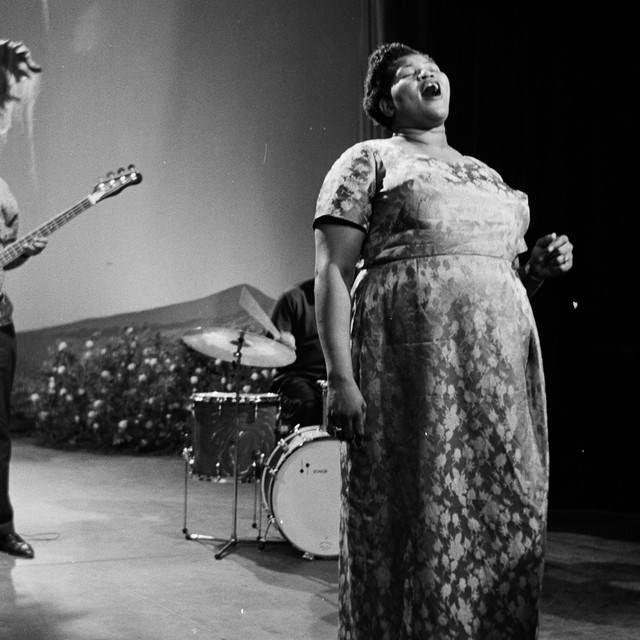
Big Mama Thornton
Blues
Soul Blues
Chicago Blues
2
/5
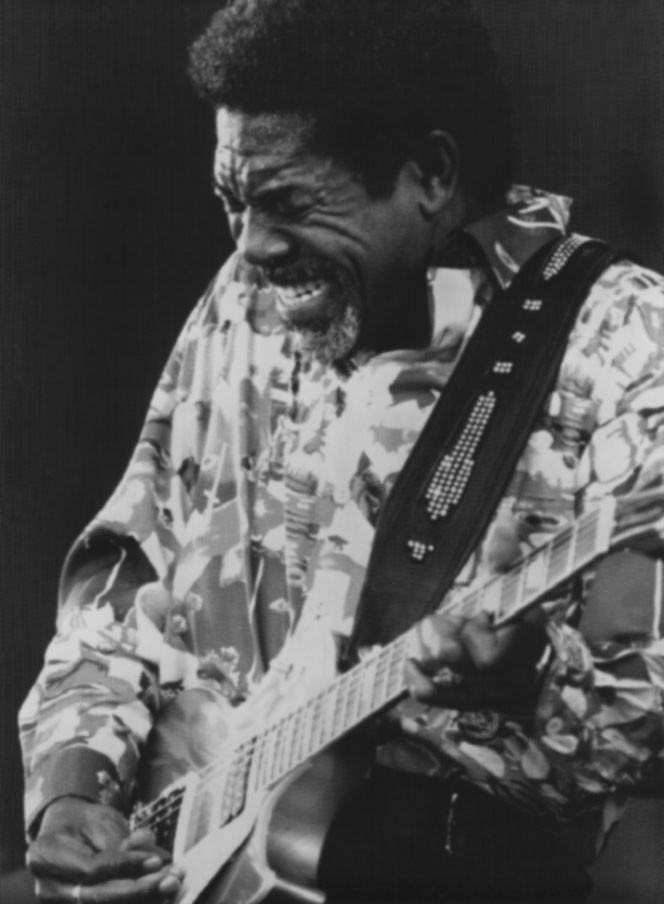
Luther Allison
Blues
Chicago Blues
Blues Rock
2
/5
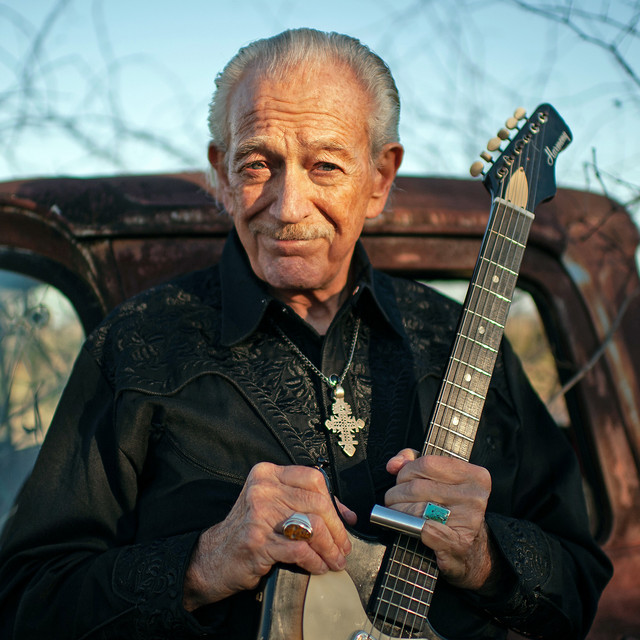
Charlie Musselwhite
Chicago Blues
Blues
Blues Rock
Download our mobile app
Get the Melodigging app and start digging for new genres on the go
Download on the App Store
Get it on Google Play
© 2026 Melodigging
Give feedback
Legal
Melodding was created as a tribute to
Every Noise at Once
, which inspired us to help curious minds keep digging into music's ever-evolving genres.