Genres
Artists
Albums
Make Music
Sign in
Sign in
Artists
Mambo
Artists
Mambo
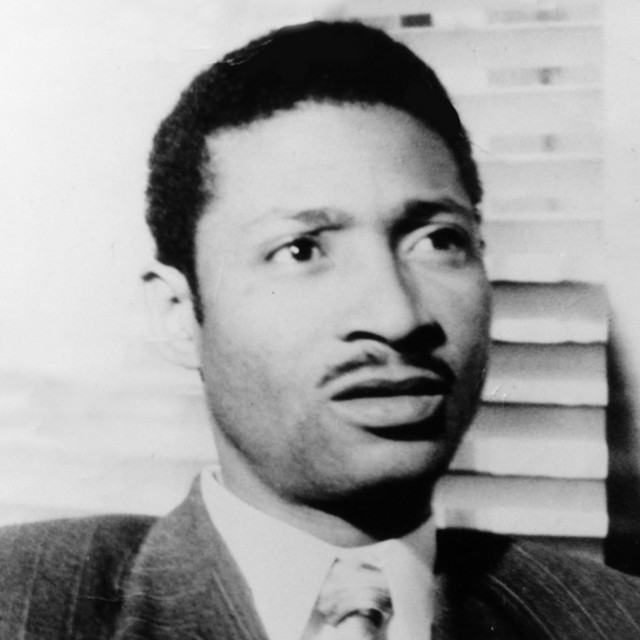
Silvestre Mendez
1 album
Listen
1
/5
Genres
Mambo
Mambo is a Cuban dance music style that crystallized in the late 1930s from danzón and son montuno, then exploded internationally in the 1940s and 1950s. It is characterized by layered syncopations under the Afro‑Cuban clave, driving bass tumbaos, piano montunos, and powerful antiphonal horn riffs known as moñas or "mambo" sections. In its classic big‑band form, mambo blends Cuban rhythmic vocabulary with jazz and swing arranging, featuring trumpets, trombones, and saxophones over a rhythm section of congas, bongos, timbales, cowbell, bass, and piano. The result is high‑energy, riff‑driven music built for social dancing and floor‑filling excitement.
Discover
Listen
Son Cubano
Son cubano is a foundational Cuban genre that fuses Spanish-derived song forms and harmony with Afro-Cuban rhythms and percussion. Born in eastern Cuba (Oriente) and crystallized in Havana in the 1910s–1920s, it became the backbone of much of 20th‑century Latin popular music. Typical ensembles began as sextetos (tres, guitar, bongó, maracas, claves, and bass or marímbula) and later evolved into septetos with trumpet. Conjunto formats in the 1940s added piano, congas, and multiple horns. The music rides a son clave (in 3‑2 or 2‑3 orientation), features interlocking tres guajeos, a walking/tumbao bass that anticipates the downbeat, and call‑and‑response vocals in the montuno section. Harmonically it is rooted in I–IV–V with bluesy dominant sevenths and occasional secondary dominants. Lyrically it balances romance, everyday life, and streetwise wit, always aimed at dancing and social gathering.
Discover
Listen
Santería Music
Santería music (música de la Regla de Ocha/Lucumí) is the sacred Afro‑Cuban repertoire used to venerate the orishas, blending Yoruba religious song and drumming with elements absorbed in colonial Cuba. It is characterized by polyrhythmic ensembles of batá drums (iyá lead drum, itótele, and okónkolo), iron bell (ogán), and beaded gourds (chekeré). Voices are organized in call‑and‑response between a lead singer (akpwón) and a chorus, sung in Lucumí (a Yoruba-derived liturgical language) with occasional Spanish refrains. Melodies are mostly syllabic and narrow in range, prioritizing rhythm, timbre, and ritual text over harmonic development. Performances center on codified rhythmic cycles (toques) and song suites associated with specific deities (e.g., Changó, Yemayá, Ochún, Elegguá, Ogún). In ceremonial contexts, the music serves divination, invocation, and possession trance, while public bembé gatherings and staged folkloric versions adapt the same vocabulary for secular presentation.
Discover
Listen
Albums
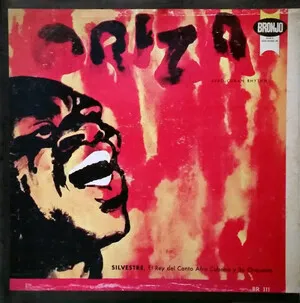
Oriza
Silvestre Méndez
Santería Music
Similar artists
4
/5
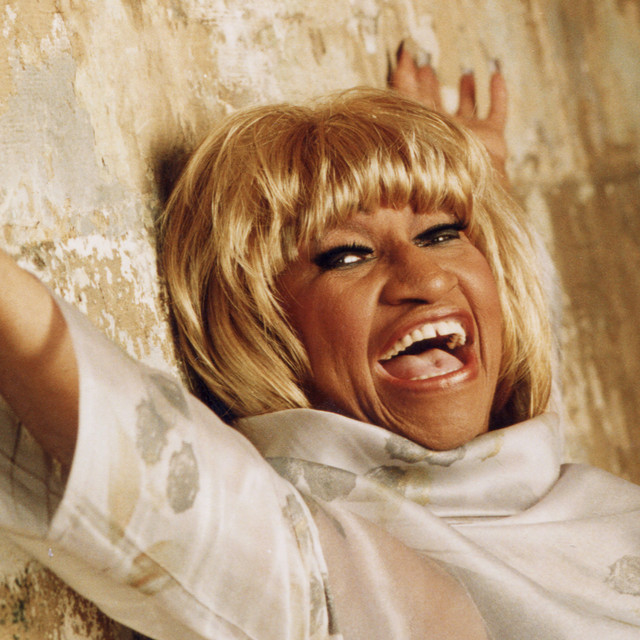
Celia Cruz
Latin Dance
Son Cubano
Mambo
4
/5
La Sonora Matancera
Son Cubano
Guaracha
Bolero
3
/5
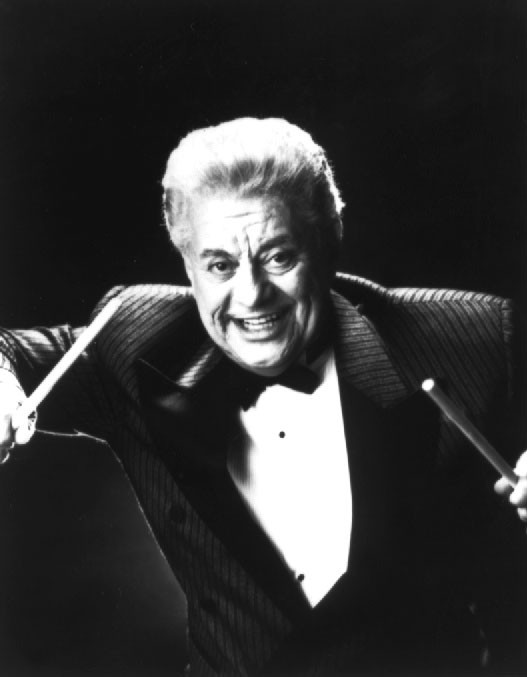
Tito Puente
Mambo
Chachachá
Latin
3
/5
Mongo Santamaria
Rumba Cubana
Boogaloo
Mambo
3
/5
Compay Segundo
Son Cubano
Bolero
Latin Jazz
3
/5
Ray Barretto
Salsa
Latin Jazz
Son Cubano
3
/5
Pérez Prado
Mambo
Space Age Pop
Latin Jazz
3
/5
Joe Cuba Sextet
Boogaloo
Bolero
Chachachá
3
/5
Eddie Palmieri
Salsa
Salsa Dura
Latin Jazz
3
/5
Beny Moré
Son Cubano
Latin Jazz
Son Montuno
Download our mobile app
Get the Melodigging app and start digging for new genres on the go
Download on the App Store
Get it on Google Play
© 2026 Melodigging
Give feedback
Legal
Melodding was created as a tribute to
Every Noise at Once
, which inspired us to help curious minds keep digging into music's ever-evolving genres.