Genres
Artists
Albums
Make Music
Sign in
Sign in
Artists
Son Cubano
Artists
Son Cubano
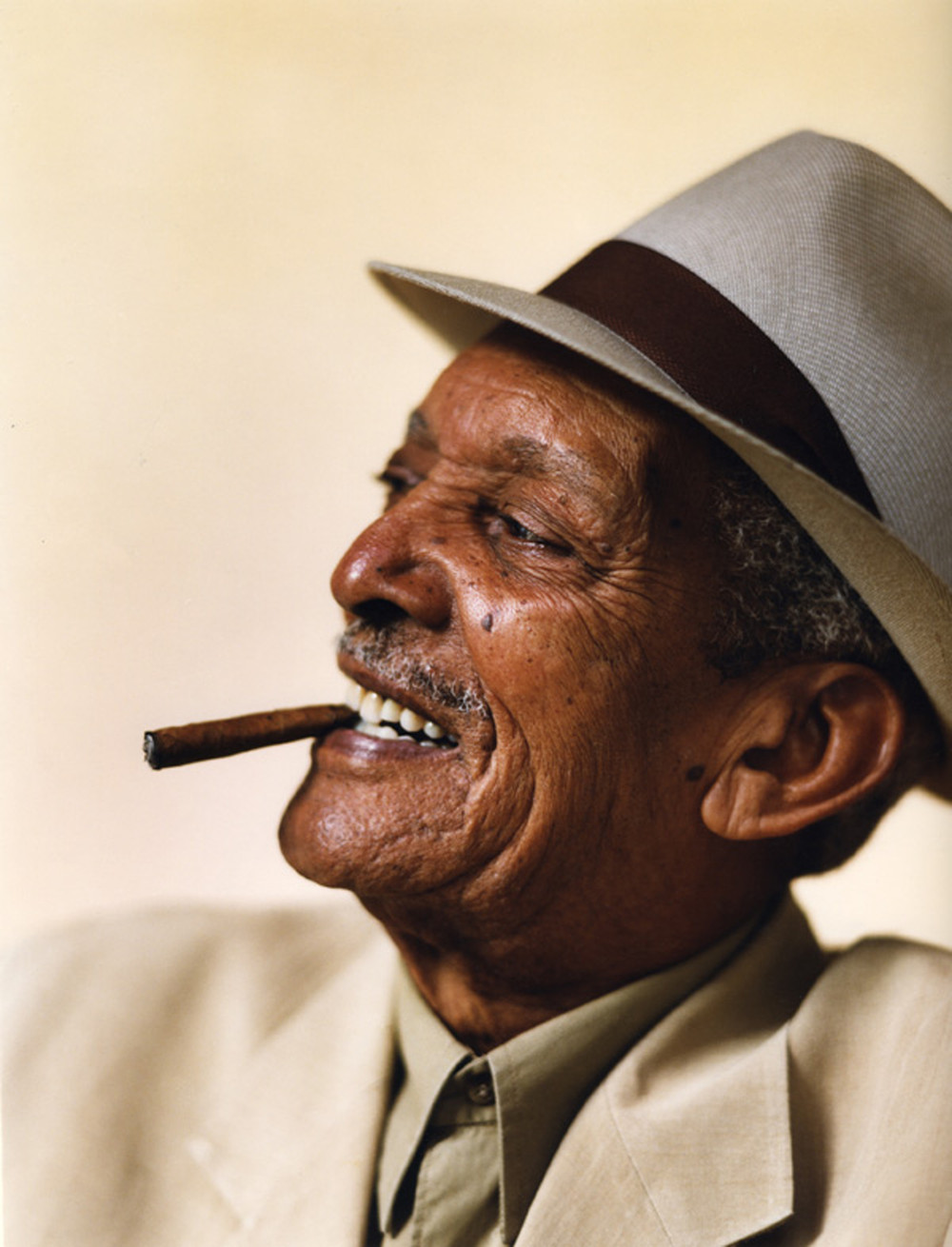
Compay Segundo
1996–2004
·
8 albums
Listen
3
/5
Genres
Reparto
Reparto is a contemporary Cuban urban dance genre that grew out of Havana’s neighborhood (“el reparto”) party circuits. It is built for high-energy street dancing, emphasizing syncopated, loop-based rhythms, shouted hooks, and a raw, percussive low-end that often feels closer to club-ready reggaeton than to traditional Cuban pop. A distinctive trait is the incorporation of Cuban music elements—especially salsa-derived rhythmic language and, in many productions, salsa-like guitar picking patterns that add a bright, montuno-adjacent drive over modern drum programming. Vocals typically alternate between rap-style delivery, call-and-response chants, and catchy repeated slogans designed for crowd participation.
Discover
Listen
Latin Jazz
Latin jazz is a fusion of jazz harmony and improvisation with Afro–Latin American rhythms, song forms, and percussion. It combines the swing, bebop, and big-band traditions with clave-based grooves such as son, rumba, danzón, and mambo, and later integrates Brazilian feels like samba and bossa nova. Typical features include the use of the clave (2–3 or 3–2), piano montunos (guajeos), bass tumbao patterns, timbales cáscara, conga marcha, and call-and-response horn "mambo" figures. While the rhythm section locks into cyclical patterns, soloists improvise using the vocabulary of jazz, creating music that is both danceable and harmonically rich.
Discover
Listen
Mambo
Mambo is a Cuban dance music style that crystallized in the late 1930s from danzón and son montuno, then exploded internationally in the 1940s and 1950s. It is characterized by layered syncopations under the Afro‑Cuban clave, driving bass tumbaos, piano montunos, and powerful antiphonal horn riffs known as moñas or "mambo" sections. In its classic big‑band form, mambo blends Cuban rhythmic vocabulary with jazz and swing arranging, featuring trumpets, trombones, and saxophones over a rhythm section of congas, bongos, timbales, cowbell, bass, and piano. The result is high‑energy, riff‑driven music built for social dancing and floor‑filling excitement.
Discover
Listen
Bolero Son
Bolero son is a Cuban hybrid that fuses the romantic lyricism and tender tempo of the bolero with the syncopated groove and clave logic of the son cubano. It keeps the intimate, heartfelt storytelling of the bolero but situates it in a son ensemble, using tres or guitar guajeos, anticipated bass tumbao, and the son clave to propel a gentle yet danceable sway. Compared to a straight bolero, bolero son is more rhythmically elastic and syncopated; compared to son cubano, it is slower, smoother, and more focused on melodic phrasing and sentiment. Classic songs like “Lágrimas Negras” epitomize the style: a lament set over a supple son groove that invites both listening and close dancing.
Discover
Listen
Son Cubano
Son cubano is a foundational Cuban genre that fuses Spanish-derived song forms and harmony with Afro-Cuban rhythms and percussion. Born in eastern Cuba (Oriente) and crystallized in Havana in the 1910s–1920s, it became the backbone of much of 20th‑century Latin popular music. Typical ensembles began as sextetos (tres, guitar, bongó, maracas, claves, and bass or marímbula) and later evolved into septetos with trumpet. Conjunto formats in the 1940s added piano, congas, and multiple horns. The music rides a son clave (in 3‑2 or 2‑3 orientation), features interlocking tres guajeos, a walking/tumbao bass that anticipates the downbeat, and call‑and‑response vocals in the montuno section. Harmonically it is rooted in I–IV–V with bluesy dominant sevenths and occasional secondary dominants. Lyrically it balances romance, everyday life, and streetwise wit, always aimed at dancing and social gathering.
Discover
Listen
Guajira
Guajira is a Cuban song genre with rural, pastoral imagery, derived from the countryside verse-singing tradition known as punto cubano and formalized at the turn of the 20th century. Musically, it favors a lilting, moderate tempo with habanera/tresillo undercurrents, clear major-key harmonies, and lyrical, narrative melodies often set to décimas (ten-line stanzas). Its texts nostalgically portray the guajiro (rural farmer), love, nature, and everyday country life. Historically, a related rhythmic and thematic idea travelled to Spain in the 18th–19th centuries as “punto de La Habana,” entering flamenco as the palo called guajira. In Cuba, the genre was codified in urban theater and zarzuela; Jorge Anckermann’s 1899 song “El arroyo que murmura” is widely cited as the first Cuban guajira and became a template for later works. Over the 20th century the guajira intersected with son, producing the popular hybrid guajira-son and standards such as “Guantanamera.”
Discover
Listen
Trova
Trova is a Cuban singer‑songwriter tradition that emerged in the late 19th century, centered on itinerant guitar‑accompanied vocalists who composed and performed their own songs. Characterized by intimate, lyrical delivery and refined guitar accompaniment, trova blends Spanish poetic songcraft with Cuban rhythmic sensibilities (notably the habanera pulse). Themes commonly include love, longing, social observation, and patriotic sentiment, often presented in strophic forms suitable for serenades or small gatherings. The tradition laid the groundwork for Cuban bolero and later songwriter movements, preserving a focus on melody, poetic text, and expressive, ornamented vocal lines.
Discover
Listen
Guaracha
Guaracha is a fast‑paced Cuban song–dance genre known for witty, satirical, and often picaresque lyrics delivered over a driving Afro‑Cuban groove. It typically uses the son clave (in 2–3 or 3–2 orientation), call‑and‑response coros, and a lively montuno section that invites dance and audience participation. Originally tied to popular and comic theater, guaracha later became a staple of Cuban conjuntos and charangas, and it survives in the salsa repertoire as a label for brisk, upbeat numbers. Instrumentation commonly includes voice(s), guitar or tres, bass, bongó, maracas, claves, and often trumpets or charanga flute/violins. Harmonies are straightforward and bright (major keys, I–IV–V with frequent secondary dominants), while the rhythmic feel is relentlessly syncopated and festive. The term should not be confused with modern "guaracha edm" (a separate, contemporary club style); historical Cuban guaracha is a distinct traditional genre with roots in 19th‑century Havana and theatrical culture.
Discover
Listen
Cuban Music
Cuban music is the rich, syncretic musical tradition of Cuba, shaped by the meeting of Spanish/European song forms and West/Central African rhythms. Its heartbeat is the clave—a two-measure rhythmic cell (3–2 or 2–3) that organizes percussion, melody, and harmony across styles. From the contradanza and habanera of the 19th century to danzón, rumba, and son cubano in the early 20th century—and later mambo, cha-cha-chá, nueva trova, songo, and timba—Cuban music has continually reinvented itself while retaining its core Afro‑Cuban rhythmic language. Typical instruments include the tres (Cuban guitar), bongó, congas, timbales, güiro, maracas, cowbell, bass, piano (playing guajeos/montunos), and bright horn sections. Beyond the island, Cuban music has profoundly influenced global popular music—fueling the rise of salsa and Latin jazz and reshaping dance music worldwide—while continuing to honor deep connections to Yoruba/Lukumí religious drumming and Spanish lyrical traditions.
Discover
Listen
Bolero
Bolero is both a Spanish dance-music form from the late 18th century and, later, a Cuban song style from the late 19th century. The Spanish bolero emerged as a moderately slow solo or partner dance in 3/4 time, shaped by Andalusian song-dance traditions. It typically features guitar accompaniment and castanets, and its sung texts often follow the seguidilla stanza pattern. In Cuba, bolero evolved into a romantic ballad—most often in 2/4 (later also felt in 4/4)—performed by singers, trios, and salon ensembles. Cuban bolero emphasizes intimate, lyrical melodies, guitar-led accompaniment (often with requinto), and gentle Afro-Caribbean rhythmic undercurrents (habanera feel, soft bongo, claves), becoming one of Latin America’s quintessential love-song forms.
Discover
Listen
Show all 10 genres
Albums
2004
3
/5
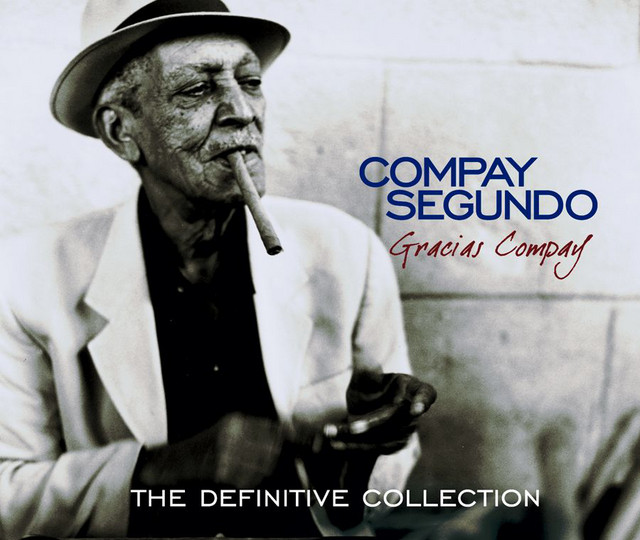
Gracias Compay (The Definitive Collection)
Compay Segundo
Latin Jazz
2000
3
/5
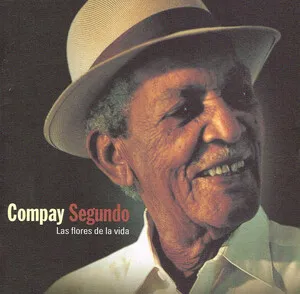
Las flores de la vida
Compay Segundo
Guaracha
Son Cubano
Bolero
1999
2
/5
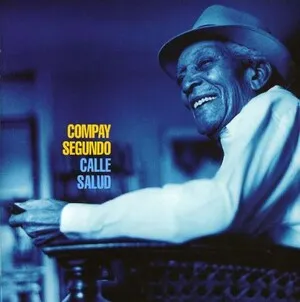
Calle Salud
Compay Segundo
Guaracha
Son Cubano
Bolero
1996
3
/5
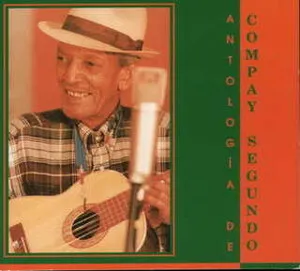
Antologia
Compay Segundo
Guajira
1996
3
/5
Yo vengo aquí
Compay Segundo
Son Cubano
Cuban Music
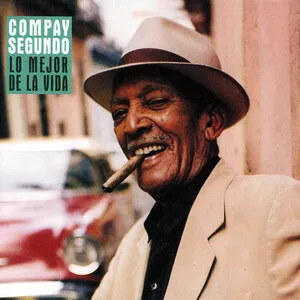
Lo mejor de la vida
Compay Segundo
Bolero
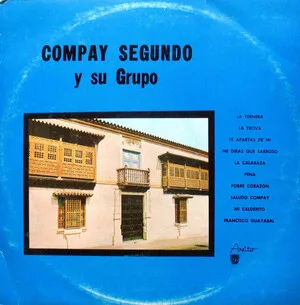
Compay Segundo y Su Grupo
Compay Segundo
Bolero Son
Lo mejor de la vida
Compay Segundo
Son Cubano
Similar artists
2
/5
Miguelito Valdés
Bolero
Guaracha
Latin Jazz
1
/5
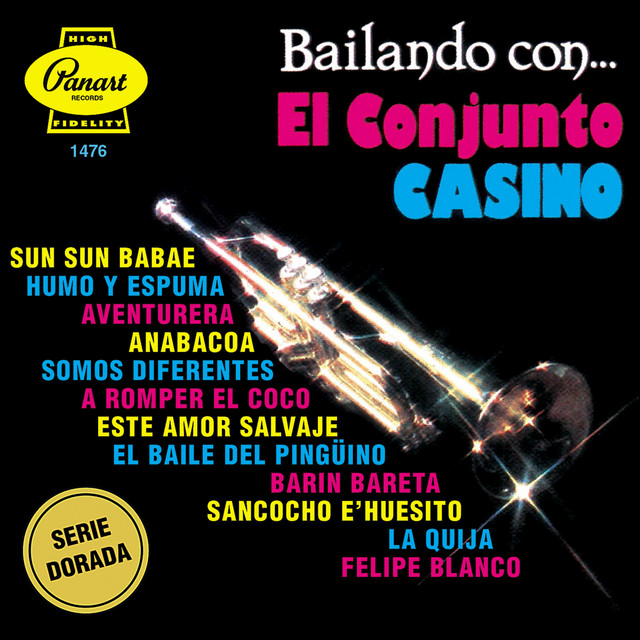
Conjunto Casino
Bolero
Chachachá
Exotica
4
/5
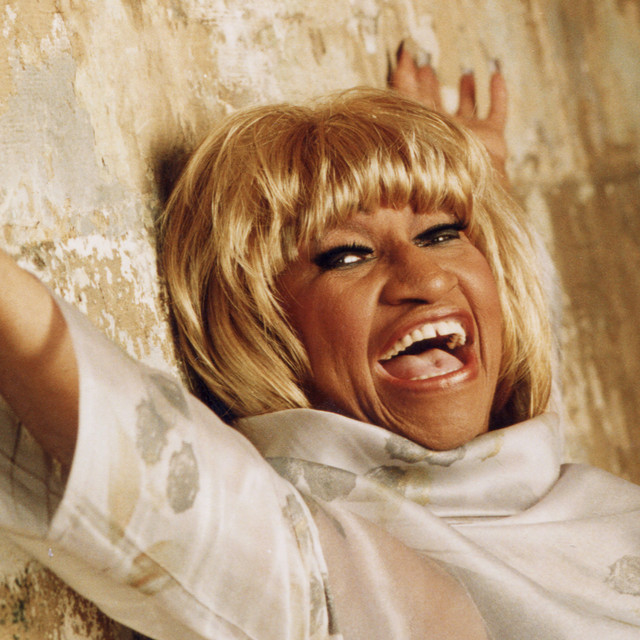
Celia Cruz
Latin Dance
Son Cubano
Mambo
3
/5
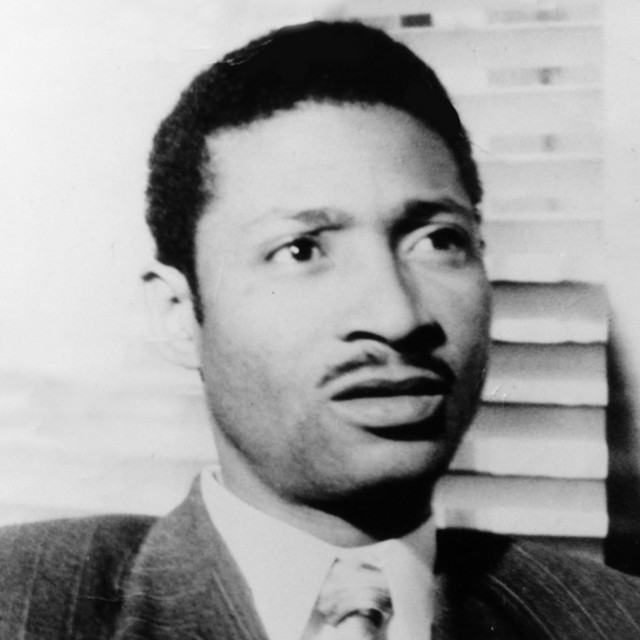
Beny Moré
Son Cubano
Latin Jazz
Son Montuno
3
/5
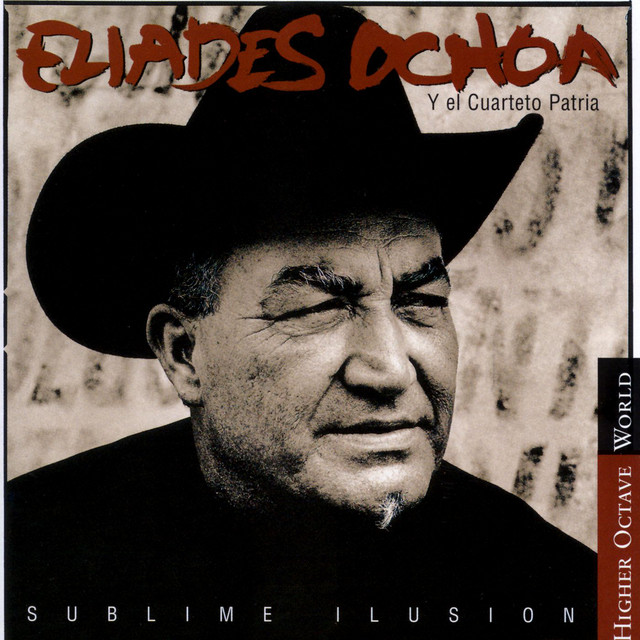
Cuarteto Patria
Bolero
Son Cubano
Latin Jazz
4
/5
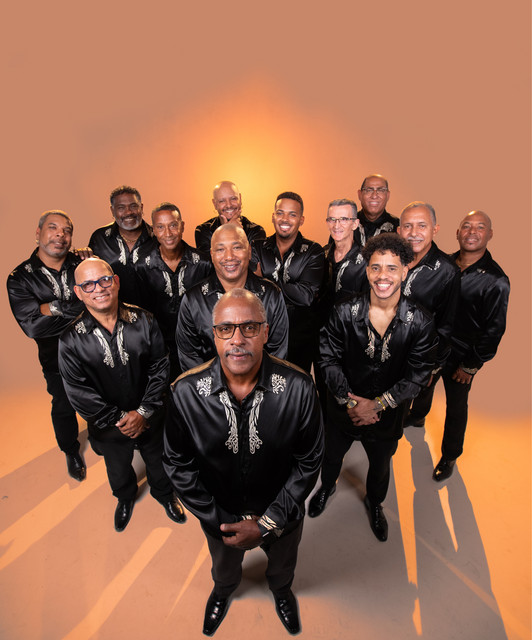
La Sonora Matancera
Son Cubano
Guaracha
Bolero
3
/5
Orquesta Aragón
Chachachá
Charanga
Danzón
2
/5
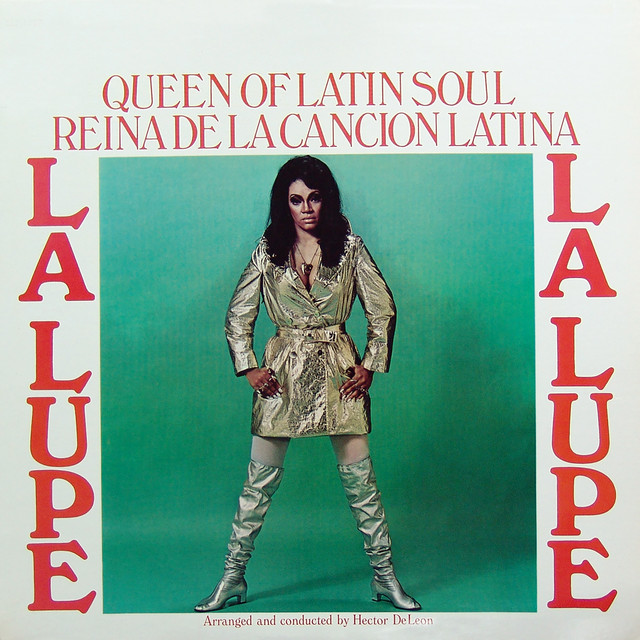
La Lupe
Bolero
Mambo
Latin Soul
3
/5
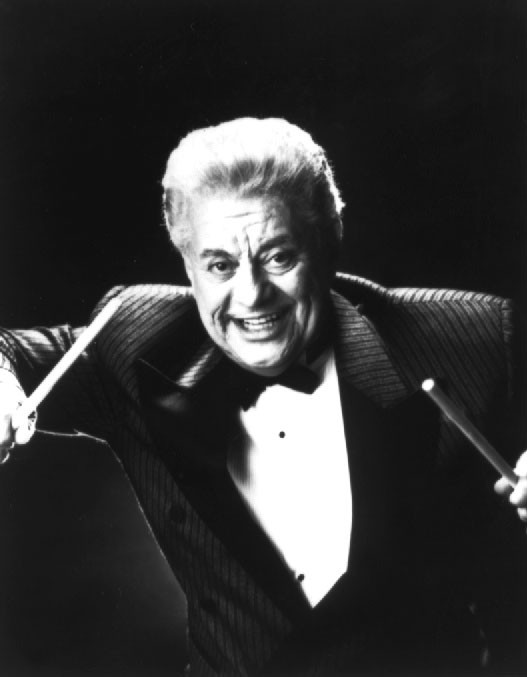
Tito Puente
Mambo
Chachachá
Latin
3
/5
Eddie Palmieri
Salsa
Salsa Dura
Latin Jazz
Download our mobile app
Get the Melodigging app and start digging for new genres on the go
Download on the App Store
Get it on Google Play
© 2026 Melodigging
Give feedback
Legal
Melodding was created as a tribute to
Every Noise at Once
, which inspired us to help curious minds keep digging into music's ever-evolving genres.