Genres
Artists
Albums
Make Music
Sign in
Sign in
Artists
Japanese Classical
Artists
Japanese Classical
Shanghai Virtuosi
1992
·
1 album
Listen
1
/5
Genres
Traditional Music
Traditional music is an umbrella term used in the mid–20th century by folklorists and ethnomusicologists to denote community-rooted, orally transmitted repertoires tied to social ritual, work, celebration, and storytelling. Unlike commercial pop or art-music traditions, traditional music is typically learned by ear, varies regionally, and evolves slowly through communal participation. It often features modal melodies, cyclic rhythms, heterophony or unison singing, and indigenous instruments whose timbres are integral to local identity. Lyrics tend to preserve language, history, and collective memory. While the musical practices themselves can be ancient, the phrase “traditional music” emerged to replace earlier, narrower or colonial framings like “folk” or “ethnic” music, foregrounding continuity, locality, and living practice rather than exoticism.
Discover
Listen
Japanese Classical
Japanese classical refers to the courtly, religious, theatrical, and chamber traditions that crystallized in Japan from the Nara and Heian periods onward. It encompasses Gagaku (imperial court music), Shinto ritual music (kagura), Buddhist chant (shōmyō), Noh and Kabuki repertories (e.g., nagauta, jōruri), and chamber music for koto, shamisen, and shakuhachi (sankyoku). The style emphasizes modal color (ryō and ritsu modes, along with later in/yo pentatonic variants), the dramatic architecture of jo–ha–kyū (slow introduction, development, swift conclusion), and the aesthetic of ma (meaningful silence/space). Textures are often heterophonic or layered, timbres are cultivated for breathy, reedy, and bell-like colors (e.g., shō, hichiriki, ryūteki), and rhythm can range from free-flowing chant to stately ceremonial cycles. The result is a contemplative yet ceremonially powerful sound world distinct from Western common-practice tonality.
Discover
Listen
Dizi
Dizi is the Chinese transverse bamboo flute family whose hallmark sound comes from a thin reed membrane (dimo) affixed over a special hole (mo-kong), adding a bright, reedy buzz to the tone. There are several common sizes and types: the high, penetrating bangdi (favored in northern opera and folk styles), the mellower, lower qudi (central to southern silk‑and‑bamboo traditions), the xindi (without membrane, for chromatic repertoire), and the tiny, brilliant koudi. Typical range spans about two to two‑and‑a‑half octaves, with extensive use of finger vibrato, pitch bends, mordents, flutter‑tongue, grace‑note clusters, rapid tonguing, and circular breathing. Dizi repertoire appears solo, in chamber silk‑and‑bamboo ensembles (sizhu), and as a principal color in the modern Chinese orchestra. Its music draws on Chinese modal practice (gong, shang, jue, zhi, yu), pentatonic and heptatonic scales, and the ornamental language of regional operas and folk traditions.
Discover
Listen
Albums
1992
Dong Qiuming: Full Moon - Dizi
Qiu-ming Dong, Shanghai Virtuosi, Yong-ji Wang
Dizi
Similar artists
1
/5
Shanghai Conservatory Chinese Orchestra
Japanese Classical
Traditional Music
Dizi
1
/5
Fei-yun Xia
Japanese Classical
Traditional Music
Chinese Classical
1
/5
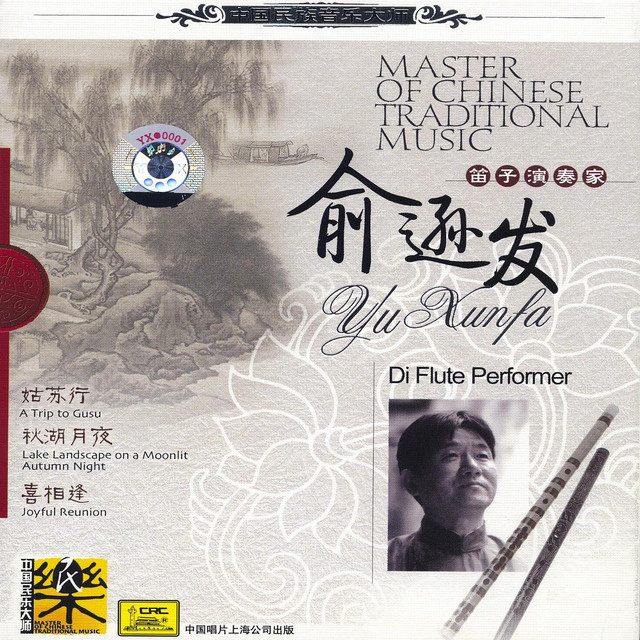
Yu Xunfa
Dizi
Japanese Classical
Traditional Music
1
/5
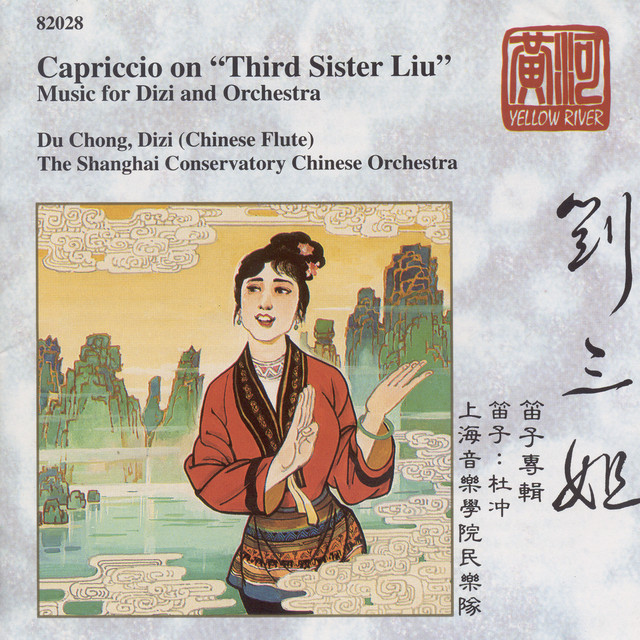
Chong Du
Japanese Classical
Traditional Music
Dizi
1
/5
Lu Chunling
Dizi
Japanese Classical
Traditional Music
2
/5
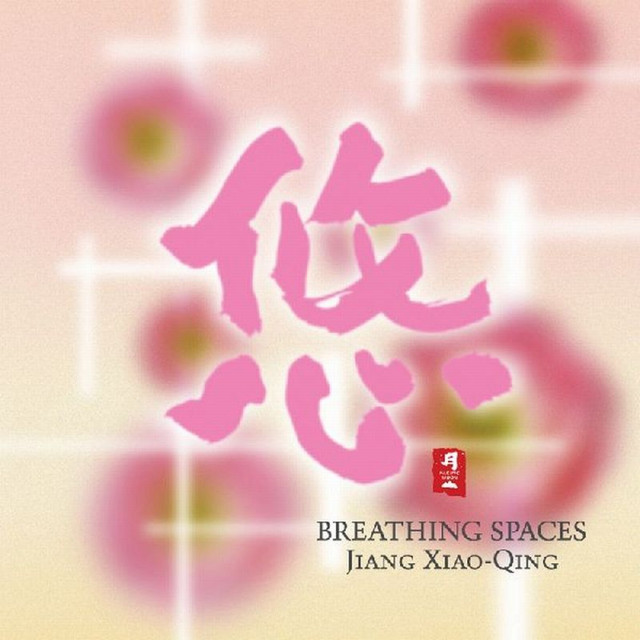
Jiang Xiao-Qing
Traditional Music
Gufeng
Japanese Classical
2
/5
Hong Ting
Japanese Classical
Traditional Music
Chinese Folk Music
2
/5
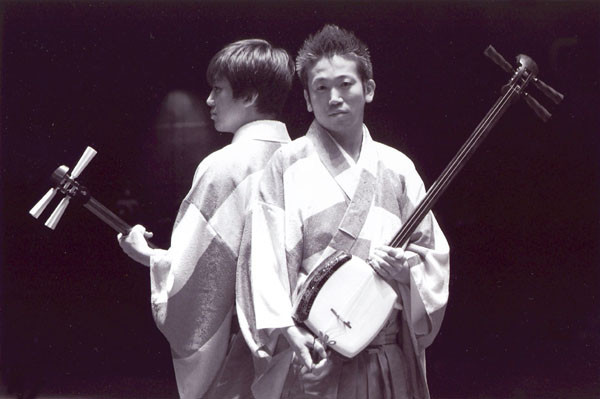
Yoshida Brothers
Tsugaru-Jamisen
Japanese Classical
Traditional Music
2
/5
Aun J-Classic Orchestra
Japanese Classical
Traditional Music
Calming Instrumental
2
/5
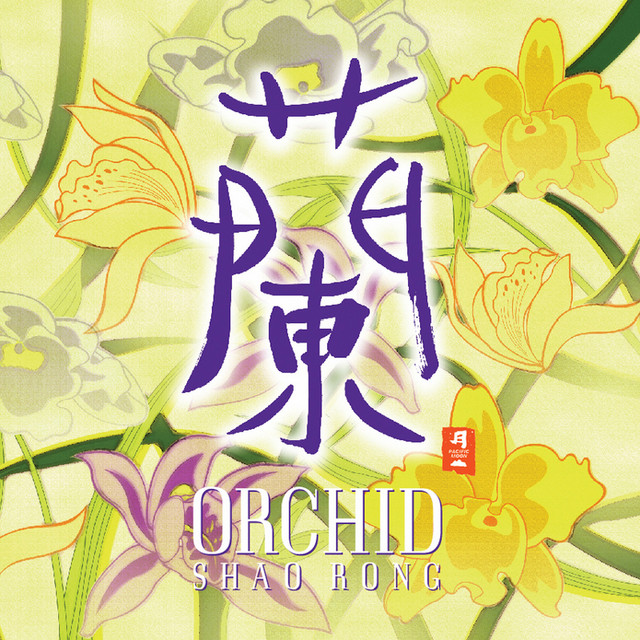
Shao Rong
Japanese Classical
Traditional Music
Download our mobile app
Get the Melodigging app and start digging for new genres on the go
Download on the App Store
Get it on Google Play
© 2026 Melodigging
Give feedback
Legal
Melodding was created as a tribute to
Every Noise at Once
, which inspired us to help curious minds keep digging into music's ever-evolving genres.