Genres
Artists
Albums
Make Music
Sign in
Sign in
Artists
Post-Britpop
Artists
Post-Britpop
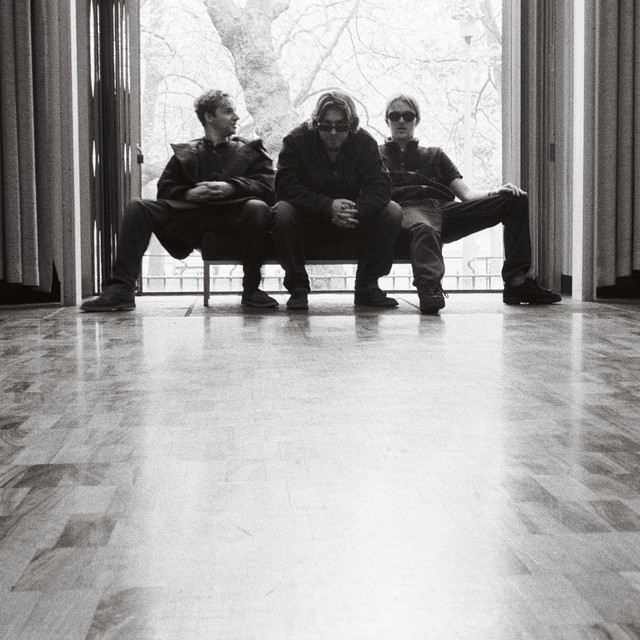
Shack
2003
·
2 albums
Listen
Genres
Post-Britpop
Post-Britpop is a UK guitar-pop and alternative rock movement that emerged in the late 1990s after the decline of Britpop. It retained Britpop’s melodic immediacy and sing‑along choruses but shed the laddish swagger and retro mod affectations in favor of introspective lyrics, polished production, and broader emotional palettes. Stylistically, it blends clean, chiming guitars, lush piano or string textures, mid‑tempo rhythms, and stadium‑ready hooks. Songs often center on yearning, hope, and everyday relationships, aiming for anthemic uplift without the brashness of earlier Britpop. The sound proved highly exportable, shaping mainstream rock and pop-leaning indie across the 2000s.
Discover
Listen
Alternative Rock
Alternative rock is a broad umbrella for guitar-based rock that emerged from the independent and college-radio scenes as a counterpoint to mainstream, commercial rock. It blends the energy and ethos of punk with the textural and songwriting experiments of post-punk, new wave, jangle pop, and noise rock, often foregrounding introspective or socially aware lyrics. Across its many strains—from the melodic minimalism of college rock to the loud-quiet-loud dynamics of grunge and the artful experimentation of Radiohead-era modernism—alternative rock prioritizes authenticity, sonic individuality, and a do-it-yourself approach. Its sound ranges from chiming, chorus-laden clean guitars to abrasive distortion and feedback, supported by straightforward rock rhythms or off-kilter grooves, and production that can be either raw and live-sounding or polished yet unconventional.
Discover
Listen
Indie Rock
Indie rock is a subgenre of rock and a branch of alternative rock that coalesced in the early–mid 1980s around independent labels and DIY practices in the United Kingdom, the United States, and New Zealand. Defined less by a single sound than by an ethos, indie rock favors non‑mainstream approaches, self‑recording and small‑label distribution, and an interest in pop‑informed melody and eclectic experimentation. Hallmarks include jangly or fuzzed guitars, intimate or deadpan vocals, off‑kilter song structures, and production that often preserves a raw, “authentic” feel rather than glossy studio polish.
Discover
Listen
Rock
Rock is a broad family of popular music centered on amplified instruments, a strong backbeat, and song forms that foreground riffs, choruses, and anthemic hooks. Emerging from mid‑20th‑century American styles like rhythm & blues, country, and gospel-inflected rock and roll, rock quickly expanded in scope—absorbing folk, blues, and psychedelic ideas—while shaping global youth culture. Core sonic markers include electric guitar (often overdriven), electric bass, drum kit emphasizing beats 2 and 4, and emotive lead vocals. Rock songs commonly use verse–chorus structures, blues-derived harmony, and memorable melodic motifs, ranging from intimate ballads to high‑energy, stadium‑sized performances.
Discover
Listen
Albums
2003
2
/5
...Here's Tom With the Weather
Shack
Post-Britpop
Alternative Rock
Indie Rock
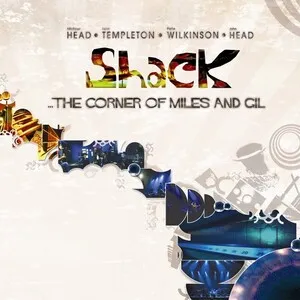
The Corner of Miles and Gil
Shack
Post-Britpop
Similar artists
3
/5
Elbow
Post-Britpop
Indie Rock
Alternative Rock
3
/5
Doves
Madchester
Indie Rock
Post-Britpop
5
/5
Radiohead
Alternative Rock
Art Rock
Melancholia
4
/5
James
Britpop
Madchester
Shimmer Psych
3
/5
Manic Street Preachers
Alternative Rock
Britpop
Rock
5
/5
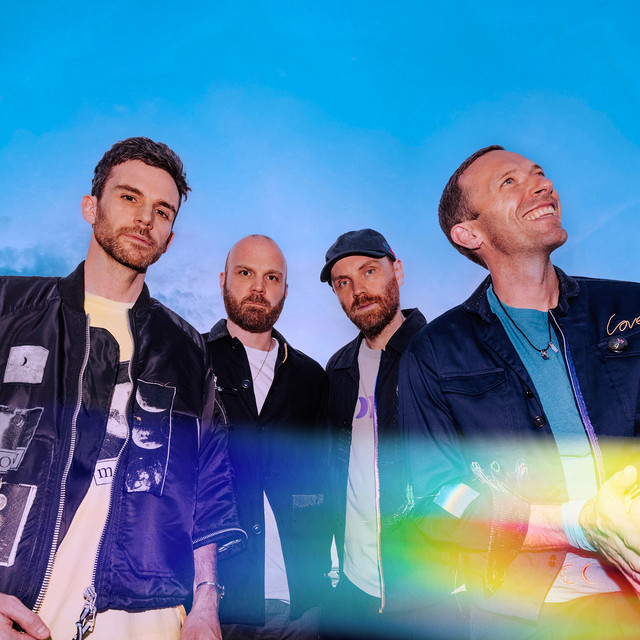
Coldplay
Rock
Permanent Wave
Alternative Rock
4
/5
kent
Chill Pop
Post-Britpop
Swedish Pop
4
/5
Myslovitz
Alternative Rock
Post-Britpop
Rock
2
/5
Blackfield
Progressive Rock
Art Rock
Post-Britpop
5
/5
Tame Impala
Psychedelic Pop
Indie
Neo-Psychedelia
Download our mobile app
Get the Melodigging app and start digging for new genres on the go
Download on the App Store
Get it on Google Play
© 2026 Melodigging
Give feedback
Legal
Melodding was created as a tribute to
Every Noise at Once
, which inspired us to help curious minds keep digging into music's ever-evolving genres.