Genres
Artists
Albums
Make Music
Sign in
Sign in
Artists
Arrocha
Artists
Arrocha
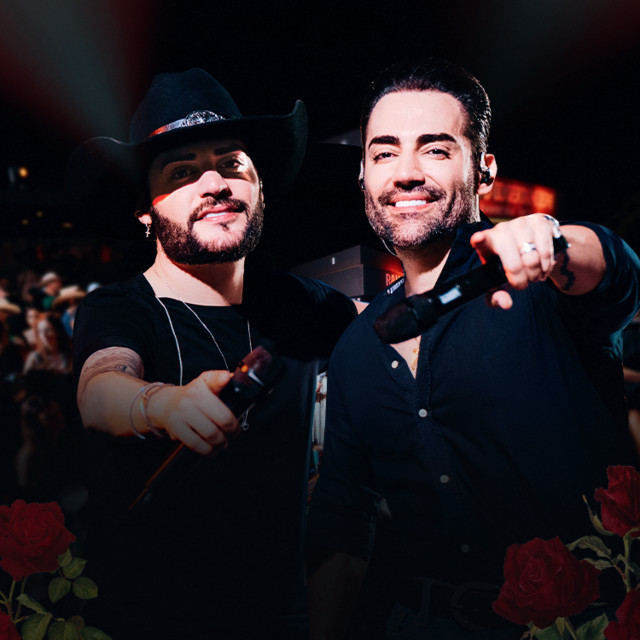
Sebhasttião Alves
Listen
1
/5
Genres
Arrocha
Arrocha is a romantic, dance-oriented pop style that emerged in the interior of Bahia, Brazil—most notably around Candeias. The name comes from Brazilian Portuguese slang meaning “to hold tight,” which captures the genre’s intimate, slow-to-mid‑tempo embrace on the dance floor. Musically, arrocha blends the sentimental, melodramatic songwriting of brega romântico with rhythmic and timbral touches from Bahia’s axé and the northeastern forró tradition. Smooth synths, electric guitar arpeggios, accordion or keyboard leads, and programmed drums support emotive, melismatic vocals that center on love, longing, jealousy, and reconciliation.
Discover
Listen
Piseiro
Piseiro is a contemporary Brazilian dance style that emerged in the interior of Northeast Brazil in the 2000s. It is commonly described as a homemade, pared-down branch of forró eletrônico, built around electronic keyboard timbres, a strong, repetitive groove, and catchy vocal hooks. The sound often favors simple harmonic movement, punchy bass lines, and sing-along choruses, with vocal harmonization used to amplify the party-friendly, communal feel. In the 2010s–2020s it became nationally popular through streaming and social media, frequently blending with other regional “forró/sertanejo” currents while keeping its characteristic keyboard-driven backbone.
Discover
Listen
Sertanejo Universitário
Sertanejo universitário is a contemporary, pop-leaning evolution of Brazil’s traditional sertanejo that emerged from college party circuits in the mid-2000s. It pairs the genre’s rural storytelling and acoustic roots with glossy, radio-friendly production and catchy pop hooks. Typical arrangements feature acoustic and electric guitars, bass, drums, keyboards/synth pads, and often accordion, with memorable sing‑along choruses and verse–pre‑chorus–chorus structures. Lyrically, themes revolve around love, heartbreak, nightlife, friendship, and youthful social life, reflecting a bridge between rural imagery and urban party culture. The style favors straightforward 4/4 grooves, from romantic mid‑tempos to dance‑floor anthems, and borrows harmonic language and production sheen from international pop and country pop. Its dominance on Brazilian charts in the 2010s made it one of the country’s most influential mainstream sounds.
Discover
Listen
Brazilian Gospel
Brazilian gospel is the Portuguese-language branch of contemporary Christian music made in Brazil, blending the devotional core of gospel with local popular styles and rhythms. It spans polished pop-worship ballads, energetic congregational anthems, and regionally inflected fusions such as samba-, sertanejo-, and forró-informed praise. The genre’s lyrics focus on praise, testimony, consolation, spiritual warfare, and everyday Christian life, commonly tailored for congregational singing and evangelical outreach. Sonically, arrangements range from piano-led ballads and tight pop-rock bands to percussion-rich ensembles with batucada grooves, accordion (in sertanejo/forró settings), and layered backing vocals. A massive evangelical audience, strong church networks, dedicated labels, and national media support have turned Brazilian gospel into one of the country’s most robust music markets, with charting singles, arena-scale worship events, and Latin Grammy–recognized artists.
Discover
Listen
Gospel
Gospel is a vocal-centered Christian genre whose lyrics explicitly express faith, salvation, hope, and communal testimony. Performances emphasize expressive lead vocals, choirs, call-and-response, and congregational participation, often supported by piano/organ, handclaps, and a rhythm section. While the modern form coalesced in the early 20th century through urban church music and the work of composer–leaders such as Thomas A. Dorsey, its roots trace back to earlier Christian hymnody and African American sacred traditions. Across cultures and denominations, gospel functions in worship, evangelism, community celebration, and—by the late 20th century—in commercial recordings and concerts. Stylistically, gospel spans traditional quartet and choir styles, “gospel blues,” and contemporary fusions with R&B, soul, pop, and hip hop. What unites these strands are dominant vocals, testimonial lyrics grounded in Scripture and lived experience, and a performance practice designed to move both spirit and body.
Discover
Listen
Pentecostal
Pentecostal is a worship-centered musical style that grew out of early 20th-century Pentecostal and Holiness revivals in the United States. It blends African American spirituals, folk hymnody, and blues-inflected shouts with ecstatic congregational practices such as call-and-response, handclapping, dancing, and moments of free prayer or glossolalia. Musically, Pentecostal services move fluidly between driving praise songs and slow, soaring worship ballads. Hallmarks include 12/8 and triplet feels, gospel chord language, extended vamps, rising key modulations, antiphonal choir-leader exchanges, and spontaneous spoken exhortations. Instrumentation ranges from small rhythm sections centered on Hammond organ, piano, bass, drums, and tambourine to large choirs and contemporary worship bands with electric guitars and modern production.
Discover
Listen
Similar artists
5
/5
Gusttavo Lima
Forró
Sertanejo Universitário
Piseiro
4
/5
Wesley Safadão
Brega
Piseiro
Arrocha
4
/5
Mariana Fagundes
Arrocha
Forró
Piseiro
4
/5
Simone Mendes
Forró
Pagode
Arrocha
4
/5
Diego & Victor Hugo
Piseiro
Sertanejo Universitário
Arrocha
4
/5
Gustavo Mioto
Sertanejo Universitário
Arrocha
Sertanejo
4
/5
Guilherme & Benuto
Piseiro
Agronejo
Arrocha
4
/5
Mari Fernandez
Piseiro
Forró
Arrocha
4
/5
Xand Avião
Forró De Favela
Arrocha
Brega
4
/5
Matheus Fernandes
Forró
Pagode
Piseiro
Download our mobile app
Get the Melodigging app and start digging for new genres on the go
Download on the App Store
Get it on Google Play
© 2026 Melodigging
Give feedback
Legal
Melodding was created as a tribute to
Every Noise at Once
, which inspired us to help curious minds keep digging into music's ever-evolving genres.