Genres
Artists
Albums
Make Music
Sign in
Sign in
Artists
Forró
Artists
Forró
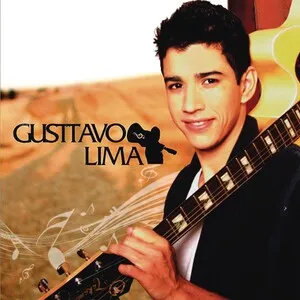
Gusttavo Lima
2009–2025
·
10 albums
Listen
5
/5
Genres
Agronejo
Agronejo is a contemporary Brazilian offshoot of sertanejo that foregrounds rural identity, rodeo imagery, and the agribusiness lifestyle while adopting pop-friendly hooks and modern production. Musically it blends the vocal phrasing and duet traditions of sertanejo with the glossy sheen of pop and country-pop, often borrowing the driving percussion and synth bass from piseiro and the romantic sentiment of arrocha. Arrangements frequently combine viola caipira, acoustic and electric guitars, and accordion with programmed drums, sub-bass, and festival-scale crowd chants. The result is a radio- and TikTok-ready sound that keeps dance floors moving while celebrating countryside culture.
Discover
Listen
Brazilian Trap
Brazilian trap (trap brasileiro) is the Brazilian adaptation of the Atlanta-born trap sound, performed primarily in Portuguese and colored by local rhythms, slang, and aesthetics. It features 808-heavy beats, half-time grooves, rapid hi-hat rolls, and melodic, Auto-Tuned vocals, while often folding in the swing and percussive feel of funk carioca. Lyrics commonly move between street realities, internet-native lifestyle, fashion, and aspirational luxury, with strong regional accents and Brazilian vernacular giving it a distinct identity from US trap.
Discover
Listen
Funk 150 Bpm
Funk 150 BPM is a high‑tempo offshoot of Brazilian funk (funk carioca) that standardizes the groove around 150 beats per minute. It speeds up the classic tamborzão rhythm, emphasizing pounding sub‑kicks, snappy claps/snares, tom fills, sirens, and shouty vocal tags designed for baile (street party) energy. Arrangements are usually minimal and loop‑driven, centering on call‑and‑response MC lines, short hooks, and montage-style edits, with drops that arrive quickly and repeat often. The result is an intense, dance-forward sound that retains the raw grit of Rio’s funk while pushing the adrenaline and club-readiness to the foreground.
Discover
Listen
Vixa
Vixa is a Polish club-oriented strain of mainstream EDM that blends the swagger of big room house with the bouncy drive of Melbourne bounce and Dutch house. In Poland, “vixa” is also slang for a wild party, and the genre reflects that ethos: hard-hitting kicks, bold supersaw or brass-stab leads, and simple, chantable hooks designed for maximum dancefloor impact. Typically sitting around 128–132 BPM, vixa favors dramatic snare-roll builds, pitch-rising risers, and explosive drops with offbeat bass patterns. DJ edits of pop and regional hits—reworked into high-energy drops—are common, helping the sound dominate Polish club nights and festival stages where it thrives on big, euphoric moments.
Discover
Listen
Deboxe
Deboxe is a contemporary Brazilian club and car-audio offshoot of funk that emphasizes massive, hypnotic sub‑bass, sparse drum patterns, and short, chant-like vocal phrases. Compared with earlier funk styles, deboxe is darker and more minimal: long 808 glides, roomy percussive hits, and reverbed stabs create an atmosphere designed for huge speaker arrays and parking‑lot parties. Drops are often built around “desande” moments—sections where the groove strips down, then slams back with heavier bass—while producer tags, chopped ad‑libs, and micro‑hooks replace long verses. Tempos most commonly sit between 135–150 BPM, borrowing the drive of mega funk and the weight of automotivo (car‑sound) culture, but delivered with a swaggering, deboche (“mocking”) attitude that gives the genre its name and vibe.
Discover
Listen
Bregadeira
Bregadeira is a contemporary Brazilian party style that fuses romantic and melodic brega songwriting with the percussive swing of pagodão baiano and the booming low‑end of funk scenes. Built for paredão (sound‑system) culture, it emphasizes catchy hooks, call‑and‑response vocals, and drop‑driven arrangements that explode on heavy car and street systems. Producers blend tamborzão- and pagodão‑inspired drum patterns with technobrega/brega‑funk synths and sub‑bass, creating an extroverted, dance‑first sound that can be both flirtatious and rowdy.
Discover
Listen
Moderne Ludovky
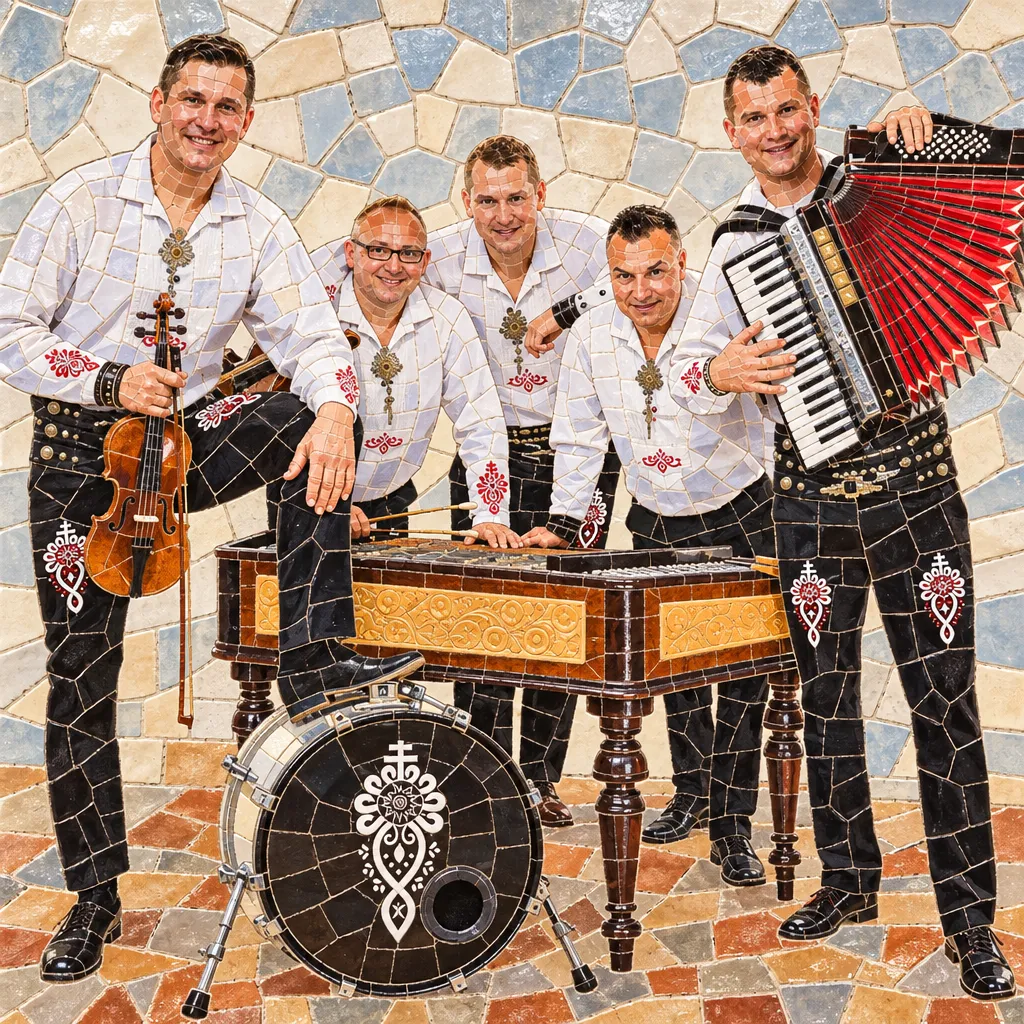
Moderne ludovky is a contemporary pop‑folk style from Slovakia and the Czech Republic that updates traditional "ľudové/lidové" songs with modern production. It blends wedding‑band instrumentation (violin, cimbalom, accordion, clarinet/trumpet, acoustic guitar) with pop and dance elements such as drum kits or programmed beats, electric bass, and glossy backing vocals. Typical rhythms are brisk polkas in 2/4, sentimental waltzes in 3/4, and occasional čardáš‑style tempo changes. Melodies are sing‑along, often in major or Dorian modes, with call‑and‑response refrains. Lyrics celebrate love, home, vineyards, toasts, and village life, frequently using regional dialects and light humor. The result is music tailored for weddings, village festivals, and TV variety shows—rooted in tradition but arranged to keep contemporary dance floors moving.
Discover
Listen
Trapfunk
Trapfunk is a Brazilian hybrid that fuses the drum programming, 808 bass, and hi‑hat articulations of trap with the syncopated tamborzão grooves, vocal cadences, and party‑ready attitude of funk carioca (baile funk). Tracks typically balance sparse, hard‑hitting trap frameworks with driving Brazilian funk percussion at 130–150 BPM, sliding 808s, and vocal deliveries that alternate between melodic hooks and rapid-fire chants. Lyrically, it draws on the street storytelling, ostentation, and party culture of the baile while adopting the darker textures and sound design of contemporary trap. The result is a club-optimized, bass-forward style that feels equally at home in the baile, on streaming playlists, and across social platforms, linking Brazil’s local funk scenes to global trap aesthetics.
Discover
Listen
Funk Mandelão
Funk mandelão is a minimalist, hard‑hitting branch of Brazilian funk that crystallized in São Paulo’s street party (fluxo) scene. It emphasizes a stripped, percussive groove with booming sub‑bass, clipped toms and rims, and shouted call‑and‑response vocals that command the dancefloor. Compared with Rio’s tamborzão-driven funk carioca, mandelão tends to sit a bit slower and heavier, favoring hypnotic repetition, stark spaces, and gritty saturation (“estouro”) that translates well on massive, bass-heavy sound systems. Producers often recycle short vocal chops and neighborhood shoutouts, building tension through micro-variations in drums, drops, and crowd‑engaging breaks.
Discover
Listen
Sertanejo Universitário
Sertanejo universitário is a contemporary, pop-leaning evolution of Brazil’s traditional sertanejo that emerged from college party circuits in the mid-2000s. It pairs the genre’s rural storytelling and acoustic roots with glossy, radio-friendly production and catchy pop hooks. Typical arrangements feature acoustic and electric guitars, bass, drums, keyboards/synth pads, and often accordion, with memorable sing‑along choruses and verse–pre‑chorus–chorus structures. Lyrically, themes revolve around love, heartbreak, nightlife, friendship, and youthful social life, reflecting a bridge between rural imagery and urban party culture. The style favors straightforward 4/4 grooves, from romantic mid‑tempos to dance‑floor anthems, and borrows harmonic language and production sheen from international pop and country pop. Its dominance on Brazilian charts in the 2010s made it one of the country’s most influential mainstream sounds.
Discover
Listen
Piseiro
Piseiro is a contemporary Brazilian dance style that emerged in the interior of Northeast Brazil in the 2000s. It is commonly described as a homemade, pared-down branch of forró eletrônico, built around electronic keyboard timbres, a strong, repetitive groove, and catchy vocal hooks. The sound often favors simple harmonic movement, punchy bass lines, and sing-along choruses, with vocal harmonization used to amplify the party-friendly, communal feel. In the 2010s–2020s it became nationally popular through streaming and social media, frequently blending with other regional “forró/sertanejo” currents while keeping its characteristic keyboard-driven backbone.
Discover
Listen
Arrocha
Arrocha is a romantic, dance-oriented pop style that emerged in the interior of Bahia, Brazil—most notably around Candeias. The name comes from Brazilian Portuguese slang meaning “to hold tight,” which captures the genre’s intimate, slow-to-mid‑tempo embrace on the dance floor. Musically, arrocha blends the sentimental, melodramatic songwriting of brega romântico with rhythmic and timbral touches from Bahia’s axé and the northeastern forró tradition. Smooth synths, electric guitar arpeggios, accordion or keyboard leads, and programmed drums support emotive, melismatic vocals that center on love, longing, jealousy, and reconciliation.
Discover
Listen
Singer-Songwriter
Singer-songwriter is a song-focused style in which the same person writes, composes, and performs their own material, often accompanying themselves on acoustic guitar or piano. It emphasizes personal voice, lyrical intimacy, and storytelling over elaborate production. Arrangements are typically sparse, allowing the melody, words, and performance nuance to carry the song’s emotional weight. While rooted in folk and blues traditions, singer-songwriter embraces pop and rock songcraft, producing works that can range from quiet confessional ballads to subtly orchestrated, radio-ready pieces.
Discover
Listen
Forró
Forró is a popular dance-music tradition from Brazil’s Northeast, centered on the trio of accordion (sanfona), zabumba (bass/tenor drum), and triangle. It encompasses a family of rhythms—most notably baião, xote, arrasta-pé, and xaxado—and is performed for partner dancing at parties and the June festivals (Festas Juninas). The style balances infectious, syncopated grooves with singable melodies and simple, diatonic harmony. Lyrically, forró often celebrates rural life, love, longing (saudade), and the culture of the sertão. Over time, it has branched into substyles ranging from the acoustic, rootsy pé-de-serra to modern, amplified and electronic variants.
Discover
Listen
Latin
Latin (as a genre label) is a broad umbrella used by the recording industry to categorize popular music rooted in Latin America, the Caribbean, and the Iberian world, often characterized by syncopated Afro-diasporic rhythms, dance-forward grooves, and lyrics primarily in Spanish or Portuguese. As a marketplace category that took shape in the mid-20th century United States, it gathers diverse traditions—Afro-Cuban, Brazilian, Mexican, and Caribbean styles—into a shared space. In practice, "Latin" spans everything from big-band mambo and bolero ballads to contemporary pop, rock, hip hop, and dance fusions produced by artists of Latin American heritage.
Discover
Listen
Sertanejo
Sertanejo is Brazil’s homegrown counterpart to country music, rooted in the rural song traditions of the country’s interior (música caipira) and later modernized for urban radio and arenas. Its core sound revolves around close-harmony duos, storytelling lyrics about love, longing, and countryside life, and the distinctive timbre of the viola caipira (10‑string Brazilian guitar) alongside acoustic guitar, accordion, and, in contemporary productions, full rhythm sections and pop‑leaning arrangements. Across a century, sertanejo evolved through several waves: the narrative, acoustic sertanejo raiz; the polished, romantic duos that conquered national television and FM radio; and the 2000s/2010s universitário movement that fused pop, rock, and electronic textures. Today it is one of Brazil’s most commercially dominant genres, spawning numerous substyles and crossovers while retaining its identity of heartfelt vocal harmonies and sing‑along choruses.
Discover
Listen
Show all 16 genres
Albums
2025
1
/5
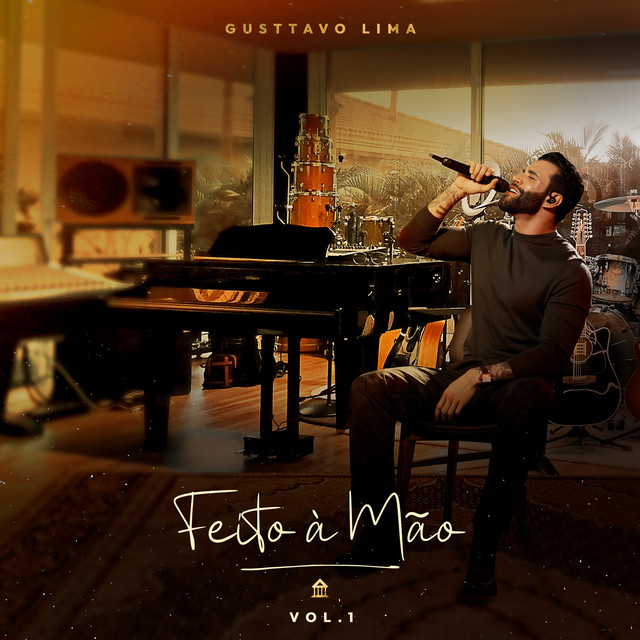
Feito À Mão Vol. 01
Gusttavo Lima
Forró
Piseiro
Agronejo
2025
3
/5
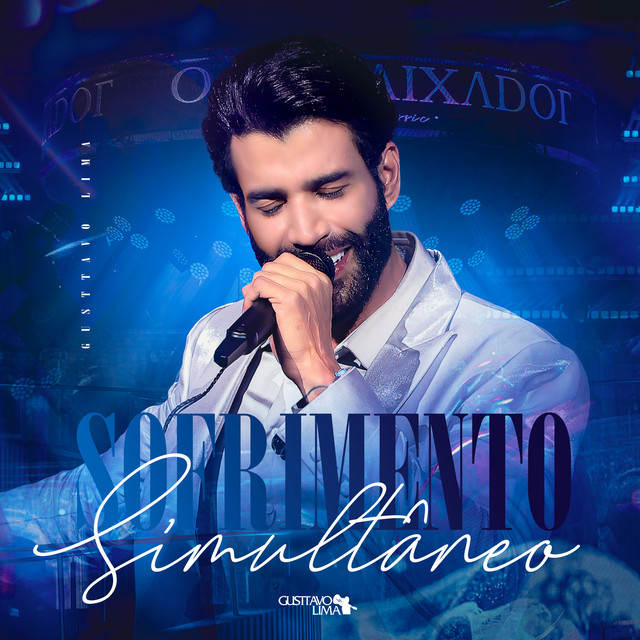
Sofrimento Simultâneo (Ao Vivo)
Gusttavo Lima
Forró
2025
4
/5
Proibido Terminar (Ao Vivo)
Gusttavo Lima
Forró
Piseiro
Agronejo
2024
1
/5
Embaixador Acústico
Gusttavo Lima
Forró
2023
3
/5
Desejo Imortal (It Must Have Been Love)
Gusttavo Lima
Piseiro
Forró
Agronejo
2023
3
/5
Saudade da Minha Vida (Ao Vivo)
Gusttavo Lima
Forró
Piseiro
Agronejo
2022
3
/5
Termina Comigo Antes
Gusttavo Lima
Forró
Piseiro
Agronejo
2017
4
/5
Buteco do Gusttavo Lima, Vol. 2
Gusttavo Lima
Sertanejo Universitário
2014
Do outro lado da moeda
Gusttavo Lima
Sertanejo Universitário
2009
Gusttavo Lima
Gusttavo Lima
Sertanejo Universitário
Similar artists
4
/5
Simone Mendes
Forró
Pagode
Arrocha
4
/5
Mari Fernandez
Piseiro
Forró
Arrocha
4
/5
Os Barões Da Pisadinha
Piseiro
Tecnobrega
Forró
4
/5
Matheus Fernandes
Forró
Pagode
Piseiro
4
/5
Manu
Tecnobrega
Brega
Forró
2
/5
Gabi Martins
Forró
Piseiro
Arrocha
3
/5
Tierry
Arrocha
Brega
Forró
4
/5
Wesley Safadão
Brega
Piseiro
Arrocha
3
/5
Márcia Fellipe
Brega
Forró
Arrocha
4
/5
Mariana Fagundes
Arrocha
Forró
Piseiro
Download our mobile app
Get the Melodigging app and start digging for new genres on the go
Download on the App Store
Get it on Google Play
© 2026 Melodigging
Give feedback
Legal
Melodding was created as a tribute to
Every Noise at Once
, which inspired us to help curious minds keep digging into music's ever-evolving genres.