Genres
Artists
Albums
Make Music
Sign in
Sign in
Artists
Expressionism
Artists
Expressionism
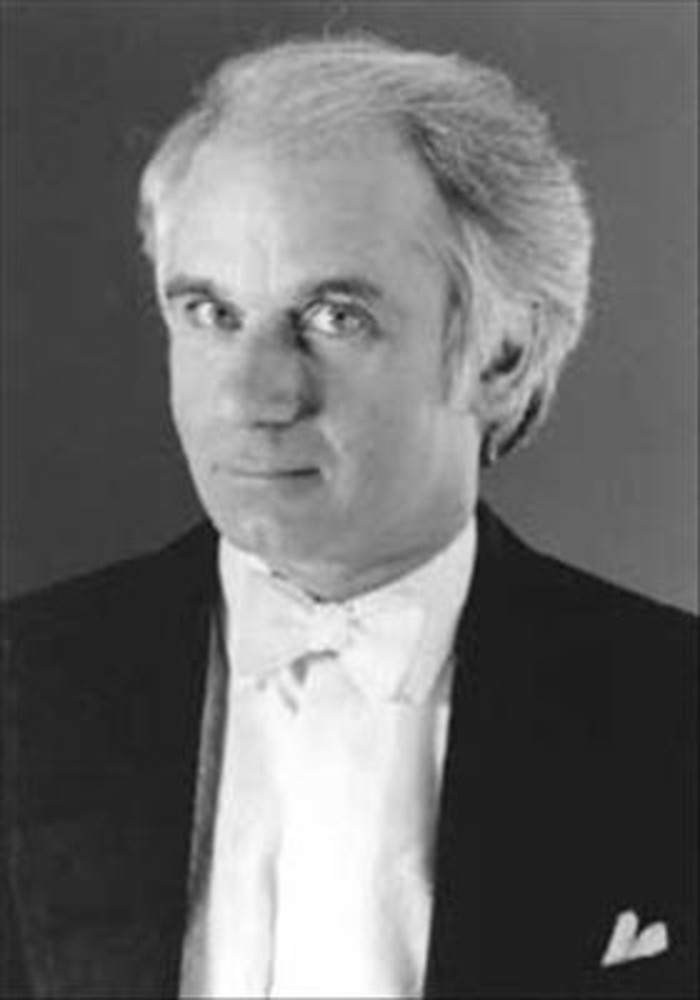
Sebastian Weigle
2020
·
1 album
Listen
2
/5
Genres
Expressionism
Expressionism in music is an early-20th-century modernist movement that foregrounds inner psychological states, anxiety, and alienation through highly charged sonic language. It abandons traditional tonal centers in favor of atonality or extreme chromaticism, embraces dissonance without immediate resolution, and often fragments melody into sharp, angular gestures. Textures favor clarity and intensity: chamber forces, extreme registers, abrupt contrasts of dynamics and timbre, and sparse, aphoristic forms are common. Composers experiment with Sprechstimme (speech-like vocalization), Klangfarbenmelodie (melody distributed across changing timbres), and rapidly shifting meters to intensify expression. Vocal works (monodramas, song cycles) and concise instrumental miniatures became emblematic vehicles for psychological drama.
Discover
Listen
Classical Horn
Classical horn refers to the Western classical repertoire centered on the natural and valved French horn, spanning solo, chamber, and concerto writing as well as idiomatic ensemble and orchestral roles. The style balances two core identities: the hunting-call brilliance and arpeggiated rhetoric inherited from the natural horn’s harmonic series, and the singing, lyrical cantabile that blossomed with 18th–19th‑century hand‑stopping and the later invention of valves. Typical pieces highlight noble, expansive melodies; fanfare-like figures; and agile arpeggios and slurs, often in horn‑friendly keys such as E‑flat and D major. In performance and composition, the genre values legato line, clear phrasing, classical forms (sonata, rondo), and idiomatic writing that respects breathing, register color, and the horn’s transposing notation.
Discover
Listen
Opera
Opera is a large-scale theatrical genre that combines music, drama, and visual spectacle, in which the story is primarily conveyed through singing accompanied by an orchestra. It unites solo voices, ensembles, and chorus with staging, costumes, and often dance to create a total artwork. Emerging in late Renaissance Italy and flourishing in the Baroque era, opera developed signature forms such as recitative (speech-like singing that advances the plot) and aria (lyrical numbers that explore character and emotion). Over the centuries it evolved diverse national styles—Italian bel canto, French grand opéra, German music drama—while continually experimenting with orchestration, harmony, narrative structure, and stagecraft.
Discover
Listen
Albums
2020
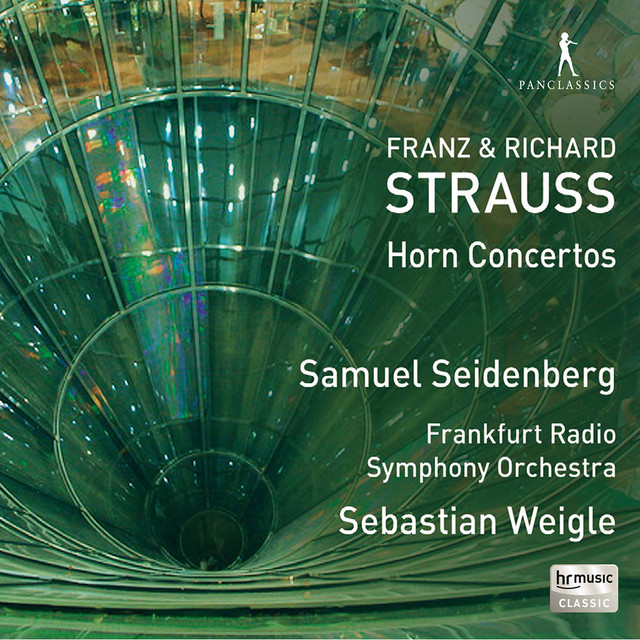
Franz & Richard Strauss: Horn Concertos
Samuel Seidenberg, Frankfurt Radio Symphony Orchestra, Sebastian Weigle
Classical Horn
Similar artists
4
/5
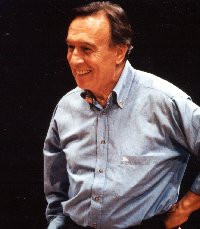
Claudio Abbado
Classical
Concerto
Expressionism
3
/5
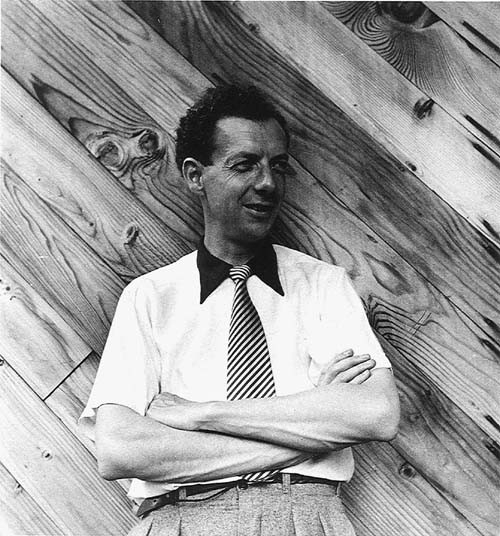
Benjamin Britten
Neoclassicism
Requiem
Baroque
3
/5
Deutsches Symphonie-Orchester Berlin
Classical
Opera
Concerto
3
/5
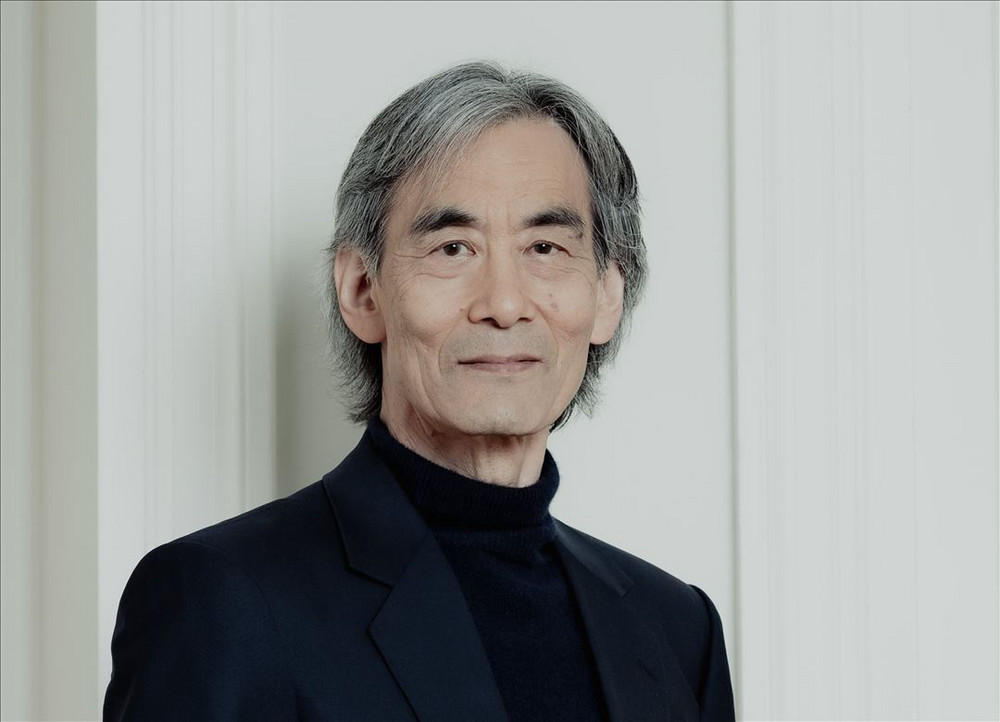
Kent Nagano
Classical
Contemporary Classical
Expressionism
3
/5
Giuseppe Sinopoli
Classical
Classical Baritone
Classical Bass
3
/5
Edward Gardner
Classical
Opera
Concerto
2
/5
Geoffrey Parsons
Expressionism
Opera
Classical Mezzo-Soprano
2
/5
Alban Berg
Second Viennese School
Expressionism
Classical
2
/5
Steuart Bedford
Expressionism
Opera
Classical
2
/5
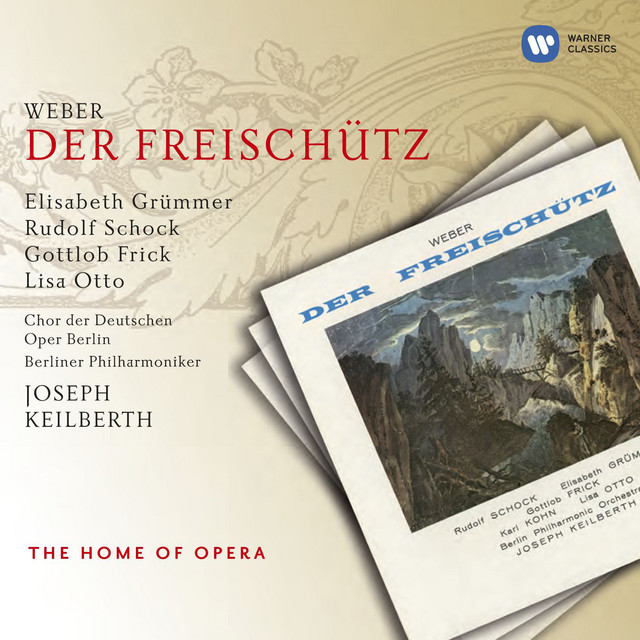
Joseph Keilberth
Expressionism
Opera
Classical Soprano
Download our mobile app
Get the Melodigging app and start digging for new genres on the go
Download on the App Store
Get it on Google Play
© 2026 Melodigging
Give feedback
Legal
Melodding was created as a tribute to
Every Noise at Once
, which inspired us to help curious minds keep digging into music's ever-evolving genres.