Genres
Artists
Albums
Make Music
Sign in
Sign in
Artists
Merengue
Artists
Merengue
Sandy Reyes
1981
·
1 album
Listen
2
/5
Genres
Bachata
Bachata is a romantic guitar-driven genre and social dance that took shape in the Dominican Republic. Its core sound features arpeggiated lead guitar figures (requinto), rippling accompaniment, and a gently propulsive rhythm section built on bongó and güira. Stylistically, bachata blends European (Spanish/bolero harmony and song form), African (percussion feel and call‑and‑response inflections), and Indigenous Taíno elements, mirroring the island’s cultural mosaic. The songs typically revolve around love, longing, heartbreak, and everyday life, delivered with a bittersweet, intimate tone. Musically it sits in 4/4, often mid‑tempo, with the lead guitar outlining chord arpeggios and ornaments (slides, trills, tremolo) over bolero-derived progressions. A companion partnered dance, also called bachata, evolved alongside the music and emphasizes close embrace, side‑to‑side steps, and a characteristic hip accent on beat four.
Discover
Listen
Latin
Latin (as a genre label) is a broad umbrella used by the recording industry to categorize popular music rooted in Latin America, the Caribbean, and the Iberian world, often characterized by syncopated Afro-diasporic rhythms, dance-forward grooves, and lyrics primarily in Spanish or Portuguese. As a marketplace category that took shape in the mid-20th century United States, it gathers diverse traditions—Afro-Cuban, Brazilian, Mexican, and Caribbean styles—into a shared space. In practice, "Latin" spans everything from big-band mambo and bolero ballads to contemporary pop, rock, hip hop, and dance fusions produced by artists of Latin American heritage.
Discover
Listen
Merengue Típico
Merengue típico, also known as perico ripiao, is the original rural accordion-driven form of Dominican merengue that emerged in the Cibao region. It is characterized by a nimble diatonic accordion, the metallic scrape of the güira, and the two-headed tambora drum, creating a propulsive 2/4 groove designed for communal dancing. While harmonically simple (often revolving around I–IV–V progressions), the style is rhythmically intricate, featuring straight “derecho” feels, the more syncopated pambiche, and extended jaleo sections where the accordion and saxophone improvise rapid-fire riffs. Modern ensembles frequently add bass, congas, and sax to amplify the drive, but the core texture remains earthy, fast, and celebratory.
Discover
Listen
Merengue
Merengue is a fast, dance-centered popular music from the Dominican Republic characterized by a driving 2/4 meter, bright major-key harmonies, and a propulsive rhythmic engine created by güira and tambora. In its rural "típico" form, the lead instrument is a diatonic accordion, supported by tambora, güira, and bass. Urban and orchestral evolutions expanded the instrumentation to include saxophones, trumpets, trombones, piano, congas, and electric bass, yielding a powerful big-band sound. Common song forms use verse–chorus structures with catchy coros and a climactic jaleo section where horns or accordion play tightly arranged riffs. The style spans energetic party anthems, romantic ballad-leaning numbers (merengue romántico), and modern fusions that blend with pop and urban music.
Discover
Listen
Musica Tradicional Dominicana
Música tradicional dominicana is the umbrella for the Dominican Republic’s folk and roots styles shaped by Iberian (Spanish/Canarian), West and Central African, and Afro-Haitian influences. It gathers the rural dance musics and religious/ceremonial repertoires that predate or coexist with modern commercial genres. Core strands include merengue típico (also called perico ripiao) with its diatonic accordion–güira–tambora trio; related dances such as pri-prí, pambiche, carabiné and mangulina; and Afro-Dominican ceremonial musics like palos/atabales and salve (often tied to cofradías and Catholic feast days). The Sarandunga of Baní and the Congos of Villa Mella represent distinct drumming and chant traditions, while Gagá (Ra-Ra) parading bands showcase vibrant Haitian–Dominican exchanges. A more lyrical branch survives in rural bolero and décima-based song forms. Across these traditions you’ll hear brisk 2/4 merengue grooves, call-and-response vocal textures, layered hand drumming, bright accordion melodies, and the metallic rasp of the güira—hallmarks of a living, communal music culture used for dancing, devotion, and storytelling.
Discover
Listen
Albums
1981
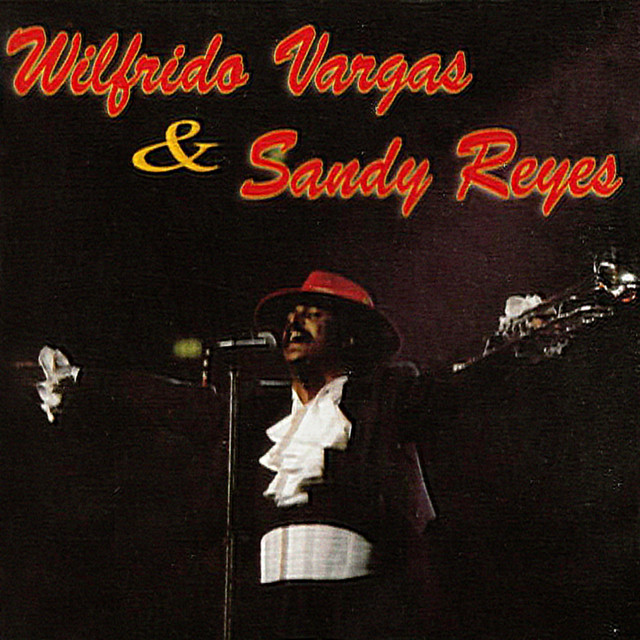
Abusadora...!
Wilfrido Vargas & Sandy Reyes
Musica Tradicional Dominicana
Merengue
Tropical Music
Similar artists
3
/5
Rubby Pérez
Bachata
Merengue
Merengue Típico
2
/5
Krisspy
Merengue Típico
Bachata
Mambo
3
/5
Fulanito
Merengue Típico
Latin
Merengue
3
/5
Ramón Orlando
Merengue Típico
Merengue
Salsa
3
/5
Fernando Villalona
Merengue Típico
Bachata
Merengue
3
/5
Geovanny Polanco
Bachata
Mambo
Merengue
3
/5
El Prodigio
Merengue Típico
Bachata
Mambo
3
/5
Urbanda
Merengue Típico
Bachata
Mambo
2
/5
Johnny Ventura
Merengue Típico
Chachachá
Merengue
2
/5
Raquel Arias
Bachata
Mambo
Merengue
Download our mobile app
Get the Melodigging app and start digging for new genres on the go
Download on the App Store
Get it on Google Play
© 2026 Melodigging
Give feedback
Legal
Melodding was created as a tribute to
Every Noise at Once
, which inspired us to help curious minds keep digging into music's ever-evolving genres.