Genres
Artists
Albums
Make Music
Sign in
Sign in
Artists
Merengue Típico
Artists
Merengue Típico
Johnny Ventura
2007–2016
·
2 albums
Listen
2
/5
Genres
Salsa
Salsa is a pan–Latin dance music forged primarily in New York City by Puerto Rican, Cuban, and other Caribbean diasporas. It synthesizes Afro‑Cuban rhythmic blueprints, Puerto Rican bomba and plena, jazz harmony, big‑band horn writing, and Nuyorican street culture into a tightly arranged yet improvisation‑friendly style. The music lives on the clave (either 2‑3 or 3‑2), with layered percussion (congas, bongó, timbales, cowbell, güiro, maracas), a tumbao bass that anticipates the beat, and piano montuno guajeos that interlock with the rhythm section. Call‑and‑response vocals (coro/pregón), punchy horn mambos and moñas, and instrumental solos energize the montuno section. Tempos range from medium to fast in 4/4, optimized for social dancing (commonly “on1” or “on2”). Across decades, salsa has branched into harder, percussion‑forward “salsa dura,” smoother “salsa romántica,” and regional scenes in Puerto Rico, Venezuela, and Colombia, while continuing to influence—and be influenced by—neighboring tropical and jazz idioms.
Discover
Listen
Chachachá
Chachachá is a Cuban dance‑music genre that emerged in early‑1950s Havana as a dancer‑friendly offshoot of danzón‑mambo. It is typically performed by charanga ensembles—flute and violins over piano, bass, güiro, and timbales—producing a light, elegant sonority distinct from the brass‑heavy mambo big bands. The groove is mid‑tempo with a clear, even pulse that supports the signature “cha‑cha‑chá” triple step heard in the dancers’ feet. Melodies are tuneful and diatonic, harmonies favor simple I–IV–V movements with occasional II–V turnarounds, and arrangements move from a lyrical cuerpo to a montuno section featuring coro‑pregón call‑and‑response, piano tumbao, and tasteful flute improvisations. The name “chachachá” is often traced to the shuffling sound of the dancers’ steps; composer‑violinist Enrique Jorrín simplified mambo syncopations to make the beat more square and intelligible, which helped the style spread worldwide through social and ballroom dance.
Discover
Listen
Tropical Music
Tropical music (música tropical) is an umbrella for dance-oriented Afro-Caribbean and coastal Latin American styles that were popularized across the Spanish-speaking world in the mid‑20th century. It blends African-derived polyrhythms and percussion with horn-led orchestras, call-and-response vocals, and catchy, romantic choruses. Typical repertoires mix cumbia, porro, merecumbé, son, mambo, merengue, pachanga, bolero, and related rhythms, presented by big bands or compact combos aimed squarely at social dancing. Beyond a single beat or tempo, the hallmark is a bright, syncopated groove (often organized around the clave), tumbao bass lines, montuno piano patterns, and sectional brass “mambos.” Over time, tropical music absorbed electric instruments and studio production while keeping its festive, coastal character.
Discover
Listen
Latin
Latin (as a genre label) is a broad umbrella used by the recording industry to categorize popular music rooted in Latin America, the Caribbean, and the Iberian world, often characterized by syncopated Afro-diasporic rhythms, dance-forward grooves, and lyrics primarily in Spanish or Portuguese. As a marketplace category that took shape in the mid-20th century United States, it gathers diverse traditions—Afro-Cuban, Brazilian, Mexican, and Caribbean styles—into a shared space. In practice, "Latin" spans everything from big-band mambo and bolero ballads to contemporary pop, rock, hip hop, and dance fusions produced by artists of Latin American heritage.
Discover
Listen
Merengue Típico
Merengue típico, also known as perico ripiao, is the original rural accordion-driven form of Dominican merengue that emerged in the Cibao region. It is characterized by a nimble diatonic accordion, the metallic scrape of the güira, and the two-headed tambora drum, creating a propulsive 2/4 groove designed for communal dancing. While harmonically simple (often revolving around I–IV–V progressions), the style is rhythmically intricate, featuring straight “derecho” feels, the more syncopated pambiche, and extended jaleo sections where the accordion and saxophone improvise rapid-fire riffs. Modern ensembles frequently add bass, congas, and sax to amplify the drive, but the core texture remains earthy, fast, and celebratory.
Discover
Listen
Merengue
Merengue is a fast, dance-centered popular music from the Dominican Republic characterized by a driving 2/4 meter, bright major-key harmonies, and a propulsive rhythmic engine created by güira and tambora. In its rural "típico" form, the lead instrument is a diatonic accordion, supported by tambora, güira, and bass. Urban and orchestral evolutions expanded the instrumentation to include saxophones, trumpets, trombones, piano, congas, and electric bass, yielding a powerful big-band sound. Common song forms use verse–chorus structures with catchy coros and a climactic jaleo section where horns or accordion play tightly arranged riffs. The style spans energetic party anthems, romantic ballad-leaning numbers (merengue romántico), and modern fusions that blend with pop and urban music.
Discover
Listen
Albums
2016
1
/5
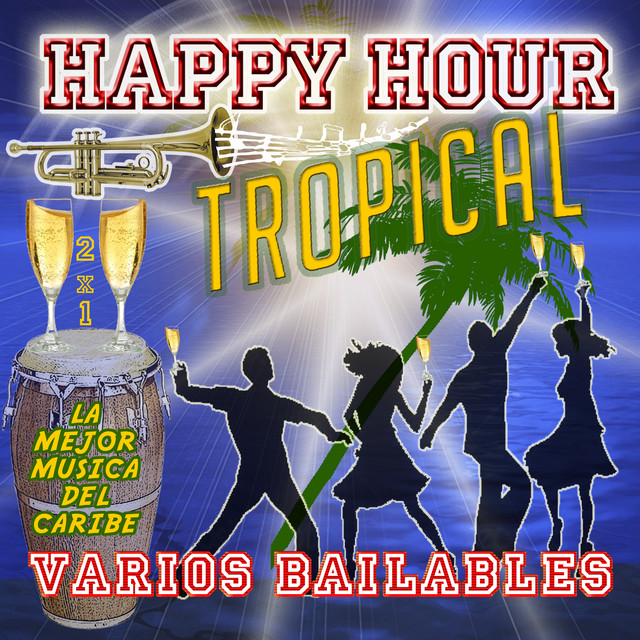
Happy Hour Tropical
Johnny Ventura
Merengue Típico
2007
2
/5
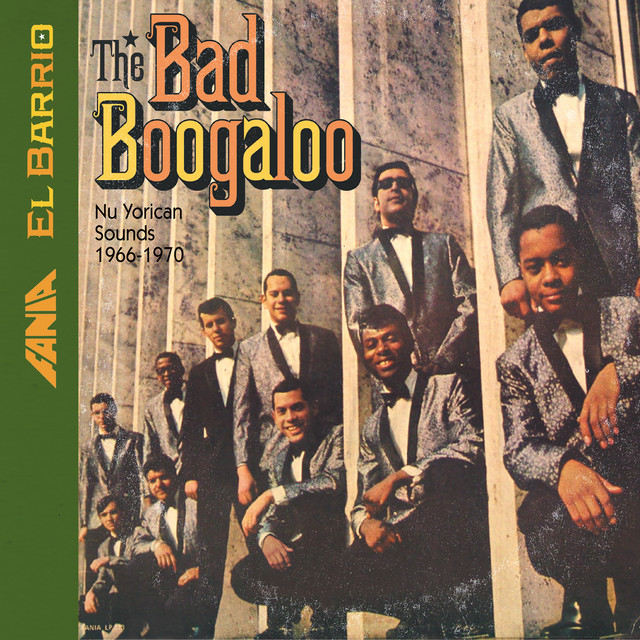
The Bad Boogaloo
Johnny Ventura
Merengue Típico
Similar artists
3
/5
Bonny Cepeda
Merengue Típico
Merengue
Salsa
3
/5
Ramón Orlando
Merengue Típico
Merengue
Salsa
4
/5
Celia Cruz
Latin Dance
Son Cubano
Mambo
4
/5
Joe Arroyo
Merengue
Salsa
Salsa Choke
4
/5
La Verdad
Merengue
Salsa
Tropical Music
4
/5
Rey Ruiz
Chachachá
Merengue
Salsa
3
/5
Fruko Y Sus Tesos
Latin Afrobeat
Merengue
Salsa
3
/5
Sergio Vargas
Tropical Music
Merengue
Salsa
3
/5
The Latin Brothers
Latin Afrobeat
Merengue
Salsa
3
/5
Wilfrido Vargas
Merengue
Tropical Music
Salsa
Download our mobile app
Get the Melodigging app and start digging for new genres on the go
Download on the App Store
Get it on Google Play
© 2026 Melodigging
Give feedback
Legal
Melodding was created as a tribute to
Every Noise at Once
, which inspired us to help curious minds keep digging into music's ever-evolving genres.