Genres
Artists
Albums
Make Music
Sign in
Sign in
Artists
Dangdut
Artists
Dangdut
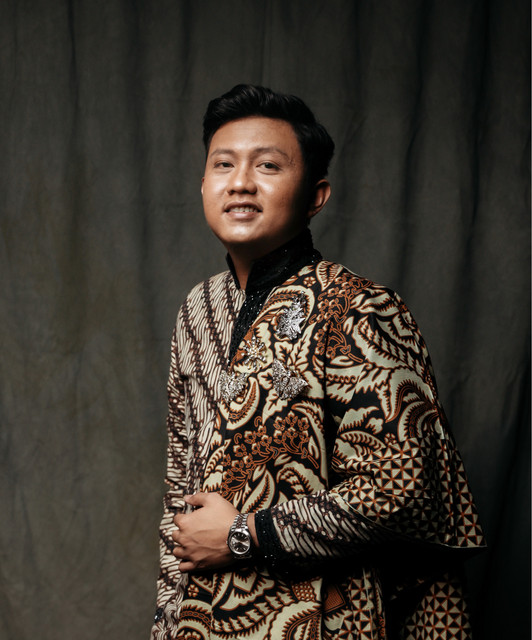
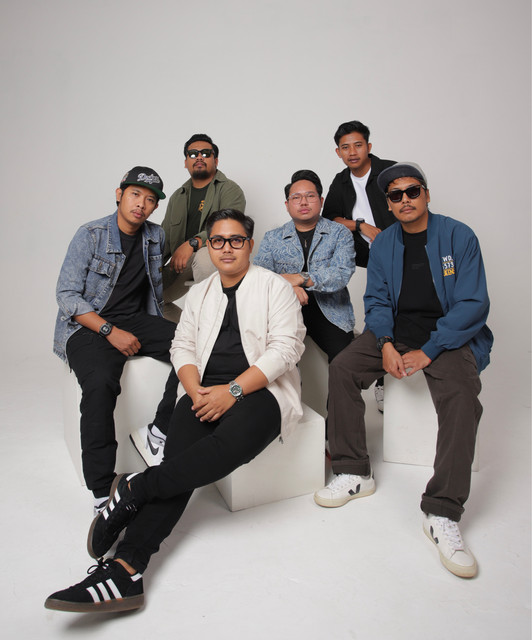
Sadewok
2025
·
2 albums
Listen
3
/5
Genres
Lagu Timur
Lagu timur (Indonesian for "eastern songs") is a contemporary pop current that emerged from Eastern Indonesia—especially Maluku, Papua/West Papua, and Nusa Tenggara. It blends mellow pop songwriting with light reggae/dancehall grooves, acoustic guitar or ukulele strums, and simple trap/808-era production. Lyrics often switch between Indonesian and regional Malay varieties (Ambon Malay, Kupang Malay), carrying local slang and cadences that make the songs feel intimate and community-rooted. Typical tracks center on love, loyalty, friendship, and family, delivered with sing-along hooks and uncomplicated major-key harmonies. The sound is distinctly DIY—home studios, YouTube-first releases, and social virality (later TikTok)—which helped propel the style nationwide and into the Indonesian diaspora.
Discover
Listen
Koplo
Koplo (often called "dangdut koplo") is a high-energy, club-ready evolution of Indonesian dangdut that emerged from East Java in the early 2000s. It is defined by a faster tempo, driving "kendang koplo" drum patterns (influenced by Sundanese jaipongan), and lively organ/keyboard harmonies that support sing-along melodies. Performances are highly participatory and dance-focused (goyang), with call-and-response between singer, band, and crowd. Lyrically, koplo keeps the heart of dangdut—romance, everyday life, longing—while its arrangements push toward pop hooks and rhythmic breakdowns suited to large outdoor stages and viral remixes. In the 2010s–2020s it crossed into mainstream Indonesian pop via "pop koplo" and became a staple of DJ remixes (“DJ koplo”).
Discover
Listen
Dangdut
Dangdut is a popular Indonesian dance music that blends Malay orkes Melayu roots with Indian film-music melodicism, Arabic ornamentation, and Western pop/rock arrangement. Its onomatopoeic name comes from the low “dang” and high “dut” strokes of the hand drum pattern, evoking tabla/dholak- or kendang-like timbres. Typical ensembles combine traditional instruments (kendang, suling/flute) with electric guitars, keyboards, bass, and modern drum kits. Vocals are melismatic and expressive, often featuring call-and-response with the audience, and lyrics span romance, everyday life, moral reflection, and social commentary. On stage, dangdut is festive and participatory, with signature dance moves (goyang) and a strong emphasis on groove.
Discover
Listen
Lagu Jawa
Lagu Jawa (literally “Javanese songs”) is a Javanese‑language song tradition that bridges classical Javanese aesthetics with Indonesian popular music formats. Its melodies often trace back to gamelan’s sléndro and pélog tonalities, while its arrangements borrow from keroncong’s string textures and, later, dangdut and campursari rhythm sections. Vocals feature ornate cengkok and sindhen-inspired melismas, and lyrics alternate between ngoko and krama registers of the Javanese language, exploring love, longing, humor, and everyday life. Today, Lagu Jawa spans classic langgam Jawa, cassette-era campursari, and contemporary “Pop Jawa,” thriving on radio, wedding stages, and digital platforms alike.
Discover
Listen
Albums
2025
2
/5
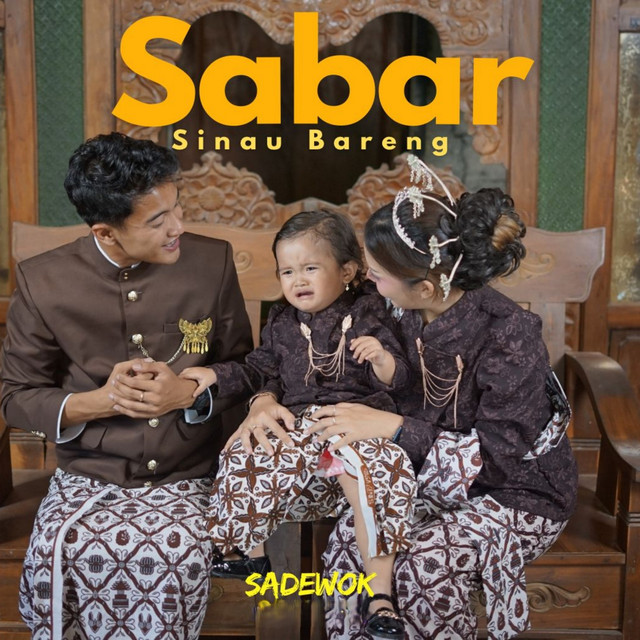
Sabar (Sinau Bareng)
Sadewok
Lagu Jawa
Dangdut
Lagu Timur
2025
1
/5
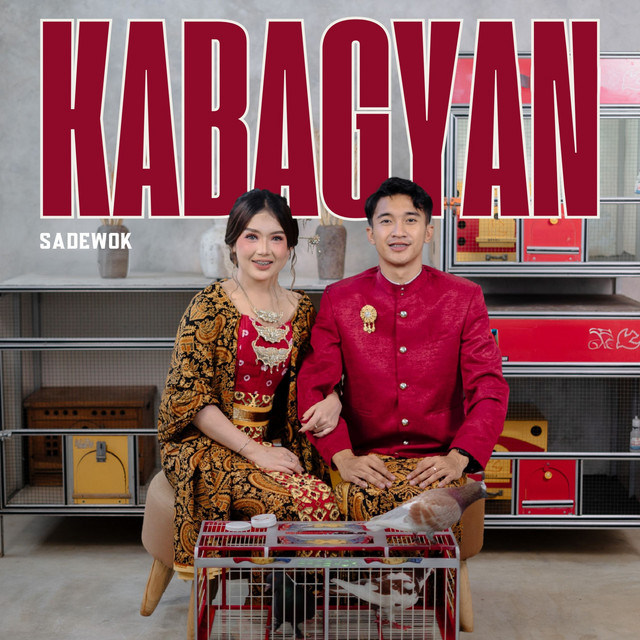
Kabagyan
Sadewok
Lagu Timur
Similar artists
3
/5
DJ ManikCi
Funkot
Lagu Jawa
Dangdut
3
/5
Fauzana
Pop Minang
Batak
Malay Pop
3
/5
Divalova
Dangdut
Funkot
Hipdut
4
/5
NDX A.K.A.
Dangdut
Funkot
Lagu Timur
4
/5
Denny Caknan
Lagu Jawa
Dangdut
Koplo
4
/5
Guyon Waton
Lagu Jawa
Dangdut
Funkot
3
/5
Masdddho
Dangdut
Lagu Jawa
Funkot
4
/5
Juan Reza
Dangdut
Funkot
Batak
4
/5
Silet Open Up
Dangdut
Funkot
Lagu Timur
4
/5
Fresly Nikijuluw
Batak
Dangdut
Funkot
Download our mobile app
Get the Melodigging app and start digging for new genres on the go
Download on the App Store
Get it on Google Play
© 2026 Melodigging
Give feedback
Legal
Melodding was created as a tribute to
Every Noise at Once
, which inspired us to help curious minds keep digging into music's ever-evolving genres.