Genres
Artists
Albums
Make Music
Sign in
Sign in
Artists
Afro-Cuban Jazz
Artists
Afro-Cuban Jazz
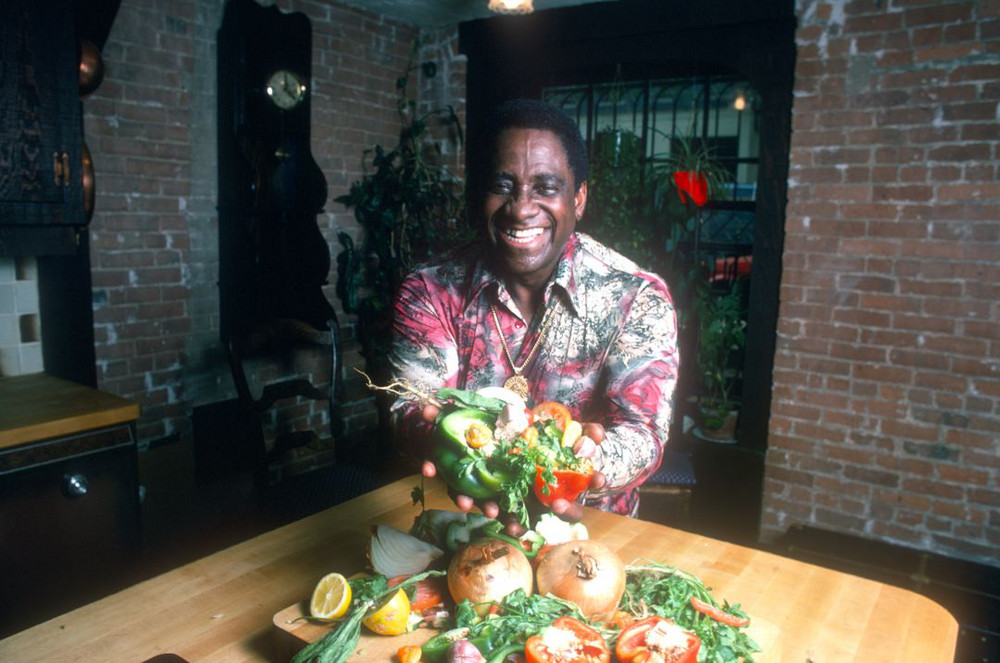
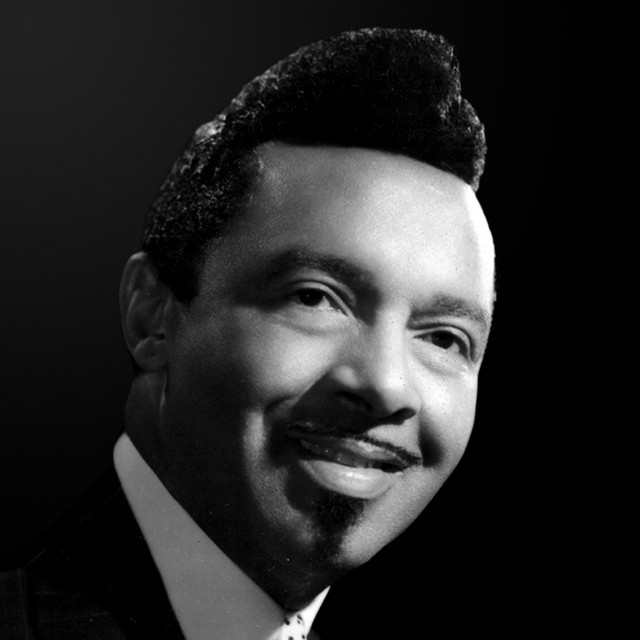
Sabu Martinez
1957–2011
·
4 albums
Listen
1
/5
Genres
Exotica
Exotica is a mid‑century style of mood music that blends jazz harmony, easy‑listening orchestration, and a collage of global percussion and timbral signifiers meant to evoke imaginary tropical, Polynesian, Asian, African, and Latin locales. Characterized by vibraphone and marimba leads, lush strings, woodwinds, wordless vocals, bird calls, gongs, and abundant reverberation, it creates a cinematic “armchair travel” experience. Rather than documenting specific traditions, exotica assembles stylized sound cues—Afro‑Cuban grooves, Polynesian drum patterns, pentatonic and whole‑tone colors—into atmospheric mini‑dramas. The genre flourished alongside postwar tiki culture and hi‑fi/stereo demonstrations, prioritizing vivid spatial staging and evocative orchestration over virtuoso soloing.
Discover
Listen
Afro-Cuban Jazz
Afro-Cuban jazz (often historically called Cubop) is a fusion of Afro-Cuban rhythmic traditions and North American jazz harmony, melody, and improvisation. It sets jazz writing and soloing inside the matrix of the clave, combining straight-eighth Afro-Cuban grooves (mambo, rumba, son montuno, danzón) with big-band and bebop vocabulary. Hallmarks include piano montunos (guajeos), tumbao bass lines, horn mambos and moñas (syncopated riffs), and a percussion section of congas, bongos, timbales, cowbell, and claves. The result is music that is harmonically sophisticated yet dance-driven, balancing arranged horn passages with open sections for improvisation, and emphasizing call-and-response and layered polyrhythms.
Discover
Listen
Latin Jazz
Latin jazz is a fusion of jazz harmony and improvisation with Afro–Latin American rhythms, song forms, and percussion. It combines the swing, bebop, and big-band traditions with clave-based grooves such as son, rumba, danzón, and mambo, and later integrates Brazilian feels like samba and bossa nova. Typical features include the use of the clave (2–3 or 3–2), piano montunos (guajeos), bass tumbao patterns, timbales cáscara, conga marcha, and call-and-response horn "mambo" figures. While the rhythm section locks into cyclical patterns, soloists improvise using the vocabulary of jazz, creating music that is both danceable and harmonically rich.
Discover
Listen
Rumba Cubana
Rumba cubana is an Afro‑Cuban secular music and dance tradition born in the working‑class solares and dockyards of Havana and Matanzas in the late 19th century. It is percussion‑driven, sung in call‑and‑response, and danced in a highly interactive way. The genre revolves around the rumba clave (in 3‑2 or 2‑3 orientation), interlocking conga (tumbadora) parts, wooden sticks (palitos) on the drum shell, and often cajones (wooden boxes) and chekeré. Its main substyles are yambú (slow and graceful), guaguancó (medium tempo, playful “vacunao” courtship gesture), and columbia (fast, often in 12/8, originally a solo male competitive dance). Rumba cubana is distinct from the ballroom “rhumba.” It is a community practice that blends Central/West African rhythmic logics with Spanish song poetry, improvisation, and dance theater.
Discover
Listen
Santería Music
Santería music (música de la Regla de Ocha/Lucumí) is the sacred Afro‑Cuban repertoire used to venerate the orishas, blending Yoruba religious song and drumming with elements absorbed in colonial Cuba. It is characterized by polyrhythmic ensembles of batá drums (iyá lead drum, itótele, and okónkolo), iron bell (ogán), and beaded gourds (chekeré). Voices are organized in call‑and‑response between a lead singer (akpwón) and a chorus, sung in Lucumí (a Yoruba-derived liturgical language) with occasional Spanish refrains. Melodies are mostly syllabic and narrow in range, prioritizing rhythm, timbre, and ritual text over harmonic development. Performances center on codified rhythmic cycles (toques) and song suites associated with specific deities (e.g., Changó, Yemayá, Ochún, Elegguá, Ogún). In ceremonial contexts, the music serves divination, invocation, and possession trance, while public bembé gatherings and staged folkloric versions adapt the same vocabulary for secular presentation.
Discover
Listen
Yoruba Music
Yoruba music refers to the traditional and popular musical practices of the Yoruba people of southwestern Nigeria and neighboring regions. It is built on polyrhythmic drum ensembles, call‑and‑response vocals, and praise poetry (oríkì) that celebrates deities, lineages, and notable individuals. Core instruments include the dùndún (talking drum) family, bàtá drums used in Òrìṣà ceremonies, sẹ̀kẹ̀rẹ̀ (gourd rattle), agogô (iron bell), sakara (frame drum), omele (support drums), and agídìgbò (a box lamellophone/bass thumb piano). Melodies closely follow the tonal contours of the Yoruba language, while lead drummers “speak” phrases on pressure drums. Across the 20th century, Yoruba music provided the foundation for modern styles such as jùjú, apala, sakara, waka, and fuji, and strongly informed pan‑African and global genres like afrobeat and afrobeats.
Discover
Listen
Albums
2011
1
/5
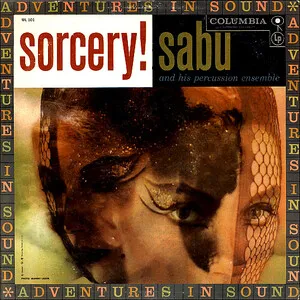
Sorcery!
Sabu and His Percussion Ensemble
Santería Music
Yoruba Music
1973
1
/5
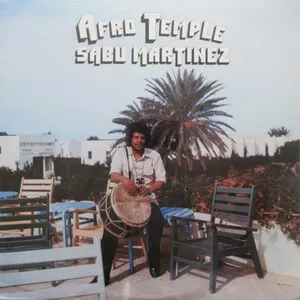
Afro Temple
Sabú Martínez
Afro-Cuban Jazz
1961
2
/5
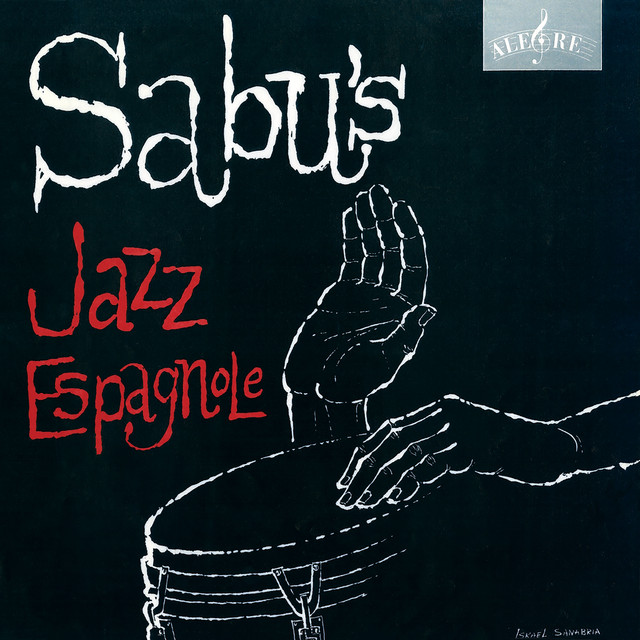
Sabu's Jazz Espagnole
Sabú Martínez
Afro-Cuban Jazz
Rumba Cubana
1957
1
/5
Palo congo
Sabu
Rumba Cubana
Similar artists
3
/5
Mongo Santamaria
Rumba Cubana
Boogaloo
Mambo
2
/5
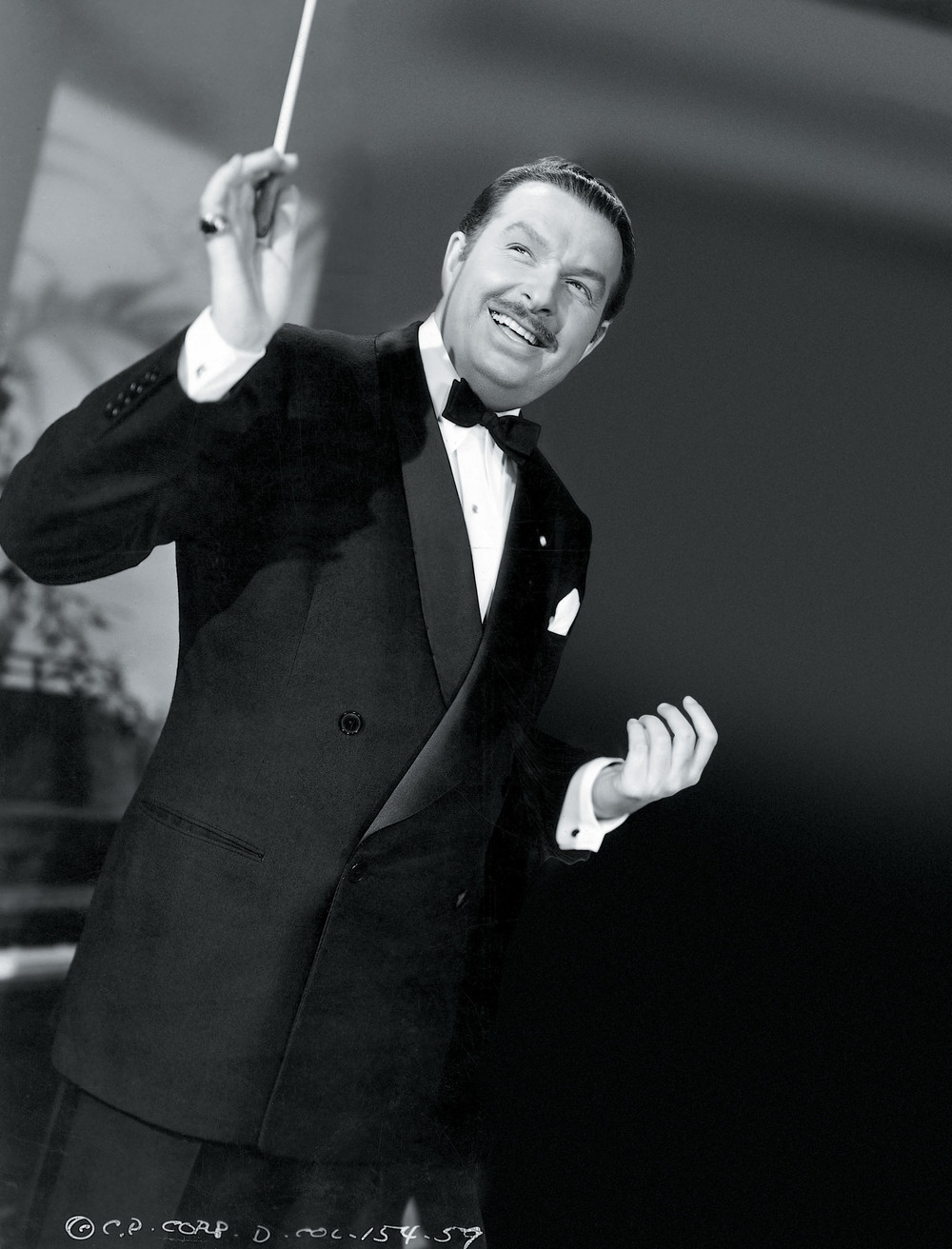
Xavier Cugat
Rumba Cubana
Rhumba
Rumba
3
/5
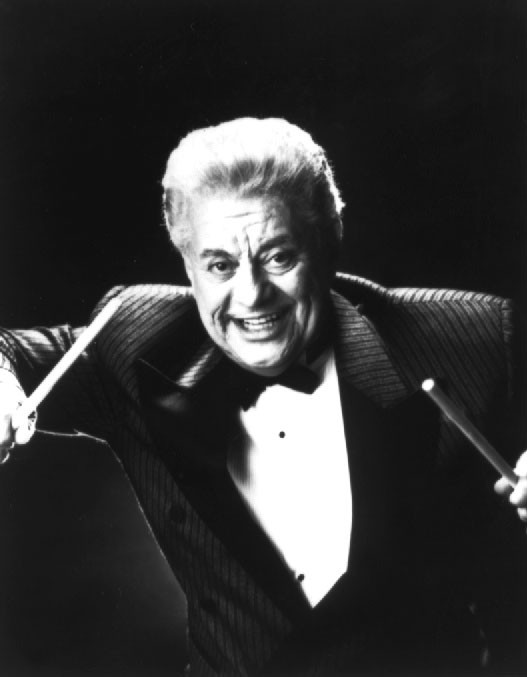
Tito Puente
Mambo
Chachachá
Latin
3
/5
Pérez Prado
Mambo
Space Age Pop
Latin Jazz
3
/5
Eddie Palmieri
Salsa
Salsa Dura
Latin Jazz
3
/5
Cal Tjader
Exotica
Jazz
Mambo
2
/5
Stan Kenton
Progressive Big Band
Big Band
Cool Jazz
2
/5
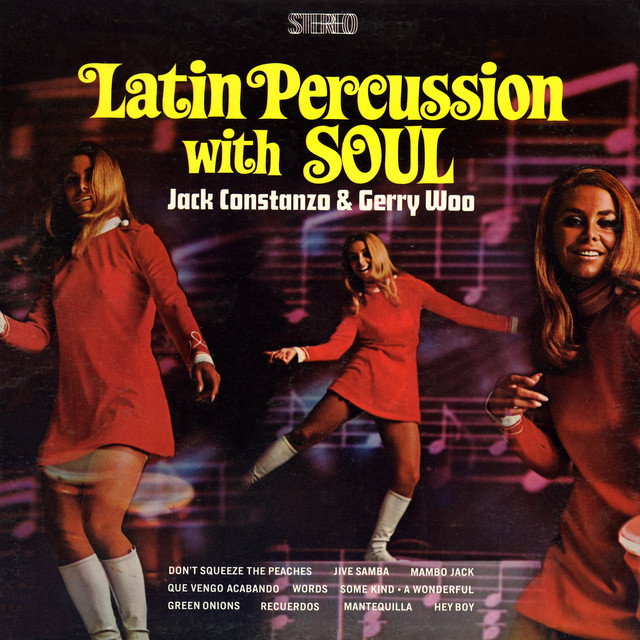
Jack Costanzo
Chachachá
Exotica
Latin Jazz
3
/5
Manuel Galbán
Latin Jazz
Afro-Cuban Jazz
Chachachá
4
/5
Buena Vista Social Club
Son Cubano
Bolero
Latin
Download our mobile app
Get the Melodigging app and start digging for new genres on the go
Download on the App Store
Get it on Google Play
© 2026 Melodigging
Give feedback
Legal
Melodding was created as a tribute to
Every Noise at Once
, which inspired us to help curious minds keep digging into music's ever-evolving genres.