Genres
Artists
Albums
Make Music
Sign in
Sign in
Artists
Chachachá
Artists
Chachachá
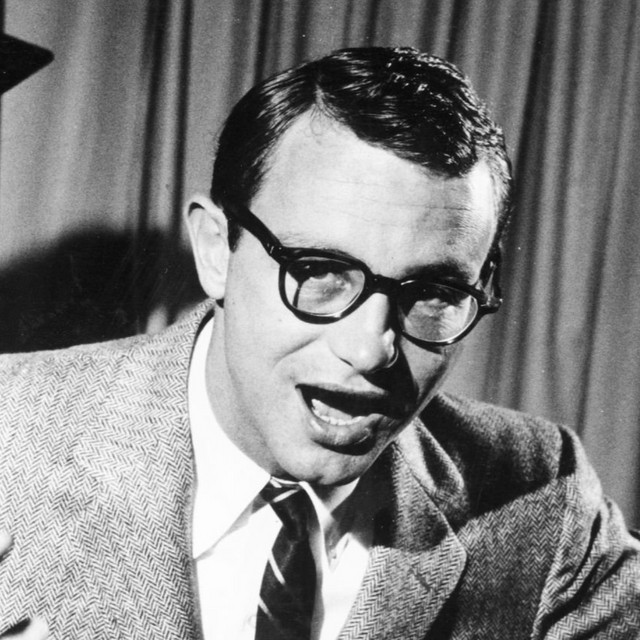
Jack Costanzo
1958
·
2 albums
Listen
2
/5
Genres
Souldies
Souldies is a modern revival of classic lowrider “oldies” soul—slow, tender ballads rooted in 1960s and early-’70s sweet soul and doo‑wop aesthetics, reimagined by a new generation of largely Chicano/Latinx artists in Southern California. Characterized by warm, analog-leaning production, mellow backbeats, honeyed vocal harmonies, and heart‑on‑sleeve lyricism, the style favors mid‑slow tempos, tape‑like saturation, spring/plate reverb, and minimalist yet expressive arrangements. English and Spanish (or Spanglish) lyrics often explore love, longing, devotion, and cruising/lowrider culture. Souldies sits at the intersection of classic soul, rhythm & blues, northern soul selections, and Latin soul, offering a contemporary, community‑centered sound that feels both timeless and newly personal.
Discover
Listen
Chachachá
Chachachá is a Cuban dance‑music genre that emerged in early‑1950s Havana as a dancer‑friendly offshoot of danzón‑mambo. It is typically performed by charanga ensembles—flute and violins over piano, bass, güiro, and timbales—producing a light, elegant sonority distinct from the brass‑heavy mambo big bands. The groove is mid‑tempo with a clear, even pulse that supports the signature “cha‑cha‑chá” triple step heard in the dancers’ feet. Melodies are tuneful and diatonic, harmonies favor simple I–IV–V movements with occasional II–V turnarounds, and arrangements move from a lyrical cuerpo to a montuno section featuring coro‑pregón call‑and‑response, piano tumbao, and tasteful flute improvisations. The name “chachachá” is often traced to the shuffling sound of the dancers’ steps; composer‑violinist Enrique Jorrín simplified mambo syncopations to make the beat more square and intelligible, which helped the style spread worldwide through social and ballroom dance.
Discover
Listen
Exotica
Exotica is a mid‑century style of mood music that blends jazz harmony, easy‑listening orchestration, and a collage of global percussion and timbral signifiers meant to evoke imaginary tropical, Polynesian, Asian, African, and Latin locales. Characterized by vibraphone and marimba leads, lush strings, woodwinds, wordless vocals, bird calls, gongs, and abundant reverberation, it creates a cinematic “armchair travel” experience. Rather than documenting specific traditions, exotica assembles stylized sound cues—Afro‑Cuban grooves, Polynesian drum patterns, pentatonic and whole‑tone colors—into atmospheric mini‑dramas. The genre flourished alongside postwar tiki culture and hi‑fi/stereo demonstrations, prioritizing vivid spatial staging and evocative orchestration over virtuoso soloing.
Discover
Listen
Latin Jazz
Latin jazz is a fusion of jazz harmony and improvisation with Afro–Latin American rhythms, song forms, and percussion. It combines the swing, bebop, and big-band traditions with clave-based grooves such as son, rumba, danzón, and mambo, and later integrates Brazilian feels like samba and bossa nova. Typical features include the use of the clave (2–3 or 3–2), piano montunos (guajeos), bass tumbao patterns, timbales cáscara, conga marcha, and call-and-response horn "mambo" figures. While the rhythm section locks into cyclical patterns, soloists improvise using the vocabulary of jazz, creating music that is both danceable and harmonically rich.
Discover
Listen
Afro-Cuban Jazz
Afro-Cuban jazz (often historically called Cubop) is a fusion of Afro-Cuban rhythmic traditions and North American jazz harmony, melody, and improvisation. It sets jazz writing and soloing inside the matrix of the clave, combining straight-eighth Afro-Cuban grooves (mambo, rumba, son montuno, danzón) with big-band and bebop vocabulary. Hallmarks include piano montunos (guajeos), tumbao bass lines, horn mambos and moñas (syncopated riffs), and a percussion section of congas, bongos, timbales, cowbell, and claves. The result is music that is harmonically sophisticated yet dance-driven, balancing arranged horn passages with open sections for improvisation, and emphasizing call-and-response and layered polyrhythms.
Discover
Listen
Mambo
Mambo is a Cuban dance music style that crystallized in the late 1930s from danzón and son montuno, then exploded internationally in the 1940s and 1950s. It is characterized by layered syncopations under the Afro‑Cuban clave, driving bass tumbaos, piano montunos, and powerful antiphonal horn riffs known as moñas or "mambo" sections. In its classic big‑band form, mambo blends Cuban rhythmic vocabulary with jazz and swing arranging, featuring trumpets, trombones, and saxophones over a rhythm section of congas, bongos, timbales, cowbell, bass, and piano. The result is high‑energy, riff‑driven music built for social dancing and floor‑filling excitement.
Discover
Listen
Albums
1958
1
/5
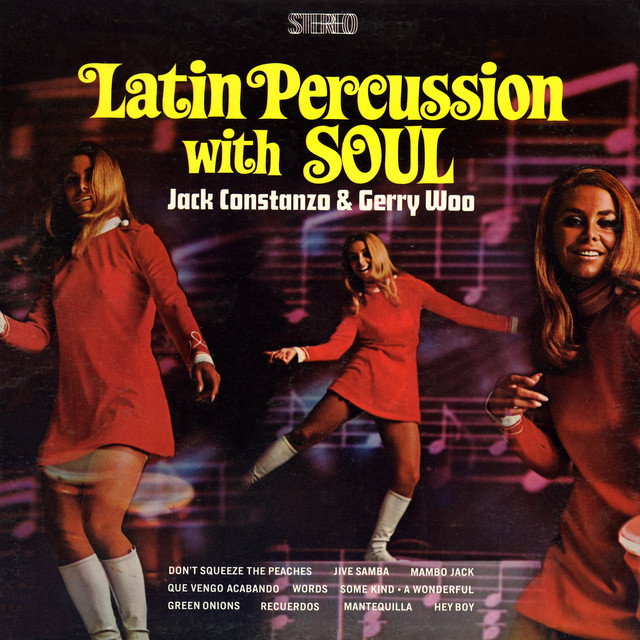
Latin Fever
Jack Costanzo
Afro-Cuban Jazz
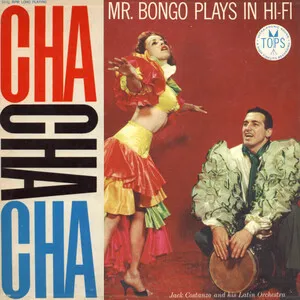
Mr. Bongo Plays Hi-Fi Cha Cha
Jack Costanzo
Chachachá
Similar artists
3
/5
Pérez Prado
Mambo
Space Age Pop
Latin Jazz
2
/5
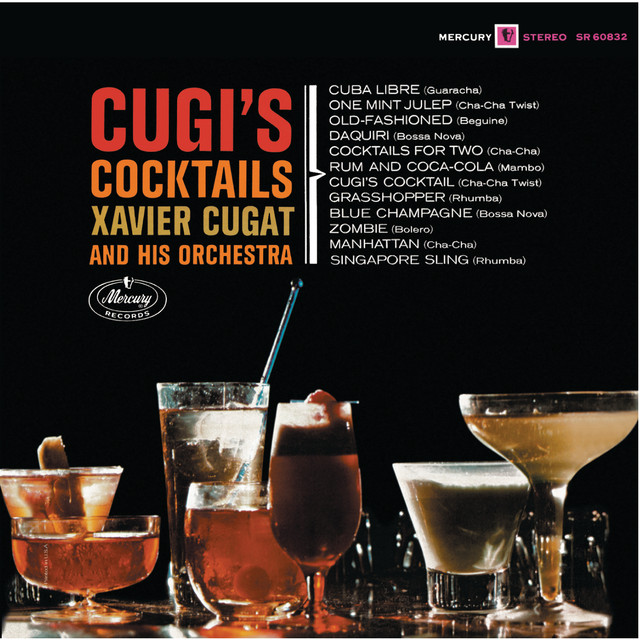
Xavier Cugat
Rumba Cubana
Rhumba
Rumba
3
/5
Cal Tjader
Exotica
Jazz
Mambo
3
/5
Manuel Galbán
Latin Jazz
Afro-Cuban Jazz
Chachachá
1
/5
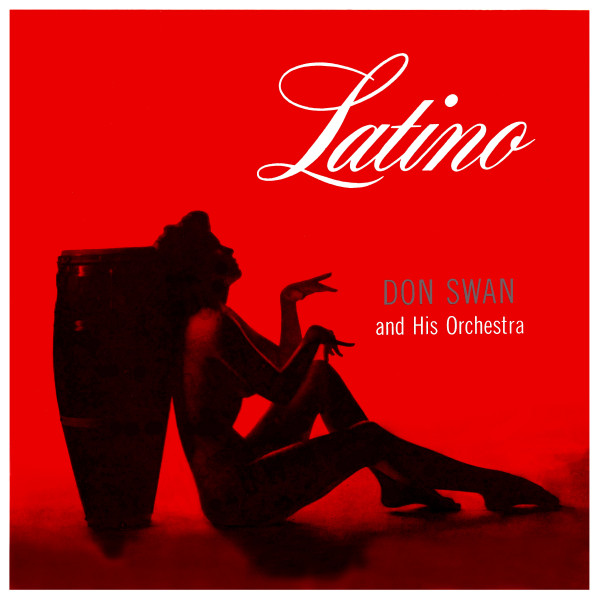
Don Swan
Chachachá
Exotica
Latin Jazz
3
/5
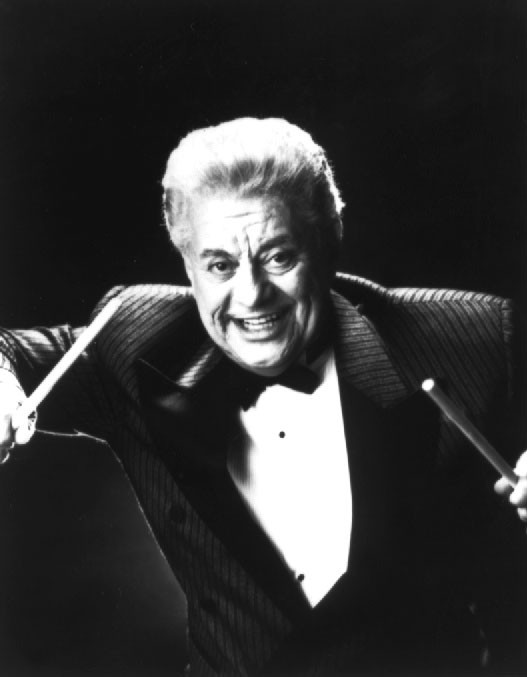
Tito Puente
Mambo
Chachachá
Latin
2
/5
Xavier Cugat & His Orchestra
Mambo
Rhumba
Rumba
1
/5
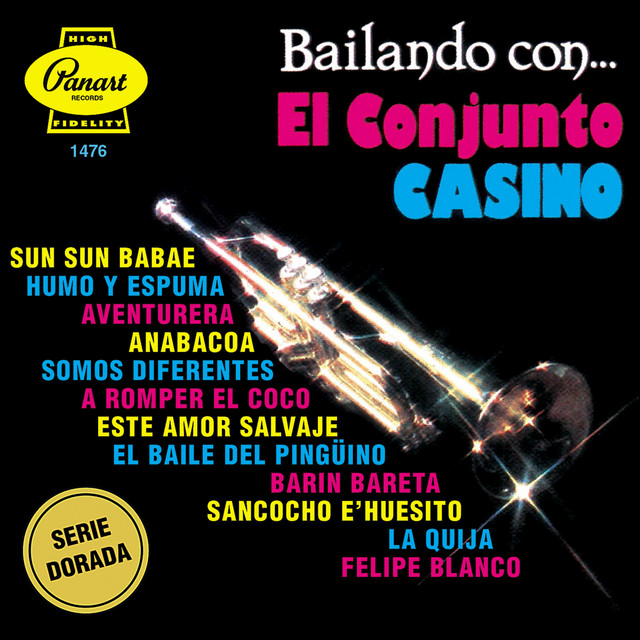
Conjunto Casino
Bolero
Chachachá
Exotica
1
/5
Jack Costanzo And His Afro Cuban Band
Chachachá
Exotica
Latin Jazz
1
/5
Tito Rodríguez Y Su Orquesta
Chachachá
Exotica
Latin Jazz
Download our mobile app
Get the Melodigging app and start digging for new genres on the go
Download on the App Store
Get it on Google Play
© 2026 Melodigging
Give feedback
Legal
Melodding was created as a tribute to
Every Noise at Once
, which inspired us to help curious minds keep digging into music's ever-evolving genres.