Genres
Artists
Albums
Make Music
Sign in
Sign in
Artists
Flamenco
Artists
Flamenco
Rvfv
2019–2025
·
4 albums
Listen
4
/5
Genres
Cumbia 420
Cumbia 420 is a contemporary Argentine micro‑genre that fuses the 2/4 swing and keyboard riffs of cumbia villera with the dembow/reggaetón pulse and trap/hip‑hop aesthetics. Built around minor‑key synth hooks, booming 808 sub‑bass, whistle/lead “silbido” lines and heavily Auto‑Tuned vocals, it keeps cumbia’s street‑party groove while adopting urban club sound design and lyrical themes tied to barrio life and cannabis (“420”). The result is a raw, dance‑forward style that sits between a cumbia sound system and an urban club set: simple, sticky melodies; aggressive percussive programming; and catchy call‑and‑response hooks designed for social media virality and neighborhood parties.
Discover
Listen
Afropiano
Afropiano is a contemporary fusion that marries the songwriting, vocal phrasing, and rhythmic sensibilities of West African Afrobeats with the deep, percussive textures of South Africa’s Amapiano. It retains Amapiano’s signature log drum bass, shaker-led swing, and soulful pads, while adopting Afrobeats’ catchy hooks, call-and-response choruses, and concise, radio-friendly structures. The result is a warm, dance-floor-oriented sound with mid-tempo grooves, plush jazz/house harmonies, and lyrics that often blend English, Nigerian Pidgin, and local languages.
Discover
Listen
Latin Tech
Latin tech (often labeled Latin Tech on Beatport) is a modern, dance‑floor‑focused offshoot of tech house that foregrounds Latin American rhythmic vocabulary and timbres while keeping the sleek, driving 4/4 engine of tech house. Expect tight, minimal arrangements built around punchy kicks, syncopated percussion (congas, bongos, rimshots, güira), tumbao‑inspired bass motion and short, chant‑like Spanish or Portuguese vocal hooks. Compared with classic Latin house, Latin tech leans on the sound design, loop discipline and DJ‑friendly structure associated with tech house, prioritizing hypnotic grooves over harmonic complexity. Producers and DJs from across Latin America helped consolidate the sound, and in the early‑to‑mid‑2020s Beatport formalized the tag as a dedicated subgenre within Tech House.
Discover
Listen
Flamenco Urbano
Flamenco urbano is a contemporary Spanish fusion that blends core elements of flamenco—cante jondo vocal timbre, palmas handclaps, rasgueado and picado guitar, cajón, and the Andalusian cadence—with modern urban production such as reggaeton dembow, trap 808s, hip‑hop sampling, and R&B toplines. Compared with the earlier nuevo flamenco, which often merged flamenco with jazz, rock, and pop, flamenco urbano is explicitly grounded in post-2010s urban idioms and streaming-era aesthetics. It often features autotuned melisma, loop-based harmonies, processed claps, sparse bass-forward beats, and lyrics that pivot between street realism, romance, pride, and cultural identity. The result is music that can be club-ready and rhythmically infectious while retaining the emotive intensity and ornamentation of flamenco.
Discover
Listen
Previa
Previa is a contemporary Argentine pre‑party DJ style built around high‑energy edits, bootlegs, and mashups designed to kick off the night. The name comes from the colloquial “la previa,” the pregame gathering before going out, and the music’s job is to turn familiar Latin pop, reggaeton, and regional hits into floor‑ready, faster, harder versions. Sonically, previa lives between tech‑house tempo and reggaeton sensibilities: hooks are sped up, drops hit with big sidechained bass, and builds are short and dramatic. DJs chop sing‑along choruses, stack hypechants and FX, and slam dembow or four‑on‑the‑floor kick patterns under recognizable vocals. The vibe is extroverted, party‑starting, and unapologetically functional—made for mass sing‑backs and immediate dancing.
Discover
Listen
Reggaeton Chileno
Reggaeton chileno is the Chilean iteration of urbano built on the classic dembow pulse, but colored by local slang, DIY internet aesthetics, and frequent crossover with Latin trap and pop. The style keeps reggaeton’s dance‑floor focus while alternating between glossy, melodic hooks and grittier street energy. Chilean artists often rap‑sing with heavy autotune over minimal, sub‑driven beats, blending romantic themes with barrio pride and club culture. From neoperreo’s avant‑club experiments to radio‑ready hits, the scene is both online‑native and chart‑minded, reflecting Chile’s vibrant, collaborative urbano ecosystem.
Discover
Listen
Reggaeton Mexa
Reggaeton mexa is the Mexican take on reggaetón, fusing the classic dembow pulse with local slang, humor, and references to Mexican youth culture. It leans on viral, dance‑oriented hooks and streetwise storytelling, often delivered with bold, tongue‑in‑cheek bravado. Beyond straight perreo, producers and artists frequently blend elements from regional mexicano and cumbia with modern urbano textures (808s, crisp claps, autotune‑forward vocals). The result is a distinctly Mexican club sound that thrives on social media, parties, and neighborhood scenes in Mexico City, Monterrey, and Guadalajara.
Discover
Listen
Urbano Mexicano
Urbano mexicano is the Mexican take on Latin urban music, blending reggaeton’s dembow pulse and trap’s 808 heaviness with Spanish lyrics, Mexican slang, and local storytelling. It favors sleek, dance‑ready productions, sing‑rap toplines, and catchy hooks designed for streaming and social platforms. Themes span party and romance to barrio life and digital‑age swagger, often flipping between melodic crooning and percussive rap cadences. While globally aligned with urbano latino, its sonic palette and cultural references anchor it distinctly in Mexico’s youth culture.
Discover
Listen
Rkt
RKT is a high‑energy Argentine take on urbano dance music that hardens the classic dembow/reggaeton pulse with the punch and party ethos of local cumbia scenes. It favors minimal, rhythm‑centric beats, heavy 808s, crisp kick‑snare patterns, and crowd‑hyping FX such as sirens, brass stabs, and risers. Vocals typically come in short, hooky chants and straightforward verses delivered in street‑level Spanish slang, designed for immediate dance‑floor and social‑media impact. Sonically it sits between reggaeton, DJ edit culture and Argentine cumbia (especially the villera tradition), keeping arrangements lean so the groove and drops hit as hard as possible.
Discover
Listen
Twerk
Twerk is a high-energy club and festival style built around pounding 808 bass, head-nodding half‑time grooves at double‑time feel, and chantable hooks designed for the dancefloor. Typically sitting near 95–110 BPM, its percussion borrows the call‑and‑response patterns and bounce of New Orleans Bounce while embracing the sub‑heavy thump and party-forward attitude of Miami Bass. Modern productions often fold in trap-style hi-hats, crowd commands, and minimal, catchy riffs, prioritizing rhythm and movement over complex harmony.
Discover
Listen
Pop Urbaine
Pop urbaine is a French mainstream pop style that blends contemporary R&B, hip hop, Afrobeats, dancehall, zouk, raï, and reggaeton with chart‑friendly songwriting. It emphasizes melodic hooks, mid‑tempo grooves, and sleek vocal production (often with Auto‑Tune) while foregrounding everyday, romantic, and nightlife themes in colloquial French. Rhythmically it favors syncopated Afro‑Caribbean patterns, sparse but bouncy 808 drums, and light guitar or synth plucks, creating a buoyant, danceable feel without the aggressiveness of club music. Vocals typically alternate between sung refrains and rap‑influenced verses, with catchy refrains designed for streaming and social media virality. The genre became a defining sound of French popular culture in the late 2010s, driven by a new generation of Francophone artists with diasporic roots who globalized French pop while keeping its language and local slang at the center.
Discover
Listen
Neoperreo
Neoperreo is a 2010s, internet-native reboot of reggaeton’s perreo culture, spearheaded by a DIY, club-oriented scene that embraces queer, feminist, and body-positive values. It keeps the genre’s dembow backbone while pushing sound design into heavier 808s, crisp digital percussion, and glossy autotuned vocals. Aesthetically, it borrows from global/experimental club currents, moombahton’s mid-tempo thump, and hyperpop’s online sensibility, yielding tracks that are minimal yet hard-hitting, hooky but adventurous. Neoperreo thrives in parties, YouTube/SoundCloud ecosystems, and pop-up scenes across Latin America, Spain, and the diaspora—designed first and foremost for the dancefloor and for perreo.
Discover
Listen
Latin Afrobeats
Latin Afrobeats is a hybrid of West African Afrobeats and Latin urban pop in which Spanish (and sometimes Portuguese) lyrics ride syncopated, polyrhythmic grooves. It marries Afrobeats’ swung shakers, off‑beat hi‑hats, guitar licks, and buoyant bass with dembow and dancehall drum patterns common to reggaeton and Latin pop. The result is a bright, dance‑forward style with catchy toplines, call‑and‑response hooks, and concise song forms tailored to streaming. Production tends to be minimal yet percussive, with Afro‑percussion (shekere, conga/bongo colors), plucked guitars or synth plucks, and warm sub‑bass supporting melodies that often draw on pentatonic or natural minor scales. Themes revolve around romance, partying, and feel‑good celebration, making the music equally at home in clubs and playlists.
Discover
Listen
Big Room House
Big room house is a festival-focused strain of EDM built for massive sound systems and outdoor main stages. It typically runs around 126–132 BPM (most commonly 128), uses four-on-the-floor kick patterns, and features huge, simple lead riffs designed to be instantly memorable to large crowds. A defining trait is the contrast between cinematic, reverb-washed breakdowns and ultra-dry, percussive drops driven by a powerful kick, sub, and a few bold supersaw or horn-like synth stabs. Arrangements lean on dramatic builds with snare rolls, risers, and crowd-hyping vocal chops, culminating in drops that emphasize impact over harmonic complexity.
Discover
Listen
Trap Boricua
Trap boricua is the Puerto Rican strain of Latin trap: a Spanish-language take on Southern U.S. trap aesthetics fused with the island’s reggaetón DNA and hip‑hop tradition. It is characterized by halftime 4/4 grooves (typically 65–75 BPM, or 130–150 BPM counted double‑time), heavy 808 sub-bass with slides, skittering 1/16 hi‑hats and triplet rolls, crisp claps/snares on the halftime backbeat, and atmospheric pads or minor‑key synth motifs. Vocals often mix melodic Auto‑Tuned hooks with gritty rap verses, switching between rapid‑fire syllables and laid‑back flows. Lyrically, artists blend barrio storytelling, bravado (fronteo), luxury and street codes with Puerto Rican slang, while also opening space for romance, introspection, and social commentary. The sound frequently hybrids with reggaetón (dembow cadences), R&B, and drill, making it both club‑ready and mood‑driven.
Discover
Listen
Drill
Drill is a subgenre of hip hop that emerged on Chicago’s South Side in the early 2010s. It is defined by stark, menacing production; booming 808 sub‑bass with frequent pitch slides; skittering hi‑hats; and sparse, minor‑key melodies built from pianos, synth pads, strings, bells, or eerie soundscapes. Vocals are typically deadpan or urgent, with ad‑libs punctuating lines. Lyrically, drill foregrounds raw street reportage—survival, trauma, crews, and contested territory—often delivered with bleak realism. Tempos in original Chicago drill tend to sit around 60–75 BPM (often felt in double‑time), while later UK and New York scenes adopt 130–145 BPM grids with off‑kilter snare placement and distinctive sliding 808 patterns. The overall aesthetic prioritizes weighty low end, rhythmic tension, and an uncompromising mood.
Discover
Listen
Italian Trap
Italian trap is the Italian-language iteration of trap music that fuses Atlanta-rooted drum programming and 808-centric production with local slang, regional dialects, and Mediterranean melodic sensibilities. Built on rattling hi-hats, sliding 808 basses, and half-time grooves, the style leans heavily on Auto-Tune, catchy toplines, and minimal, moody harmonies. The lyrical focus blends street narratives and aspirational themes with references to Italian fashion, nightlife, and urban identities from Milan to Naples. From the mid-2010s onward, Italian trap became a dominant force in the country’s charts and streaming culture, introducing a new generation of stars and producers who helped redefine mainstream pop and hip hop in Italy.
Discover
Listen
Shatta
Shatta is a raw, high-energy French Caribbean take on dancehall that crystallized in the 2010s within the Guadeloupe–Martinique scene. It is powered by hard-hitting dembow-derived grooves, booming 808 sub-bass, clipped snares, and sirens/airhorns designed for clubs and car sound systems. Vocals—often in Antillean Creole and French—favor short, repetitive hooks, call-and-response chants, and provocative, party-focused or streetwise themes. Stylistically, Shatta blends Jamaican dancehall attitude with local French Antillean aesthetics (and some bouyon drive), plus trap-era sound design. The result is an aggressive, minimal, dancefloor-first sound that’s immediately “bashment” in feel yet distinct to the FWI (French West Indies).
Discover
Listen
Trap Pesado
Trap pesado is a Brazilian substyle of trap characterized by hard‑hitting, saturated 808s, clipped kicks, and ominous, minor‑key melodies. It emphasizes density and impact: dark pads or detuned synth leads sit under tight snare rolls and rapid, syncopated hi‑hats, while bass slides and distortion push the low end to the front. Lyrically it leans toward street realism, braggadocio, and nightlife imagery, often reflecting Brazil’s contemporary urban scenes. Compared with more melodic or plug‑influenced variants, trap pesado favors an aggressive, weighty mix and a colder, grittier mood designed for both club sound systems and headphone impact.
Discover
Listen
Trapfunk
Trapfunk is a Brazilian hybrid that fuses the drum programming, 808 bass, and hi‑hat articulations of trap with the syncopated tamborzão grooves, vocal cadences, and party‑ready attitude of funk carioca (baile funk). Tracks typically balance sparse, hard‑hitting trap frameworks with driving Brazilian funk percussion at 130–150 BPM, sliding 808s, and vocal deliveries that alternate between melodic hooks and rapid-fire chants. Lyrically, it draws on the street storytelling, ostentation, and party culture of the baile while adopting the darker textures and sound design of contemporary trap. The result is a club-optimized, bass-forward style that feels equally at home in the baile, on streaming playlists, and across social platforms, linking Brazil’s local funk scenes to global trap aesthetics.
Discover
Listen
Turreo
Turreo is a contemporary Argentine urban dance style that fuses reggaeton/dembow rhythms with the street-oriented energy of local RKT and the timbres of cumbia villera. Typically set around 90–105 BPM, it features punchy dembow drums, aggressive tom fills, sirens, and bright saw/pluck leads riding simple, catchy minor-key chord loops. Vocals lean on Argentine lunfardo slang and barrio storytelling—alternating between party, flirtation, and rough-edged romance—delivered with a direct, chantable flow designed for the dance floor. Aesthetically, turreo is raw, loud, and hook-driven. Its sound coalesced in Buenos Aires’ conurbano through DJs and MCs who shaped the vibe via YouTube, TikTok, club edits, and collaborative “sessions,” making it a defining strand of Argentina’s 2020s urbano wave.
Discover
Listen
Urbano Latino
Urbano latino is an umbrella term for contemporary Spanish‑language urban music that fuses reggaeton, Latin trap, hip hop, R&B, and Caribbean dancehall/dembow aesthetics. It prioritizes rhythm-heavy production built from the dembow pattern, booming 808s, syncopated hi‑hats, and sleek synth textures, often paired with melodic hooks, Auto‑Tuned vocals, and call‑and‑response choruses. While rooted in Puerto Rican and Panamanian innovations of the 1990s, the genre became a global pop force in the 2000s and 2010s, driven by streaming platforms and cross‑border collaborations. Lyrical themes typically center on romance, nightlife, swagger, empowerment, and street perspective, frequently delivered in Spanish or Spanglish. The result is a dance‑forward, hook‑rich style that comfortably crosses between club, radio, and festival stages.
Discover
Listen
Flamenco
Flamenco is a highly expressive musical and dance tradition from Andalusia that combines cante (song), toque (guitar), baile (dance), palmas (handclaps), and jaleo (shouts of encouragement). It is characterized by intricate rhythmic cycles called compás, intense vocal melismas with ornamental micro-inflections, and guitar techniques such as rasgueado, picado, alzapúa, golpe, and tremolo. Harmonically it often centers on the Phrygian mode and the Andalusian cadence (iv–III–II–I), creating a dramatic tension that complements the emotional depth of the lyrics, which frequently explore themes of love, loss, pride, and fate. Flamenco is organized into palos (forms) such as soleá, bulería, alegrías, seguiriyas, tientos/tangos, fandangos, tarantas, and rumba, each defined by its compás, mood, and traditional melodic/harmonic vocabulary.
Discover
Listen
Show all 23 genres
Albums
2025
3
/5
TORA
Rvfv
Flamenco
Flamenco Urbano
2025
3
/5
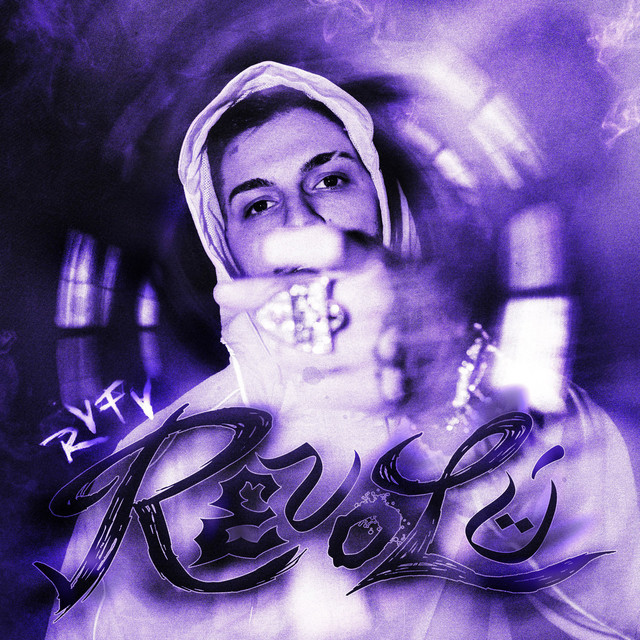
Revolú
Rvfv
Flamenco
Flamenco Urbano
2023
3
/5
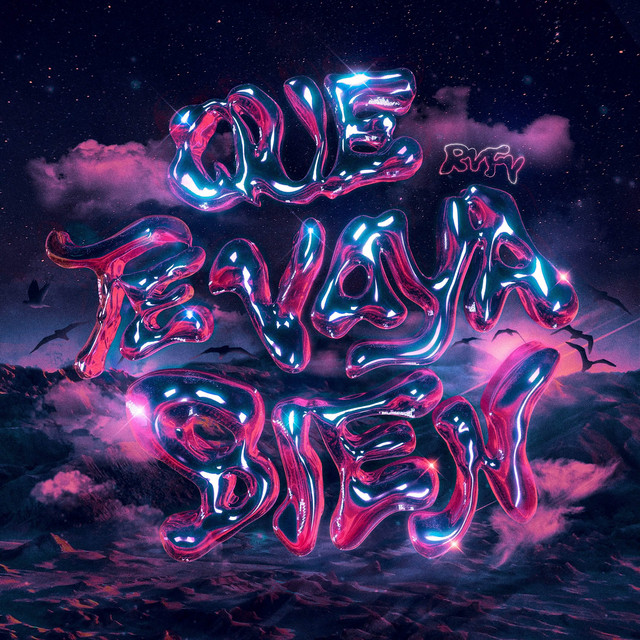
Que te vaya bien
Rvfv
Flamenco Urbano
Flamenco
2019
4
/5
Mirándote
Rvfv
Flamenco
Flamenco Urbano
Urbano Latino
Similar artists
5
/5
Arcángel
Reggaeton
Trap Latino
Urbano Latino
5
/5
Bad Bunny
Latin
Reggaeton
Trap Latino
5
/5
J Balvin
Reggaeton
Latin
Trap Latino
5
/5
Myke Towers
Reggaeton
Trap Latino
Trap Boricua
5
/5
Quevedo
Trap Latino
Reggaeton
Urbano Latino
5
/5
Ñengo Flow
Trap Boricua
Chilean Trap
Neoperreo
5
/5
Mora
Reggaeton
Trap Latino
Flamenco Urbano
5
/5
Justin Quiles
Reggaeton
Trap Boricua
Latin Afrobeats
5
/5
Hades66
Trap Latino
Flamenco Urbano
Melodic Drill
4
/5
Yung Beef
Flamenco Urbano
Previa
Reggaeton Chileno
Download our mobile app
Get the Melodigging app and start digging for new genres on the go
Download on the App Store
Get it on Google Play
© 2026 Melodigging
Give feedback
Legal
Melodding was created as a tribute to
Every Noise at Once
, which inspired us to help curious minds keep digging into music's ever-evolving genres.