Genres
Artists
Albums
Make Music
Sign in
Sign in
Artists
Bluegrass
Artists
Bluegrass
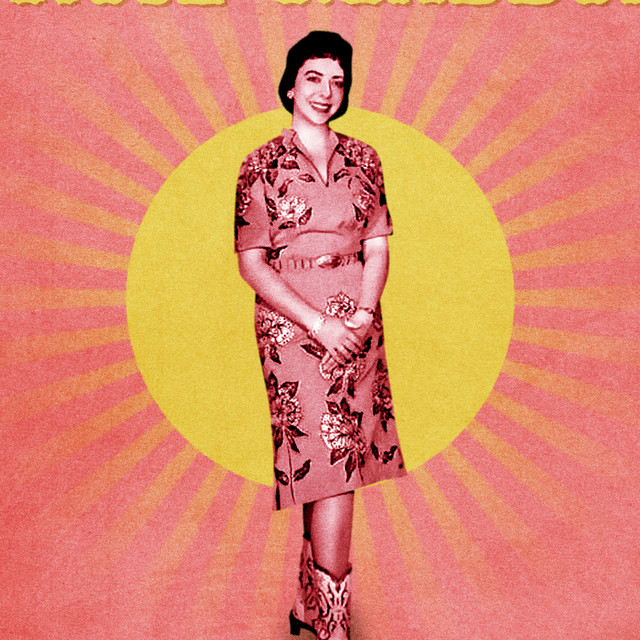
Rose Maddox
1962
·
1 album
Listen
1
/5
Genres
Rockabilly
Rockabilly is one of the earliest styles of rock and roll, fusing the twang and storytelling of Southern country ("hillbilly") with the driving backbeat and boogie of rhythm & blues and jump blues. It is marked by slap‑back echo on vocals and guitar, slapping upright bass, twangy hollow‑body electrics, and energetic, danceable grooves. The classic rockabilly sound emerged from mid‑1950s Memphis studios such as Sun Records, where minimal drum kits (or none at all) mixed with percussive bass and bright, overdriven guitars. Songs are typically short, hooky, and built on 12‑bar blues or simple I–IV–V progressions, with lyrics about love, cars, dancing, and youthful rebellion.
Discover
Listen
Bluegrass
Bluegrass is a style of American roots music that coalesced in the Appalachian region in the 1940s around Bill Monroe and his Blue Grass Boys. It is defined by all‑acoustic instrumentation (typically fiddle, mandolin, 5‑string banjo, guitar, and upright bass, with dobro often added), virtuosic ensemble interplay, and a distinctive “high lonesome” lead vocal timbre supported by tight three‑part harmonies. Musically, bluegrass fuses African American blues and jazz phrasing with Anglo‑Celtic ballads and dance tunes. Hallmarks include driving tempos, syncopated 3‑finger banjo rolls (popularized by Earl Scruggs), off‑beat mandolin “chop” backbeats, boom‑chuck guitar rhythm, two‑beat bass, and alternating instrumental “breaks.” Repertoires mix breakdowns and fiddle tunes with narrative ballads, gospel numbers, and contemporary songwriter material.
Discover
Listen
Honky Tonk
Honky tonk is a hard-edged, barroom strain of country music built for noisy dancehalls and roadside beer joints. It emphasizes a strong backbeat, simple I–IV–V harmony, and vivid storytelling about heartbreak, drinking, cheating, and working-class life. Sonically, it features twangy electric (often Telecaster) guitar, crying pedal steel or lap steel, fiddle, pounding honky-tonk piano with boogie-woogie figures, upright or electric bass, and a steady shuffle or two-step drum groove. Vocals are direct and emotive, often with a nasal twang and blue-note inflections, designed to cut through a lively room. Amplification and a danceable feel are central, reflecting its origins in Texas and Oklahoma bars after Prohibition, where musicians needed volume, rhythmic drive, and memorable hooks to reach listeners over clinking glasses and conversation.
Discover
Listen
Traditional Bluegrass
Traditional bluegrass is an acoustic string-band music that crystallized in the mid‑1940s around Bill Monroe and His Blue Grass Boys. It is defined by the "high lonesome" vocal sound, breakneck ensemble drive, and virtuosic instrumental breaks traded among banjo, fiddle, mandolin, guitar, and upright bass, with no drums or electric instruments. Core features include three-finger Scruggs‑style banjo, mandolin back‑beat "chop" on the off‑beats, flatpicked guitar runs (e.g., the G‑run), and strong two‑beat bass. Repertoires span breakdowns, fiddle tunes, gospel quartets, murder ballads, and sentimental songs, typically arranged with a kickoff, alternating verses/choruses, instrumental solos ("breaks"), and a tag ending. Harmonically it favors I–IV–V progressions with Mixolydian flavors (♭VII), relative minors, and occasional secondary dominants. Performances often gather around a single microphone, balancing parts dynamically while maintaining the music’s raw, propulsive energy.
Discover
Listen
Cajun
Cajun is the dance-driven traditional music of the Francophone Cajuns of south Louisiana, characterized by driving two-steps, lonesome waltzes, and heartfelt, often nasal-tinged vocals sung in Cajun French and English. Its core sound blends button accordion and fiddle, propelled by guitar, bass, and the metallic pulse of the triangle (tit-fer). Built for social dancing in packed halls, the music emphasizes strong melodic hooks, call-and-response refrains, and sturdy rhythms. Repertoires include up-tempo two-steps in duple meter and lyrical waltzes in triple meter, with instrumental breaks that showcase the accordion’s bellows phrasing and the fiddle’s double-stops and slides. Over time, Cajun incorporated elements from country, blues, and swing while retaining a distinct regional identity.
Discover
Listen
Traditional Country
Traditional country is a roots-oriented branch of country music that preserves the acoustic timbres, plainspoken storytelling, and danceable rhythms of early "hillbilly" and honky-tonk styles. It favors fiddles, acoustic and steel guitars, upright bass, and modest percussion, with melodies and harmonies grounded in Anglo-American folk, gospel, and blues. Songs typically revolve around everyday life—love, heartbreak, faith, work, and small-town or rural experience—delivered with an unadorned, emotive vocal style. As a practice and ethos, traditional country resists pop sheen and elaborate production, emphasizing live ensemble interplay, two-step and waltz feels, and concise verse–chorus forms. Its sound is closely associated with the Grand Ole Opry era, barn-dance radio, and mid‑century jukebox honky-tonks.
Discover
Listen
Albums
1962
1
/5
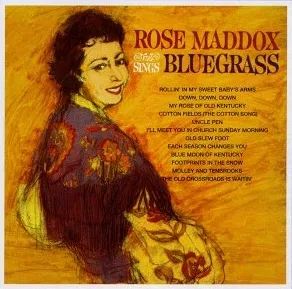
Rose Maddox Sings Bluegrass
Rose Maddox
Traditional Bluegrass
Traditional Country
Similar artists
1
/5
Various Artists
Afro-Funk
Alternative Rock
Ambient
1
/5
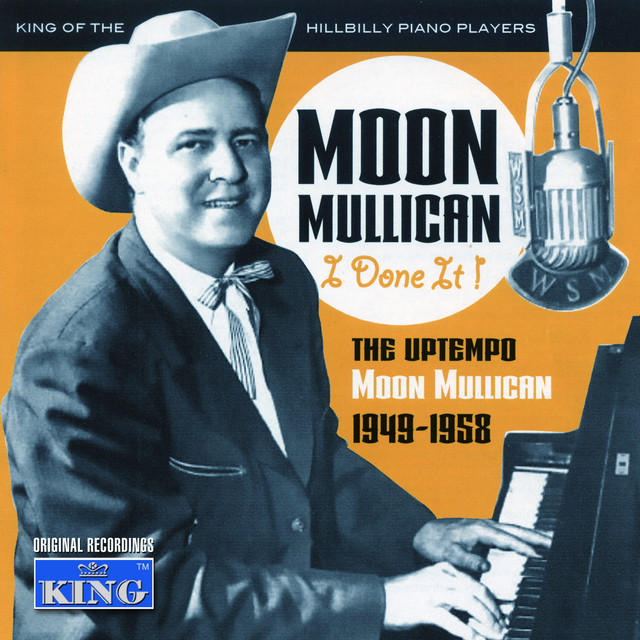
Moon Mullican
Country Boogie
Boogie-Woogie
Cajun
1
/5
Caleb Klauder
Americana
Bluegrass
Cajun
1
/5
Rusty & Doug Kershaw
Cajun
Honky Tonk
Rockabilly
1
/5
Stoney Cooper
Bluegrass
Cajun
Honky Tonk
2
/5
Bobby Osborne
Bluegrass
Cajun
Newgrass
2
/5
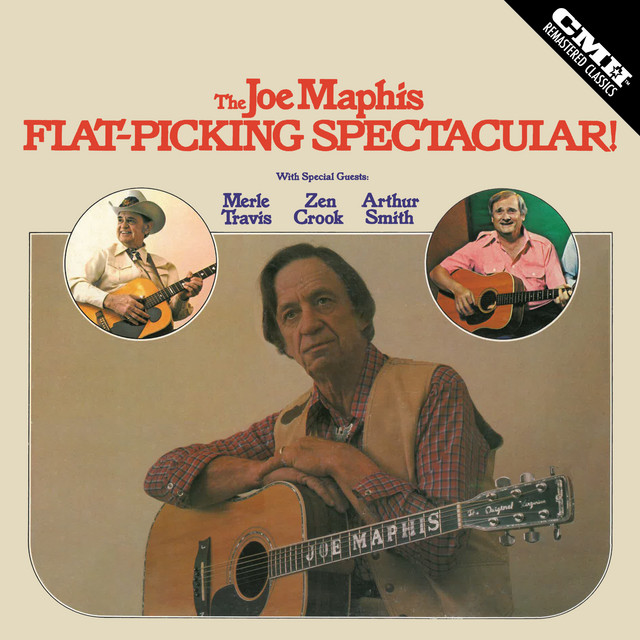
Joe Maphis
Bluegrass
Rockabilly
Traditional Country
2
/5
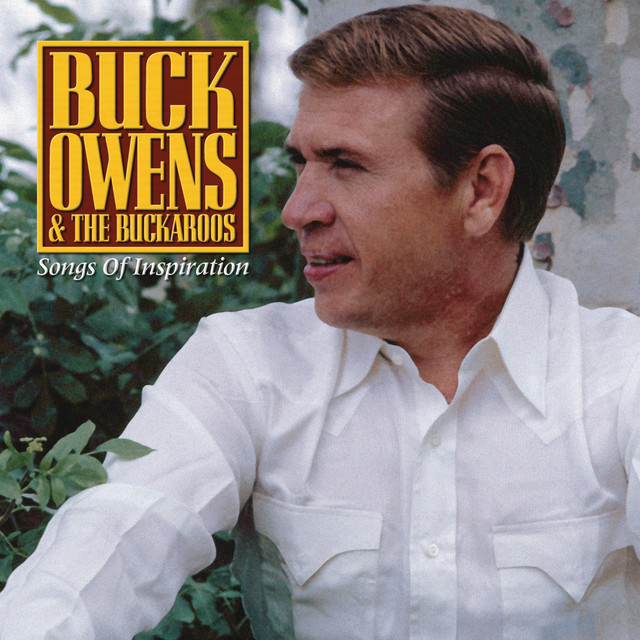
The Buckaroos
Country
Bakersfield Sound
Cajun
4
/5
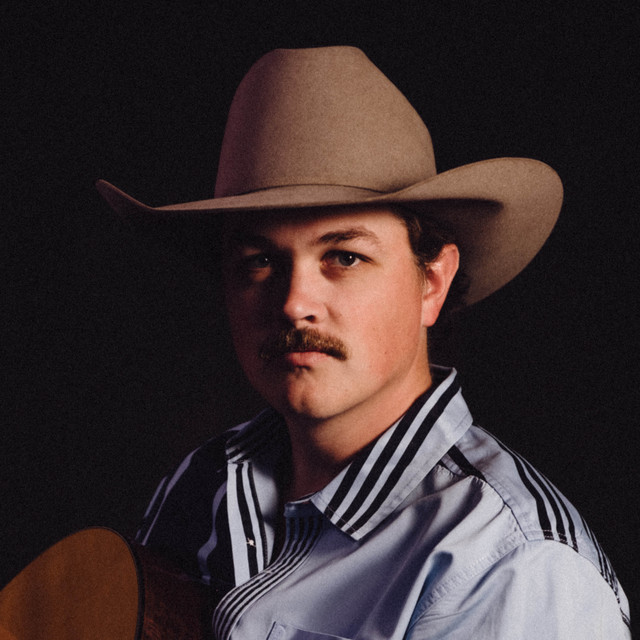
Zach Top
Honky Tonk
Country
Modern Country Pop
3
/5
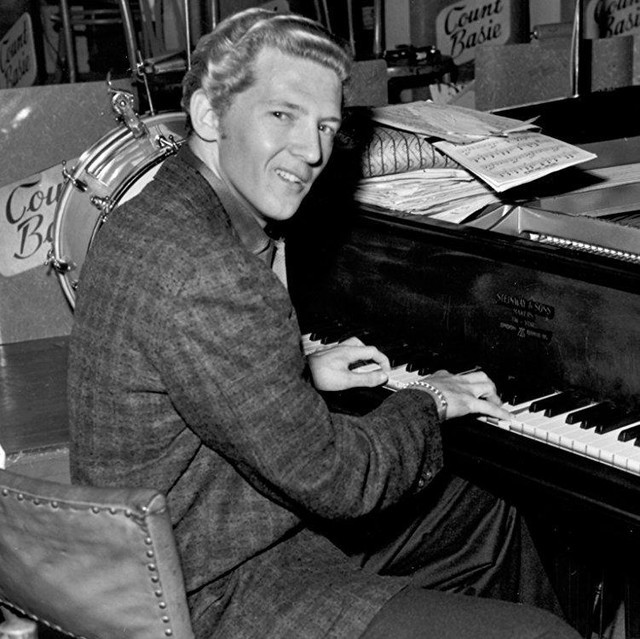
Jerry Lee Lewis
Boogie-Woogie
Rock And Roll
Rockabilly
Download our mobile app
Get the Melodigging app and start digging for new genres on the go
Download on the App Store
Get it on Google Play
© 2026 Melodigging
Give feedback
Legal
Melodding was created as a tribute to
Every Noise at Once
, which inspired us to help curious minds keep digging into music's ever-evolving genres.