Genres
Artists
Albums
Make Music
Sign in
Sign in
Artists
Mexican Rock
Artists
Mexican Rock
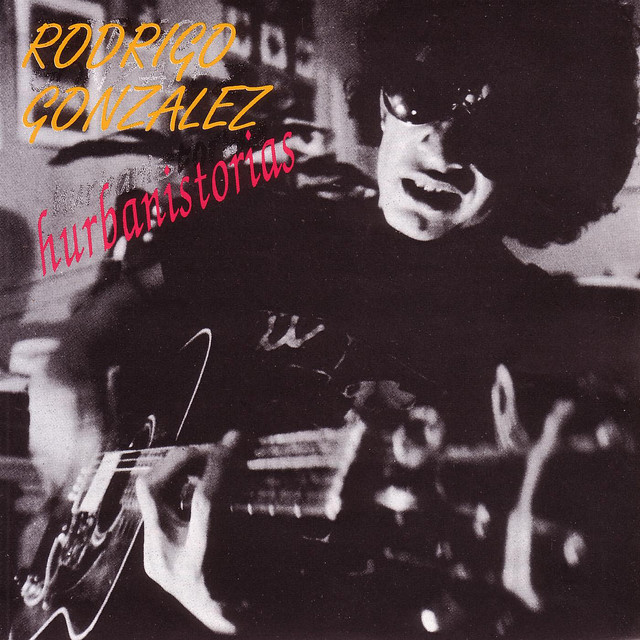
Rodrigo Gonzalez
1986
·
1 album
Listen
2
/5
Genres
Rock En Español
Rock en español is the umbrella term for rock music performed in Spanish across Latin America and Spain. It adapts the attitude, instrumentation, and songwriting of Anglo-American rock—electric guitars, bass, drums, and hook-driven choruses—while foregrounding Spanish lyrics and local themes. The style ranges from 1960s beat- and garage-influenced bands to 1970s blues/psychedelia and the punk, new wave, and pop-rock explosions of the 1980s and 1990s. Lyrically it moves from social critique and urban realism to romance and introspection, often reflecting the political and cultural realities of Spanish-speaking countries.
Discover
Listen
Loner Folk
Loner folk is an intimate, inward-looking branch of folk and singer-songwriter music characterized by sparse arrangements, solitary performances, and frequently home- or privately recorded albums. Its hallmarks include close-miked vocals, minimalist acoustic guitar (often fingerpicked), and the audible patina of tape hiss or room ambience that underscores a diaristic, confessional tone. Emerging from late-1960s private-press and DIY circles, loner folk overlaps with psychedelic folk in its dreamlike atmospheres and existential themes, but it is generally quieter, less orchestrated, and more introverted. Lyrics dwell on isolation, spiritual searching, memory, and nature, while the production aesthetic favors raw immediacy over studio polish.
Discover
Listen
Mexican Rock
Mexican rock is the umbrella term for rock music created in Mexico, blending Anglo-American rock idioms with local rhythms, instruments, and Spanish-language lyricism. It typically features electric guitars, bass, and drum set, but often integrates instruments such as trumpets, accordion, or folkloric percussion to evoke mariachi, ranchera, cumbia, and other regional styles. Lyrically, it ranges from street-level social commentary and political critique to playful wordplay and romantic storytelling, frequently using Mexican slang and cultural references. Stylistically it spans early rock and roll covers, garage and surf, psychedelic and hard rock, punk and urbano, and the 1990s alternative wave that helped define the broader movement of rock en español and Latin alternative.
Discover
Listen
Rock
Rock is a broad family of popular music centered on amplified instruments, a strong backbeat, and song forms that foreground riffs, choruses, and anthemic hooks. Emerging from mid‑20th‑century American styles like rhythm & blues, country, and gospel-inflected rock and roll, rock quickly expanded in scope—absorbing folk, blues, and psychedelic ideas—while shaping global youth culture. Core sonic markers include electric guitar (often overdriven), electric bass, drum kit emphasizing beats 2 and 4, and emotive lead vocals. Rock songs commonly use verse–chorus structures, blues-derived harmony, and memorable melodic motifs, ranging from intimate ballads to high‑energy, stadium‑sized performances.
Discover
Listen
Latin
Latin (as a genre label) is a broad umbrella used by the recording industry to categorize popular music rooted in Latin America, the Caribbean, and the Iberian world, often characterized by syncopated Afro-diasporic rhythms, dance-forward grooves, and lyrics primarily in Spanish or Portuguese. As a marketplace category that took shape in the mid-20th century United States, it gathers diverse traditions—Afro-Cuban, Brazilian, Mexican, and Caribbean styles—into a shared space. In practice, "Latin" spans everything from big-band mambo and bolero ballads to contemporary pop, rock, hip hop, and dance fusions produced by artists of Latin American heritage.
Discover
Listen
Trova
Trova is a Cuban singer‑songwriter tradition that emerged in the late 19th century, centered on itinerant guitar‑accompanied vocalists who composed and performed their own songs. Characterized by intimate, lyrical delivery and refined guitar accompaniment, trova blends Spanish poetic songcraft with Cuban rhythmic sensibilities (notably the habanera pulse). Themes commonly include love, longing, social observation, and patriotic sentiment, often presented in strophic forms suitable for serenades or small gatherings. The tradition laid the groundwork for Cuban bolero and later songwriter movements, preserving a focus on melody, poetic text, and expressive, ornamented vocal lines.
Discover
Listen
Albums
1986
3
/5
Hurbanistorias
Rodrigo González
Loner Folk
Latin
Rock
Similar artists
1
/5
Various Artists
Afro-Funk
Alternative Rock
Ambient
5
/5
Maná
Latin
Latin Rock
Mexican Rock
4
/5
Zoé
Mexican Rock
Latin Alternative
Latin Indie
4
/5
Caifanes
Mexican Rock
Latin Alternative
Latin Rock
4
/5
Café Tacvba
Latin Alternative
Ska
Alternative Rock
4
/5
Panteon Rococo
Mexican Ska
Rock Urbano
Ska
4
/5
Rata Blanca
Rock Urbano Mexicano
Rock Urbano
Argentine Rock
4
/5
Maldita Vecindad Y Los Hijos Del 5to. Patio
Ska
Mexican Ska
Latin
4
/5
El Gran Silencio
Musica Quintanarroense
Mexican Ska
Mexican Rock
4
/5
Jaguares
Latin Alternative
Latin Rock
Mexican Rock
Download our mobile app
Get the Melodigging app and start digging for new genres on the go
Download on the App Store
Get it on Google Play
© 2026 Melodigging
Give feedback
Legal
Melodding was created as a tribute to
Every Noise at Once
, which inspired us to help curious minds keep digging into music's ever-evolving genres.