Genres
Artists
Albums
Make Music
Sign in
Sign in
Artists
Mexican Rock
Artists
Mexican Rock
Zoé
2001–2025
·
15 albums
Listen
4
/5
Genres
Indie Triste
Indie triste ("sad indie") is a Spanish‑language micro‑scene of indie pop/folk that foregrounds intimate, melancholic songwriting and understated, bedroom‑made production. Its core sound blends soft acoustic guitars, gently pulsing rhythms, close‑mic’d vocals, and lo‑fi textures, often wrapped in reverb and tape‑like warmth. Thematically, the songs dwell on heartache, small‑town longing, fleeting youth, and late‑night introspection. While rooted in indie folk and singer‑songwriter traditions, the style embraces contemporary bedroom pop aesthetics and dream‑pop atmospheres, prioritizing mood and storytelling over virtuoso display.
Discover
Listen
Manso Indie
Manso indie is an Argentine strand of indie rock and indie pop that blossomed in the 2010s, centered largely in the Cuyo region (especially Mendoza). The word “manso” in regional slang evokes something cool, chill, and pleasant, and the music mirrors that mood: warm guitars, laid‑back vocals, melodic bass lines, and unfussy, DIY‑friendly production. Sonically, it favors mid‑tempo grooves, jangly or chorus‑washed guitars, gentle synth pads, and roomy drums. Lyrics tend to be intimate and observational—romance, friendship, youth, and city or small‑town scenes—delivered with an understated, conversational tone. While connected to the broader Argentine “rock nacional” lineage, manso indie distinguishes itself by its mellow dynamics, sun‑dappled harmonies, and a preference for vibe and songcraft over virtuosity.
Discover
Listen
Pov: Indie
"pov: indie" is a social-media-native microstyle built around short, cinematic indie-pop/indie-rock snippets designed to accompany a first-person (POV) narrative. Instead of being defined by a single new musical technique, it is defined by context: the music is chosen or written to feel like the soundtrack to a specific moment (a crush, a late-night walk, moving to a new city, seasonal nostalgia). Sonically it typically uses bright but soft guitars or synths, intimate vocals, simple memorable hooks, and production that reads clearly on phone speakers. The emotional tone is often wistful, tender, and “coming-of-age,” with lyrics that can be understood quickly in a 10–30 second clip.
Discover
Listen
Writing
Writing is a functional, streaming-era microgenre designed to support reading and writing by providing an unobtrusive sonic backdrop. It favors gentle dynamics, sparse textures, and a stable emotional temperature that reduces distraction while maintaining a subtle sense of flow. The sound palette commonly blends modern classical elements (felt piano, light strings), ambient pads and drones, soft post-rock guitars with long reverb tails, and understated downtempo or lo-fi rhythms. Tempos are typically slow to moderate (often 60–90 BPM) or pulse-free, with simple, repetitive motifs and gradual evolution rather than dramatic contrasts. Harmonically, it leans on consonant, slowly changing chords, modal centers, and extended triads for warmth, avoiding sharp dissonance or sudden modulations. Vocals, when present at all, are wordless; most tracks are instrumental to preserve focus.
Discover
Listen
Latin Indie
Latin indie is a broad umbrella for Spanish- and Portuguese-language independent music scenes across Latin America and the Latin diaspora. It blends the DIY ethos and sonic palettes of global indie rock and indie pop with regional rhythms, folk traditions, and electronic textures. While stylistically diverse—from jangly guitars and dreamy synth-pop to folktronica and cumbia-inflected grooves—Latin indie is united by an independent production mindset, intimate and poetic lyricism, and a taste for warm, reverb-soaked aesthetics. Artists commonly release through local indie labels or self-release, and they build audiences via blogs, small venues, and festival circuits before reaching wider streaming platforms. The genre’s identity crystallized in the mid-to-late 2000s, as scenes in Mexico, Argentina, Chile, Colombia, and the U.S. Latinx community cross-pollinated online, eventually becoming a defining contemporary movement in Spanish-language alternative music.
Discover
Listen
Mexican Indie
Mexican indie is a broad umbrella for independently minded rock and pop made in Mexico, characterized by DIY production, Spanish-language lyricism, and a blend of guitar-driven textures with synth color. Drawing from Britpop, shoegaze, dream pop, post‑punk revival, and rock en español, the sound often pairs melodic hooks with atmospheric guitars, reverb‑laden vocals, and tasteful electronic layers. While largely rooted in global indie traditions, many artists fold in Mexican and Latin references—subtle cumbia grooves, bolero-flavored harmony, or regional storytelling—without losing a modern alternative sensibility. The scene is strongly centered in Mexico City, Guadalajara, and Monterrey, with college radio, boutique labels, and festivals (e.g., Vive Latino, NRMAL, Corona Capital) helping acts grow from local clubs to international stages.
Discover
Listen
Latin Alternative
Latin alternative is an umbrella term for genre-bending music made by Latin American and US Latino artists that sits outside mainstream Latin pop. It blends alternative and indie rock attitudes with Latin rhythmic vocabularies (cumbia, salsa, ska, reggae), hip hop, and electronic production. The style privileges experimentation, hybridity, and scene-driven authenticity rather than commercial formulas. Lyrics are often in Spanish (sometimes bilingual or Spanglish), and themes range from the personal and poetic to social and political commentary. The movement coalesced in the mid-to-late 1990s around U.S. media and festivals (e.g., LAMC), helping connect diverse scenes from Mexico, Argentina, Chile, Colombia, Puerto Rico, and beyond.
Discover
Listen
Alternative Rock
Alternative rock is a broad umbrella for guitar-based rock that emerged from the independent and college-radio scenes as a counterpoint to mainstream, commercial rock. It blends the energy and ethos of punk with the textural and songwriting experiments of post-punk, new wave, jangle pop, and noise rock, often foregrounding introspective or socially aware lyrics. Across its many strains—from the melodic minimalism of college rock to the loud-quiet-loud dynamics of grunge and the artful experimentation of Radiohead-era modernism—alternative rock prioritizes authenticity, sonic individuality, and a do-it-yourself approach. Its sound ranges from chiming, chorus-laden clean guitars to abrasive distortion and feedback, supported by straightforward rock rhythms or off-kilter grooves, and production that can be either raw and live-sounding or polished yet unconventional.
Discover
Listen
Neo-Psychedelia
Neo-psychedelia is a late-20th-century revival and reinvention of 1960s psychedelic music aesthetics, filtered through post-punk, indie, and experimental sensibilities. It emphasizes hypnotic textures, droning guitars, heavy use of effects (reverb, delay, phasing), analogue organs/synths, and dreamlike or surreal lyricism. Rhythms may draw from motorik and other steady, trance-inducing grooves, while harmony often favors modal colors and repetitive vamps. The style ranges from jangly, melodic songs to dense, feedback-laden soundscapes, and has been highly influential on dream pop, shoegaze, Britpop-adjacent scenes, and modern psych rock.
Discover
Listen
Latin Rock
Latin rock blends the instrumentation and attitude of rock with Afro‑Latin and Caribbean rhythms, percussion, and song forms. Typical bands combine electric guitars, bass, and drum kit with congas, bongos, timbales, and hand percussion, creating a driving, danceable groove grounded in the clave. Vocals may be in Spanish, Portuguese, Spanglish, or English, and lyrics range from love songs and urban life to social and political commentary. Harmonically, Latin rock draws from blues/rock progressions but frequently incorporates modal colors (Dorian, Mixolydian) and montuno‑style vamps borrowed from salsa and Afro‑Cuban traditions. The result sits comfortably between club‑ready rhythm and arena‑sized rock energy.
Discover
Listen
Rock En Español
Rock en español is the umbrella term for rock music performed in Spanish across Latin America and Spain. It adapts the attitude, instrumentation, and songwriting of Anglo-American rock—electric guitars, bass, drums, and hook-driven choruses—while foregrounding Spanish lyrics and local themes. The style ranges from 1960s beat- and garage-influenced bands to 1970s blues/psychedelia and the punk, new wave, and pop-rock explosions of the 1980s and 1990s. Lyrically it moves from social critique and urban realism to romance and introspection, often reflecting the political and cultural realities of Spanish-speaking countries.
Discover
Listen
Mexican Rock
Mexican rock is the umbrella term for rock music created in Mexico, blending Anglo-American rock idioms with local rhythms, instruments, and Spanish-language lyricism. It typically features electric guitars, bass, and drum set, but often integrates instruments such as trumpets, accordion, or folkloric percussion to evoke mariachi, ranchera, cumbia, and other regional styles. Lyrically, it ranges from street-level social commentary and political critique to playful wordplay and romantic storytelling, frequently using Mexican slang and cultural references. Stylistically it spans early rock and roll covers, garage and surf, psychedelic and hard rock, punk and urbano, and the 1990s alternative wave that helped define the broader movement of rock en español and Latin alternative.
Discover
Listen
Rock
Rock is a broad family of popular music centered on amplified instruments, a strong backbeat, and song forms that foreground riffs, choruses, and anthemic hooks. Emerging from mid‑20th‑century American styles like rhythm & blues, country, and gospel-inflected rock and roll, rock quickly expanded in scope—absorbing folk, blues, and psychedelic ideas—while shaping global youth culture. Core sonic markers include electric guitar (often overdriven), electric bass, drum kit emphasizing beats 2 and 4, and emotive lead vocals. Rock songs commonly use verse–chorus structures, blues-derived harmony, and memorable melodic motifs, ranging from intimate ballads to high‑energy, stadium‑sized performances.
Discover
Listen
Latin
Latin (as a genre label) is a broad umbrella used by the recording industry to categorize popular music rooted in Latin America, the Caribbean, and the Iberian world, often characterized by syncopated Afro-diasporic rhythms, dance-forward grooves, and lyrics primarily in Spanish or Portuguese. As a marketplace category that took shape in the mid-20th century United States, it gathers diverse traditions—Afro-Cuban, Brazilian, Mexican, and Caribbean styles—into a shared space. In practice, "Latin" spans everything from big-band mambo and bolero ballads to contemporary pop, rock, hip hop, and dance fusions produced by artists of Latin American heritage.
Discover
Listen
Soundtrack
Soundtrack is music created to accompany and enhance visual media such as film, television, and video games. It includes original scores (instrumental or vocal music composed specifically for the picture) and, at times, curated compilations of pre-existing songs. Stylistically, soundtrack is a meta-genre that can encompass orchestral symphonic writing, jazz, electronic and synth-driven textures, choral forces, popular song, and experimental sound design. Its defining trait is functional storytelling: themes, motifs, harmony, rhythm, and timbre are shaped by narrative needs, character psychology, pacing, and editing. Common features include leitmotifs for characters or ideas, modular cues that can be edited to picture, dynamic orchestration for dramatic range, and production approaches that sit well under dialogue and sound effects. Because it must synchronize to picture, soundtrack often uses clear dramatic arcs, tempo maps, and hit points.
Discover
Listen
Show all 15 genres
Albums
2025
Memo Rex Commander y el Corazón Atómico de la Vía Láctea En Vivo
Zoé
Latin Rock
Mexican Rock
Rock En Español
2025
3
/5
Campo De Fuerza
Zoé
Mexican Rock
Latin Rock
Rock En Español
2021
Sonidos de Karmática Resonancia
Zoé
Latin Rock
Mexican Rock
Rock En Español
2020
3
/5
El Duelo
Zoé
Mexican Rock
2020
3
/5
Karmadame
Zoé
Mexican Rock
Latin Rock
Latin Alternative
2018
4
/5
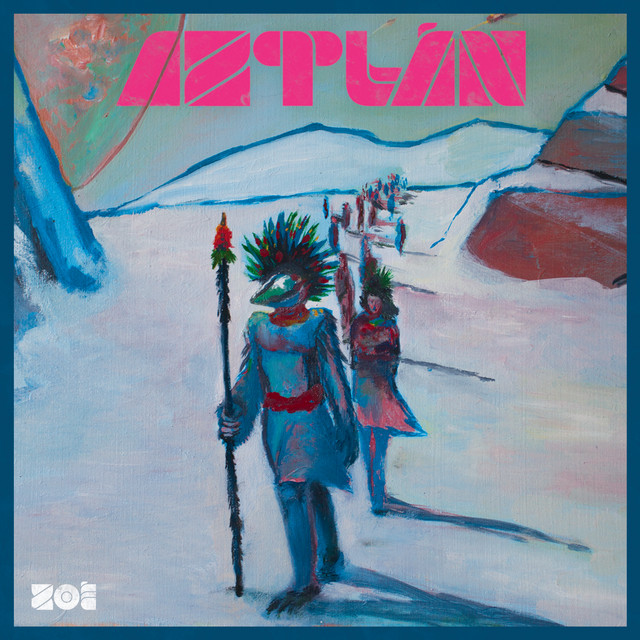
Aztlán
Zoé
Mexican Rock
Alternative Rock
Latin
2018
4
/5
Azul
Zoé
Mexican Rock
Latin Rock
Rock En Español
2017
Panoramas: Música original de la película
Zoé
Latin Rock
Mexican Rock
Rock En Español
2013
4
/5
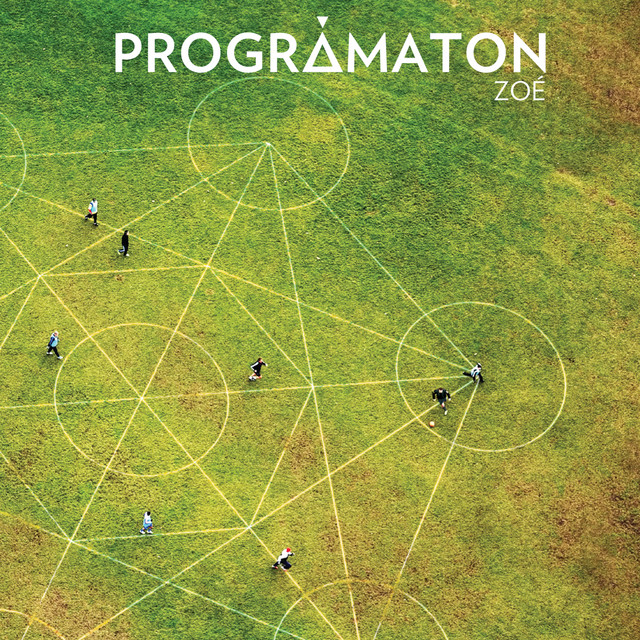
Programaton
Zoé
Mexican Rock
2011
5
/5
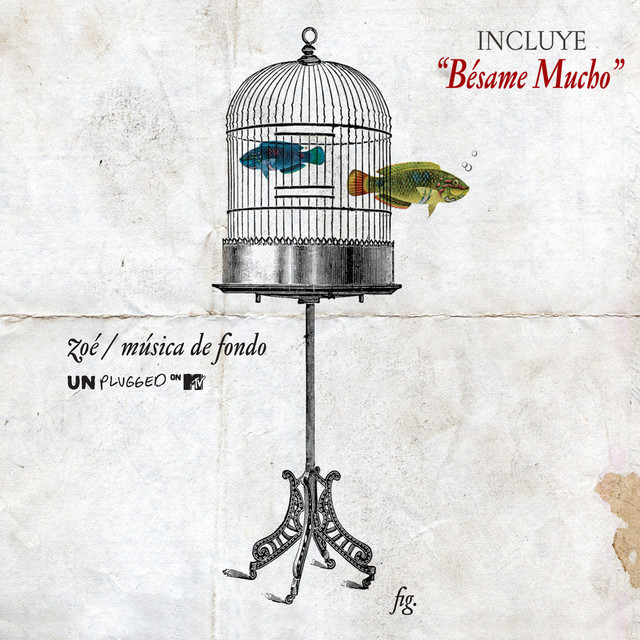
MTV Unplugged Música De Fondo (Reissue/Live)
Zoé
Latin Rock
Mexican Rock
Rock En Español
2008
Reptilectric
Zoé
Alternative Rock
Latin
Rock
2006
4
/5
Memo Rex Commander y el Corazón Atómico de la Vía Láctea
Zoé
Mexican Rock
Alternative Rock
Latin
2005
The Room
Zoé
Latin Rock
Mexican Rock
Rock En Español
2003
Rocanlover
Zoé
Alternative Rock
Rock
Soundtrack
2001
Zoé
Zoé
Alternative Rock
Rock
Similar artists
4
/5
Enjambre
Latin Indie
Latin Rock
Mexican Indie
4
/5
Caifanes
Mexican Rock
Latin Alternative
Latin Rock
4
/5
Camilo Séptimo
Latin Alternative
Mexican Indie
Rock En Español
4
/5
Odisseo
Latin Alternative
Latin Indie
Latin Rock
1
/5
Various Artists
Afro-Funk
Alternative Rock
Ambient
4
/5
Molotov
Mexican Ska
Ska
Mexican Rock
4
/5
Café Tacvba
Latin Alternative
Ska
Alternative Rock
3
/5
Porter
Guadalajara Indie
Indian Indie
Latin Alternative
4
/5
Jaguares
Latin Alternative
Latin Rock
Mexican Rock
5
/5
Maná
Latin
Latin Rock
Mexican Rock
Download our mobile app
Get the Melodigging app and start digging for new genres on the go
Download on the App Store
Get it on Google Play
© 2026 Melodigging
Give feedback
Legal
Melodding was created as a tribute to
Every Noise at Once
, which inspired us to help curious minds keep digging into music's ever-evolving genres.