Genres
Artists
Albums
Make Music
Sign in
Sign in
Artists
Totalism
Artists
Totalism
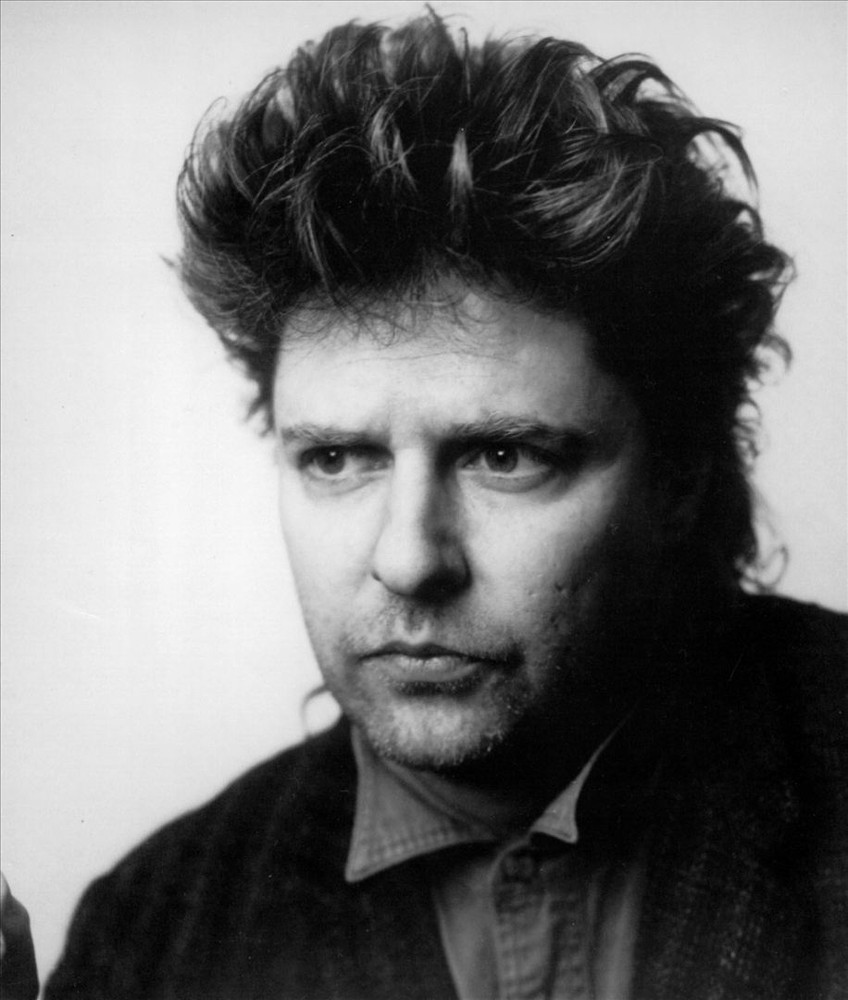
Rhys Chatham
1994–2016
·
6 albums
Listen
1
/5
Genres
Totalism
Totalism is a postminimalist current in American contemporary composition that emerged in New York City at the turn of the 1990s. It pairs minimalism’s driving repetition and clear harmonies with the simultaneous layering of contrasting tempos, meters, and rhythmic cycles. Where classic minimalism often favors a single steady pulse, totalism embraces multiple, coexisting pulses—often in rational tempo ratios (such as 3:2, 4:3, 5:4)—to create grooves that are both propulsive and metrically intricate. Its sound world frequently mixes amplified chamber ensembles with rock instrumentation (drum set, electric guitar and bass) and draws rhythmic inspiration from rock, funk, and global polyrhythms. Aesthetically, totalism sought a middle path between the austerity of modernist complexity and the smooth surfaces of early minimalism: music that is visceral and loud, yet intellectually and rhythmically detailed.
Discover
Listen
Noise Rock
Noise rock is a subgenre of rock that deliberately embraces distortion, feedback, dissonance, and abrasive textures as primary musical materials rather than mere effects. It prioritizes timbre, volume, and sonic density over conventional melody and harmony, often using nonstandard tunings, prepared or detuned guitars, and extended techniques to generate harsh overtones and sheets of sound. Rhythm sections tend to be driving and repetitive, anchoring the chaos with motorik pulses, lurching grooves, or pummeling, minimal patterns. Vocals range from spoken and murmured to shouted and cathartic, with lyrics that skew cryptic, confrontational, or surreal. Aesthetically, noise rock traces a line from punk’s anti-virtuosity and DIY ethos through no wave’s iconoclasm and the avant-garde’s interest in sound-as-sound, yielding music that can be physically intense, psychologically unsettling, and artistically exploratory.
Discover
Listen
No Wave
No wave is a late-1970s New York City underground movement that rejected the orthodoxies of punk, rock, and pop in favor of abrasive sonics, anti-virtuosic playing, and an art-forward, confrontational attitude. Its sound ranges from skronky, free-jazz-influenced sax blasts and scraping, detuned guitars to rigid, mechanical rhythms and stark, minimal song structures. Lyrics are often spoken, shouted, or declaimed in a deadpan or feral style, addressing urban anxiety, alienation, and cultural decay. More than a fixed style, no wave was a short, intense rupture: a scene of musicians and artists who intentionally dismantled conventional harmony, groove, and song form to foreground texture, noise, and performance as critique.
Discover
Listen
Drone
Drone is a minimalist music genre defined by sustained tones, long durations, and extremely gradual change. Harmony is often static or centered on a single fundamental with subtle overtone shifts, while rhythm tends toward stasis or very slow pulses. Sound sources range from acoustic instruments (e.g., strings, organ, bagpipes, shruti box, tambura) to electronics (sine waves, oscillators, feedback, tape loops, and later digital synthesis and processing). Many composers favor just intonation or other alternative tuning systems to emphasize beating patterns, psychoacoustic effects, and the internal life of sound. Although drone as a sonic principle is ancient and global, the modern experimental genre cohered in the 1960s through the New York minimalists and related avant‑garde circles, then spread into ambient, experimental, and heavy music scenes. The focus is less on melody and more on timbre, resonance, and the phenomenology of listening.
Discover
Listen
Minimalism
Minimalism is a style of Western art music that emerged in the United States during the 1960s, characterized by the use of very limited musical materials, steady pulse, and extensive repetition. Composers often build pieces from short cells or motifs that are repeated and slowly transformed through additive or subtractive processes, phase shifting, and gradual changes in harmony, texture, or register. Harmony is typically consonant (often modal or diatonic), though just intonation and extended drones are also common. The result is music that foregrounds process, clarity, audibility of structure, and a hypnotic sense of stasis and flow. Typical ensembles include keyboards, mallet percussion, strings, winds, voices, and electronics or tape. Minimalism influenced a wide array of later styles, from ambient and new age to post-minimalism and minimal techno.
Discover
Listen
Experimental
Experimental music is an umbrella term for practices that prioritize exploration, process, and discovery over adherence to established genre norms. It embraces new sound sources, nonstandard tuning systems, indeterminacy and chance operations, graphic and open-form scores, extended techniques, and technology-led sound design (tape, electronics, computers, and live processing). Rather than a single style, it is a methodology and ethos: testing hypotheses about sound, structure, and performance, often blurring boundaries between composition, improvisation, sound art, and performance art. Listeners can expect unfamiliar timbres, unusual forms, and an emphasis on how music is made as much as the resulting sound.
Discover
Listen
Avant-Garde
Avant-garde music is an umbrella term for boundary-pushing practices that challenge prevailing norms of harmony, rhythm, timbre, form, and performance. It privileges experimentation, conceptual rigor, and a willingness to reframe what counts as music at all. Historically tied to early 20th‑century artistic modernism, avant-garde music introduced atonality, the emancipation of noise, and new forms of notation and process. It embraces indeterminacy, extended techniques, electronics, spatialization, and multimedia performance, treating sound as material to be sculpted, questioned, and reinvented.
Discover
Listen
Show all 7 genres
Albums
2016
1
/5
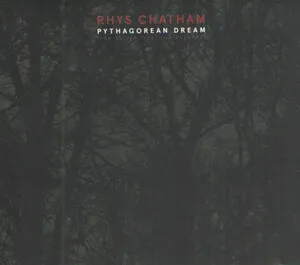
Pythagorean Dream
Rhys Chatham
Totalism
2010
1
/5
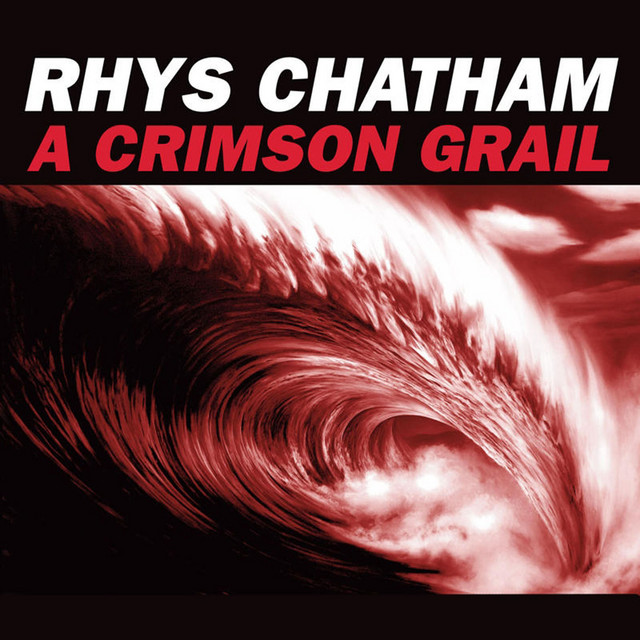
A Crimson Grail (Version for 200 Guitars)
Rhys Chatham
Totalism
1994
1
/5
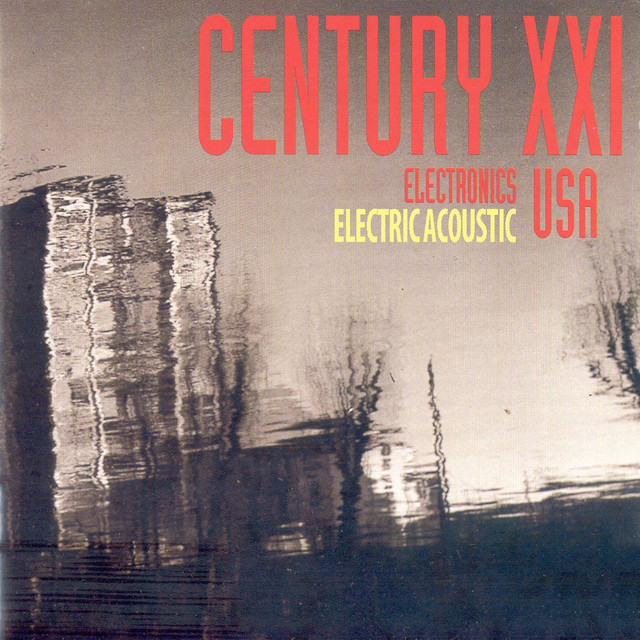
Century XXI USA (Electronics, Electricacoustic)
Rhys Chatham
Totalism
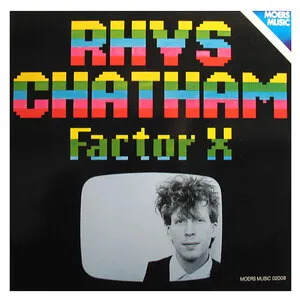
Factor X
Rhys Chatham
No Wave
Factor X
Rhys Chatham
Totalism
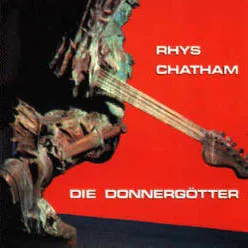
Die Donnergötter
Rhys Chatham
Totalism
Similar artists
1
/5
Glenn Branca
Totalism
Avant-Garde
Experimental
1
/5
Kyle Gann
Totalism
Avant-Garde
Classical
3
/5
Ryoji Ikeda
Microsound
Glitch
Sound Art
2
/5
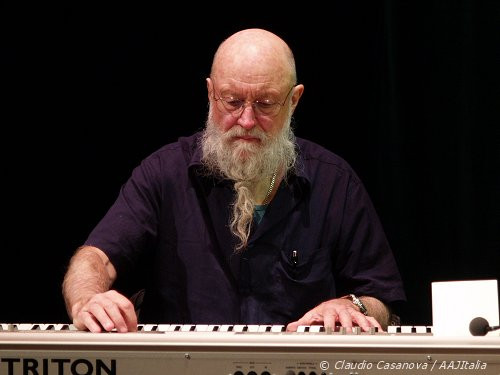
Terry Riley
Minimalism
Classical
Experimental
2
/5
Laurie Spiegel
Ambient
Avant-Garde
Drone
2
/5
Pauline Oliveros
Acousmatic
Free Improvisation
Ambient
2
/5
Mika Vainio
Ambient
Avant-Garde
Drone
1
/5
Pan Sonic
Avant-Garde
Drone
Electronic
1
/5
Éliane Radigue
Drone
Experimental
Ambient
1
/5
Alvin Lucier
Acousmatic
New England Experimental
Sound Art
Download our mobile app
Get the Melodigging app and start digging for new genres on the go
Download on the App Store
Get it on Google Play
© 2026 Melodigging
Give feedback
Legal
Melodding was created as a tribute to
Every Noise at Once
, which inspired us to help curious minds keep digging into music's ever-evolving genres.