Genres
Artists
Albums
Make Music
Sign in
Sign in
Artists
Séga
Artists
Séga
René Lacaille
6 albums
Listen
Genres
Séga
Séga is a Creole dance‑music tradition from the southwest Indian Ocean, most closely associated with Mauritius (and also present in Réunion and Rodrigues). It is built on hand percussion, call‑and‑response singing, and a lilting, swaying groove that invites circular hip movements. Traditional ensembles center on the ravanne (a large frame drum), the maravanne/kayamb (a shaker made from dried sugarcane flower seed pods), and a metal triangle. Modern bands often add guitar, bass, keyboards, and drum kit while preserving the characteristic beat. Lyrics are typically in Mauritian Creole and speak with wit and warmth about everyday life, love, celebration, and social observation. Rhythmically, séga usually leans on a gently swung, buoyant pulse (often felt in 6/8 or a swaying 4 subdivided in three) with interlocking percussive patterns. Harmonies are simple and major‑key leaning, supporting singable melodies and refrains.
Discover
Listen
Traditional Séga
Traditional séga is a creole dance-music of the Mascarene Islands, especially Mauritius, born among enslaved African and Malagasy communities and later embraced across society. It is performed with hand percussion (ravanne frame drum), the maracas-like kayamb/maravanne shaker made from cane, and a metal triangle, sometimes joined by the bobre (musical bow) and voice. Its defining feel is a lilting 6/8 or 12/8 swing with a swaying, circular pulse that invites communal dancing. Vocals are typically in Mauritian Creole (and related French-based creoles), using call-and-response and expressive melisma. Lyrics range from playful and flirtatious to topical and satirical, reflecting everyday joys and hardships. Unlike modern, electrified séga, the traditional form is acoustic, earthy, and rhythm-driven. It is both a music of celebration and a vessel of memory, carrying traces of African, Malagasy, and European (e.g., colonial-era dance) influences while remaining unmistakably island Creole in identity.
Discover
Listen
Maloya
Maloya is a drum-and-voice–driven music and dance tradition from Réunion Island in the Indian Ocean. It emerged among enslaved Malagasy and East African peoples on sugar plantations and later among indentured laborers, becoming a vehicle for memory, ritual, and resistance. Its sound centers on earthy percussion (notably the deep, barrel-like roulèr drum and the grain-filled kayamb shaker), call-and-response singing in Réunion Creole, and trance-inducing, cyclical rhythms. Melodies tend to be modal and harmonically sparse, with the groove and collective chant taking precedence over chord changes. Beyond the village and ritual context (such as the syncretic servis kabaré ceremonies), maloya became a modern emblem of Réunion identity and political expression. In 2009, UNESCO inscribed maloya on the Representative List of the Intangible Cultural Heritage of Humanity.
Discover
Listen
Albums
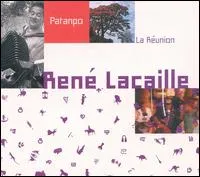
Patanpo
René Lacaille
Séga
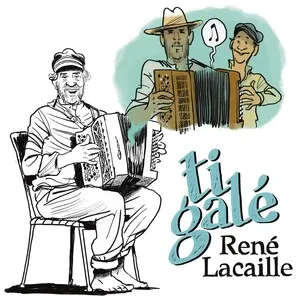
Ti galé
René Lacaille
Séga
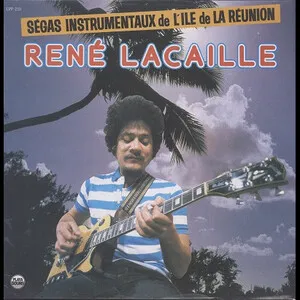
Ségas Instrumentaux de l'Île de La Réunion
René Lacaille
Séga
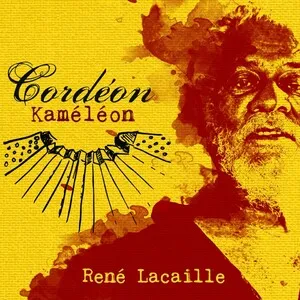
Cordéon Kaméléon
René Lacaille
Séga
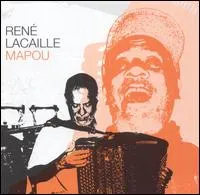
Mapou
René Lacaille
Séga
Ti galé
René Lacaille
Traditional Séga
Similar artists
2
/5
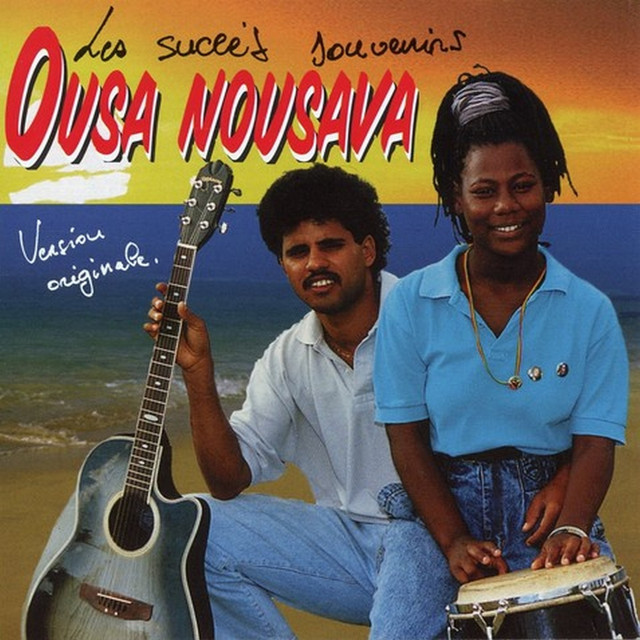
Ousanousava
Séga
Maloya
Seychelles & Mascarene Islands Music
3
/5
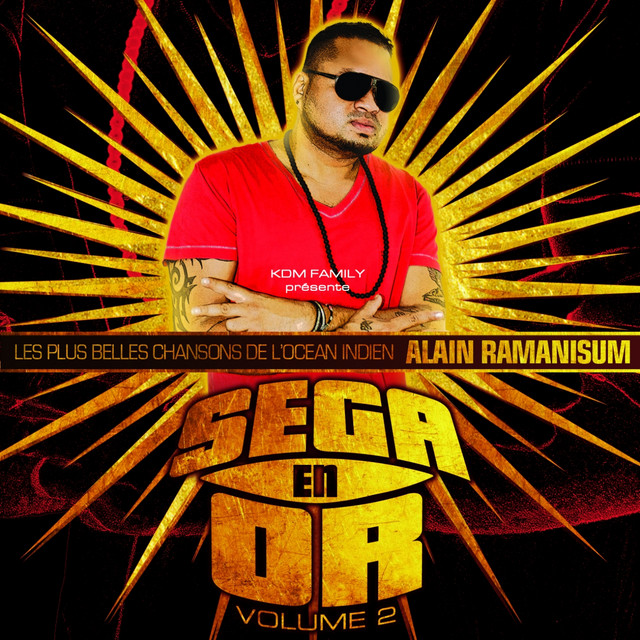
Alain Ramanisum
Séga
Maloya
Cajun
2
/5
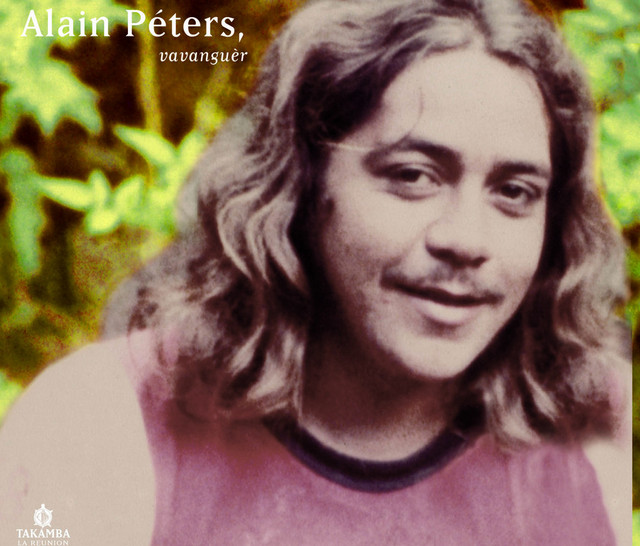
Alain Péters
Maloya
Séga
Seychelles & Mascarene Islands Music
2
/5
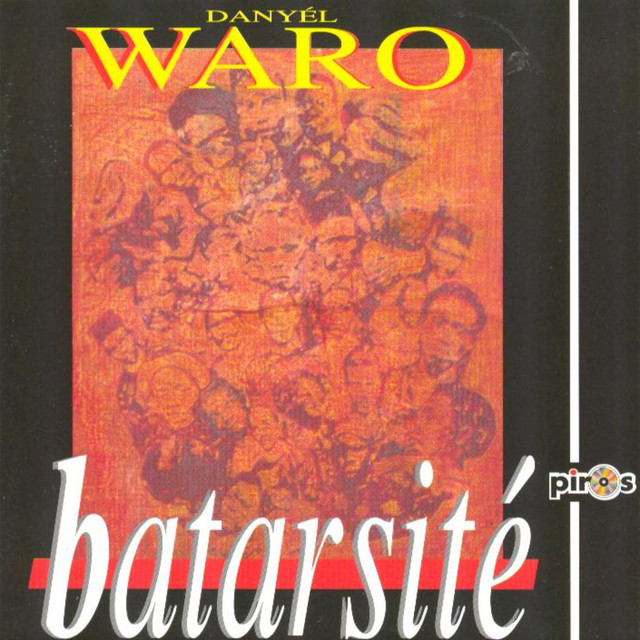
Danyèl Waro
Maloya
Traditional Maloya
Seychelles & Mascarene Islands Music
2
/5
Lindigo
Maloya
Séga
Seychelles & Mascarene Islands Music
1
/5
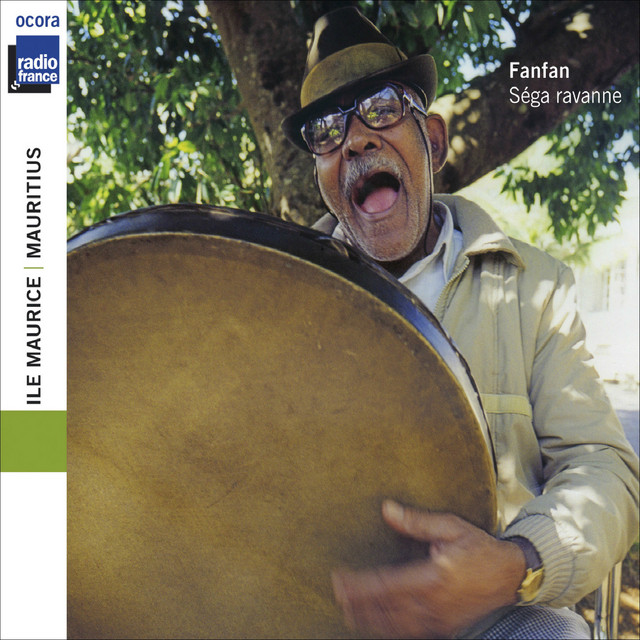
Fanfan
Traditional Music
Traditional Séga
Séga
1
/5
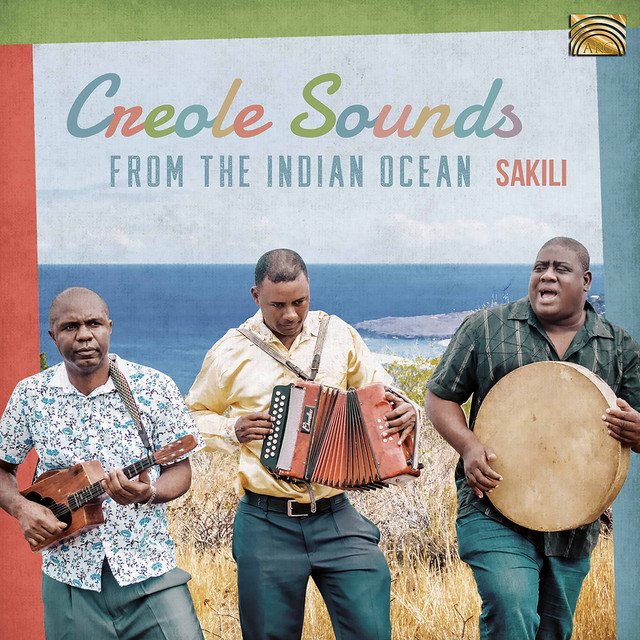
Sakili
Séga
Traditional Séga
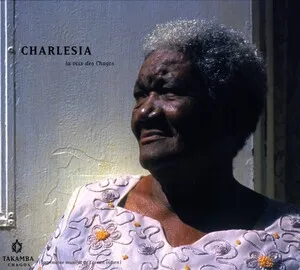
Charlésia Alexis
Moutya
Séga
Seychelles & Mascarene Islands Music
1
/5
Various Artists
Soundtrack
Afro-Funk
Alternative Rock
2
/5
Toulou
Séga
Compas
Reunion Pop
Download our mobile app
Get the Melodigging app and start digging for new genres on the go
Download on the App Store
Get it on Google Play
© 2026 Melodigging
Give feedback
Legal
Melodding was created as a tribute to
Every Noise at Once
, which inspired us to help curious minds keep digging into music's ever-evolving genres.