Genres
Artists
Albums
Make Music
Sign in
Sign in
Artists
Brazilian Jazz
Artists
Brazilian Jazz
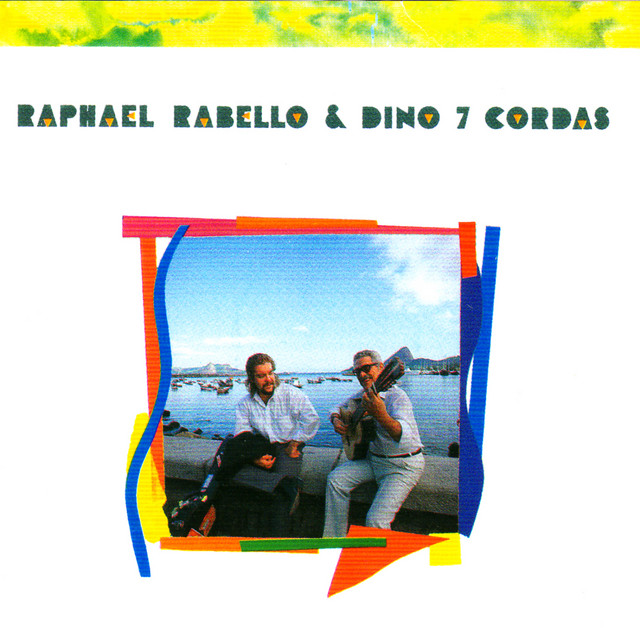
Raphael Rabello & Dino 7 Cordas
1991
·
1 album
Listen
1
/5
Genres
Brazilian Jazz
Brazilian jazz is the meeting point of Brazilian popular music and North American jazz, blending samba and bossa nova rhythms with jazz harmony, improvisation, and ensemble interaction. The style typically features syncopated Brazilian grooves (samba, bossa, partido‑alto) under extended jazz chord voicings and lyrical melodies. Acoustic guitar or piano often supplies a gently propulsive, off‑beat rhythmic bed, while bass and drums translate samba’s surdo and pandeiro patterns to the jazz rhythm section. Timbres range from intimate (nylon‑string guitar, brushed drum kit, flute) to expansive (full percussion batteries, horns, and electric keys). The overall feel can be both laid‑back and danceable—romantic yet harmonically sophisticated.
Discover
Listen
Violao
Violão refers to the Brazilian nylon‑string guitar idiom and its solo and accompaniment traditions. It centers on fingerstyle technique, syncopated rhythms, and flowing contrapuntal bass runs (baixarias) drawn from choro, samba, and salon repertoires. Typical performance blends classical right‑hand control with popular Brazilian grooves, producing rich harmonic colors (6/9 chords, altered dominants) and rhythmic elasticity. Both six‑string and seven‑string (violão de sete cordas) variants are used, the latter expanding bass counterpoint in choro and samba contexts. Although often instrumental, the style also functions as a refined accompaniment practice for modinha, seresta, and MPB singers.
Discover
Listen
Choro
Choro is an urban Brazilian instrumental genre that arose in Rio de Janeiro in the late 19th century. It blends European dance forms (polka, schottische, waltz, mazurka) with Afro-Brazilian rhythmic sensibilities from styles like lundu and early maxixe, producing a supple, highly syncopated groove. Typical choro ensembles (regionais) feature a lead melodic instrument—often flute, clarinet, or bandolim (mandolin)—supported by cavaquinho and 6-string guitar for harmony, a 7‑string guitar providing counter-melodic bass lines (baixarias), and pandeiro for light percussion. Pieces commonly use multi-strain forms (e.g., AABBACCA), incorporate modulations, and encourage melodic variations and counterpoint rather than long harmonic solos. The result is music that is both virtuosic and lyrical, at once salon-refined and street-savvy.
Discover
Listen
Albums
1991
2
/5
Raphael Rabello & Dino 7 Cordas
Raphael Rabello & Dino Sete Cordas
Violao
Choro
Similar artists
3
/5
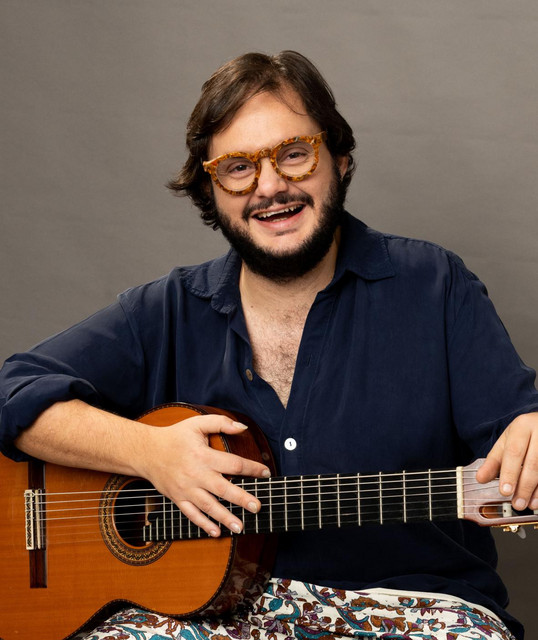
Yamandu Costa
Choro
Música Gaúcha
Southern Brazilian Music
3
/5
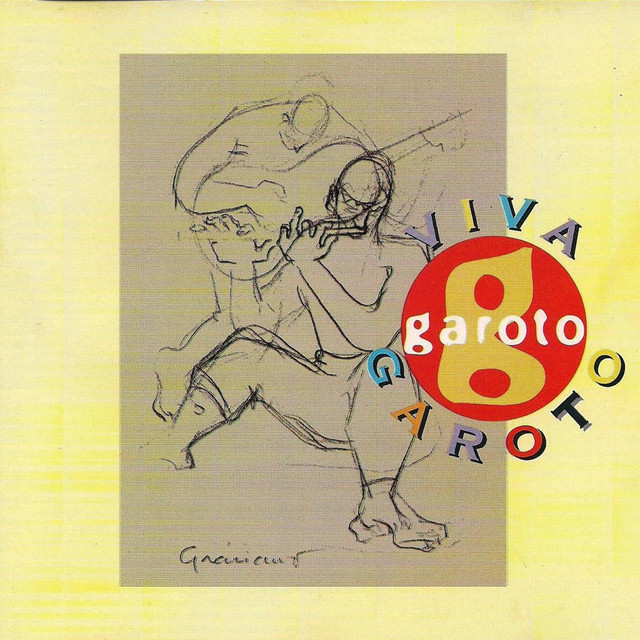
Garoto
Choro
Bossa Nova
Brazilian Jazz
2
/5
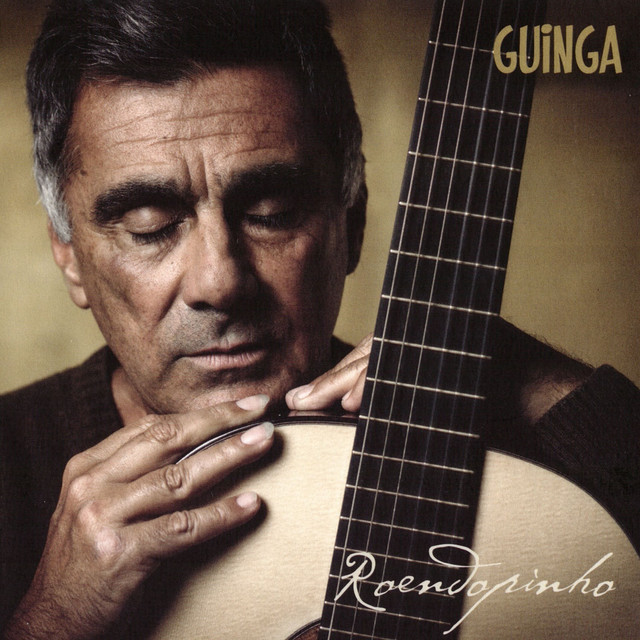
Guinga
Bossa Nova
Brazilian Jazz
Mpb
2
/5
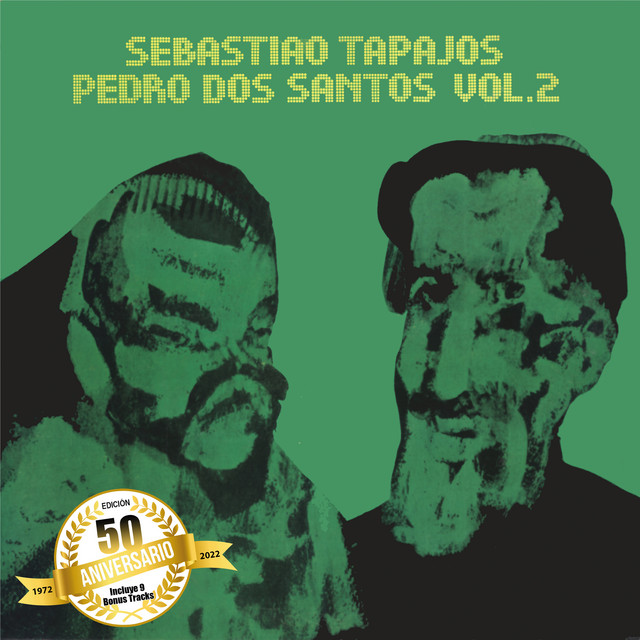
Sebastiao Tapajós
Bossa Nova
Brazilian Jazz
Choro
2
/5
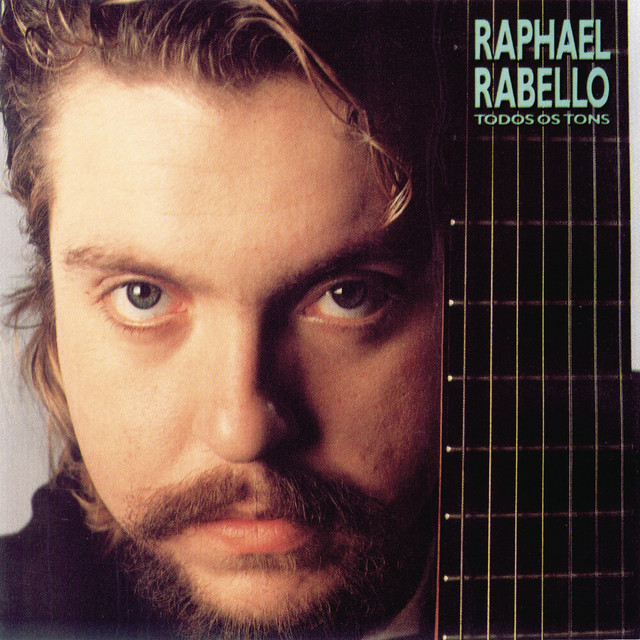
Raphael Rabello
Choro
Brazilian Jazz
Seresta
2
/5
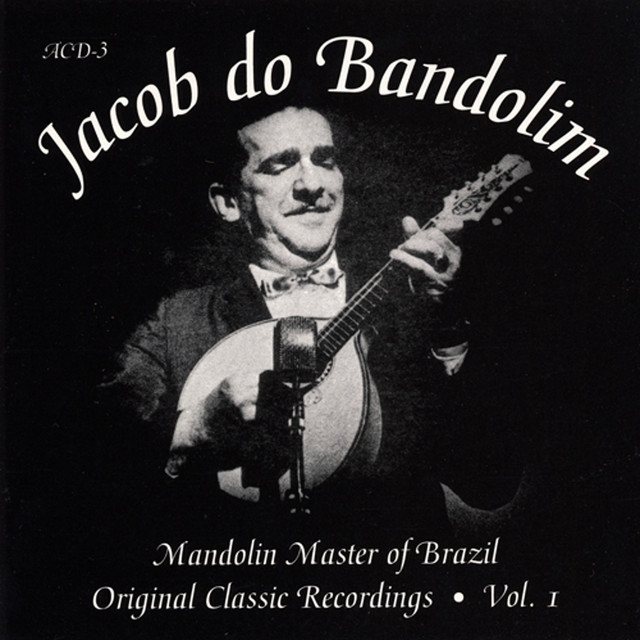
Jacob Do Bandolim
Choro
Brazilian Jazz
Latin
2
/5
Pedro Dos Santos
Bossa Nova
Brazilian Jazz
Choro
1
/5
Canhoto da Paraíba
Brazilian Jazz
Choro
Samba-Choro
4
/5
Gilberto Gil
Mpb
Bossa Nova
Latin
4
/5
Toquinho
Bossa Nova
Mpb
Samba
Download our mobile app
Get the Melodigging app and start digging for new genres on the go
Download on the App Store
Get it on Google Play
© 2026 Melodigging
Give feedback
Legal
Melodding was created as a tribute to
Every Noise at Once
, which inspired us to help curious minds keep digging into music's ever-evolving genres.