Your digging level
Description
Violão refers to the Brazilian nylon‑string guitar idiom and its solo and accompaniment traditions. It centers on fingerstyle technique, syncopated rhythms, and flowing contrapuntal bass runs (baixarias) drawn from choro, samba, and salon repertoires.
Typical performance blends classical right‑hand control with popular Brazilian grooves, producing rich harmonic colors (6/9 chords, altered dominants) and rhythmic elasticity. Both six‑string and seven‑string (violão de sete cordas) variants are used, the latter expanding bass counterpoint in choro and samba contexts. Although often instrumental, the style also functions as a refined accompaniment practice for modinha, seresta, and MPB singers.
History
The violão tradition crystallized in early 20th‑century Brazil, when salon and street musicians adapted European classical guitar techniques to Brazilian popular forms. Choro ensembles in Rio de Janeiro favored the guitar for its harmony and bass counterlines, while modinha, lundu, seresta, and the Brazilian waltz (valsa) expanded its lyrical repertoire. Pioneers such as João Pernambuco and Américo Jacomino ("Canhoto") established a virtuosic yet songful idiom.
Guitarists including Dilermando Reis and Garoto (Aníbal Augusto Sardinha) codified a solo literature that balanced classical touch with popular phrasing. The seven‑string guitar grew central in choro and samba, providing walking, chromatic baixarias beneath syncopated melodies. Composers like Heitor Villa‑Lobos elevated the instrument’s prestige with concert works that informed technique and tone.
With bossa nova, the violão’s intimate batida and extended harmonies reached international audiences. Laurindo Almeida, Luiz Bonfá, and Baden Powell articulated sophisticated rhythm‑harmony integrations—bridging jazz harmony, Afro‑Brazilian rhythms, and classical touch. The instrument became a signature voice of Brazilian modernism and a model for MPB accompaniment.
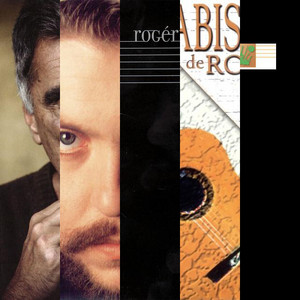
Virtuosos such as Raphael Rabello and later Yamandu Costa revitalized choro and samba-based fingerstyle with dazzling technique and original compositions, while players like Bola Sete and Paulo Bellinati helped solidify a transnational concert guitar repertoire. Today, violão thrives across solo recitals, rodas de choro, studio productions, and singer‑songwriter settings, remaining a core grammar for Brazilian music.