Genres
Artists
Albums
Make Music
Sign in
Sign in
Artists
Latin House
Artists
Latin House
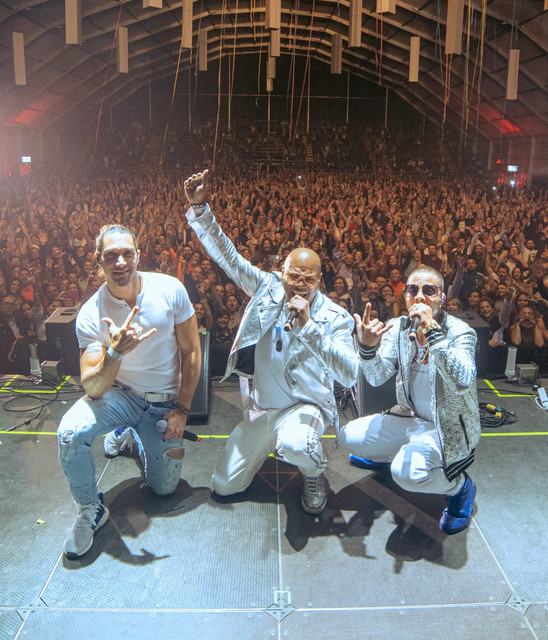
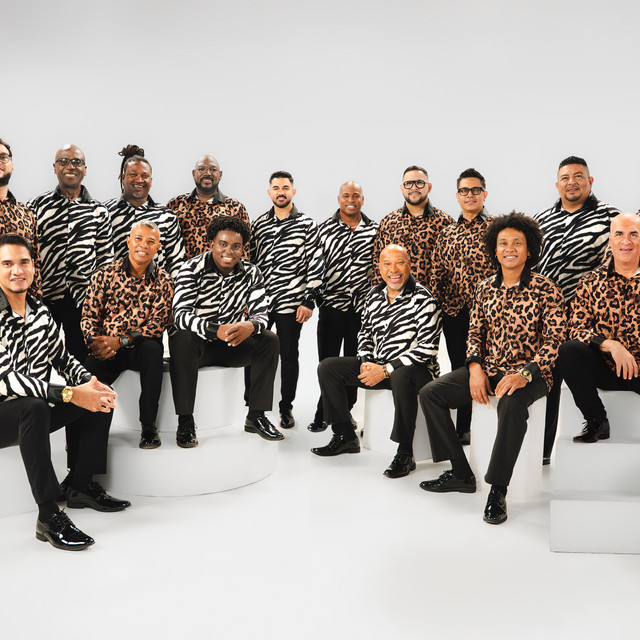
Proyecto Uno
1997–2014
·
4 albums
Listen
4
/5
Genres
Modern Indie Pop
Modern indie pop is a 2010s-forward style of pop made largely outside the traditional major-label pop pipeline, but with a strong focus on hooks, concise song forms, and modern production. It typically blends indie-rock songwriting attitudes (personal lyrics, DIY aesthetics, alternative scenes) with contemporary pop sonics such as punchy drums, bright or glassy synths, tight vocal editing, and streaming-era arrangement pacing. Compared with earlier indie pop, “modern” indie pop is usually more producer-led, more influenced by electronic and R&B-informed pop textures, and often designed to translate well to playlists and short-form content without losing an alternative identity.
Discover
Listen
Latin House
Latin house is a dance music style that fuses the four-on-the-floor drive of house with Afro–Latin and Caribbean rhythms, percussion, and song forms. It typically sits around 120–128 BPM and features congas, bongos, timbales, cowbells, güiro, and claves layered over punchy house drums and a syncopated, tumbao-inspired bass. Harmonically, Latin house often borrows from salsa, boogaloo, and Latin jazz: montuno piano riffs, brass stabs, and ii–V–I motion appear alongside soulful or Spanish-language vocals and call-and-response choruses. Its sound coalesced in late-1980s New York, Chicago, and Miami—Latin diaspora hubs where DJs and producers blended garage and Chicago house with salsa and merengue club culture. The result is an uplifting, dancefloor-focused style that balances the sleek repetition of house with the celebratory swing, polyrhythms, and melodic vibrancy of Latin music.
Discover
Listen
Merenhouse
Merenhouse (also called merenrap, electronic merengue, or mambo/mambo de calle in some contexts) is a hybrid dance style that fuses Dominican merengue with house, hip hop, and dancehall. It keeps merengue’s brisk two-beat feel and percussion colors (güira and tambora), but places them over a four‑on‑the‑floor house pulse, adds sampled breaks, rap verses, and dancehall toasts. The style took shape among Dominican and broader Caribbean diasporic communities in New York City in the late 1980s and blossomed in the 1990s club era. Bright synth hooks, driving bass lines, and chantable call‑and‑response choruses made merenhouse a crossover club staple that moved easily between Latin radio, hip hop programs, and mainstream dance floors.
Discover
Listen
House
House is a dance music genre that emerged in Chicago in the early 1980s, defined by a steady four-on-the-floor kick drum, off-beat hi-hats, soulful or hypnotic vocals, and groove-centric basslines. Typical tempos range from 118–130 BPM, and tracks are structured in DJ-friendly 16–32 bar phrases designed for seamless mixing. Drawing on disco’s celebratory spirit, electro-funk’s drum-machine rigor, and Italo/Hi-NRG’s synth-led sheen, house prioritizes repetition, tension-and-release, and communal energy on the dancefloor. Its sound palette often includes 808/909 drums, sampled or replayed disco/funk elements, filtered loops, piano/organ stabs, and warm, jazzy chords. Over time, house diversified into many substyles—deep house, acid house, French house, tech house, progressive house, and more—yet it remains a global foundation of club culture, known for emphasizing groove, inclusivity, and euphoria.
Discover
Listen
Salsa
Salsa is a pan–Latin dance music forged primarily in New York City by Puerto Rican, Cuban, and other Caribbean diasporas. It synthesizes Afro‑Cuban rhythmic blueprints, Puerto Rican bomba and plena, jazz harmony, big‑band horn writing, and Nuyorican street culture into a tightly arranged yet improvisation‑friendly style. The music lives on the clave (either 2‑3 or 3‑2), with layered percussion (congas, bongó, timbales, cowbell, güiro, maracas), a tumbao bass that anticipates the beat, and piano montuno guajeos that interlock with the rhythm section. Call‑and‑response vocals (coro/pregón), punchy horn mambos and moñas, and instrumental solos energize the montuno section. Tempos range from medium to fast in 4/4, optimized for social dancing (commonly “on1” or “on2”). Across decades, salsa has branched into harder, percussion‑forward “salsa dura,” smoother “salsa romántica,” and regional scenes in Puerto Rico, Venezuela, and Colombia, while continuing to influence—and be influenced by—neighboring tropical and jazz idioms.
Discover
Listen
Hip Hop
Hip hop is a cultural and musical movement that emerged from Black, Latino, and Caribbean communities, centering around rapping (MCing), DJing/turntablism, sampling-based production, and rhythmic speech over beats. It prioritizes groove, wordplay, and storytelling, often reflecting the social realities of urban life. Musically, hip hop is built on drum-centric rhythms (from breakbeats to 808 patterns), looped samples, and bass-forward mixes. Lyrically, it ranges from party anthems and braggadocio to political commentary and intricate poetic forms, with flow, cadence, and rhyme density as core expressive tools. Beyond music, hip hop encompasses a broader culture, historically intertwined with graffiti, b-boying/b-girling (breakdance), fashion, and street entrepreneurship, making it both an art form and a global social language.
Discover
Listen
Latin
Latin (as a genre label) is a broad umbrella used by the recording industry to categorize popular music rooted in Latin America, the Caribbean, and the Iberian world, often characterized by syncopated Afro-diasporic rhythms, dance-forward grooves, and lyrics primarily in Spanish or Portuguese. As a marketplace category that took shape in the mid-20th century United States, it gathers diverse traditions—Afro-Cuban, Brazilian, Mexican, and Caribbean styles—into a shared space. In practice, "Latin" spans everything from big-band mambo and bolero ballads to contemporary pop, rock, hip hop, and dance fusions produced by artists of Latin American heritage.
Discover
Listen
Merengue
Merengue is a fast, dance-centered popular music from the Dominican Republic characterized by a driving 2/4 meter, bright major-key harmonies, and a propulsive rhythmic engine created by güira and tambora. In its rural "típico" form, the lead instrument is a diatonic accordion, supported by tambora, güira, and bass. Urban and orchestral evolutions expanded the instrumentation to include saxophones, trumpets, trombones, piano, congas, and electric bass, yielding a powerful big-band sound. Common song forms use verse–chorus structures with catchy coros and a climactic jaleo section where horns or accordion play tightly arranged riffs. The style spans energetic party anthems, romantic ballad-leaning numbers (merengue romántico), and modern fusions that blend with pop and urban music.
Discover
Listen
Show all 8 genres
Albums
2014
4
/5
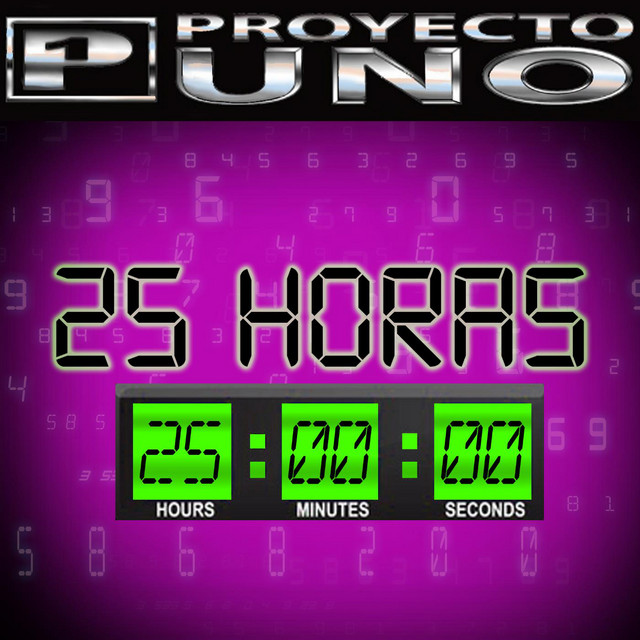
25 Horas
Proyecto Uno
Latin House
Merengue
Salsa
1998
3
/5
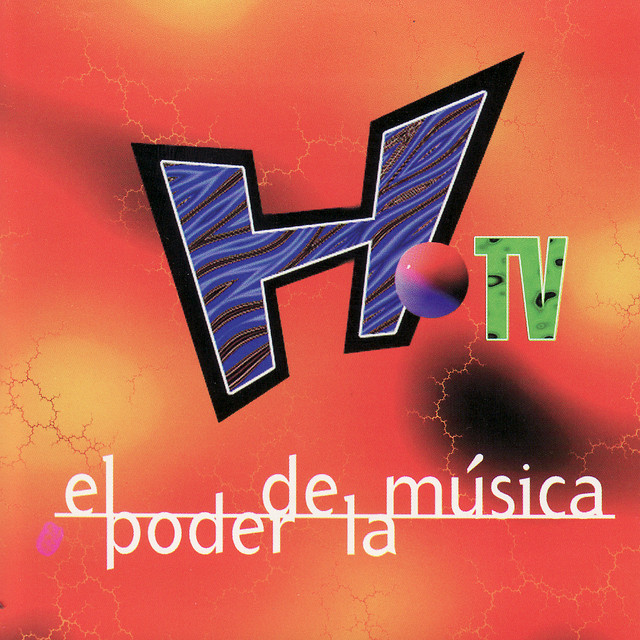
El Poder de la Música
Proyecto Uno
Merengue
Latin House
Salsa
1997
4
/5
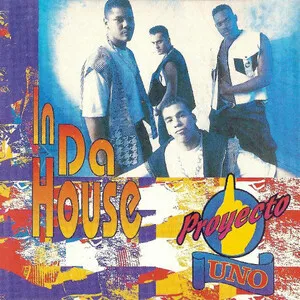
In Da House
Proyecto Uno
Merenhouse
Latin House
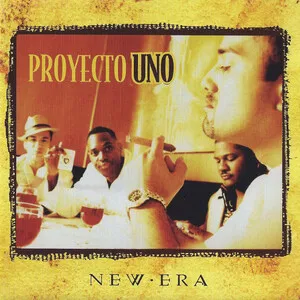
New Era
Proyecto Uno
Merenhouse
Similar artists
4
/5
Marc Anthony
Latin
Salsa
Bachata
4
/5
Juan Luis Guerra 4.40
Merengue
Bachata
Latin
4
/5
Willie Colón
Salsa
Salsa Dura
Son Cubano
4
/5
Elvis Crespo
Latin Dance
Latin
Merengue
4
/5
Adolescent's Orquesta
Merengue
Salsa
Salsa Romántica
4
/5
Frankie Ruiz
Salsa Romántica
Merengue
Salsa
4
/5
Yiyo Sarante
Merengue
Salsa
Salsa Romántica
4
/5
Celia Cruz
Latin Dance
Son Cubano
Mambo
4
/5
Grupo Niche
Salsa Romántica
Salsa
Merengue
4
/5
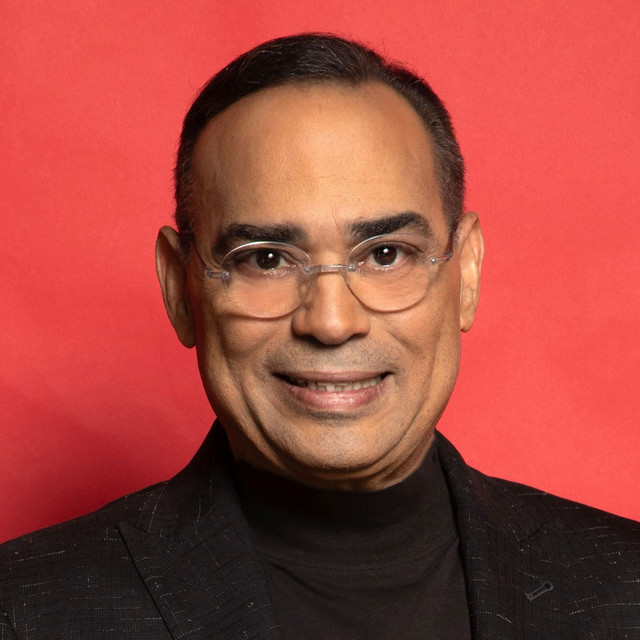
Gilberto Santa Rosa
Merengue
Salsa
Salsa Romántica
Download our mobile app
Get the Melodigging app and start digging for new genres on the go
Download on the App Store
Get it on Google Play
© 2026 Melodigging
Give feedback
Legal
Melodding was created as a tribute to
Every Noise at Once
, which inspired us to help curious minds keep digging into music's ever-evolving genres.