Genres
Artists
Albums
Make Music
Sign in
Sign in
Artists
Tearout
Artists
Tearout
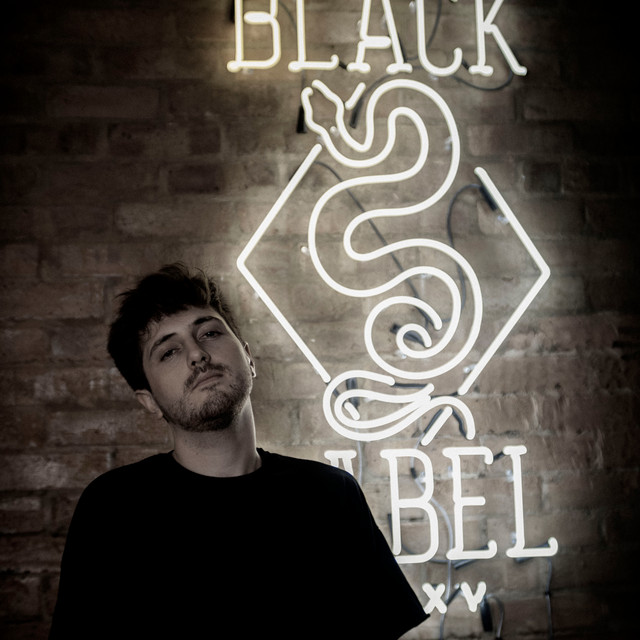
Perry Wayne
2023–2025
·
6 albums
Listen
2
/5
Genres
Minatory
Minatory is an extreme, experimental strain of deathstep that pushes heaviness and unpredictability to the forefront. Its hallmark is an abrasive, distorted sound palette coupled with abrupt, sometimes jarring BPM switch‑ups that can leap between halftime lurches and double‑time assaults within a single drop. Producers favor hyper-saturated basses, asymmetrical rhythms, and sudden silences or glitch edits to heighten tension. The result is a hostile, cinematic form of bass music that blends the dread of dark ambient and industrial with the impact of tearout and the rhythmic elasticity of modern dubstep.
Discover
Listen
Deathstep
Deathstep is an extreme, horror-laden branch of dubstep that fuses the genre’s half‑time lurch and sub‑heavy sound design with the aggression, timbral brutality, and macabre aesthetics of death metal and deathcore. Typically sitting around 140–150 BPM in half‑time, it emphasizes cavernous sub bass, serrated mid‑range growls, blast‑beat‑inspired kick runs, and cinematic, dread‑building intros. Vocals—when present—often borrow from extreme metal (growls, screams) or are sampled from horror cinema to intensify the sense of menace. Compared to brostep, deathstep is darker and more oppressive, prioritizing dissonance, chromatic motion, and percussive violence over anthemics. It thrives in underground labels and SoundCloud circles, with a visual language of decay, sci‑fi horror, and occult imagery.
Discover
Listen
Tearout Brostep
Tearout brostep is a hyper-aggressive strain of brostep that emphasizes violently modulated midrange basses, high-impact drops, and rapid-fire switch‑ups. It typically runs at 140–150 BPM in half‑time, pairing chest‑punching snares with seismic subs and screeching or growling lead basses. Producers lean heavily on advanced wavetable/FMX sound design, serial resampling, multiband distortion, OTT-style compression, and tight sidechaining to create a wall of kinetic, metallic energy. Arrangements often feature cinematic intros, tension‑building risers, and whiplash-inducing call‑and‑response bass phrases designed for headbanging festival crowds.
Discover
Listen
Briddim
Briddim is a hybrid strain of bass music that fuses the lurching, loop-driven minimalism of riddim with the high-impact, sound-design-forward aggression of brostep. It typically runs at 140–150 BPM in half-time, placing a punchy snare on beat three and driving the groove with syncopated bass stabs and call‑and‑response motifs. Compared to classic riddim, briddim foregrounds complex, highly modulated bass patches, sharp fills, and cinematic builds borrowed from brostep and tearout. The drops tend to be heavier and more varied than traditional riddim, yet remain more pattern‑centric and hypnotic than typical brostep, hence the “bridge” quality implied by the name.
Discover
Listen
Gaming Dubstep
Gaming dubstep is a high-energy offshoot of modern dubstep tailored for gameplay, esports highlights, and streaming content. It emphasizes explosive drops, cinematic builds, and hyper-detailed sound design that cuts through voice chat and game SFX. Typically centered around 140 BPM with a half-time groove, it blends brostep aggression, riddim simplicity, and melodic dubstep breakdowns. Producers favor bright, wide leads for anthemic choruses and gritty, midrange-focused bass timbres for drops. The result is music that feels epic and adrenalized, built to amplify on-screen action and montage pacing.
Discover
Listen
Brostep
Brostep is a high-intensity, EDM-leaning strain of dubstep that foregrounds aggressively modulated midrange basses, dramatic builds, and arena-sized drops. Where classic UK dubstep emphasizes sub-bass weight, spaciousness, and dubwise minimalism, brostep shifts the focus to bright, distorted, and highly articulated bass sound design, often supported by festival-ready structures and glossy, loud mastering. Typical tempos sit around 140 BPM (often presented in half-time), with snare on beat 3, punchy kick patterns, and dense fills. Signature sounds include vowel/formant "talking" basses, metallic growls, comb-filtered screeches, and heavy multiband distortion, arranged in call-and-response riffs that drive the drop.
Discover
Listen
Deep Filthstep
Deep filthstep is a heavy, sub‑focused branch of dubstep that keeps the snarling mid‑range "filth" of brostep while restoring the genre’s original sense of weight, space, and darkness. It emphasizes powerful mono subs, half‑time rhythms at ~140 BPM, and sculpted growl/wobble basses that punch through a minimalist, often cinematic mix. Compared with maximalist festival brostep, deep filthstep tends to be moodier and more restrained in arrangement, letting the sub and a few carefully modulated bass layers carry the drop. Sound design is still intricate (wavetable/FMs, formant and vowel filtering, resampling), but deployed with attention to negative space and bass weight.
Discover
Listen
Dubstep Product
Dubstep product is a production/library music take on dubstep tailored for sync: trailers, esports broadcasts, gaming content, advertising, influencer videos, and broadcast bumpers. It takes the sound design, half‑time groove, and drop‑centric structures of UK/US dubstep (including brostep/tearout variants) and packages them into edit‑friendly cues with clean hit points, sting endings, alternate mixes, stems, and duration cuts (15/30/60 seconds). The result balances maximalist bass design with practical considerations for dialogue, sound effects, and branding overlays. Compared with club‑oriented dubstep, dubstep product favors punchy, readable arrangements, cinematic impacts, and clearly marked builds/drops that translate across headphones, TV speakers, and mobile devices.
Discover
Listen
Neurostep
Neurostep is a hybrid subgenre that merges the sound‑design intensity of neurofunk drum & bass with the halftime groove and weight of dubstep. Typically sitting around 140 BPM (sometimes 150), it emphasizes intricate, constantly morphing bass timbres, razor‑edged transients, and tightly engineered drops. Compared to classic dubstep, neurostep is less about sparse wobble basses and more about complex, resampled, FM/phase‑modulated bass layers that evolve bar by bar. The drums are punchy and surgical—kicks carve through dense low‑end, snares land hard on the third beat, and ghosted percussion and glitch fills keep momentum between phrases. Its overall aesthetic is dark, technical, and cinematic: dystopian atmospheres, granular textures, and call‑and‑response bass motifs are common, while breakdowns often showcase sound‑design detail and tension before a precision‑engineered drop.
Discover
Listen
Tearout
Tearout is a heavy, gritty strain of dubstep built for impact on the dancefloor. It emphasizes savage mid‑range bass design, rugged half‑time drum grooves around 140 BPM, and chest‑rattling subs. Where deep/early dubstep prioritized space and dubwise atmosphere, tearout keeps that low‑end weight but pushes distortion, modulation, and call‑and‑response bass riffs to the foreground. The result is an aggressive, high‑energy sound that still feels rooted in the darker, UK club lineage rather than pop‑EDM polish.
Discover
Listen
Dubstep
Dubstep is a bass‑centric electronic dance music genre that emerged in South London in the early 2000s. It is typically around 140 BPM and is defined by a half‑time rhythmic feel, sub‑heavy basslines, sparse yet impactful drums, and a strong emphasis on space, tension, and sound system weight. Hallmark traits include syncopated kick patterns, snares on the third beat of the bar, swung/shuffly hi‑hats inherited from UK garage, and modulated low‑frequency bass (“wobbles”) shaped with LFOs, filters, and distortion. Influences from dub reggae (echo, delay, and minimalism), jungle/drum & bass (bass science and sound system culture), and 2‑step garage (rhythmic swing and shuffles) are central. The style ranges from deep, meditative “dub” aesthetics (often called deep dubstep) to more aggressive, midrange‑driven variants that later informed brostep and festival bass. Atmosphere, negative space, and subwoofer translation are as important as melody or harmony.
Discover
Listen
Bass Music
Bass music is an umbrella category that emphasizes heavy, foregrounded low‑frequency content—whether a booming kick drum, a sub‑bassline, or both. It spans electronic dance music and hip hop lineages from the 1980s onward and is less about one fixed rhythm than about putting the bass spectrum at the center of the mix. Producers typically sculpt the bass using synthesizers, samplers, and drum machines—famously the Roland TR‑808—along with modern soft synths and sub‑enhancement tools. Because it is a broad label, bass music can range from half‑time hip hop swing to four‑on‑the‑floor house pulses and breakbeat frameworks, but in every case the arrangement, sound design, and mix are built to make the low end the driving force.
Discover
Listen
Show all 12 genres
Albums
2025
1
/5
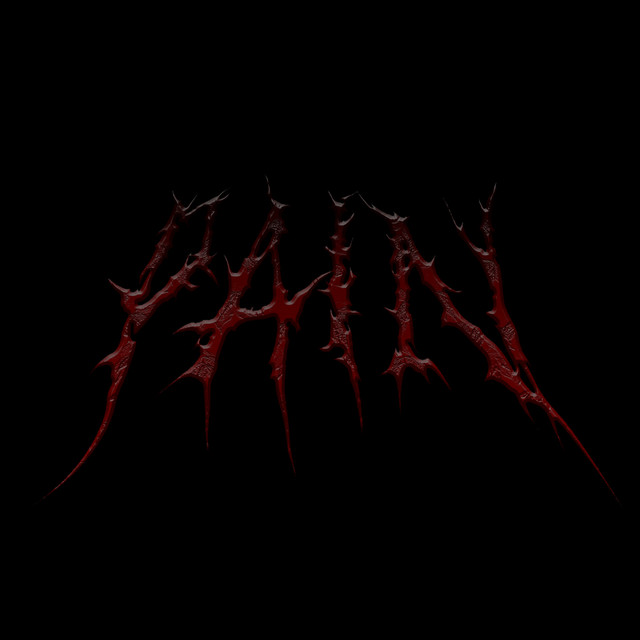
Pain
Perry Wayne
Tearout
2025
2
/5
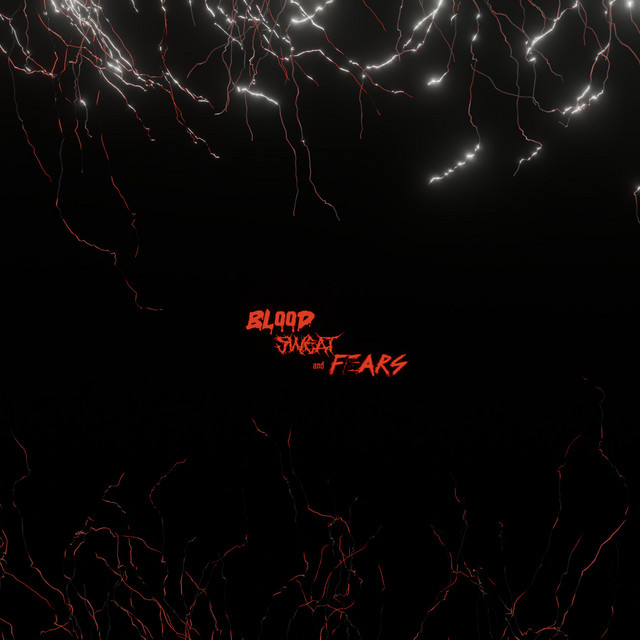
Blood, Sweat & Fears
Perry Wayne
Tearout
2025
1
/5
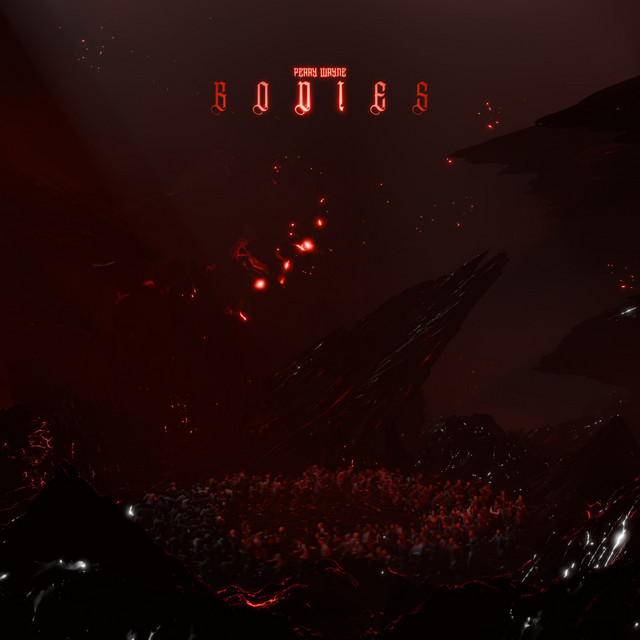
Bodies
Perry Wayne
Tearout
2024
2
/5
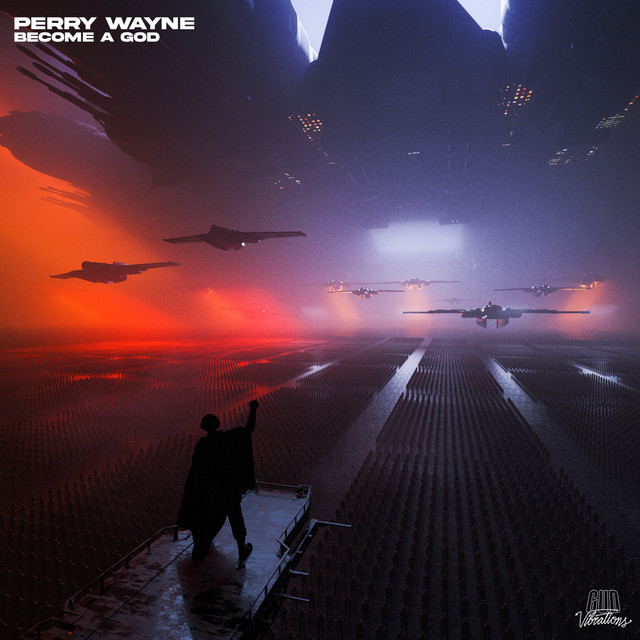
Become A God EP
Perry Wayne
Tearout
2024
1
/5
Prince of Pain
Perry Wayne
Tearout
2023
1
/5
Gut Punch
Perry Wayne
Tearout
Similar artists
2
/5
Kozmoz
Tearout
Bass Music
Cinematic Dubstep
2
/5
Hekler
Tearout
Tearout Brostep
Bass Music
2
/5
Oddprophet
Tearout
Tearout Brostep
Briddim
2
/5
Syzy
Dubstep
Tearout
Future Riddim
2
/5
Versa
Tearout
Bass Music
Deathstep
2
/5
MAD DUBZ
Bass Music
Cinematic Dubstep
Deathstep
2
/5
Badklaat
Bass Music
Deathstep
Dub
2
/5
STVG
Bass Music
Deathstep
Dubstep
2
/5
Cromatik
Bass Music
Deathstep
Dubstep
2
/5
Neonix
Bass Music
Deathstep
Dubstep
Download our mobile app
Get the Melodigging app and start digging for new genres on the go
Download on the App Store
Get it on Google Play
© 2026 Melodigging
Give feedback
Legal
Melodding was created as a tribute to
Every Noise at Once
, which inspired us to help curious minds keep digging into music's ever-evolving genres.