Genres
Artists
Albums
Make Music
Sign in
Sign in
Artists
Classical
Artists
Classical
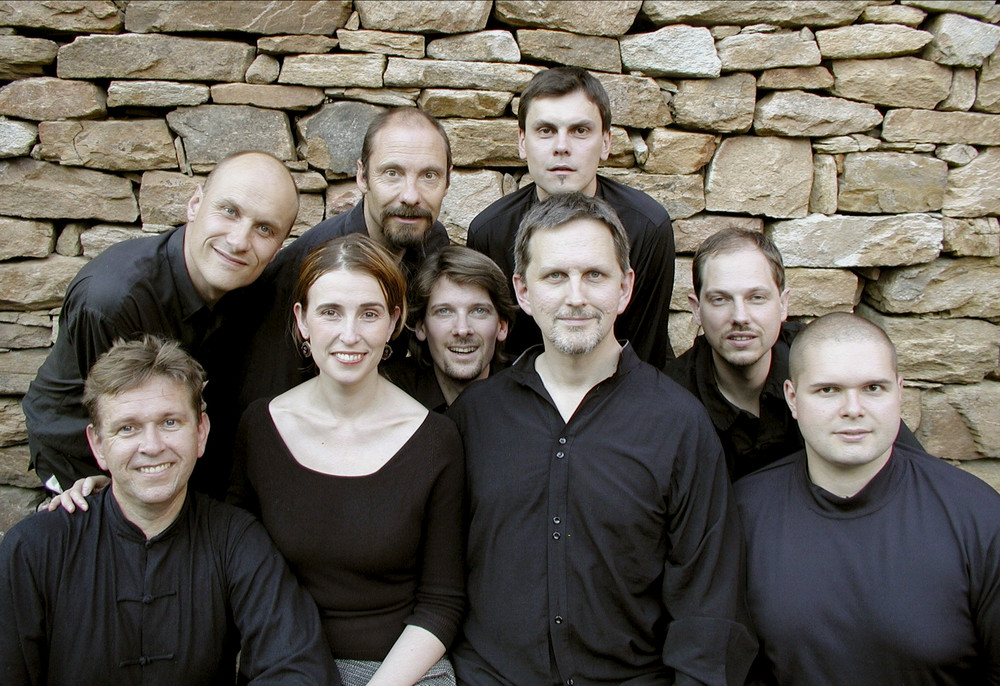
Perceval, Ensemble
1998
·
1 album
Listen
Genres
Classical
Classical music is the notated art-music tradition of Europe and its global descendants, characterized by durable forms, carefully codified harmony and counterpoint, and a literate score-based practice. The term “classical” can refer broadly to the entire Western art-music lineage from the Medieval era to today, not just the Classical period (c. 1750s–1820s). It privileges long-form structures (such as symphonies, sonatas, concertos, masses, and operas), functional or modal harmony, thematic development, and timbral nuance across ensembles ranging from solo instruments to full orchestras and choirs. Across centuries, the style evolved from chant and modal polyphony to tonal harmony, and later to post-tonal idioms, while maintaining a shared emphasis on written notation, performance practice, and craft.
Discover
Listen
Medieval Lyric Poetry
Medieval lyric poetry refers to the monophonic, poet-composer song traditions that flourished in medieval Europe, especially from the 12th to the 14th centuries. It centers on refined, metrically crafted texts set to memorable modal melodies and performed by court poets, minstrels, or itinerant singer-poets. The genre is best known through the Occitan troubadours and northern French trouvères, but related traditions also thrived among the German Minnesänger and the Galician‑Portuguese cantigueiros. Typical themes include courtly love (fin'amor), longing and absence, moral or political commentary (sirventes), crusade songs, and nature imagery, articulated through strict stanzaic forms, elaborate rhyme schemes, and refrains. Performance was usually solo voice accompanied by medieval instruments (vielle, harp, lute, psaltery, flutes), with a predominantly syllabic text setting, modal pitch organization (e.g., Dorian, Mixolydian), and strophic repetition that highlighted poetic craft.
Discover
Listen
Medieval
Medieval music refers to the diverse sacred and secular musical practices of Europe between the fall of the Western Roman Empire and the dawn of the Renaissance. It spans more than eight centuries, from early monophonic chant to the first notated polyphony. Core features include the use of church modes rather than major/minor, extensive reliance on vocal music (Latin sacred chant as well as vernacular song), and the progressive development from unmeasured chant to rhythmic modal notation and, later, mensural notation. Texture evolves from monophony (plainchant, troubadour songs) to organum, conductus, and the motet, culminating in complex isorhythmic works by the late 13th–14th centuries. Secular traditions—troubadours and trouvères in France, Minnesänger in German lands, and the Iberian Cantigas—coexisted with and influenced sacred practice. Instruments such as the vielle, harp, psaltery, recorder, shawm, hurdy-gurdy, and portative organ often doubled or accompanied voices, though much music remained purely vocal.
Discover
Listen
Albums
1998
1
/5
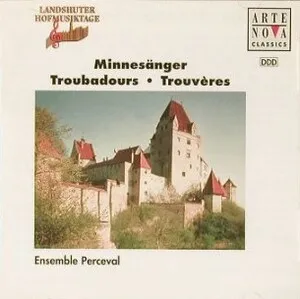
Minnesänger, Troubadours, Trouvères
Ensemble Perceval
Medieval Lyric Poetry
Classical
Medieval
Similar artists
3
/5
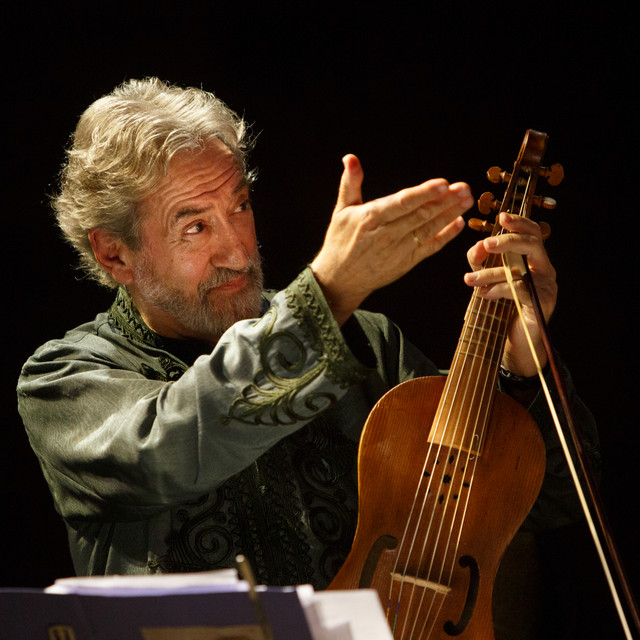
Jordi Savall
Renaissance
Baroque
Classical
3
/5
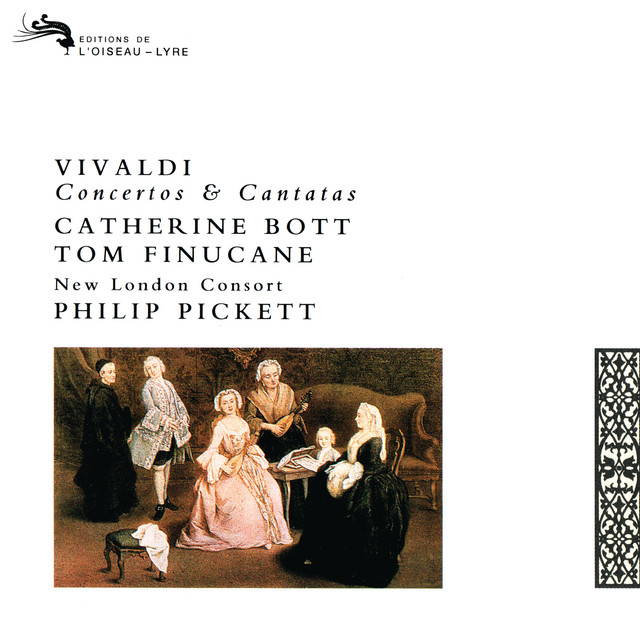
Philip Pickett
Classical
Medieval
Medieval Lyric Poetry
2
/5
New London Consort
Classical
Medieval
Madrigal
2
/5
Sequentia
Gregorian Chant
Plainchant
Medieval
2
/5
Alfonso X El Sabio
Medieval
Medieval Lyric Poetry
Spanish Classical Music
2
/5
Tonus Peregrinus
Ars Antiqua
Choral
Gregorian Chant
2
/5
Eduardo Paniagua
Medieval
Medieval Lyric Poetry
Spanish Classical Music
2
/5
Unicorn Ensemble
Medieval
Medieval Classical Music
Medieval Lyric Poetry
1
/5
Alla Francesca
Medieval
Classical
Gregorian Chant
1
/5
Gautier De Coincy
Medieval
Classical
Medieval Lyric Poetry
Download our mobile app
Get the Melodigging app and start digging for new genres on the go
Download on the App Store
Get it on Google Play
© 2026 Melodigging
Give feedback
Legal
Melodding was created as a tribute to
Every Noise at Once
, which inspired us to help curious minds keep digging into music's ever-evolving genres.