Genres
Artists
Albums
Make Music
Sign in
Sign in
Artists
Bolero
Artists
Bolero
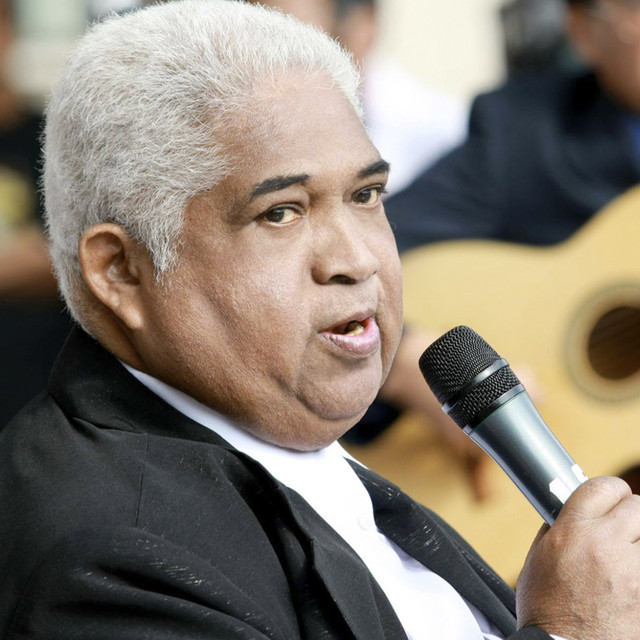
Pedrito Otiniano
2014
·
1 album
Listen
2
/5
Genres
Cumbia Ecuatoriana
Cumbia ecuatoriana is Ecuador’s regional take on Colombian cumbia, fused with local Andean melodic sensibilities and coastal tropical band traditions. It keeps cumbia’s steady 2/4 groove—güiro ostinato, syncopated percussion, and a dancing bass tumbao—while weaving in Andean pentatonic hooks on charango, quena, or synth leads. In coastal contexts, big brass and timbales give it a festive, “orquesta tropical” feel; in the Sierra, melodies often lean bittersweet and minor, reflecting Andean song aesthetics. Since the 1990s, a flashier, synth-driven branch (often called tecnocumbia) amplified Ecuadorian cumbia’s presence on radio and dance floors, but the core DNA remains: romantic storylines, catchy call-and-response coros, and a rhythm built for social dancing.
Discover
Listen
Huayno
Huayno (Quechua: waynu/wayno) is a traditional Andean music and dance style that took modern shape in the Peruvian highlands and spread across Bolivia and Ecuador. It is marked by brisk duple-meter rhythms with a strong downbeat, bright pentatonic melodies, and emotive vocals often sung in Quechua and Spanish. Typical ensembles feature charango and guitar strumming patterns, soaring quena (Andean flute) and siku (panpipes), lyrical violin or harp lines, and driving bombo or wankara drum pulses. The dance uses lively stomping steps and turns, reflecting festive community gatherings, courtship, and rural life. Regional variants include the fast, celebratory Huaylas (central highlands), the yaraví-inflected, tender huayno ayacuchano (Ayacucho), and the panpipe- and charango-rich wayno sureño (Cusco–Puno). Lyrical themes span love and longing, migration, indigenous pride, and everyday joys and hardships.
Discover
Listen
Bolero
Bolero is both a Spanish dance-music form from the late 18th century and, later, a Cuban song style from the late 19th century. The Spanish bolero emerged as a moderately slow solo or partner dance in 3/4 time, shaped by Andalusian song-dance traditions. It typically features guitar accompaniment and castanets, and its sung texts often follow the seguidilla stanza pattern. In Cuba, bolero evolved into a romantic ballad—most often in 2/4 (later also felt in 4/4)—performed by singers, trios, and salon ensembles. Cuban bolero emphasizes intimate, lyrical melodies, guitar-led accompaniment (often with requinto), and gentle Afro-Caribbean rhythmic undercurrents (habanera feel, soft bongo, claves), becoming one of Latin America’s quintessential love-song forms.
Discover
Listen
Albums
2014
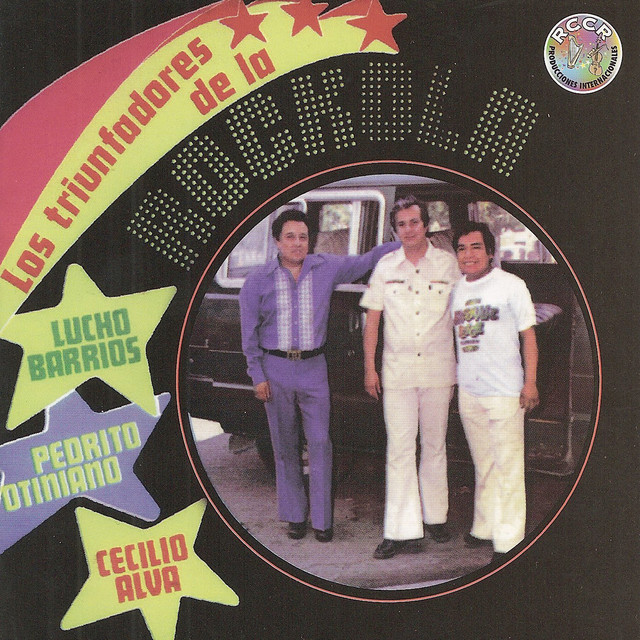
Los Triunfadores de la Rockola
Cecilio Alva, Lucho Barrios, Pedrito Otiniano
Cumbia Ecuatoriana
Similar artists
3
/5
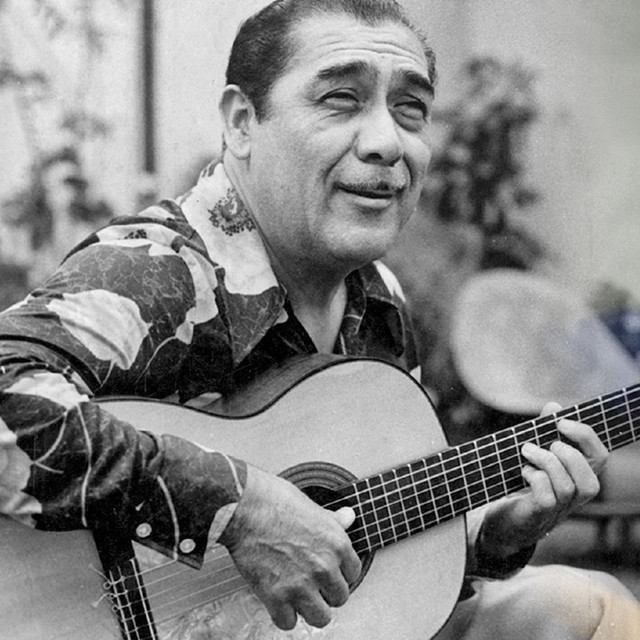
Lucho Barrios
Música Criolla
Bolero
Huayno
2
/5
Juan Alava
Bolero
Chicha
Huayno
2
/5
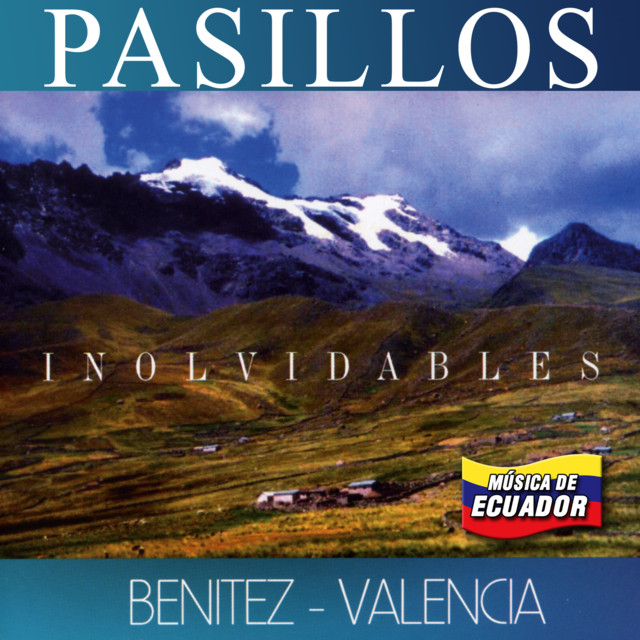
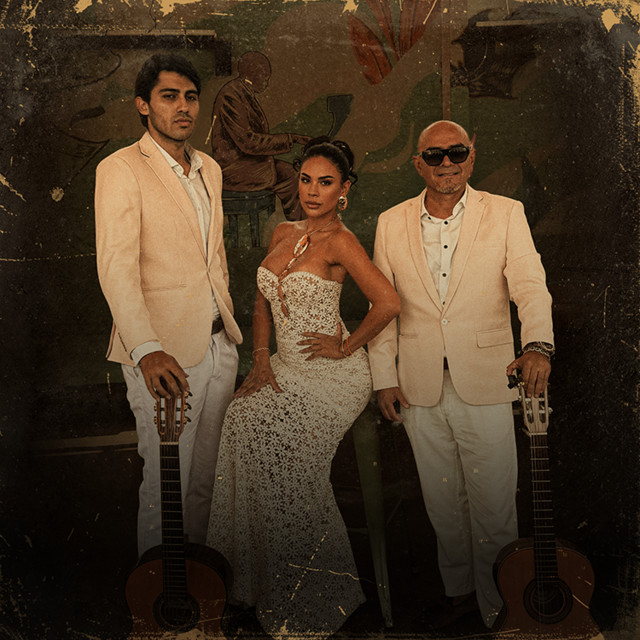
Benítez - Valencia
Bolero
Chicha
Folclor Andino
3
/5
Segundo Rosero
Bolero
Chicha
Electrocumbia
3
/5
Eva Ayllón
Música Criolla
Festejo
Bolero
3
/5
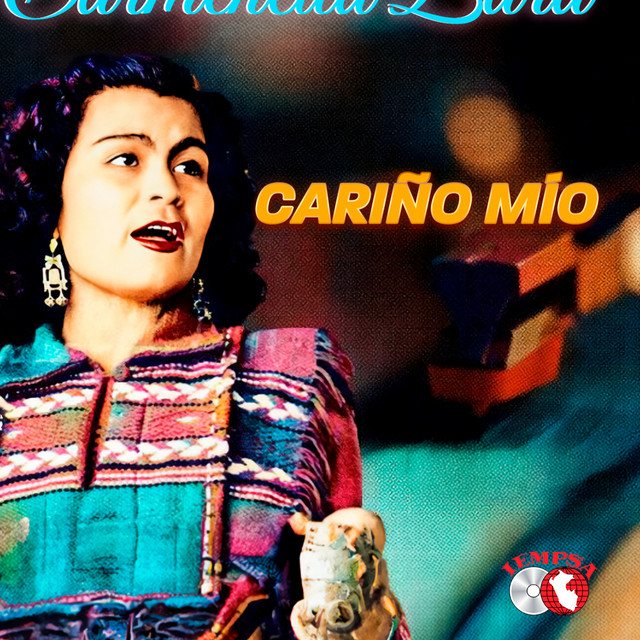
Carmencita Lara
Música Criolla
Vals Criollo
Bolero
3
/5
Arturo "Zambo" Cavero
Música Criolla
Bolero
Huayno
3
/5
Oscar Avilés
Vals Criollo
Música Criolla
Bolero
3
/5
Los Kipus
Vals Criollo
Bolero
Chicha
3
/5
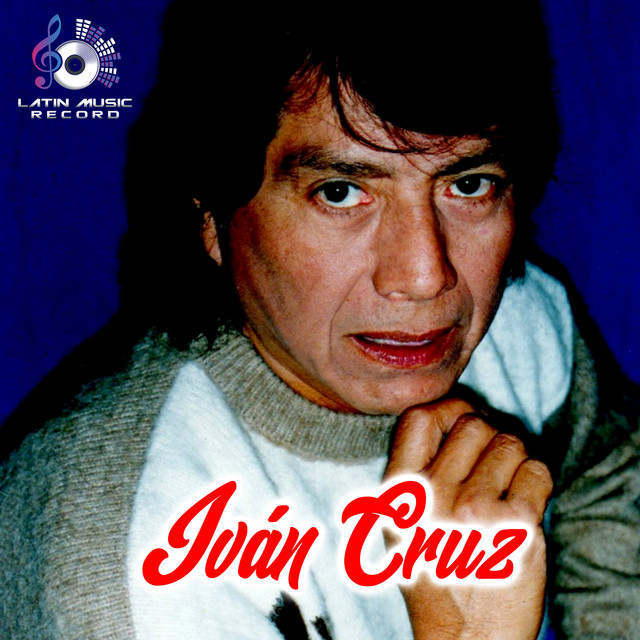
Iván Cruz
Bolero
Chicha
Huayno
Download our mobile app
Get the Melodigging app and start digging for new genres on the go
Download on the App Store
Get it on Google Play
© 2026 Melodigging
Give feedback
Legal
Melodding was created as a tribute to
Every Noise at Once
, which inspired us to help curious minds keep digging into music's ever-evolving genres.