Genres
Artists
Albums
Make Music
Sign in
Sign in
Artists
Música Criolla
Artists
Música Criolla
Eva Ayllón
1979–2025
·
19 albums
Listen
3
/5
Genres
Lo Star
Lo star is a streaming-era umbrella tag used to group under-the-radar, low-profile artists who sit on the fringes of indie, alternative, DIY pop, and related scenes. Rather than denoting a single, tightly defined musical vocabulary, it marks a discovery space of self-produced or small-label projects with modest audiences, genre-fluid aesthetics, and a distinctly DIY approach to recording and release. Expect intimate vocals, inexpensive or home-studio production, hybrid acoustic/electronic textures, and songwriting that favors personal storytelling and immediacy over polish. Because it functions as a curatorial category for emerging or niche acts, the sonic palette spans indie rock and folk-pop to bedroom pop and lo-fi electronic, unified by scale, ethos, and distribution more than by strict musical rules.
Discover
Listen
Festejo
Festejo is a lively Afro-Peruvian music and dance style from Peru’s central coastal region. It is characterized by an upbeat 12/8 (or fast 6/8) feel, driving handclaps (palmas), and polyrhythmic percussion led by the cajón, often joined by the quijada de burro (donkey jawbone) and the cajita. Call-and-response vocals and celebratory lyrics emphasize joy, community, humor, and Afro-Peruvian identity. Melodically and harmonically, festejo songs tend to use straightforward diatonic progressions and memorable choruses designed for audience participation. Dance is inseparable from the music: intricate footwork and body movement mirror the syncopated groove, making festejo a hallmark of Afro-Peruvian festive culture.
Discover
Listen
Latin
Latin (as a genre label) is a broad umbrella used by the recording industry to categorize popular music rooted in Latin America, the Caribbean, and the Iberian world, often characterized by syncopated Afro-diasporic rhythms, dance-forward grooves, and lyrics primarily in Spanish or Portuguese. As a marketplace category that took shape in the mid-20th century United States, it gathers diverse traditions—Afro-Cuban, Brazilian, Mexican, and Caribbean styles—into a shared space. In practice, "Latin" spans everything from big-band mambo and bolero ballads to contemporary pop, rock, hip hop, and dance fusions produced by artists of Latin American heritage.
Discover
Listen
Música Criolla
Música criolla is the coastal Peruvian Creole song tradition that blends Spanish, African, and indigenous elements into a lyrical, guitar‑led popular style. It is both an umbrella term for related forms and a repertoire in its own right, centering on the vals criollo (Peruvian waltz) while encompassing marinera, tondero, festejo, landó, and others. Typically performed with nylon‑string guitars, cajón peruano, and hand percussion (quijada de burro, cajita, palmas), it features elegant melodies, rich harmonies, and poetic lyrics about love, the city of Lima, nostalgia, and everyday life. Rhythmic interplay between European meters (3/4, 6/8) and Afro‑Peruvian syncopations gives the music its supple swing and expressive phrasing. Beyond a musical style, música criolla signifies a Creole identity forged in Peru’s coastal cities, celebrated in peñas (social gatherings) and on El Día de la Canción Criolla (October 31).
Discover
Listen
Vals Criollo
Vals criollo (Peruvian waltz) is the coastal Peruvian reinterpretation of the European waltz, played in 3/4 time but with distinctive Afro-Peruvian and Creole (criollo) phrasing, syncopation, and guitar-centric accompaniment. It is typically performed by voice and one or more nylon-string guitars, often supported by cajón, palmas (handclaps), and second voices, creating a warm, intimate salon or peña atmosphere. Melodies are lyrical and ornamented, harmonies draw on classical waltz cadences enriched with secondary dominants and chromatic passing chords, and lyrics dwell on love, nostalgia, neighborhood life in Lima, and the pride and melancholy of the criollo identity. Celebrated annually on Peru’s Día de la Canción Criolla (Oct 31), the genre is a central pillar of música criolla and one of Peru’s most emblematic urban song forms.
Discover
Listen
Marinera
Marinera is a Peruvian coastal song-and-dance genre known for its elegant courtship pantomime performed with handkerchiefs. It blends Hispanic melodic-harmonic language with Afro-Peruvian rhythms and Andean phrasing, producing a distinctive swing based on hemiola between 6/8 and 3/4. There are several regional styles: the more urbane and lyrical marinera limeña (from Lima), the brisk and virtuosic marinera norteña (centered in Trujillo, often danced with dramatic footwork), and the marinera serrana (highland variant with Andean coloring). Instrumentation commonly features Spanish guitars and cajón, with quijada (jawbone), palmas (handclaps), and cajita in Afro-Peruvian contexts; in the north, brass or town bands may accompany competitions.
Discover
Listen
Polca Criolla
Polca criolla is the Peruvian creole adaptation of the European polka, rendered in the coastal "música criolla" idiom of Lima and other coastal cities. It is typically lively and festive, set in 2/4 meter with a buoyant, accentuated "oom-pah" feel, and performed with the signature coastal ensemble of guitars, cajón, handclaps (palmas), and often the quijada (donkey jawbone), with bright, agile vocals. While formally rooted in salon dance traditions of the 19th century, polca criolla bears the rhythmic drive, street-party humor (picardía), and call-and-response performance style of Peruvian jaranas (house parties), making it a staple alongside vals criollo, marinera, and festejo in the broader criollo repertoire.
Discover
Listen
Huayno
Huayno (Quechua: waynu/wayno) is a traditional Andean music and dance style that took modern shape in the Peruvian highlands and spread across Bolivia and Ecuador. It is marked by brisk duple-meter rhythms with a strong downbeat, bright pentatonic melodies, and emotive vocals often sung in Quechua and Spanish. Typical ensembles feature charango and guitar strumming patterns, soaring quena (Andean flute) and siku (panpipes), lyrical violin or harp lines, and driving bombo or wankara drum pulses. The dance uses lively stomping steps and turns, reflecting festive community gatherings, courtship, and rural life. Regional variants include the fast, celebratory Huaylas (central highlands), the yaraví-inflected, tender huayno ayacuchano (Ayacucho), and the panpipe- and charango-rich wayno sureño (Cusco–Puno). Lyrical themes span love and longing, migration, indigenous pride, and everyday joys and hardships.
Discover
Listen
Tondero
Tondero is a traditional song-and-dance form from the northern coast of Peru, especially the Piura and Lambayeque regions. It blends Spanish (Andalusian) dance-song traits with Afro-Peruvian rhythm and local criollo poetry, yielding a bittersweet yet lively character. Musically it is typically in compound meter (felt in 6/8, often interlocking with a 3/4 hemiola), led by guitar with percussive support from cajón, quijada (donkey jawbone), palmas (handclaps), and small idiophones. Performances often begin with a slow, plaintive introduction (the “Triste”) before moving into the more rhythmic tondero proper and concluding with a bright, accelerated “Fuga.” Lyrically, tondero evokes northern coastal life—dry forests (algarrobos), horses, rural courtship, longing, and the sea—frequently delivered in décima-style verses with call-and-response refrains suitable for both intimate peñas and festive community dances.
Discover
Listen
Bolero
Bolero is both a Spanish dance-music form from the late 18th century and, later, a Cuban song style from the late 19th century. The Spanish bolero emerged as a moderately slow solo or partner dance in 3/4 time, shaped by Andalusian song-dance traditions. It typically features guitar accompaniment and castanets, and its sung texts often follow the seguidilla stanza pattern. In Cuba, bolero evolved into a romantic ballad—most often in 2/4 (later also felt in 4/4)—performed by singers, trios, and salon ensembles. Cuban bolero emphasizes intimate, lyrical melodies, guitar-led accompaniment (often with requinto), and gentle Afro-Caribbean rhythmic undercurrents (habanera feel, soft bongo, claves), becoming one of Latin America’s quintessential love-song forms.
Discover
Listen
Show all 10 genres
Albums
2025
1
/5
Eres Mi Sangre
Eva Ayllón
Música Criolla
2018
1
/5
30 Años en Vivo
Eva Ayllón
Música Criolla
2018
2
/5
Un Bolero un Vals
Eva Ayllón
Música Criolla
2015
2
/5
Colección de Oro del Criollismo, Vol. 1: Que Somos Amantes
Eva Ayllón
Música Criolla
2010
3
/5
25 Años, 25 Éxitos
Eva Ayllón
Música Criolla
2010
3
/5
Así Es
Eva Ayllón
Música Criolla
2009
Quimba, fa, malambo, neque
Eva Ayllón
Latin
2007
1
/5
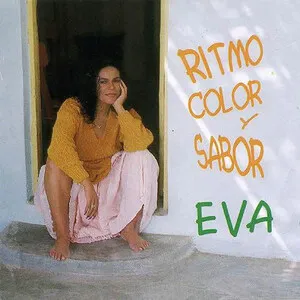
Ritmo, Color y Sabor
Eva Ayllón
Música Criolla
2007
1
/5
Historia De...
Eva Ayllón
Música Criolla
1999
1
/5
La de Siempre
Eva Ayllón
Música Criolla
1998
2
/5
Más Eva Que Nunca
Eva Ayllón
Música Criolla
1995
3
/5
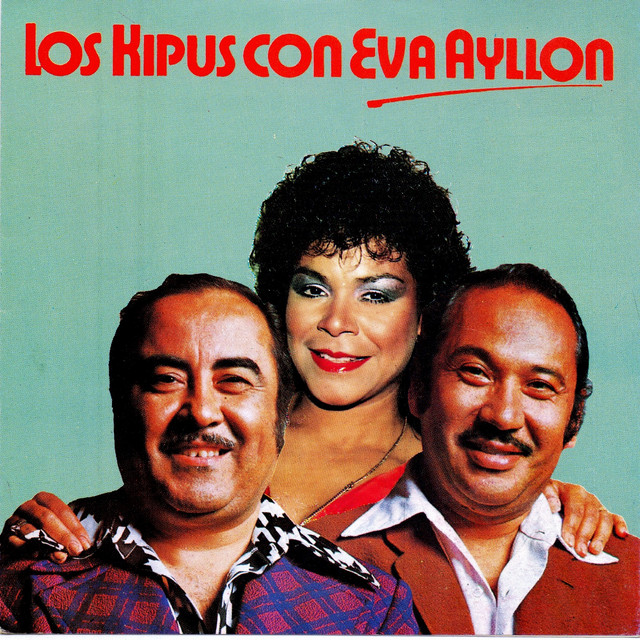
Los Kipus con Eva
Los Kipus & Eva Ayllón
Música Criolla
Vals Criollo
1989
2
/5
Eva Ayllón: A Lifetime Achievement Music Excellence Award (academia Latina de Grabación)
Eva Ayllón
Música Criolla
1988
2
/5
Eva Ayllón: Mistura Criolla
Eva Ayllón
Música Criolla
1987
3
/5
100% Afro Peruana
Eva Ayllón
Música Criolla
1985
1
/5
Norteña: Marineras, Tonderos & Resbalosas
Eva Ayllón
Tondero
Marinera
Música Criolla
1979
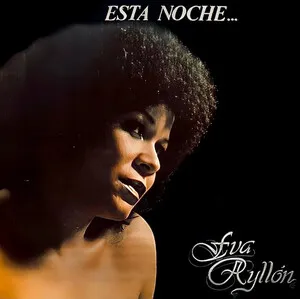
Esta noche
Eva Ayllón
Festejo
Latin
Música Criolla
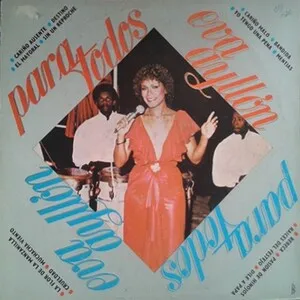
Para todos
Eva Ayllón
Festejo
Ritmo Color Y Sabor
Eva Ayllón
Festejo
Similar artists
3
/5
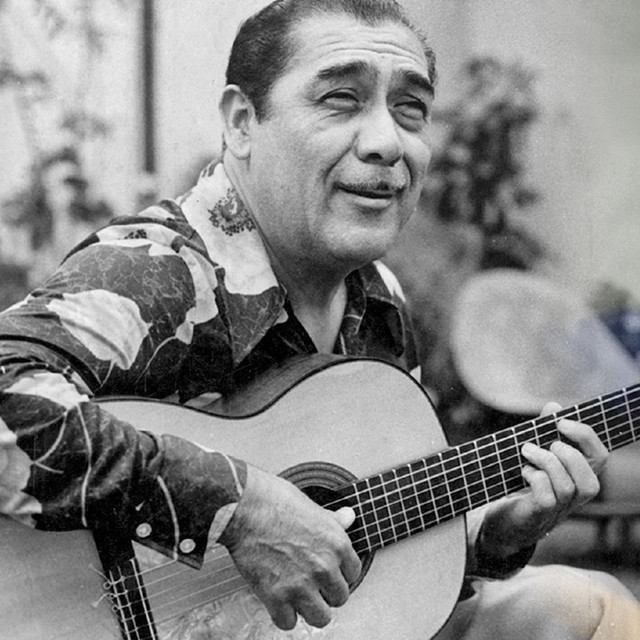
Arturo "Zambo" Cavero
Música Criolla
Bolero
Huayno
3
/5
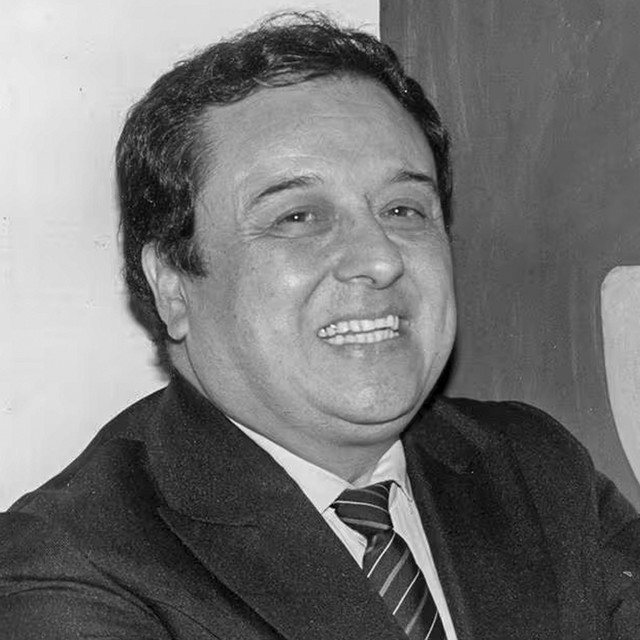
Oscar Avilés
Vals Criollo
Bolero
Huayno
3
/5
Lucho Barrios
Música Criolla
Bolero
Huayno
2
/5
El Cholo Berrocal
Música Criolla
Bolero
Huayno
3
/5
Los Embajadores Criollos
Música Criolla
Bolero
Huayno
3
/5
Carmencita Lara
Música Criolla
Vals Criollo
Bolero
2
/5
Luis Abanto Morales
Música Criolla
Bolero
Folclor Andino
2
/5
Los Morochucos
Música Criolla
Bolero
Huayno
2
/5
Manuel Donayre
Música Criolla
Bolero
Huayno
2
/5
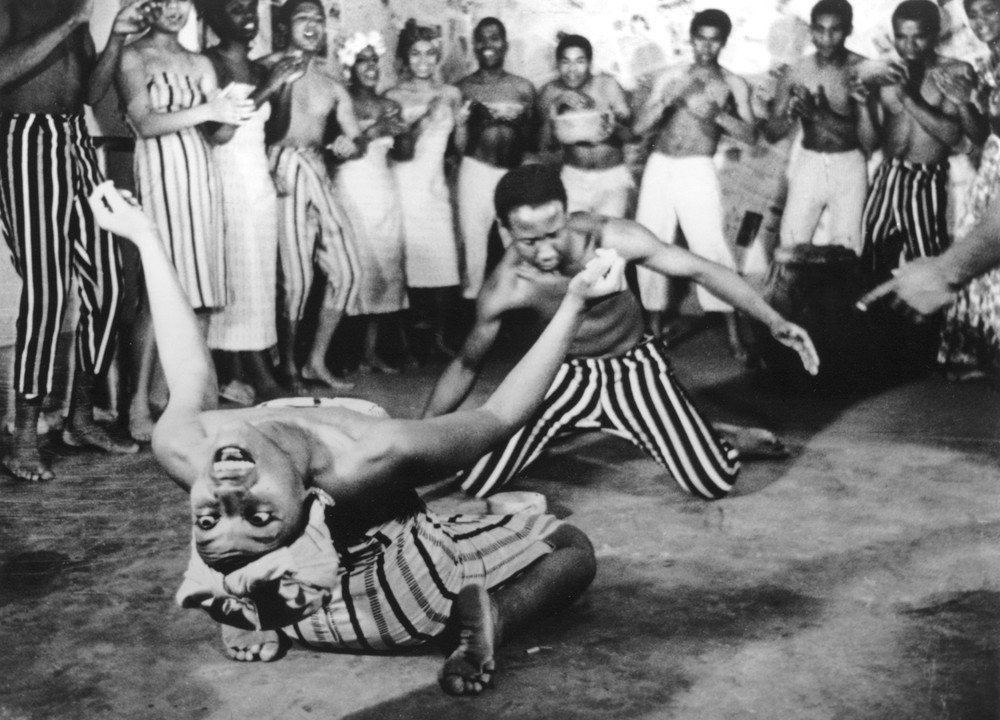
Perú Negro
Festejo
Huayno
Latin Folk
Download our mobile app
Get the Melodigging app and start digging for new genres on the go
Download on the App Store
Get it on Google Play
© 2026 Melodigging
Give feedback
Legal
Melodding was created as a tribute to
Every Noise at Once
, which inspired us to help curious minds keep digging into music's ever-evolving genres.