Genres
Artists
Albums
Make Music
Sign in
Sign in
Artists
Vals Criollo
Artists
Vals Criollo
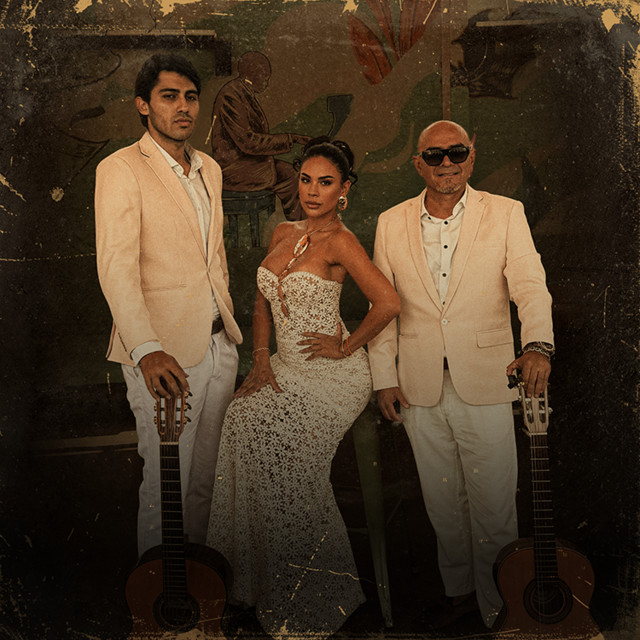
Los Kipus
1995
·
3 albums
Listen
3
/5
Genres
Chicha
Chicha is a Peruvian branch of cumbia that crystallized in urban migrant neighborhoods during the late 1960s and 1970s. It fuses Colombian cumbia rhythms with Andean huayno melodies, played on electric guitars that carry surf- and psychedelic-rock inflections. The style is defined by bright, reverb-soaked lead guitar lines in pentatonic (often Andean) motifs, Farfisa- or Hammond-type organs doubling riffs, and a steady cumbia groove driven by drum kit, güiro, and congas. Lyrics frequently reflect internal migration, working-class life, love, longing, and the bittersweet experience of cultural hybridity in Lima and other Peruvian cities. Chicha is sometimes called cumbia peruana (though that umbrella also includes Amazonian cumbia). Its imagery and street-poster aesthetics—neon colors and bold typography—became synonymous with the sound’s vibrant, grassroots identity.
Discover
Listen
Vals Criollo
Vals criollo (Peruvian waltz) is the coastal Peruvian reinterpretation of the European waltz, played in 3/4 time but with distinctive Afro-Peruvian and Creole (criollo) phrasing, syncopation, and guitar-centric accompaniment. It is typically performed by voice and one or more nylon-string guitars, often supported by cajón, palmas (handclaps), and second voices, creating a warm, intimate salon or peña atmosphere. Melodies are lyrical and ornamented, harmonies draw on classical waltz cadences enriched with secondary dominants and chromatic passing chords, and lyrics dwell on love, nostalgia, neighborhood life in Lima, and the pride and melancholy of the criollo identity. Celebrated annually on Peru’s Día de la Canción Criolla (Oct 31), the genre is a central pillar of música criolla and one of Peru’s most emblematic urban song forms.
Discover
Listen
Música Criolla
Música criolla is the coastal Peruvian Creole song tradition that blends Spanish, African, and indigenous elements into a lyrical, guitar‑led popular style. It is both an umbrella term for related forms and a repertoire in its own right, centering on the vals criollo (Peruvian waltz) while encompassing marinera, tondero, festejo, landó, and others. Typically performed with nylon‑string guitars, cajón peruano, and hand percussion (quijada de burro, cajita, palmas), it features elegant melodies, rich harmonies, and poetic lyrics about love, the city of Lima, nostalgia, and everyday life. Rhythmic interplay between European meters (3/4, 6/8) and Afro‑Peruvian syncopations gives the music its supple swing and expressive phrasing. Beyond a musical style, música criolla signifies a Creole identity forged in Peru’s coastal cities, celebrated in peñas (social gatherings) and on El Día de la Canción Criolla (October 31).
Discover
Listen
Huayno
Huayno (Quechua: waynu/wayno) is a traditional Andean music and dance style that took modern shape in the Peruvian highlands and spread across Bolivia and Ecuador. It is marked by brisk duple-meter rhythms with a strong downbeat, bright pentatonic melodies, and emotive vocals often sung in Quechua and Spanish. Typical ensembles feature charango and guitar strumming patterns, soaring quena (Andean flute) and siku (panpipes), lyrical violin or harp lines, and driving bombo or wankara drum pulses. The dance uses lively stomping steps and turns, reflecting festive community gatherings, courtship, and rural life. Regional variants include the fast, celebratory Huaylas (central highlands), the yaraví-inflected, tender huayno ayacuchano (Ayacucho), and the panpipe- and charango-rich wayno sureño (Cusco–Puno). Lyrical themes span love and longing, migration, indigenous pride, and everyday joys and hardships.
Discover
Listen
Bolero
Bolero is both a Spanish dance-music form from the late 18th century and, later, a Cuban song style from the late 19th century. The Spanish bolero emerged as a moderately slow solo or partner dance in 3/4 time, shaped by Andalusian song-dance traditions. It typically features guitar accompaniment and castanets, and its sung texts often follow the seguidilla stanza pattern. In Cuba, bolero evolved into a romantic ballad—most often in 2/4 (later also felt in 4/4)—performed by singers, trios, and salon ensembles. Cuban bolero emphasizes intimate, lyrical melodies, guitar-led accompaniment (often with requinto), and gentle Afro-Caribbean rhythmic undercurrents (habanera feel, soft bongo, claves), becoming one of Latin America’s quintessential love-song forms.
Discover
Listen
Albums
1995
3
/5
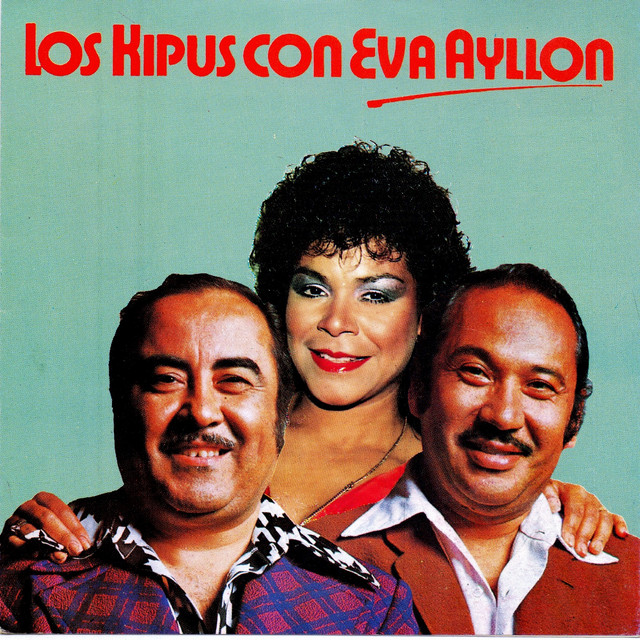
Los Kipus con Eva
Los Kipus & Eva Ayllón
Música Criolla
Vals Criollo
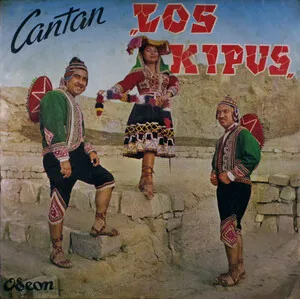
Cantan Los Kipus
Los Kipus
Vals Criollo
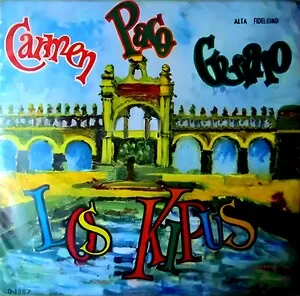
Carmen, Paco y Genaro
Los Kipus
Vals Criollo
Similar artists
3
/5
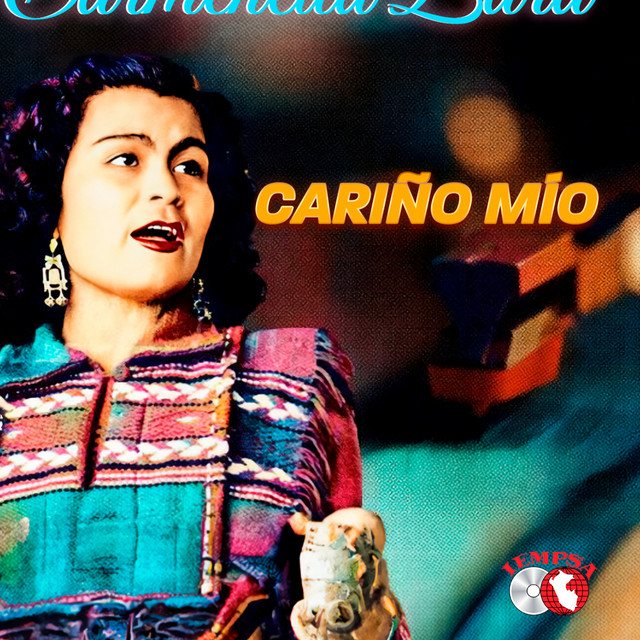
Carmencita Lara
Música Criolla
Vals Criollo
Bolero
3
/5
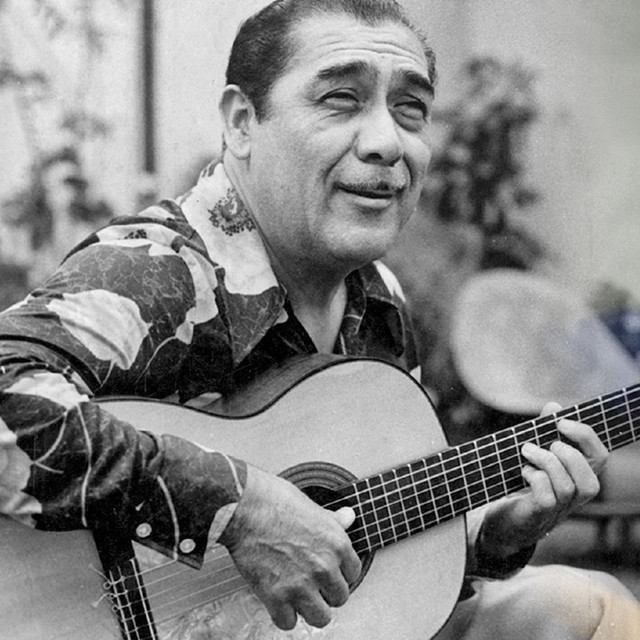
Oscar Avilés
Vals Criollo
Bolero
Huayno
3
/5
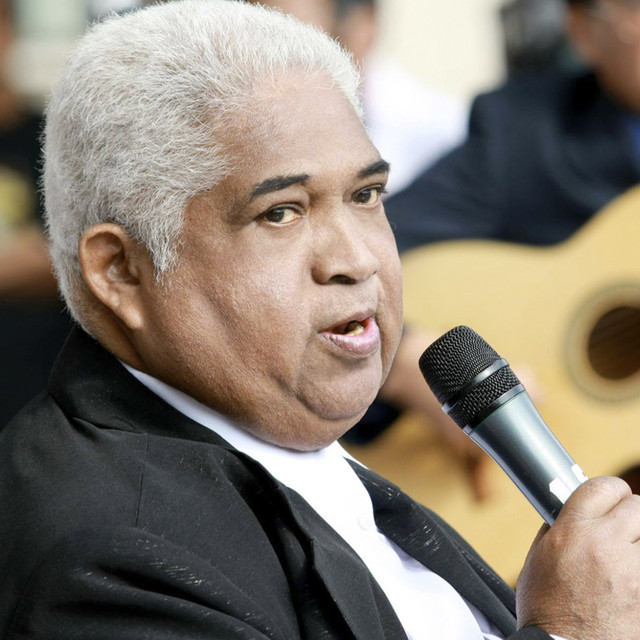
Arturo "Zambo" Cavero
Música Criolla
Bolero
Huayno
3
/5
Los Embajadores Criollos
Música Criolla
Bolero
Huayno
3
/5
Eva Ayllón
Música Criolla
Festejo
Bolero
3
/5
Lucho Barrios
Música Criolla
Bolero
Huayno
2
/5
El Cholo Berrocal
Música Criolla
Bolero
Huayno
2
/5
Luis Abanto Morales
Música Criolla
Bolero
Folclor Andino
2
/5
Los Morochucos
Música Criolla
Bolero
Huayno
2
/5
Lucia de la Cruz
Bolero
Huayno
Música Criolla
Download our mobile app
Get the Melodigging app and start digging for new genres on the go
Download on the App Store
Get it on Google Play
© 2026 Melodigging
Give feedback
Legal
Melodding was created as a tribute to
Every Noise at Once
, which inspired us to help curious minds keep digging into music's ever-evolving genres.