Genres
Artists
Albums
Make Music
Sign in
Sign in
Artists
Progressive Trance
Artists
Progressive Trance
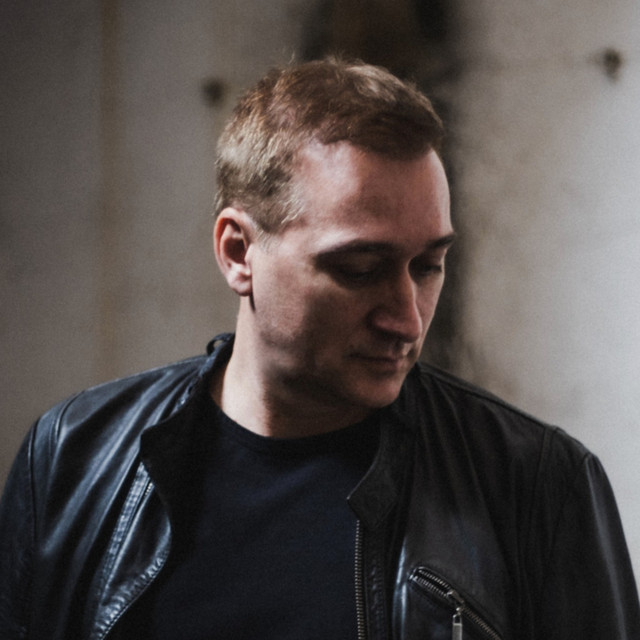
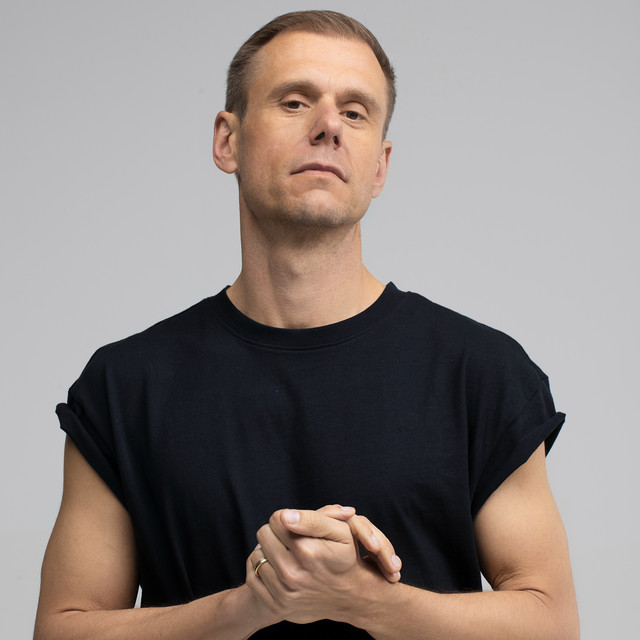
Paul van Dyk
1994–2020
·
6 albums
Listen
3
/5
Genres
Future Rave
Future rave is an electronic dance music style popularized by David Guetta and MORTEN that fuses the dark, muscular drive of techno with the euphoric tension-and-release of trance and the festival scale of big room house. It typically sits around 126–130 BPM, uses minor-key progressions, saturated supersaw leads, reese/rolling basslines, chunky offbeat stabs, and cinematic build-ups. The sonic palette favors gritty, modern sound design (distorted yet controlled), 909/modern drum kits, and atmospheric FX that enhance a nocturnal, high-stakes mood. Unlike brighter, pop-facing EDM, future rave keeps a moody, industrial sheen while still delivering emotional, hands-in-the-air breakdowns and anthemic toplines.
Discover
Listen
Deep Southern Trap
Deep southern trap is a moody, bass-forward branch of Southern U.S. trap distinguished by subterranean 808 subs, sparse but hard-hitting drums, and minor-key, cinematic textures. It places atmosphere and low‑end pressure at the center, often pairing sliding 808s with ominous pads, bells, or plucked synths that leave ample space for the vocal. The tempo typically sits around 60–75 BPM (or 120–150 BPM double‑time), with half‑time bounce, triplet hi‑hat rolls, and tightly quantized snares/claps. Lyrically it ranges from street reportage and survival narratives to introspective, codeine‑slow melancholia—punctuated by ad‑libs and heavily processed vocals. The overall aesthetic is dark, weighty, and immersive, optimized as much for car systems as for headphones.
Discover
Listen
Pop Edm
Pop EDM (often written as pop-EDM) is a crossover style that fuses the song-centric writing, hooks, and structure of mainstream pop with the sound design, drops, and production techniques of modern electronic dance music. It typically features verse–pre‑chorus–chorus forms, radio-friendly toplines, and polished vocals, but replaces a traditional instrumental chorus with an EDM-style drop built from synth leads, vocal chops, or rhythmic bass. Tempos commonly range from 100–128 BPM, with harmonic language that favors diatonic, feel‑good progressions and bright, euphoric timbres. Commercially oriented and festival‑compatible, pop EDM is designed to work on both radio/streaming and the dancefloor, prioritizing memorable hooks, high-impact drops, and a glossy, sidechained mix.
Discover
Listen
Big Room House
Big room house is a festival-focused strain of EDM built for massive sound systems and outdoor main stages. It typically runs around 126–132 BPM (most commonly 128), uses four-on-the-floor kick patterns, and features huge, simple lead riffs designed to be instantly memorable to large crowds. A defining trait is the contrast between cinematic, reverb-washed breakdowns and ultra-dry, percussive drops driven by a powerful kick, sub, and a few bold supersaw or horn-like synth stabs. Arrangements lean on dramatic builds with snare rolls, risers, and crowd-hyping vocal chops, culminating in drops that emphasize impact over harmonic complexity.
Discover
Listen
Focus Trance
Focus trance is a modern, low‑drama branch of trance tailored for concentration, study, coding, and deep work. It borrows trance’s hypnotic pulse and long-form structure, but softens the edges: fewer big drops, restrained builds, minimal vocals, and a narrow dynamic range that lets listeners sink into a steady flow state. Sonically, it tends to sit between ambient trance and progressive trance: warm pads, subtly modulated arps, muted kicks and basslines that groove without dominating, and gently evolving textures. Most tracks avoid abrupt transitions, extreme high‑frequency content, or dense mid‑range clutter, making them ideal as a musical backdrop that sustains attention over long sessions.
Discover
Listen
Glitter Trance
Glitter trance is a melody-forward branch of modern trance distinguished by bright, shimmering synth design, sparkling arpeggios, and euphoric, pop-leaning chord progressions. It keeps trance’s 4/4 drive and spacious breakdowns, but polishes the sound with glossy pads, shimmer reverbs, and hooky, radio-friendly toplines. Compared with harder or more psychedelic strains, glitter trance favors luminous supersaws, airy plucks, and side‑chained pads that "glitter" across the stereo field. Tempos typically sit in the 128–135 BPM range, with arrangements that balance club energy and streaming-oriented brevity. The overall affect is uplifting, dreamy, and unabashedly melodic.
Discover
Listen
Jungle Terror
Jungle terror is a high-impact festival style of electronic dance music that fuses the punch of big-room and electro house with hyper-percussive, "tribal" drum programming. Rather than relying on massive supersaw leads, it centers on toms, congas, wooden blocks, clacks, and animalistic shouts that drive the drop. Typically around 128–135 BPM, its arrangements emphasize tension-and-release: long risers, vocal calls, and cinematic breaks snap into sparse, tom-led drops with heavy sub-kicks and syncopated patterns. The overall aesthetic is wild, raw, and rhythmic—designed for large dancefloors and open-air festival stages.
Discover
Listen
Christian Trap
Christian trap is a faith-centered offshoot of trap and Christian hip hop that pairs 808-heavy drums, skittering hi-hats, and dark, atmospheric synths with explicitly Christian themes. It retains the rhythmic bounce, triplet flows, and modern vocal processing of mainstream trap while redirecting the lyrical focus toward testimony, spiritual struggles, hope, and worship. Producers often blend gospel harmony, choir textures, and scripture-inspired hooks with contemporary beatmaking, resulting in songs that can sit alongside secular trap sonically but feel uplifting and purpose-driven. The style is especially prominent in the streaming era, where playlists and online communities helped it flourish and reach younger church and campus audiences.
Discover
Listen
Progressive Trance
Progressive trance is a substyle of trance that emphasizes long-form development, subtle layering, and hypnotic momentum over sudden dramatic peaks. It typically features evolving pads, pulsating arpeggios, and rolling basslines that build gradually across extended arrangements. Compared to uplifting or anthem trance, progressive trance is more restrained and textural, trading overt melodrama for nuanced tension-and-release. The result is a deep, immersive sound that feels journey-like on the dancefloor while remaining lush and atmospheric in focused listening contexts.
Discover
Listen
Trance
Trance is a form of electronic dance music characterized by steady four-on-the-floor beats, long build‑ups and breakdowns, and euphoric, melodic progressions designed to induce a hypnotic or “trance‑like” state. Typical tempos range from about 130 to 142 BPM, with arrangements often stretching 7–10 minutes to allow DJs room for tension, release, and seamless mixing. The sound palette emphasizes shimmering pads, arpeggiated synth motifs, supersaw leads, and wide, reverberant spaces. Harmonically, trance tends to favor minor keys, modal mixture, and extended suspense before cathartic drops. Production hallmarks include sidechain compression (“pumping”), off‑beat open hi‑hats, rolling basslines, and lush delay/reverb tails. While largely instrumental, a major branch—vocal trance—features lyrical toplines and pop‑leaning structures without losing its club‑centric dynamics.
Discover
Listen
Melodic Trance
Melodic trance is a subgenre of trance that centers on emotive, memorable melodies, long breakdowns, and euphoric climaxes. It typically runs at 130–138 BPM with a steady four-on-the-floor kick, offbeat open hi-hats, and sweeping, sidechained synth leads. Hallmarks include lush pads, arpeggiated plucks, supersaw stacks, and chord progressions in minor keys that gradually build tension before releasing into an anthemic drop. Vocals are common but not required; instrumental arrangements often carry a strong narrative arc through motif repetition and evolving sound design. The style grew out of late-1990s Dutch and German trance, progressed through early-2000s anthem and progressive trance, and remains popular via labels and artists who emphasize melody-driven, emotionally resonant dance music.
Discover
Listen
House
House is a dance music genre that emerged in Chicago in the early 1980s, defined by a steady four-on-the-floor kick drum, off-beat hi-hats, soulful or hypnotic vocals, and groove-centric basslines. Typical tempos range from 118–130 BPM, and tracks are structured in DJ-friendly 16–32 bar phrases designed for seamless mixing. Drawing on disco’s celebratory spirit, electro-funk’s drum-machine rigor, and Italo/Hi-NRG’s synth-led sheen, house prioritizes repetition, tension-and-release, and communal energy on the dancefloor. Its sound palette often includes 808/909 drums, sampled or replayed disco/funk elements, filtered loops, piano/organ stabs, and warm, jazzy chords. Over time, house diversified into many substyles—deep house, acid house, French house, tech house, progressive house, and more—yet it remains a global foundation of club culture, known for emphasizing groove, inclusivity, and euphoria.
Discover
Listen
Techno
Techno is a four-on-the-floor, machine-driven form of electronic dance music that emerged in mid-to-late 1980s Detroit. It is characterized by steady 4/4 kick drums, repetitive and hypnotic rhythmic patterns, synthetic timbres, and an emphasis on texture, groove, and forward momentum over elaborate harmony. Producers typically use drum machines, sequencers, and synthesizers to build layered percussion, pulsing basslines, and evolving motifs. While often dark and minimalistic, techno spans a wide spectrum—from soulful, futuristic Detroit aesthetics to hard, industrially tinged European strains—yet it consistently prioritizes kinetic energy for dancefloors and a sense of machine futurism.
Discover
Listen
Electronic
Electronic is a broad umbrella genre defined by the primary use of electronically generated or electronically processed sound. It encompasses music made with synthesizers, drum machines, samplers, computers, and studio/tape techniques, as well as electroacoustic manipulation of recorded or synthetic sources. The genre ranges from academic and experimental traditions to popular and dance-oriented forms. While its sonic palette is rooted in electricity and circuitry, its aesthetics span minimal and textural explorations, structured song forms, and beat-driven club permutations. Electronic emphasizes sound design, timbre, and studio-as-instrument practices as much as melody and harmony.
Discover
Listen
Show all 14 genres
Albums
2020
3
/5
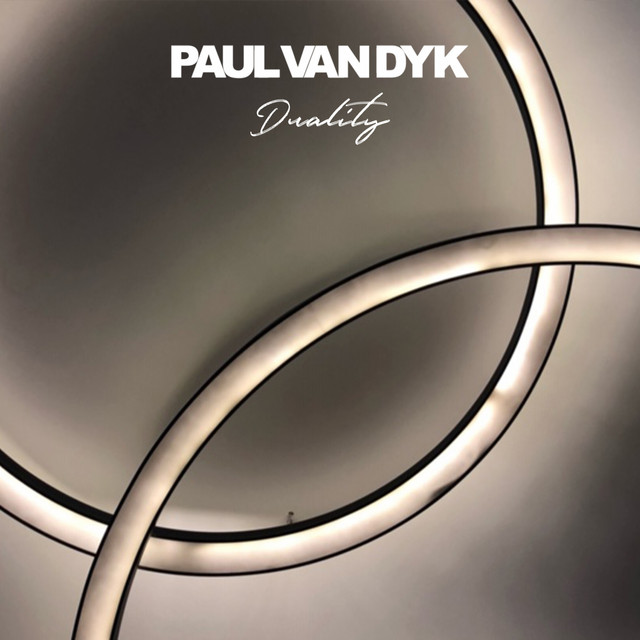
Duality
Paul van Dyk
Progressive Trance
2003
1
/5
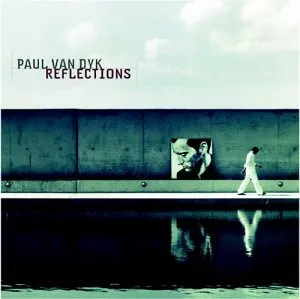
Reflections
Paul van Dyk
Progressive Trance
2000
3
/5
Out There and Back
Paul van Dyk
Progressive Trance
Trance
1998
1
/5
45 RPM
Paul van Dyk
Progressive Trance
1996
2
/5
Seven Ways
Paul van Dyk
Progressive Trance
1994
3
/5
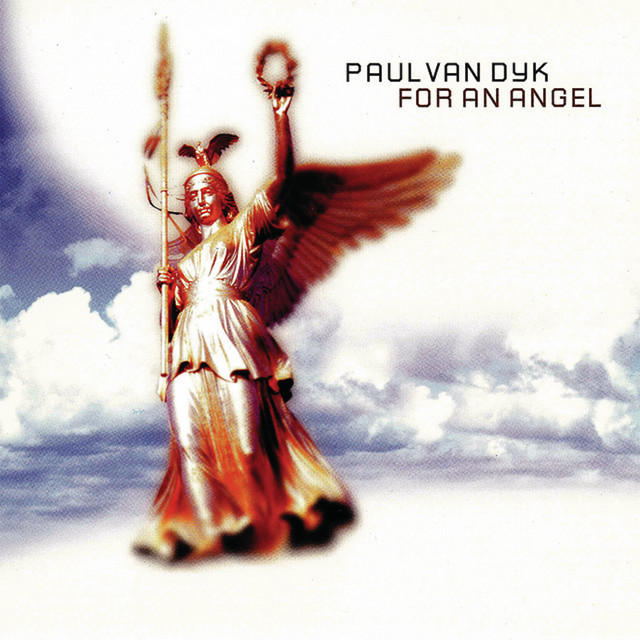
For An Angel
Paul van Dyk
Progressive Trance
Electronic
Trance
Similar artists
4
/5
Armin van Buuren
Progressive Trance
Trance
Dutch House
5
/5
Tiësto
Dance
Trance
Brostep
3
/5
Tritonal
Cinematic Dubstep
Festival Progressive House
Pop Edm
4
/5
Above & Beyond
Progressive Trance
Trance
Vocal Trance
3
/5
BT
Progressive Trance
Trance
Progressive House
3
/5
Neelix
Psytrance
Progressive Psytrance
Progressive Trance
3
/5
Gareth Emery
Progressive Trance
Trance
Festival Progressive House
3
/5
Gabriel & Dresden
Trance
Progressive Trance
Electronic
3
/5
Andrew Rayel
Progressive Trance
Trance
Flint Sound
3
/5
Solarstone
Progressive Trance
Trance
Electronic
Download our mobile app
Get the Melodigging app and start digging for new genres on the go
Download on the App Store
Get it on Google Play
© 2026 Melodigging
Give feedback
Legal
Melodding was created as a tribute to
Every Noise at Once
, which inspired us to help curious minds keep digging into music's ever-evolving genres.