Genres
Artists
Albums
Make Music
Sign in
Sign in
Artists
Progressive Trance
Artists
Progressive Trance
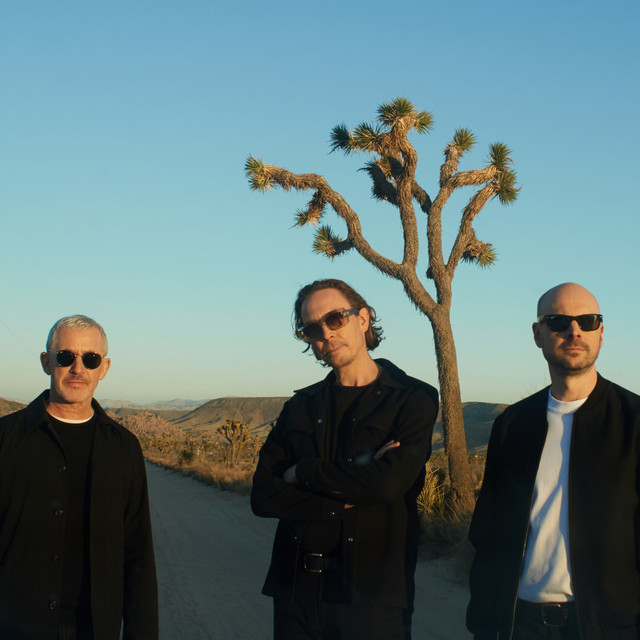
Above & Beyond
2006–2025
·
12 albums
Listen
4
/5
Genres
Lo-Fi Product
Lo-fi product is a micro–genre of lo-fi hip hop tailored for "product" use-cases: background beds for ads, explainer videos, tutorials, livestreams, apps, and UX/product demos. It keeps the warm vinyl patina, jazzy chords, and relaxed drums of lo-fi hip hop, but avoids attention-grabbing elements (vocals, intrusive melodies, dramatic drops) to remain non-distracting and fully licensable. Tracks are usually short, loopable, and delivered in multiple cutdowns (60/30/15 seconds, stings, loop stems) for commercial editorial and production work. Compared to artist-first lo-fi, lo-fi product is more neutral in mood, sparser in arrangement, cleaner in rights (no uncleared samples), and mastered for consistent, unobtrusive playback in mixed media contexts.
Discover
Listen
Spacewave
Spacewave is an internet-born microgenre that blends the retro-futurist nostalgia of vaporwave with the cinematic pads and arpeggiated synths of synthwave and the vast, slow-moving atmospheres of space ambient. It favors warm analog-style timbres, shimmering pads, slow to mid-tempo grooves, and expansive reverbs that suggest cosmic distance. Tape hiss, vinyl crackle, and radio-voice samples (e.g., NASA mission comms) are common, reinforcing a sense of archival futurism. The aesthetic is both utopian and wistful: neon starfields, VHS-era sci‑fi optimism, and long, flowing arrangements designed for late-night driving, studying, or stargazing. Much of the scene circulates on Bandcamp, YouTube mix channels, and streaming playlists rather than traditional label ecosystems.
Discover
Listen
Workout Product
Workout product is a functional, production-oriented music micro-genre built for high-energy exercise contexts—HIIT, cardio, strength circuits, spin, and bootcamps. Rather than being artist-led, it is library- and catalog-driven: concise, loop-friendly tracks emphasize a steady, powerful four-on-the-floor pulse, simple hyping hooks, and drop-focused structures that sustain intensity. Typical tempos fall in the 120–150 BPM range (often synced to rep cadence or interval timers), with bright, compressed sonics, sidechained bass, and clear transitional cues for work/rest blocks. It draws from mainstream EDM and dance-pop (big-room builds, future-bass lift, electro-house grit) and modern pop/rap percussion. The result is highly motivational, durable background music that helps pace workouts and energize group classes, digital fitness content, and gym environments.
Discover
Listen
Festival Progressive House
Festival progressive house is an anthemic, melody-forward branch of progressive house engineered for large outdoor stages and mass sing‑alongs. It features euphoric breakdowns, supersaw lead stacks, sidechained pads, and big, vocal‑driven hooks that resolve into powerful four‑on‑the‑floor drops. Arrangements are optimized for festival energy flow: long emotive breakdowns, tension‑building snare rolls and risers, and cathartic, hands‑in‑the‑air drops. Compared with classic progressive house, it is brighter, more pop‑accessible, and designed to translate on huge PA systems and broadcast stages.
Discover
Listen
Big Room House
Big room house is a festival-focused strain of EDM built for massive sound systems and outdoor main stages. It typically runs around 126–132 BPM (most commonly 128), uses four-on-the-floor kick patterns, and features huge, simple lead riffs designed to be instantly memorable to large crowds. A defining trait is the contrast between cinematic, reverb-washed breakdowns and ultra-dry, percussive drops driven by a powerful kick, sub, and a few bold supersaw or horn-like synth stabs. Arrangements lean on dramatic builds with snare rolls, risers, and crowd-hyping vocal chops, culminating in drops that emphasize impact over harmonic complexity.
Discover
Listen
Briddim
Briddim is a hybrid strain of bass music that fuses the lurching, loop-driven minimalism of riddim with the high-impact, sound-design-forward aggression of brostep. It typically runs at 140–150 BPM in half-time, placing a punchy snare on beat three and driving the groove with syncopated bass stabs and call‑and‑response motifs. Compared to classic riddim, briddim foregrounds complex, highly modulated bass patches, sharp fills, and cinematic builds borrowed from brostep and tearout. The drops tend to be heavier and more varied than traditional riddim, yet remain more pattern‑centric and hypnotic than typical brostep, hence the “bridge” quality implied by the name.
Discover
Listen
Deep Deep Tech House
Deep deep tech house is a particularly stripped‑back, hypnotic strain of tech house that leans heavily into deep house harmony and minimal, dub‑tinged textures. It keeps the 4/4 groove and club functionality of house while favoring restrained arrangements, long tension arcs, and subtle sound‑design over big breakdowns. Typical tempos sit around 120–126 BPM; drums emphasize tight 909‑style hats and crisp, short kicks; basslines are warm, rolling subs that lock with lightly swung percussion; harmonic content tends to be sparse—muted chord stabs, airy pads, and occasional soulful vocal fragments used as texture rather than focal hooks. The overall aim is an immersive “head‑down” flow that rewards long blends and extended sets. The palette and structure trace back to tech house’s fusion of house and techno and to deep house’s smoother harmonies.
Discover
Listen
Deep Euro House
Deep Euro House is a European-bred, melodically rich branch of deep house that blends club-ready four‑on‑the‑floor grooves with warm, emotive sound design and pop-aware songcraft. It favors lush pads, silky basslines, soft piano or guitar stabs, and subtly processed vocals, often in minor keys with bittersweet chord changes. Compared with classic Chicago deep house, Deep Euro House leans more cinematic and refined: filtered synth swells, sidechained textures, airy reverbs, and clean, modern low end. Tempos typically sit around 118–124 BPM, with grooves that feel unhurried yet propulsive—equally at home on late-night dancefloors and in headphone listening. The "Euro" aspect reflects not only its geography (Germany, Switzerland, France, the Netherlands, Austria, Belgium) but also a melodic sensibility shaped by European club culture, indie electronica, and Balearic moods: wistful, romantic, and polished without losing house’s foundational swing.
Discover
Listen
Deep Liquid Bass
Deep liquid bass is a melodic, atmospheric branch of the UK bass continuum that blends the soulful pads and emotive harmonies of liquid drum & bass with the weight and spaciousness of deeper bass music. It typically centers on rolling breakbeats at 170 BPM or halftime interpretations around 85 BPM, wrapped in warm subs, glassy keys, and gently swung grooves. The style prioritizes mood and texture: soft-focus chords, airy vocals or vocal chops, delicate percussion, and reese-style low end that glides rather than growls. Compared to peak-time drum & bass, it is more introspective and cinematic—suited equally to late-night dancefloors and headphone listening.
Discover
Listen
Focus Trance
Focus trance is a modern, low‑drama branch of trance tailored for concentration, study, coding, and deep work. It borrows trance’s hypnotic pulse and long-form structure, but softens the edges: fewer big drops, restrained builds, minimal vocals, and a narrow dynamic range that lets listeners sink into a steady flow state. Sonically, it tends to sit between ambient trance and progressive trance: warm pads, subtly modulated arps, muted kicks and basslines that groove without dominating, and gently evolving textures. Most tracks avoid abrupt transitions, extreme high‑frequency content, or dense mid‑range clutter, making them ideal as a musical backdrop that sustains attention over long sessions.
Discover
Listen
Glitter Trance
Glitter trance is a melody-forward branch of modern trance distinguished by bright, shimmering synth design, sparkling arpeggios, and euphoric, pop-leaning chord progressions. It keeps trance’s 4/4 drive and spacious breakdowns, but polishes the sound with glossy pads, shimmer reverbs, and hooky, radio-friendly toplines. Compared with harder or more psychedelic strains, glitter trance favors luminous supersaws, airy plucks, and side‑chained pads that "glitter" across the stereo field. Tempos typically sit in the 128–135 BPM range, with arrangements that balance club energy and streaming-oriented brevity. The overall affect is uplifting, dreamy, and unabashedly melodic.
Discover
Listen
Jungle Terror
Jungle terror is a high-impact festival style of electronic dance music that fuses the punch of big-room and electro house with hyper-percussive, "tribal" drum programming. Rather than relying on massive supersaw leads, it centers on toms, congas, wooden blocks, clacks, and animalistic shouts that drive the drop. Typically around 128–135 BPM, its arrangements emphasize tension-and-release: long risers, vocal calls, and cinematic breaks snap into sparse, tom-led drops with heavy sub-kicks and syncopated patterns. The overall aesthetic is wild, raw, and rhythmic—designed for large dancefloors and open-air festival stages.
Discover
Listen
Modern Goth
Modern goth is a contemporary evolution of the original goth and darkwave aesthetics, blending post-punk basslines, reverb-drenched guitars, and analog synth textures with current production practices. It favors minor-key harmonies, baritone or breathy vocals, and skeletal drum-machine patterns that evoke a cinematic, nocturnal mood. Compared with 1980s forebears, modern goth leans more heavily on synthesizers, EBM-adjacent grooves, and minimalist arrangements, often shaped by DIY, modular, and bedroom-production workflows. The result is a sound that is dancefloor-friendly yet introspective, simultaneously cold, romantic, and starkly modern.
Discover
Listen
Edm
EDM (Electronic Dance Music) refers to the mainstream, festival-oriented wave of electronic dance styles that rose to global prominence in the early 2010s. It emphasizes high-energy drops, ear-catching toplines, and crowd-pleasing arrangements designed for large stages and mass audiences. Musically, EDM typically sits around 124–130 BPM with a strong four-on-the-floor kick, wide supersaw leads, bright plucks, and heavily sidechained pads and basses for a pumping feel. Tracks are structured around tension-and-release: intros and builds lead to explosive drops, followed by breakdowns that rebuild energy. Vocals and pop-style songwriting frequently appear, enabling crossover success on radio and streaming platforms.
Discover
Listen
Progressive Trance House
Progressive trance house is a hybrid style that fuses the evolving, layered arrangements of progressive house with the euphoric melody writing and atmospheric sheen of trance. Typical tracks sit around 124–132 BPM in 4/4 time, using rolling basslines, arpeggiated leads, shimmering pads, and long-form transitions that gradually add and subtract detail. The focus is on journey-like development—breakdowns open space for emotive chords and lead motifs, while drops lean on groove and melody over brute impact. Compared with mainstage trance, it is less maximal and more textural; compared with classic progressive house, it is more overtly melodic and uplifting. Vocals, when present, are often airy snippets or full toplines treated as another layer in the soundscape rather than the sole focal point.
Discover
Listen
Substep
Substep is a deep, minimal branch of dubstep that prioritizes sub‑bass pressure, negative space, and restrained drum programming over midrange aggression. Sitting most often around 140 BPM in half‑time, it emphasizes sine‑wave subs, sparse kick‑snare patterns, and dubwise echoes that leave room for the system to breathe. In clubs, substep is felt as much as it is heard: long, weighty notes in the 30–60 Hz range anchor austere percussion, while carefully carved mids and highs avoid crowding the low end. The result is a meditative yet heavy aesthetic—intense, nocturnal, and built for large sound systems and long blends.
Discover
Listen
Progressive Trance
Progressive trance is a substyle of trance that emphasizes long-form development, subtle layering, and hypnotic momentum over sudden dramatic peaks. It typically features evolving pads, pulsating arpeggios, and rolling basslines that build gradually across extended arrangements. Compared to uplifting or anthem trance, progressive trance is more restrained and textural, trading overt melodrama for nuanced tension-and-release. The result is a deep, immersive sound that feels journey-like on the dancefloor while remaining lush and atmospheric in focused listening contexts.
Discover
Listen
Trance
Trance is a form of electronic dance music characterized by steady four-on-the-floor beats, long build‑ups and breakdowns, and euphoric, melodic progressions designed to induce a hypnotic or “trance‑like” state. Typical tempos range from about 130 to 142 BPM, with arrangements often stretching 7–10 minutes to allow DJs room for tension, release, and seamless mixing. The sound palette emphasizes shimmering pads, arpeggiated synth motifs, supersaw leads, and wide, reverberant spaces. Harmonically, trance tends to favor minor keys, modal mixture, and extended suspense before cathartic drops. Production hallmarks include sidechain compression (“pumping”), off‑beat open hi‑hats, rolling basslines, and lush delay/reverb tails. While largely instrumental, a major branch—vocal trance—features lyrical toplines and pop‑leaning structures without losing its club‑centric dynamics.
Discover
Listen
Vocal Trance
Vocal trance is a melodic, song-oriented branch of trance that foregrounds sung vocals—often emotive, anthemic choruses—within the euphoria and drive of club-ready trance production. It typically runs at 130–138 BPM with a steady four-on-the-floor kick, rolling basslines, supersaw leads, lush pads, and wide reverbs and delays. Pop-like structures (verse, pre-chorus, chorus) are fused with trance’s extended breakdowns and tension-and-release builds, making the music equally suited to radio and large dancefloors. The vocals—frequently airy female leads or expressive duets—carry themes of love, longing, uplift, and introspection, while the instrumentals support them with soaring, harmonically rich arrangements and dramatic drops.
Discover
Listen
Progressive House
Progressive house is a melodic, long-form strain of house music known for gradual builds, evolving textures, and a strong sense of tension and release. It favors hypnotic grooves, lush pads, and emotive chord progressions over abrupt drops. Typically sitting around 122–128 BPM in 4/4 time, tracks unfold over six to nine minutes, introducing small changes every few bars to keep momentum. The sound balances club-focused punch with cinematic atmosphere, making it equally at home in late-night dancefloors and long-form DJ sets.
Discover
Listen
Dream Trance
Dream trance is a melodic, emotive strand of mid‑1990s trance that blends club‑ready four‑on‑the‑floor rhythms with lullaby‑like hooks, lush pads, and prominent piano or bell‑tone leads. It favors wistful, often minor‑key themes, long reverbs, and gentle filters that swell and recede, creating a floating, nocturnal atmosphere. Typically clocking in around 130–138 BPM, tracks are arranged with DJ‑friendly intros and outros, a patient breakdown that foregrounds the main melody (frequently on a bright piano patch), and a euphoric but soft‑edged drop. Compared to harder trance offshoots, dream trance leans closer to Balearic and new‑age moods, prioritizing melody and sentiment over aggression.
Discover
Listen
Dance
Dance (as a broad, mainstream club- and radio-oriented style) is pop-leaning music designed primarily for dancing, characterized by steady, driving beats, catchy hooks, and production that translates well to nightclubs and large sound systems. It emerged after disco, blending four-on-the-floor rhythms with electronic instrumentation and pop songwriting, and it continually absorbs elements from house, techno, Hi-NRG, synth-pop, and later EDM. Tempos commonly fall between 110–130 BPM, vocals often emphasize memorable choruses, and arrangements are structured for both club mixing and mass appeal.
Discover
Listen
Guided Meditation
Guided meditation is a spoken-word centric style designed to lead listeners through relaxation, mindfulness, breath awareness, or visualization. A calm, intimate voice provides step‑by‑step instructions over an unobtrusive musical bed, often featuring drones, soft pads, gentle acoustic textures, and nature ambiences. The music avoids strong rhythmic drive and sudden dynamics, favoring slow evolutions, long reverbs, and consonant harmony. Tracks typically last from 5 to 60 minutes, and may focus on themes such as body scans, sleep induction, stress relief, compassion practices, or positive affirmations.
Discover
Listen
Electronic
Electronic is a broad umbrella genre defined by the primary use of electronically generated or electronically processed sound. It encompasses music made with synthesizers, drum machines, samplers, computers, and studio/tape techniques, as well as electroacoustic manipulation of recorded or synthetic sources. The genre ranges from academic and experimental traditions to popular and dance-oriented forms. While its sonic palette is rooted in electricity and circuitry, its aesthetics span minimal and textural explorations, structured song forms, and beat-driven club permutations. Electronic emphasizes sound design, timbre, and studio-as-instrument practices as much as melody and harmony.
Discover
Listen
Show all 24 genres
Albums
2025
1
/5
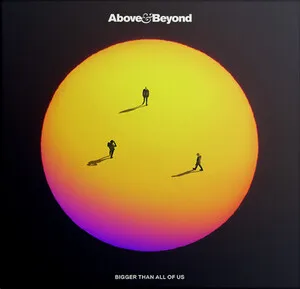
Bigger Than All of Us
Above & Beyond
Progressive Trance
Vocal Trance
Trance
2025
2
/5
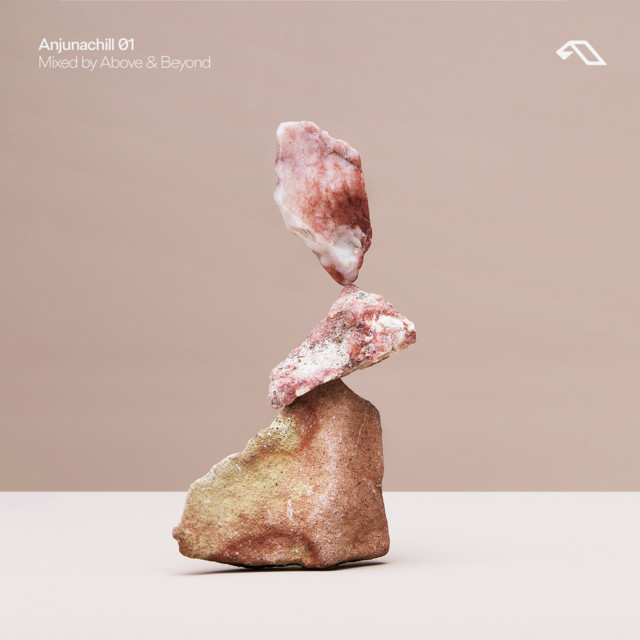
Anjunachill 01
Novas, Mark, Ad Harmonium, Solange, Noé, Ad Harmonium, Violet, Laurel, Planet o…
Substep
2025
2
/5
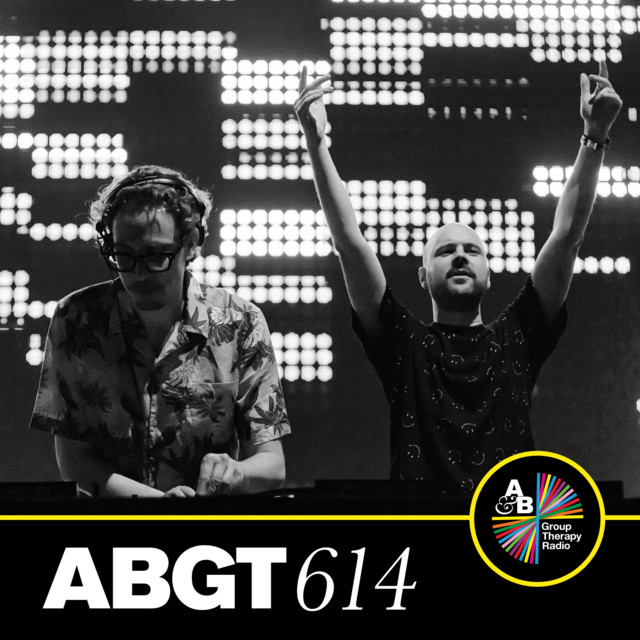
Group Therapy 614 (DJ Mix)
Michael Cassette
Progressive Trance House
2024
2
/5
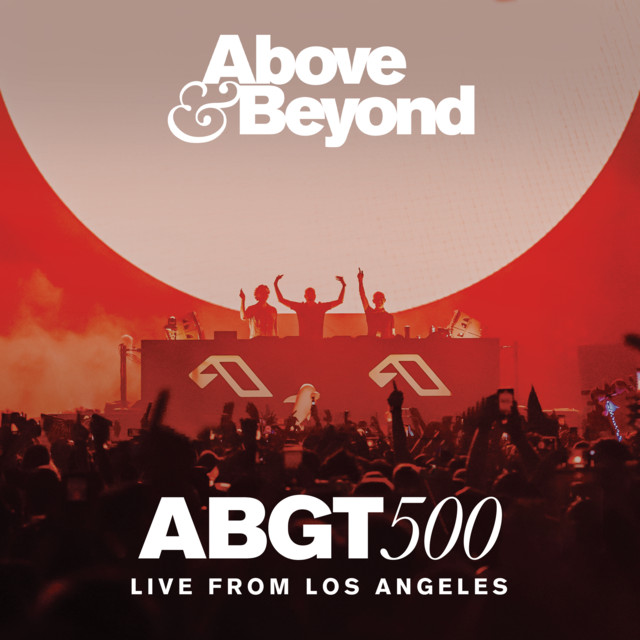
Group Therapy 500 Live from Los Angeles
Cramp
Progressive Trance House
2019
3
/5
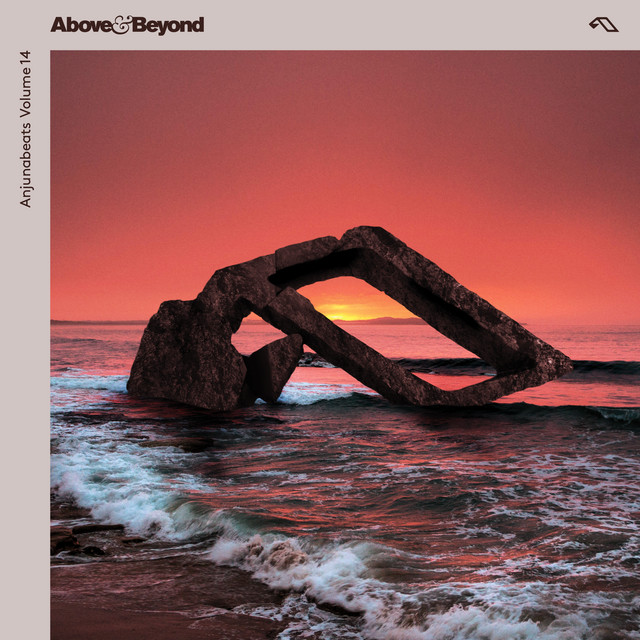
Anjunabeats Volume 14
Matt Lange
Progressive Trance House
Electronic
Progressive House
2018
3
/5
Common Ground
Above & Beyond
Festival Progressive House
Vocal Trance
Electronic
2015
1
/5
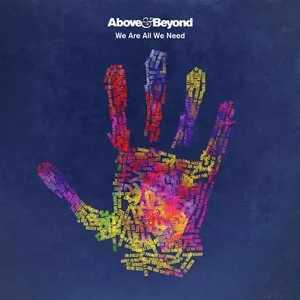
We Are All We Need
Above & Beyond
Vocal Trance
2011
1
/5
Group Therapy
Above & Beyond
Vocal Trance
Progressive Trance
2009
1
/5
Sirens of the Sea Remixed
OceanLab
Vocal Trance
Progressive Trance
Dance
2008
3
/5
Sirens of the Sea
Above & Beyond / OceanLab
Dream Trance
Vocal Trance
Electronic
2006
1
/5
Tri-State
Above & Beyond
Vocal Trance
Progressive Trance
Trance
Flow State Meditations
Above & Beyond
Guided Meditation
Similar artists
4
/5
Armin van Buuren
Progressive Trance
Trance
Dutch House
3
/5
Gabriel & Dresden
Trance
Progressive Trance
Electronic
3
/5
BT
Progressive Trance
Trance
Progressive House
5
/5
Tiësto
Dance
Trance
Brostep
1
/5
Various Artists
Afro-Funk
Alternative Rock
Ambient
3
/5
OceanLab
Trance
Progressive Trance
Electronic
3
/5
Gareth Emery
Progressive Trance
Trance
Festival Progressive House
3
/5
ARTY
Progressive Trance
Progressive House
Trance
3
/5
Shingo Nakamura
Melodic House
Progressive House
Progressive Trance
3
/5
Susana
Progressive Trance
Trance
Vocal Trance
Download our mobile app
Get the Melodigging app and start digging for new genres on the go
Download on the App Store
Get it on Google Play
© 2026 Melodigging
Give feedback
Legal
Melodding was created as a tribute to
Every Noise at Once
, which inspired us to help curious minds keep digging into music's ever-evolving genres.