Genres
Make Music
Artists
Albums
Challenges
Sign in
Sign in
Albums
By Matt Lange
Albums
By Matt Lange
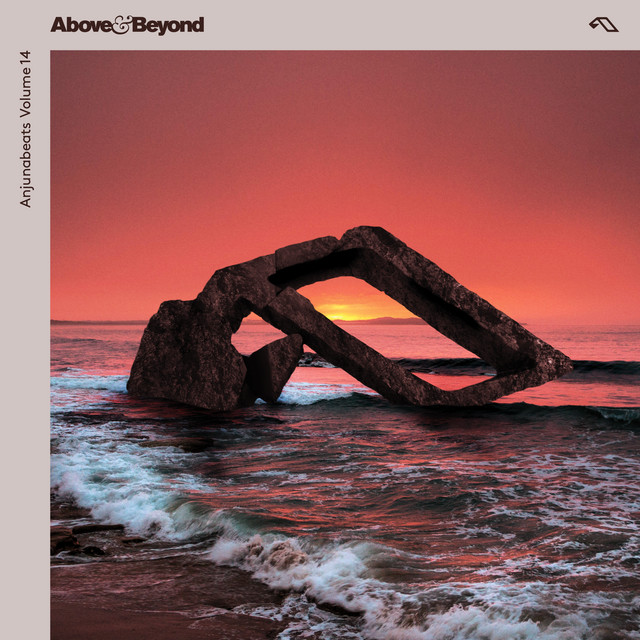
Anjunabeats Volume 14
May 31, 2019
Listen
3
/5
Genres
Progressive Trance House
Progressive trance house is a hybrid style that fuses the evolving, layered arrangements of progressive house with the euphoric melody writing and atmospheric sheen of trance. Typical tracks sit around 124–132 BPM in 4/4 time, using rolling basslines, arpeggiated leads, shimmering pads, and long-form transitions that gradually add and subtract detail. The focus is on journey-like development—breakdowns open space for emotive chords and lead motifs, while drops lean on groove and melody over brute impact. Compared with mainstage trance, it is less maximal and more textural; compared with classic progressive house, it is more overtly melodic and uplifting. Vocals, when present, are often airy snippets or full toplines treated as another layer in the soundscape rather than the sole focal point.
Discover
Listen
Progressive House
Progressive house is a melodic, long-form strain of house music known for gradual builds, evolving textures, and a strong sense of tension and release. It favors hypnotic grooves, lush pads, and emotive chord progressions over abrupt drops. Typically sitting around 122–128 BPM in 4/4 time, tracks unfold over six to nine minutes, introducing small changes every few bars to keep momentum. The sound balances club-focused punch with cinematic atmosphere, making it equally at home in late-night dancefloors and long-form DJ sets.
Discover
Listen
Trance
Trance is a form of electronic dance music characterized by steady four-on-the-floor beats, long build‑ups and breakdowns, and euphoric, melodic progressions designed to induce a hypnotic or “trance‑like” state. Typical tempos range from about 130 to 142 BPM, with arrangements often stretching 7–10 minutes to allow DJs room for tension, release, and seamless mixing. The sound palette emphasizes shimmering pads, arpeggiated synth motifs, supersaw leads, and wide, reverberant spaces. Harmonically, trance tends to favor minor keys, modal mixture, and extended suspense before cathartic drops. Production hallmarks include sidechain compression (“pumping”), off‑beat open hi‑hats, rolling basslines, and lush delay/reverb tails. While largely instrumental, a major branch—vocal trance—features lyrical toplines and pop‑leaning structures without losing its club‑centric dynamics.
Discover
Listen
Electronic
Electronic is a broad umbrella genre defined by the primary use of electronically generated or electronically processed sound. It encompasses music made with synthesizers, drum machines, samplers, computers, and studio/tape techniques, as well as electroacoustic manipulation of recorded or synthetic sources. The genre ranges from academic and experimental traditions to popular and dance-oriented forms. While its sonic palette is rooted in electricity and circuitry, its aesthetics span minimal and textural explorations, structured song forms, and beat-driven club permutations. Electronic emphasizes sound design, timbre, and studio-as-instrument practices as much as melody and harmony.
Discover
Listen
Similar albums
2025
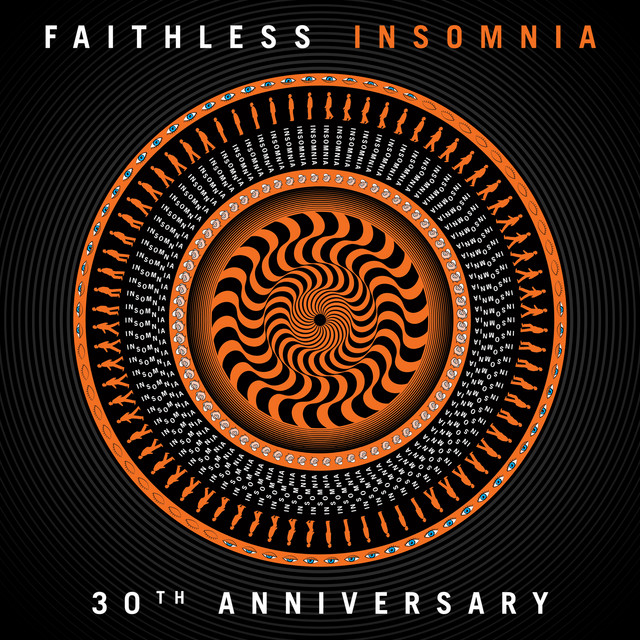
Insomnia (30th Anniversary)
Faithless
1996
If I Could Fly
Grace
2006
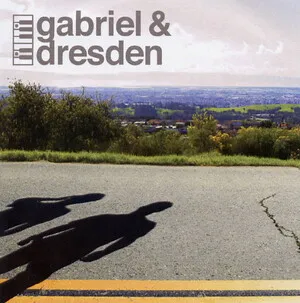
Gabriel & Dresden
Gabriel & Dresden
2006
Special Life
Kaito
2002
Airdrawndagger
Sasha
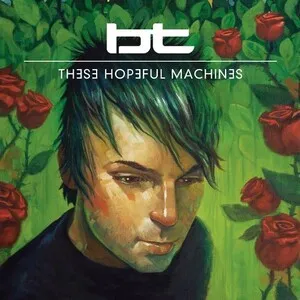
2010
These Hopeful Machines
BT
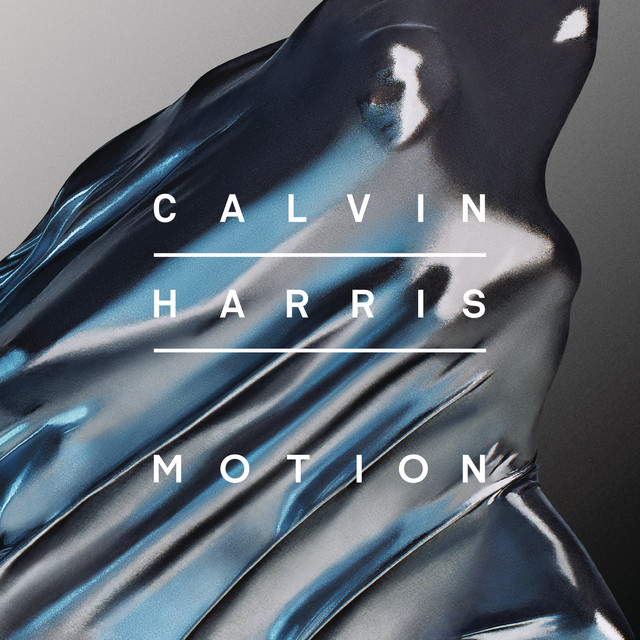
2014
Motion
Calvin Harris
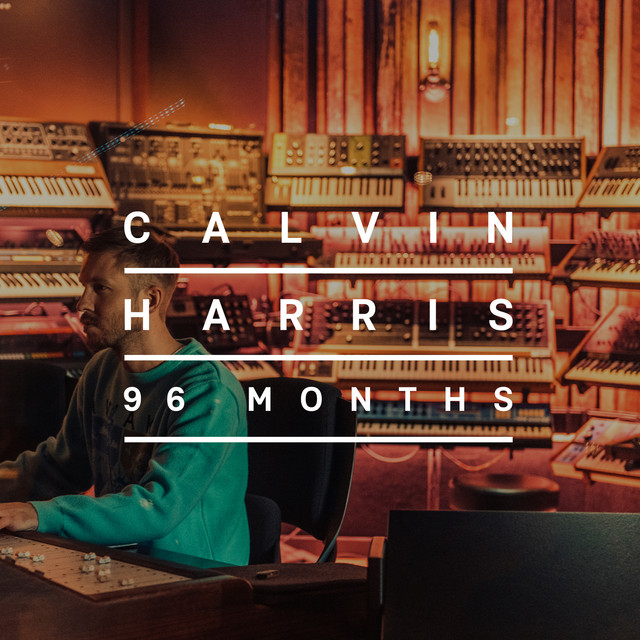
2024
96 Months
Calvin Harris
2023
DRIVE
Tiësto
2012
Clarity
Zedd
Download our mobile app
Get the Melodigging app and start digging for new genres on the go
Download on the App Store
Get it on Google Play
© 2026 Melodigging
Give feedback
Legal
Melodding was created as a tribute to
Every Noise at Once
, which inspired us to help curious minds keep digging into music's ever-evolving genres.