Genres
Make Music
Artists
Albums
Challenges
Sign in
Sign in
Albums
By Calvin Harris
Albums
By Calvin Harris
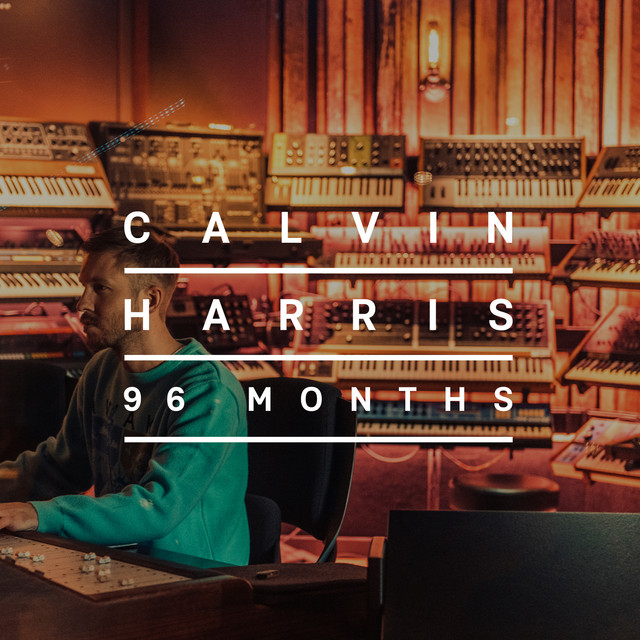
96 Months
August 8, 2024
Listen
5
/5
Genres
Edm
EDM (Electronic Dance Music) refers to the mainstream, festival-oriented wave of electronic dance styles that rose to global prominence in the early 2010s. It emphasizes high-energy drops, ear-catching toplines, and crowd-pleasing arrangements designed for large stages and mass audiences. Musically, EDM typically sits around 124–130 BPM with a strong four-on-the-floor kick, wide supersaw leads, bright plucks, and heavily sidechained pads and basses for a pumping feel. Tracks are structured around tension-and-release: intros and builds lead to explosive drops, followed by breakdowns that rebuild energy. Vocals and pop-style songwriting frequently appear, enabling crossover success on radio and streaming platforms.
Discover
Listen
Electro House
Electro house is a high-energy branch of house music characterized by distorted, buzzing bass leads, crisp four‑on‑the‑floor drums, and dramatic, festival-ready drops. It typically runs around 125–130 BPM, favoring aggressive, sawtooth-based synth timbres, heavy sidechain compression, and big, riff-like hooks over lush chord progressions. Production emphasizes powerful low-end, gritty midrange textures, noise sweeps and risers, and tightly structured builds and breakdowns that set up explosive drops. While rooted in house and electro traditions, its sound design borrows from techno’s intensity and big beat’s punch, resulting in a bold, modern, and club-focused aesthetic.
Discover
Listen
Progressive House
Progressive house is a melodic, long-form strain of house music known for gradual builds, evolving textures, and a strong sense of tension and release. It favors hypnotic grooves, lush pads, and emotive chord progressions over abrupt drops. Typically sitting around 122–128 BPM in 4/4 time, tracks unfold over six to nine minutes, introducing small changes every few bars to keep momentum. The sound balances club-focused punch with cinematic atmosphere, making it equally at home in late-night dancefloors and long-form DJ sets.
Discover
Listen
House
House is a dance music genre that emerged in Chicago in the early 1980s, defined by a steady four-on-the-floor kick drum, off-beat hi-hats, soulful or hypnotic vocals, and groove-centric basslines. Typical tempos range from 118–130 BPM, and tracks are structured in DJ-friendly 16–32 bar phrases designed for seamless mixing. Drawing on disco’s celebratory spirit, electro-funk’s drum-machine rigor, and Italo/Hi-NRG’s synth-led sheen, house prioritizes repetition, tension-and-release, and communal energy on the dancefloor. Its sound palette often includes 808/909 drums, sampled or replayed disco/funk elements, filtered loops, piano/organ stabs, and warm, jazzy chords. Over time, house diversified into many substyles—deep house, acid house, French house, tech house, progressive house, and more—yet it remains a global foundation of club culture, known for emphasizing groove, inclusivity, and euphoria.
Discover
Listen
Club
Club is an umbrella style of mainstream dance music crafted primarily for nightclub sound systems and DJ-centric environments. It emphasizes steady four-on-the-floor rhythms, prominent basslines, repetitive hooks, and builds/drops designed to energize a dance floor. While it borrows from house, techno, disco, italo-disco, freestyle, and electro, Club prioritizes immediacy and crowd response over subcultural purity. Tracks are arranged for mixing, extended grooves, and vocal refrains that translate well to peak-time moments. In radio or chart contexts, "club" often denotes dance-forward pop or DJ-led productions tailored for mass club play.
Discover
Listen
Dance-Pop
Dance-pop is a mainstream-oriented pop style built for both radio and the dancefloor. It blends hook-driven songwriting with club-ready rhythms, typically using a steady four-on-the-floor kick, bright synthesizers, and punchy, polished production. Tempos usually sit in the 110–128 BPM range, and arrangements emphasize memorable choruses, clear verses and pre-choruses, and concise structures suitable for radio edits. Compared with club genres like house or techno, dance-pop prioritizes song form, vocal presence, and accessible harmonies, while still retaining an energetic groove. The sound palette often includes layered synths, sampled or electronic drums, tight bass lines, ear-catching toplines, and modern production techniques such as sidechain compression and stacked vocal harmonies.
Discover
Listen
Electronic
Electronic is a broad umbrella genre defined by the primary use of electronically generated or electronically processed sound. It encompasses music made with synthesizers, drum machines, samplers, computers, and studio/tape techniques, as well as electroacoustic manipulation of recorded or synthetic sources. The genre ranges from academic and experimental traditions to popular and dance-oriented forms. While its sonic palette is rooted in electricity and circuitry, its aesthetics span minimal and textural explorations, structured song forms, and beat-driven club permutations. Electronic emphasizes sound design, timbre, and studio-as-instrument practices as much as melody and harmony.
Discover
Listen
Similar albums
2016
My Way
Calvin Harris
2004
Call on Me (Radio Mix)
Eric Prydz
2023
Lay Low
Tiësto
2014
Motion
Calvin Harris
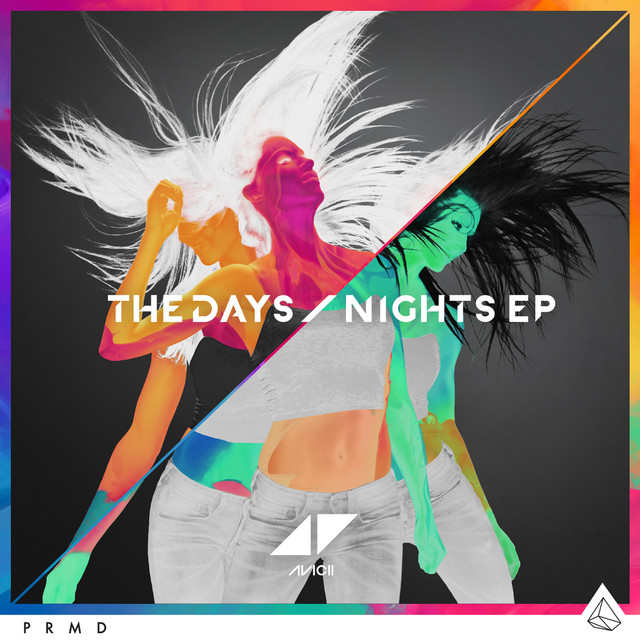
2014
The Days / Nights
Avicii
2007
† [Cross]
Justice
2015
Ocean Drive
Duke Dumont
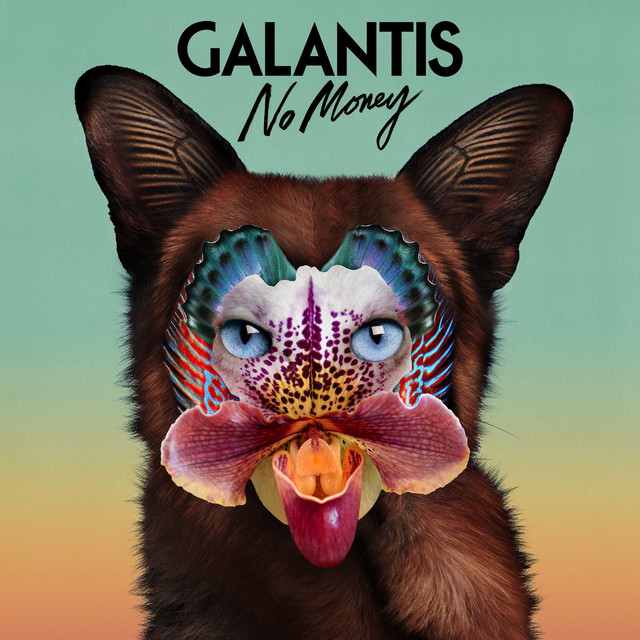
2016
No Money
Galantis
2015
Ocean Drive (Extended Mix)
Duke Dumont
1994
Dubnobasswithmyheadman
Underworld
Download our mobile app
Get the Melodigging app and start digging for new genres on the go
Download on the App Store
Get it on Google Play
© 2026 Melodigging
Give feedback
Legal
Melodding was created as a tribute to
Every Noise at Once
, which inspired us to help curious minds keep digging into music's ever-evolving genres.