Genres
Artists
Albums
Make Music
Sign in
Sign in
Artists
Prelude
Artists
Prelude
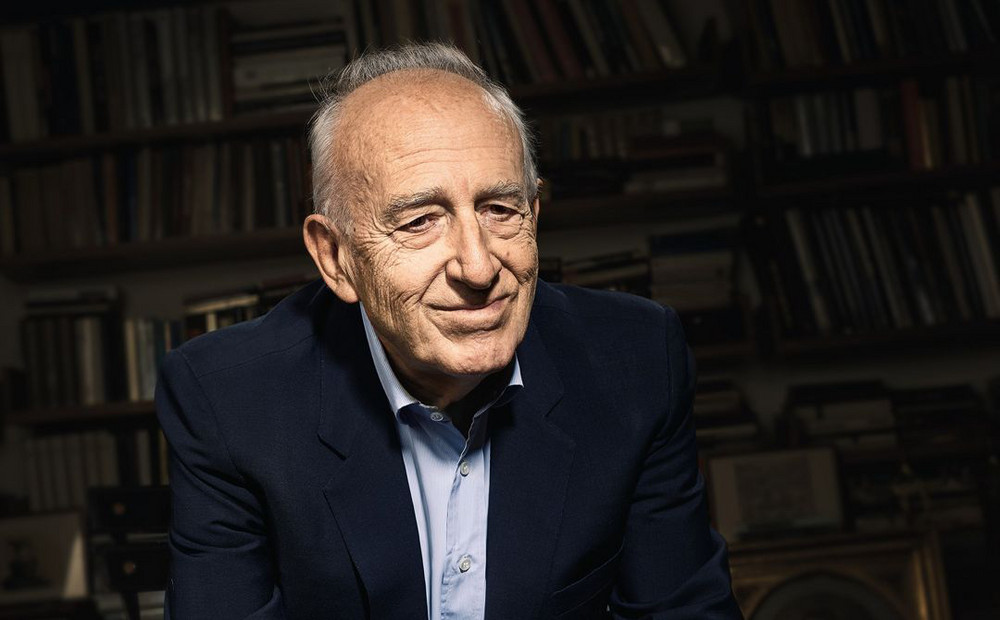
Paul Jacobs
1975–1997
·
2 albums
Listen
1
/5
Genres
Serialism
Serialism is a compositional method in which musical parameters are organized into ordered series that govern a work’s structure. Most famously, twelve‑tone serialism uses an ordered row of the 12 pitch classes, deploying transformations such as prime, inversion, retrograde, and retrograde inversion to avoid traditional tonal hierarchy. While Schoenberg’s twelve‑tone technique focuses on pitch, post‑war composers expanded the idea to "total" or "integral" serialism, applying series to rhythm, dynamics, articulation, timbre, and register. The results often emphasize clarity of event over tonal center, pointillistic textures, and rigorous formal control. Aesthetic outcomes range from Berg’s expressive lyricism to Webern’s ultra‑condensed, crystalline writing, and later to the highly systematized post‑war European avant‑garde. Serialism remains a cornerstone of 20th‑century modernist practice, whether embraced, extended, or reacted against by subsequent movements.
Discover
Listen
Second Viennese School
The Second Viennese School is an early‑20th‑century circle of Viennese composers led by Arnold Schoenberg, with his pupils Alban Berg and Anton Webern. It marks the decisive move from late‑Romantic chromaticism into atonality and the codification of the twelve‑tone (dodecaphonic) method, reshaping pitch organization, form, and expression in Western art music. Its hallmarks include tight motivic economy, acute attention to timbre (Klangfarbenmelodie), pointillistic textures, extreme dynamics and registral contrasts, and an expressionist intensity that often explores fragmentation and psychological tension. The repertoire spans chamber works, lieder, orchestral pieces, piano music, and operas (notably Berg’s Wozzeck and Lulu). The school’s techniques and aesthetics became a foundational strand of 20th‑century musical modernism.
Discover
Listen
Prelude
A prelude is a short, often improvisatory-sounding instrumental piece that traditionally precedes another work or sets a tonal and expressive atmosphere on its own. Emerging in the early Baroque era from the practice of freely extemporizing before a liturgical or secular performance, the prelude evolved from unmeasured lute and keyboard introductions into highly crafted pieces for organ, harpsichord, and later piano. In the 19th century it became an autonomous character piece (e.g., Chopin’s Op. 28), while in the 20th century composers explored cyclic sets across all keys and a wide range of styles (Debussy, Rachmaninoff, Shostakovich). Despite its brevity and flexibility, the prelude typically establishes a key or mode, a figuration pattern, and a distinct mood, favoring clear tonal focus, continuous flow, and a compelling gesture over strict formal constraints.
Discover
Listen
Albums
1997
1
/5
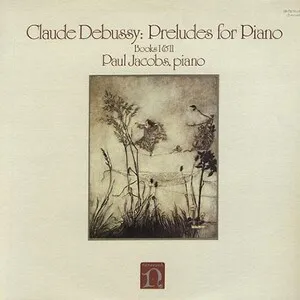
Preludes for Piano; Books I & II
Claude Debussy / Paul Jacobs
Prelude
1975
2
/5
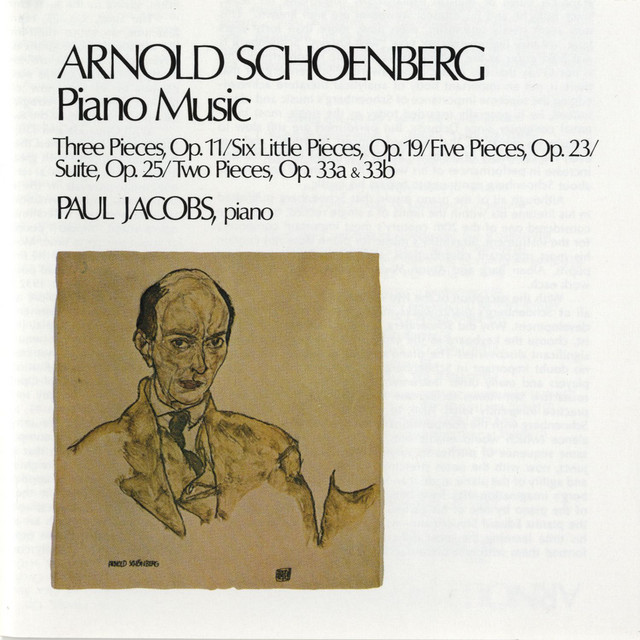
Piano Music
Arnold Schoenberg / Paul Jacobs
Second Viennese School
Serialism
Similar artists
4
/5
Maurizio Pollini
Classical
Classical Performance
Classical Piano
3
/5
Glenn Gould
Baroque
Classical
Fugue
4
/5
London Symphony Orchestra
Classical
Ballet
Concerto
3
/5
The Cleveland Orchestra
Classical
Impressionism
Ballet
3
/5
Pierre Boulez
Classical
Serialism
Second Viennese School
3
/5
Royal Concertgebouw Orchestra
Concerto
Classical
Deep Soundtrack
3
/5
Isaac Stern
Chamber Music
Classical
Classical Performance
3
/5
Mitsuko Uchida
Classical
Classical Piano
Étude
3
/5
John C. Williams
Classical
Deep Soundtrack
Latin American Classical Music
3
/5
Arnold Schoenberg
Expressionism
Second Viennese School
Serialism
Download our mobile app
Get the Melodigging app and start digging for new genres on the go
Download on the App Store
Get it on Google Play
© 2026 Melodigging
Give feedback
Legal
Melodding was created as a tribute to
Every Noise at Once
, which inspired us to help curious minds keep digging into music's ever-evolving genres.