Genres
Artists
Albums
Make Music
Sign in
Sign in
Artists
Post-Rock
Artists
Post-Rock
Papa M
1999–2001
·
2 albums
Listen
2
/5
Genres
Dreamo
Dreamo is a fusion of emo’s confessional songwriting with the hazy textures of dream pop and shoegaze. It favors glistening, chorus- and reverb-soaked guitars, soft or breathy vocals, and mid‑tempo, swaying grooves over the harsher edges of punk-derived emo. The result is music that feels intimate and weightless, with melodies that drift while lyrics stay emotionally direct. Compared with classic shoegaze, dreamo generally keeps more readable vocal lines and emo’s verse–chorus structures; compared with traditional emo, it replaces crunch and angularity with shimmer, bloom, and atmosphere.
Discover
Listen
Drone Folk
Drone folk is a strand of experimental and acoustic folk in which sustained tones, open tunings, and modal repetition create a continuous sonic bed (a “drone”) around which melodies slowly evolve. Drawing on American Primitive guitar, raga-inspired modality, minimalist process, and psychedelic folk ambience, the style favors long-form pieces, subtle dynamic shifts, and rich overtones over conventional verse–chorus structures. Instruments are often acoustic (steel‑string guitar, lute, banjo, dulcimer), but bowed, prepared, or lightly amplified techniques—along with harmonium, shruti box, tanpura, and field recordings—are common, yielding a meditative, atmospheric character. Instead of harmonic motion through chord changes, drone folk focuses on a stable tonal center, micro-variations in fingerpicking patterns, and timbral detail. The result is a music that feels timeless and immersive: pastoral yet hypnotic, intimate yet expansive.
Discover
Listen
Post-Rock
Post-rock is a style that uses traditional rock instrumentation—guitars, bass, drums, and often piano or strings—to create expansive textures, evolving soundscapes, and dynamic arcs rather than conventional verse–chorus songs. It emphasizes timbre, atmosphere, and gradual development: clean or lightly overdriven guitars drenched in delay and reverb, cyclical ostinatos, layered crescendos, and pronounced quiet–loud dynamics. Vocals, if present, are often sparse, wordless, or treated as another textural layer. The genre draws heavily from ambient, minimalism, krautrock, progressive and space rock, shoegaze, noise rock, and experimental practices, yielding music that can feel cinematic, contemplative, and emotionally cathartic.
Discover
Listen
Louisville Sound
The Louisville sound refers to the distinctive, interlinked underground rock scene that emerged from Louisville, Kentucky in the late 1980s and early 1990s. It fused hardcore punk’s discipline with unconventional song forms, clean interlocking guitars, sudden dynamic shifts, and a measured, often conversational vocal delivery. Albums like Slint’s "Spiderland" and Rodan’s "Rusty" became touchstones for a style that blurred the lines between post-hardcore, mathy indie rock, and early post-rock. The scene was collaborative and studio-conscious, favoring tension-and-release structures, odd meters, and chamber-like textures that later fed directly into American post-rock and related minimalist/slowcore aesthetics.
Discover
Listen
Slowcore
Slowcore is a minimalist strain of indie rock defined by extremely slow tempos, hushed dynamics, and sparse arrangements. It emphasizes space, sustain, and emotional restraint over volume or virtuosity, often using clean guitars, soft drumming, and intimate vocals to create a glacial, contemplative atmosphere. Lyrically, it gravitates toward introspection, memory, and everyday melancholy, with melodies that unfold patiently and harmonies that remain simple and diatonic. The result is music that feels heavy with quiet, where silence and decay are as expressive as the notes themselves.
Discover
Listen
Chicago School
Chicago school refers to a mid‑to‑late 1990s post‑rock movement centered in Chicago whose artists fused jazz sensibilities, minimalist repetition, and studio experimentation into an understated, largely instrumental sound. Albums typically feature interlocking percussion (often including vibraphone and marimba), dub‑style bass and mixing techniques, clean guitars, and subtle electronics. Rather than spotlighting solos, arrangements emphasize texture, groove, and ensemble interplay. Labels such as Thrill Jockey, Drag City, and Touch and Go served as hubs, and personnel frequently overlapped across groups, giving the scene a collaborative, modular character.
Discover
Listen
Downtempo
Downtempo is a mellow, groove-oriented branch of electronic music characterized by slower tempos, plush textures, and a focus on atmosphere over dancefloor intensity. Typical tempos range from about 60–110 BPM, with swung or laid-back rhythms, dub-informed basslines, and warm, jazz-tinged harmonies. Stylistically, it blends the spaciousness of ambient, the head-nodding rhythms of hip hop and breakbeat, and the cosmopolitan smoothness of lounge and acid jazz. Producers often use sampled drums, Rhodes or Wurlitzer electric pianos, guitar licks with delay, and field recordings to create intimate, cinematic soundscapes. The mood spans from soulful and romantic to introspective and dusk-lit, making it a staple of after-hours listening, cafes, and relaxed club back rooms.
Discover
Listen
Indie Rock
Indie rock is a subgenre of rock and a branch of alternative rock that coalesced in the early–mid 1980s around independent labels and DIY practices in the United Kingdom, the United States, and New Zealand. Defined less by a single sound than by an ethos, indie rock favors non‑mainstream approaches, self‑recording and small‑label distribution, and an interest in pop‑informed melody and eclectic experimentation. Hallmarks include jangly or fuzzed guitars, intimate or deadpan vocals, off‑kilter song structures, and production that often preserves a raw, “authentic” feel rather than glossy studio polish.
Discover
Listen
Rock
Rock is a broad family of popular music centered on amplified instruments, a strong backbeat, and song forms that foreground riffs, choruses, and anthemic hooks. Emerging from mid‑20th‑century American styles like rhythm & blues, country, and gospel-inflected rock and roll, rock quickly expanded in scope—absorbing folk, blues, and psychedelic ideas—while shaping global youth culture. Core sonic markers include electric guitar (often overdriven), electric bass, drum kit emphasizing beats 2 and 4, and emotive lead vocals. Rock songs commonly use verse–chorus structures, blues-derived harmony, and memorable melodic motifs, ranging from intimate ballads to high‑energy, stadium‑sized performances.
Discover
Listen
Electronic
Electronic is a broad umbrella genre defined by the primary use of electronically generated or electronically processed sound. It encompasses music made with synthesizers, drum machines, samplers, computers, and studio/tape techniques, as well as electroacoustic manipulation of recorded or synthetic sources. The genre ranges from academic and experimental traditions to popular and dance-oriented forms. While its sonic palette is rooted in electricity and circuitry, its aesthetics span minimal and textural explorations, structured song forms, and beat-driven club permutations. Electronic emphasizes sound design, timbre, and studio-as-instrument practices as much as melody and harmony.
Discover
Listen
Show all 10 genres
Albums
2001
2
/5
Whatever, Mortal
Papa M
Louisville Sound
Drone Folk
Indie Rock
1999
1
/5
Live From a Shark Cage
Papa M
Louisville Sound
Chicago School
Downtempo
Similar artists
3
/5
Bowery Electric
Trip Hop
Downtempo
Shoegaze
1
/5
Various Artists
Afro-Funk
Alternative Rock
Ambient
2
/5
JUNE OF 44
Post-Rock
Math Rock
Post-Hardcore
3
/5
Low
Slowcore
Post-Rock
Rock
2
/5
Tortoise
Experimental Rock
Post-Rock
Chicago School
1
/5
Gastr Del Sol
Post-Rock
Chicago School
Math Rock
1
/5
The For Carnation
Post-Rock
Math Rock
Rock
1
/5
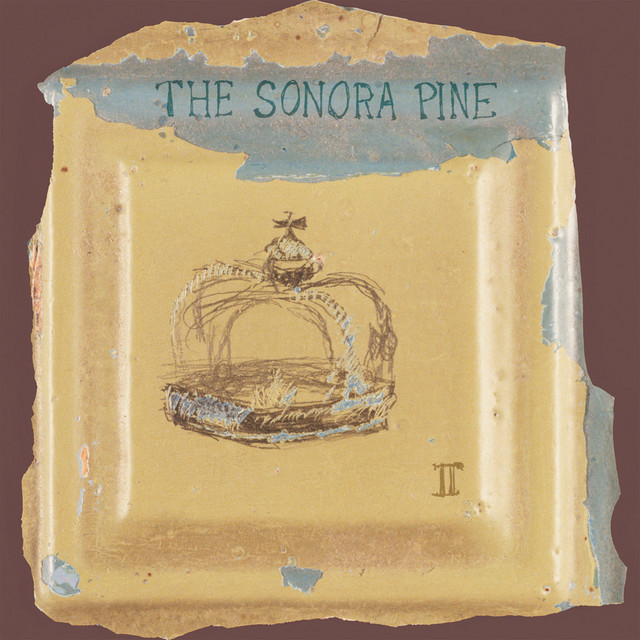
The Sonora Pine
Post-Rock
Louisville Sound
Louisville Underground
3
/5
Slint
Post-Rock
Math Rock
Noise Rock
3
/5
Southpacific
Indie Shoegaze
Dream Pop
Electronic
Download our mobile app
Get the Melodigging app and start digging for new genres on the go
Download on the App Store
Get it on Google Play
© 2026 Melodigging
Give feedback
Legal
Melodding was created as a tribute to
Every Noise at Once
, which inspired us to help curious minds keep digging into music's ever-evolving genres.