Genres
Artists
Albums
Make Music
Sign in
Sign in
Artists
Chachachá
Artists
Chachachá
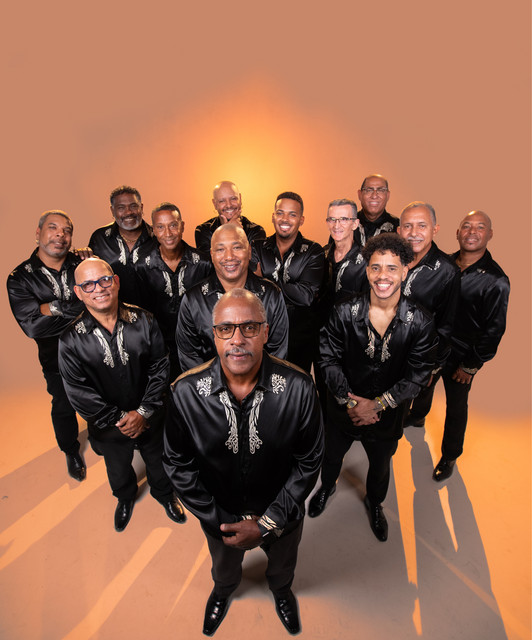
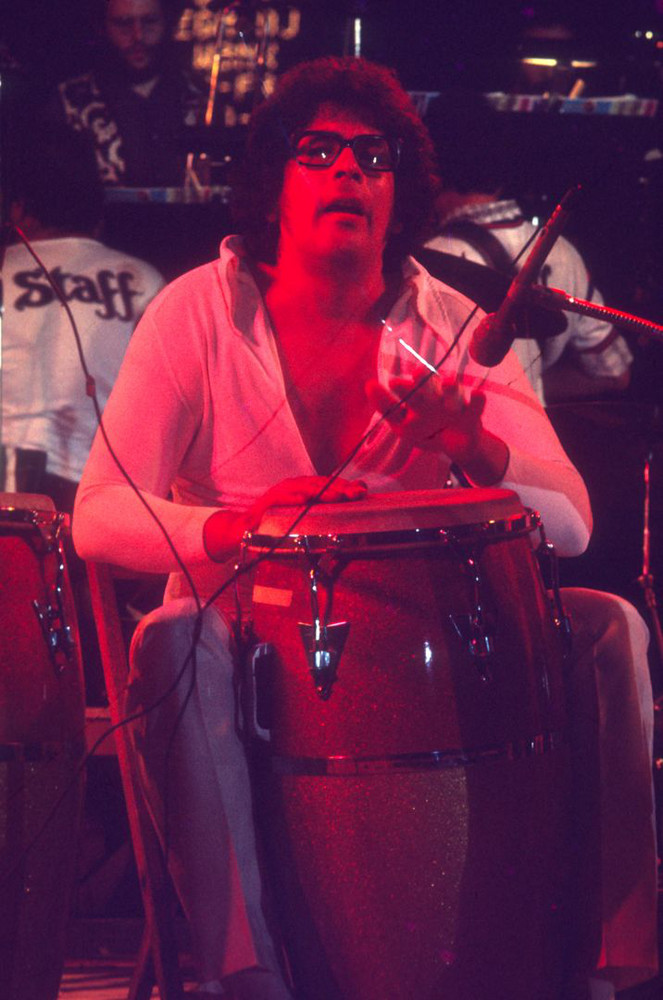
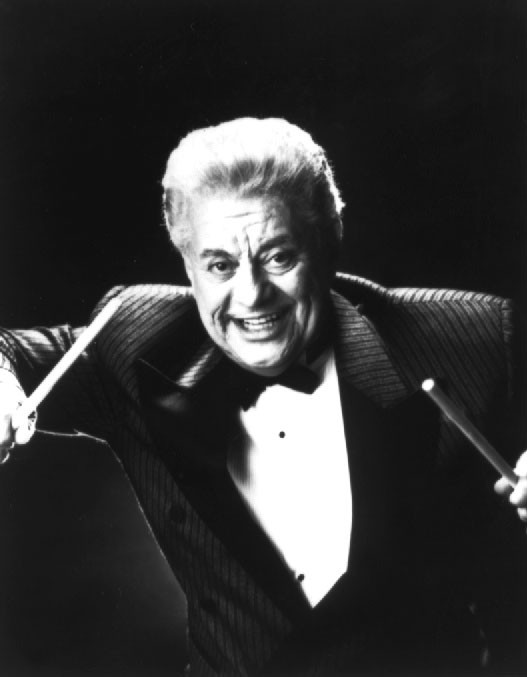
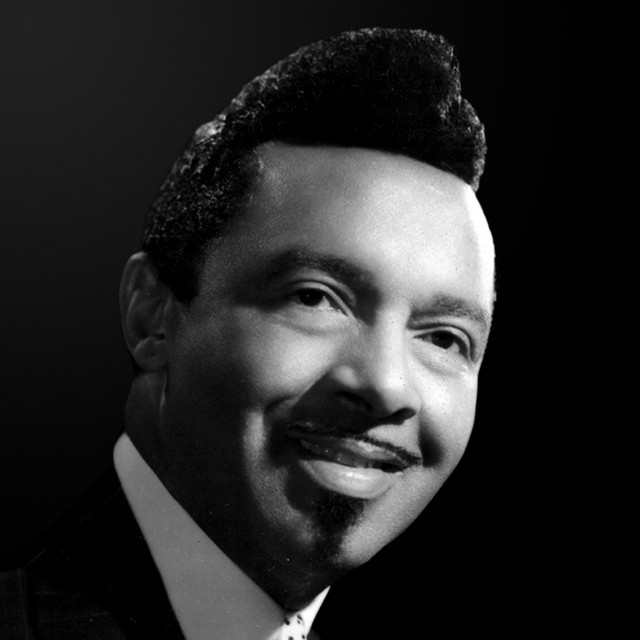
Orquesta Aragon and Perez Prado
Listen
1
/5
Genres
Chachachá
Chachachá is a Cuban dance‑music genre that emerged in early‑1950s Havana as a dancer‑friendly offshoot of danzón‑mambo. It is typically performed by charanga ensembles—flute and violins over piano, bass, güiro, and timbales—producing a light, elegant sonority distinct from the brass‑heavy mambo big bands. The groove is mid‑tempo with a clear, even pulse that supports the signature “cha‑cha‑chá” triple step heard in the dancers’ feet. Melodies are tuneful and diatonic, harmonies favor simple I–IV–V movements with occasional II–V turnarounds, and arrangements move from a lyrical cuerpo to a montuno section featuring coro‑pregón call‑and‑response, piano tumbao, and tasteful flute improvisations. The name “chachachá” is often traced to the shuffling sound of the dancers’ steps; composer‑violinist Enrique Jorrín simplified mambo syncopations to make the beat more square and intelligible, which helped the style spread worldwide through social and ballroom dance.
Discover
Listen
Latin Jazz
Latin jazz is a fusion of jazz harmony and improvisation with Afro–Latin American rhythms, song forms, and percussion. It combines the swing, bebop, and big-band traditions with clave-based grooves such as son, rumba, danzón, and mambo, and later integrates Brazilian feels like samba and bossa nova. Typical features include the use of the clave (2–3 or 3–2), piano montunos (guajeos), bass tumbao patterns, timbales cáscara, conga marcha, and call-and-response horn "mambo" figures. While the rhythm section locks into cyclical patterns, soloists improvise using the vocabulary of jazz, creating music that is both danceable and harmonically rich.
Discover
Listen
Mambo
Mambo is a Cuban dance music style that crystallized in the late 1930s from danzón and son montuno, then exploded internationally in the 1940s and 1950s. It is characterized by layered syncopations under the Afro‑Cuban clave, driving bass tumbaos, piano montunos, and powerful antiphonal horn riffs known as moñas or "mambo" sections. In its classic big‑band form, mambo blends Cuban rhythmic vocabulary with jazz and swing arranging, featuring trumpets, trombones, and saxophones over a rhythm section of congas, bongos, timbales, cowbell, bass, and piano. The result is high‑energy, riff‑driven music built for social dancing and floor‑filling excitement.
Discover
Listen
Son Cubano
Son cubano is a foundational Cuban genre that fuses Spanish-derived song forms and harmony with Afro-Cuban rhythms and percussion. Born in eastern Cuba (Oriente) and crystallized in Havana in the 1910s–1920s, it became the backbone of much of 20th‑century Latin popular music. Typical ensembles began as sextetos (tres, guitar, bongó, maracas, claves, and bass or marímbula) and later evolved into septetos with trumpet. Conjunto formats in the 1940s added piano, congas, and multiple horns. The music rides a son clave (in 3‑2 or 2‑3 orientation), features interlocking tres guajeos, a walking/tumbao bass that anticipates the downbeat, and call‑and‑response vocals in the montuno section. Harmonically it is rooted in I–IV–V with bluesy dominant sevenths and occasional secondary dominants. Lyrically it balances romance, everyday life, and streetwise wit, always aimed at dancing and social gathering.
Discover
Listen
Orchestral
Orchestral music refers to compositions written for an orchestra—a large ensemble typically built around a string section (violins, violas, cellos, double basses), complemented by woodwinds, brass, percussion, and often harp, keyboard, or other auxiliary instruments. A conductor coordinates the ensemble, shaping balance, phrasing, and expression. The style emphasizes coloristic timbre combinations, dynamic range from the softest pianissimo to explosive tuttis, and textures that can shift seamlessly between transparent chamber-like writing and monumental masses of sound. Orchestral writing underpins concert genres such as symphonies, overtures, and tone poems, as well as opera, ballet, and modern film and game scores. While orchestral writing evolved across centuries, its core craft centers on melody, counterpoint, harmony, register, and orchestration—the art of assigning musical ideas to instruments to achieve clarity, contrast, and narrative impact.
Discover
Listen
Similar artists
3
/5
Orquesta Aragón
Chachachá
Charanga
Danzón
3
/5
Ray Barretto
Salsa
Latin Jazz
Son Cubano
3
/5
Tito Puente
Mambo
Chachachá
Latin
3
/5
Pérez Prado
Mambo
Space Age Pop
Latin Jazz
3
/5
Joe Cuba Sextet
Boogaloo
Bolero
Chachachá
3
/5
Eddie Palmieri
Salsa
Salsa Dura
Latin Jazz
3
/5
Mongo Santamaria
Rumba Cubana
Boogaloo
Mambo
3
/5
Beny Moré
Son Cubano
Latin Jazz
Son Montuno
3
/5
Poncho Sanchez
Latin Jazz
Chachachá
Mambo
3
/5
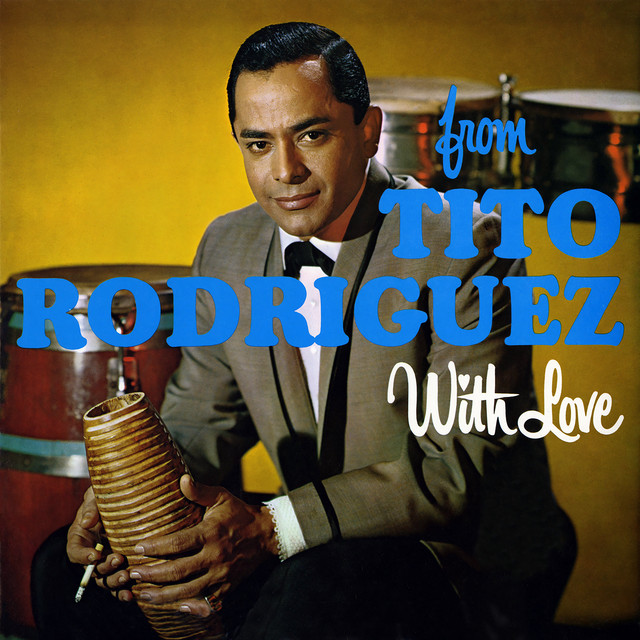
Tito Rodriguez
Charanga
Chachachá
Bolero
Download our mobile app
Get the Melodigging app and start digging for new genres on the go
Download on the App Store
Get it on Google Play
© 2026 Melodigging
Give feedback
Legal
Melodding was created as a tribute to
Every Noise at Once
, which inspired us to help curious minds keep digging into music's ever-evolving genres.