Genres
Artists
Albums
Make Music
Sign in
Sign in
Artists
Bolero
Artists
Bolero
Odilio Gonzalez
3 albums
Listen
2
/5
Genres
Plena
Plena is an Afro–Puerto Rican music and dance genre that arose in working-class neighborhoods—most famously in Ponce and later Santurce—during the early 20th century. Often called the “periodical sung” (periódico cantado), plena songs chronicle everyday life, news, humor, and social commentary through concise verses and refrains. The core sound centers on panderos de plena (a family of frame drums in three sizes), the güiro scraper, handclaps, and call‑and‑response vocals. Rhythms are typically in 2/4 or 4/4 with syncopations related to Afro-Caribbean cells such as the habanera. While harmony is generally simple (I–IV–V with occasional modal color), plena’s power lies in its infectious groove, topical lyrics, and communal participation—qualities that later ensembles expanded with bass, brass (notably trombones), and dance-band arrangements.
Discover
Listen
Jibaro
Jíbaro (música jíbara or trova puertorriqueña) is the rural mountain folk music of Puerto Rico. It is a singer-centered tradition of décimas and seises accompanied by Puerto Rican string instruments such as the cuatro, tiple, bordonúa, and guitar, with güiro and maracas providing the rhythmic texture. Its poetry celebrates countryside life, love, work, faith, national identity, and nostalgia for the campo. Melodies are often bright and ornamented, while harmonies favor diatonic progressions in major keys with agile modulations to the dominant. Performances can be festive and danceable (seis) or intimate and reflective (décima/aguinaldo), and frequently include extemporaneous verse (pie forzado) by master trovadores.
Discover
Listen
Bolero
Bolero is both a Spanish dance-music form from the late 18th century and, later, a Cuban song style from the late 19th century. The Spanish bolero emerged as a moderately slow solo or partner dance in 3/4 time, shaped by Andalusian song-dance traditions. It typically features guitar accompaniment and castanets, and its sung texts often follow the seguidilla stanza pattern. In Cuba, bolero evolved into a romantic ballad—most often in 2/4 (later also felt in 4/4)—performed by singers, trios, and salon ensembles. Cuban bolero emphasizes intimate, lyrical melodies, guitar-led accompaniment (often with requinto), and gentle Afro-Caribbean rhythmic undercurrents (habanera feel, soft bongo, claves), becoming one of Latin America’s quintessential love-song forms.
Discover
Listen
Albums
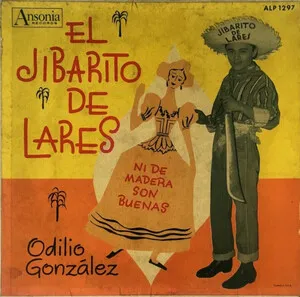
Ni de madera son buenas
Odilio González
Plena
Ni de madera son buenas
Odilio González
Jibaro
El jibarito de Lares
Odilio González
Jibaro
Similar artists
2
/5
Rafael Cortijo
Bolero
Chachachá
Salsa
1
/5
Maso Rivera
Bolero
Jibaro
1
/5
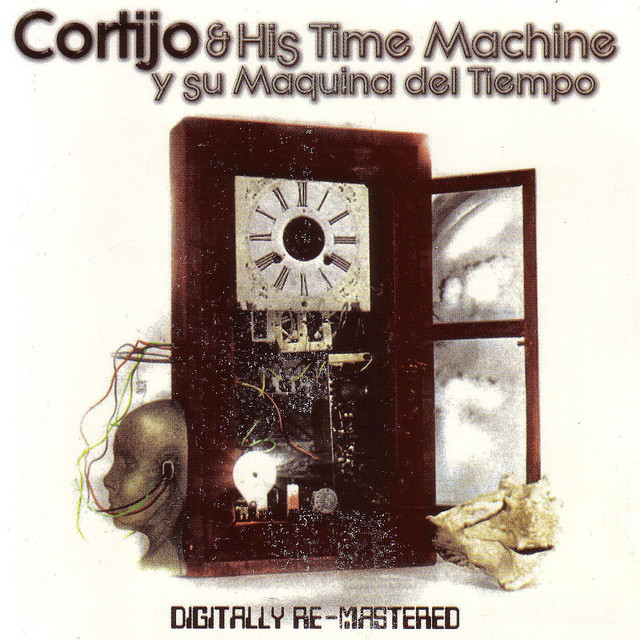
Cortijo
Bolero
Chachachá
Jazz
5
/5
Bad Bunny
Latin
Reggaeton
Trap Latino
1
/5
Luis Miranda
Nueva Trova
Jibaro
Plena
1
/5
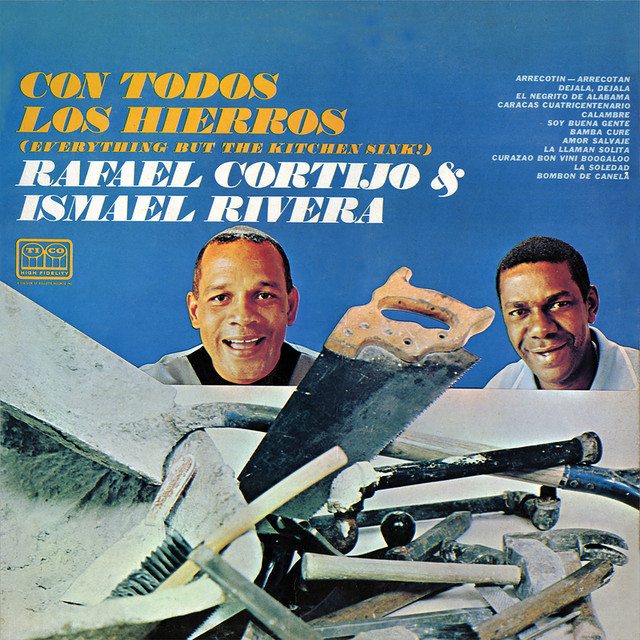
Cortijo y Su Combo con Ismael Rivera
Bomba
Guaracha
Salsa
1
/5
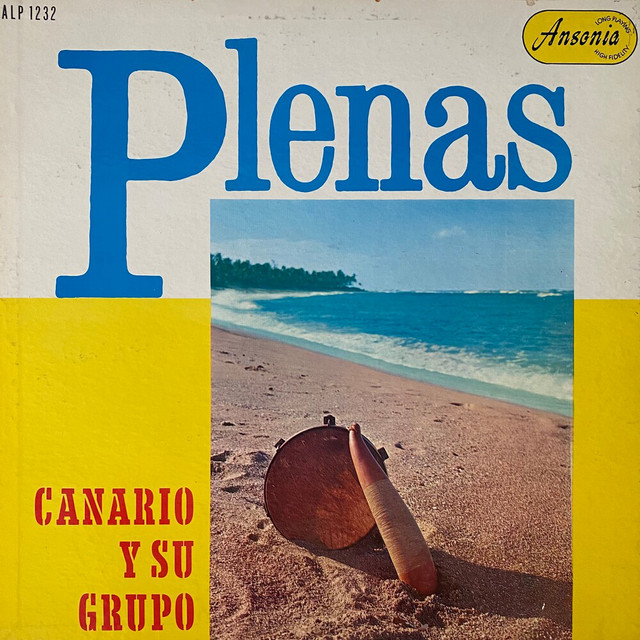
Canario y Su Grupo
Jibaro
Plena
5
/5
Luis Miguel
Bolero
Latin Pop
Mariachi
5
/5
Mon Laferte
Latin Alternative
Latin Pop
Latin Indie
5
/5
José José
Bolero
Canción Melódica
Ballad
Download our mobile app
Get the Melodigging app and start digging for new genres on the go
Download on the App Store
Get it on Google Play
© 2026 Melodigging
Give feedback
Legal
Melodding was created as a tribute to
Every Noise at Once
, which inspired us to help curious minds keep digging into music's ever-evolving genres.