Genres
Artists
Albums
Make Music
Sign in
Sign in
Artists
Bolero
Artists
Bolero
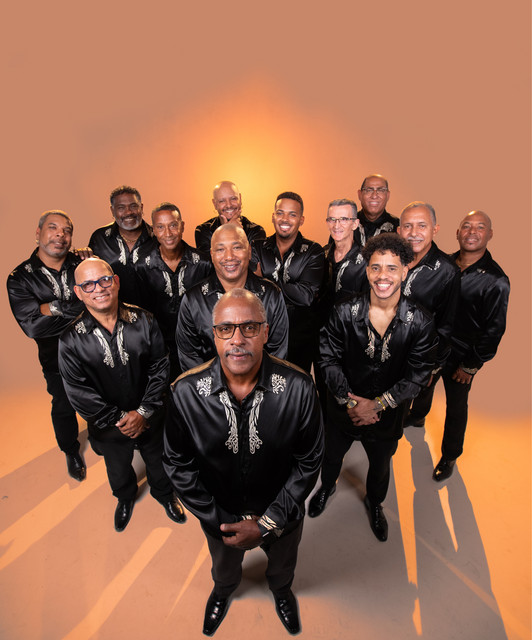
Cortijo
2006
·
1 album
Listen
1
/5
Genres
Salsa
Salsa is a pan–Latin dance music forged primarily in New York City by Puerto Rican, Cuban, and other Caribbean diasporas. It synthesizes Afro‑Cuban rhythmic blueprints, Puerto Rican bomba and plena, jazz harmony, big‑band horn writing, and Nuyorican street culture into a tightly arranged yet improvisation‑friendly style. The music lives on the clave (either 2‑3 or 3‑2), with layered percussion (congas, bongó, timbales, cowbell, güiro, maracas), a tumbao bass that anticipates the beat, and piano montuno guajeos that interlock with the rhythm section. Call‑and‑response vocals (coro/pregón), punchy horn mambos and moñas, and instrumental solos energize the montuno section. Tempos range from medium to fast in 4/4, optimized for social dancing (commonly “on1” or “on2”). Across decades, salsa has branched into harder, percussion‑forward “salsa dura,” smoother “salsa romántica,” and regional scenes in Puerto Rico, Venezuela, and Colombia, while continuing to influence—and be influenced by—neighboring tropical and jazz idioms.
Discover
Listen
Salsa Dura
Salsa dura ("hard salsa") is a gritty, high-energy branch of salsa built for dancers and live band firepower rather than pop polish. It foregrounds intense rhythmic drive, brassy horn mambos, extended montuno vamps, and instrumental solos, keeping the spotlight on the groove. Developed in New York City by Afro-Caribbean musicians, salsa dura draws directly from Cuban son and mambo, Puerto Rican bomba/plena, and Latin jazz jam traditions (descargas). Arrangements emphasize heavy trombone lines, call-and-response coros, and vigorous percussion that stays locked to the clave. Compared with later salsa romántica, salsa dura sounds tougher, faster, and more streetwise.
Discover
Listen
Chachachá
Chachachá is a Cuban dance‑music genre that emerged in early‑1950s Havana as a dancer‑friendly offshoot of danzón‑mambo. It is typically performed by charanga ensembles—flute and violins over piano, bass, güiro, and timbales—producing a light, elegant sonority distinct from the brass‑heavy mambo big bands. The groove is mid‑tempo with a clear, even pulse that supports the signature “cha‑cha‑chá” triple step heard in the dancers’ feet. Melodies are tuneful and diatonic, harmonies favor simple I–IV–V movements with occasional II–V turnarounds, and arrangements move from a lyrical cuerpo to a montuno section featuring coro‑pregón call‑and‑response, piano tumbao, and tasteful flute improvisations. The name “chachachá” is often traced to the shuffling sound of the dancers’ steps; composer‑violinist Enrique Jorrín simplified mambo syncopations to make the beat more square and intelligible, which helped the style spread worldwide through social and ballroom dance.
Discover
Listen
Latin
Latin (as a genre label) is a broad umbrella used by the recording industry to categorize popular music rooted in Latin America, the Caribbean, and the Iberian world, often characterized by syncopated Afro-diasporic rhythms, dance-forward grooves, and lyrics primarily in Spanish or Portuguese. As a marketplace category that took shape in the mid-20th century United States, it gathers diverse traditions—Afro-Cuban, Brazilian, Mexican, and Caribbean styles—into a shared space. In practice, "Latin" spans everything from big-band mambo and bolero ballads to contemporary pop, rock, hip hop, and dance fusions produced by artists of Latin American heritage.
Discover
Listen
Latin Jazz
Latin jazz is a fusion of jazz harmony and improvisation with Afro–Latin American rhythms, song forms, and percussion. It combines the swing, bebop, and big-band traditions with clave-based grooves such as son, rumba, danzón, and mambo, and later integrates Brazilian feels like samba and bossa nova. Typical features include the use of the clave (2–3 or 3–2), piano montunos (guajeos), bass tumbao patterns, timbales cáscara, conga marcha, and call-and-response horn "mambo" figures. While the rhythm section locks into cyclical patterns, soloists improvise using the vocabulary of jazz, creating music that is both danceable and harmonically rich.
Discover
Listen
Jazz
Jazz is an improvisation-centered music tradition that emerged from African American communities in the early 20th century. It blends blues feeling, ragtime syncopation, European harmonic practice, and brass band instrumentation into a flexible, conversational art. Defining features include swing rhythm (a triplet-based pulse), call-and-response phrasing, blue notes, and extended harmonies built on 7ths, 9ths, 11ths, and 13ths. Jazz is as much a way of making music—spontaneous interaction, variation, and personal sound—as it is a set of forms and tunes. Across its history, jazz has continually hybridized, from New Orleans ensembles and big-band swing to bebop, cool and hard bop, modal and free jazz, fusion, and contemporary cross-genre experiments. Its influence permeates global popular and art music.
Discover
Listen
Plena
Plena is an Afro–Puerto Rican music and dance genre that arose in working-class neighborhoods—most famously in Ponce and later Santurce—during the early 20th century. Often called the “periodical sung” (periódico cantado), plena songs chronicle everyday life, news, humor, and social commentary through concise verses and refrains. The core sound centers on panderos de plena (a family of frame drums in three sizes), the güiro scraper, handclaps, and call‑and‑response vocals. Rhythms are typically in 2/4 or 4/4 with syncopations related to Afro-Caribbean cells such as the habanera. While harmony is generally simple (I–IV–V with occasional modal color), plena’s power lies in its infectious groove, topical lyrics, and communal participation—qualities that later ensembles expanded with bass, brass (notably trombones), and dance-band arrangements.
Discover
Listen
Bolero
Bolero is both a Spanish dance-music form from the late 18th century and, later, a Cuban song style from the late 19th century. The Spanish bolero emerged as a moderately slow solo or partner dance in 3/4 time, shaped by Andalusian song-dance traditions. It typically features guitar accompaniment and castanets, and its sung texts often follow the seguidilla stanza pattern. In Cuba, bolero evolved into a romantic ballad—most often in 2/4 (later also felt in 4/4)—performed by singers, trios, and salon ensembles. Cuban bolero emphasizes intimate, lyrical melodies, guitar-led accompaniment (often with requinto), and gentle Afro-Caribbean rhythmic undercurrents (habanera feel, soft bongo, claves), becoming one of Latin America’s quintessential love-song forms.
Discover
Listen
Show all 8 genres
Albums
2006
1
/5
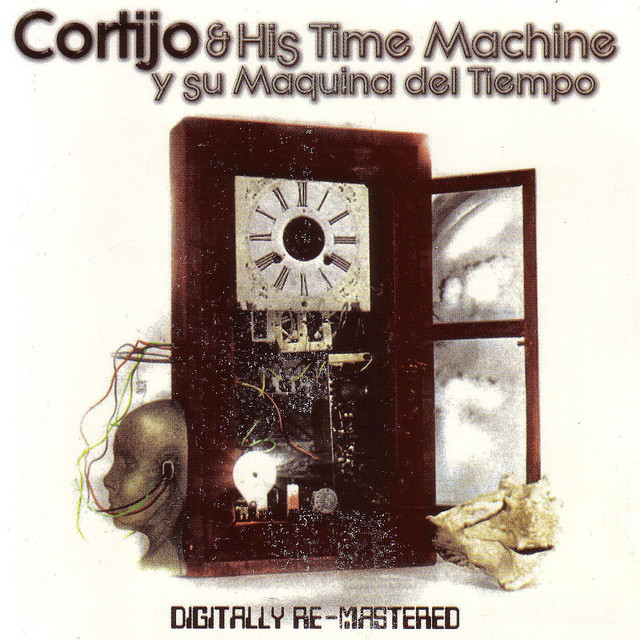
Cortijo & su maquina del tiempo
Cortijo & His Time Machine
Latin Jazz
Salsa Dura
Salsa
Similar artists
2
/5
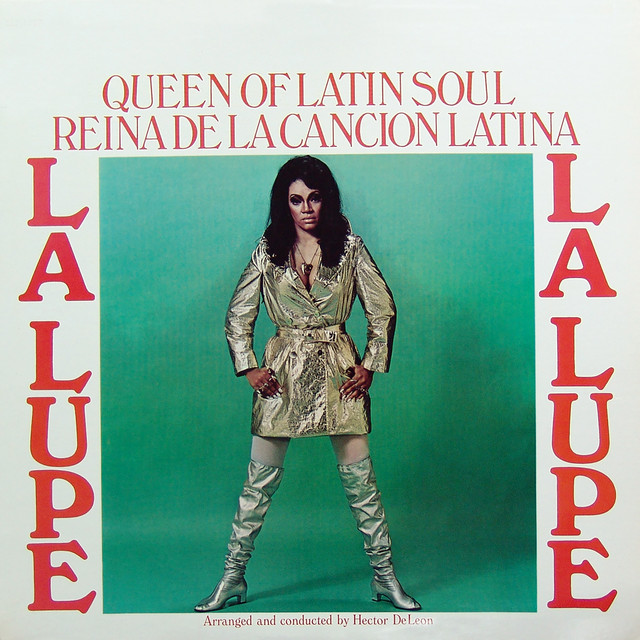
La Lupe
Bolero
Mambo
Latin Soul
3
/5
Orquesta Aragón
Chachachá
Charanga
Danzón
3
/5
Omara Portuondo
Bolero
Son Cubano
Latin Afrobeat
3
/5
Ray Barretto
Salsa
Latin Jazz
Son Cubano
3
/5
Ruben Gonzalez
Latin Jazz
Son Cubano
Afro-Cuban Jazz
3
/5
Eddie Palmieri
Salsa
Salsa Dura
Latin Jazz
3
/5
Mongo Santamaria
Rumba Cubana
Boogaloo
Mambo
1
/5
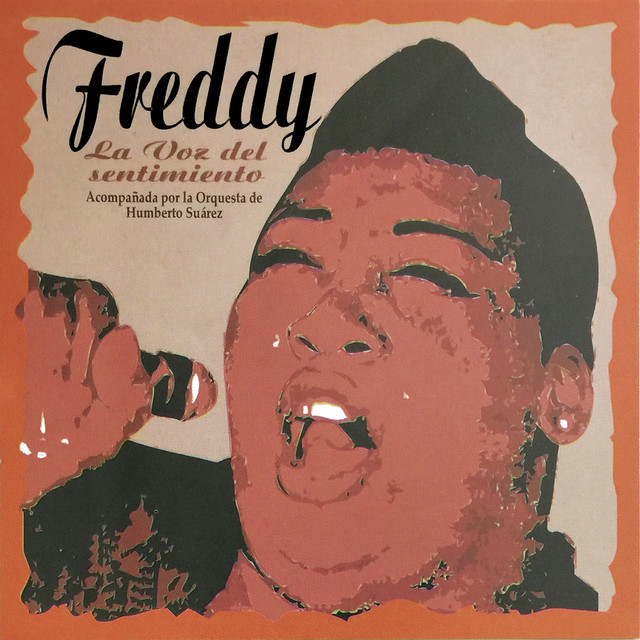
Freddy
Bolero
Schlager
Filin
1
/5
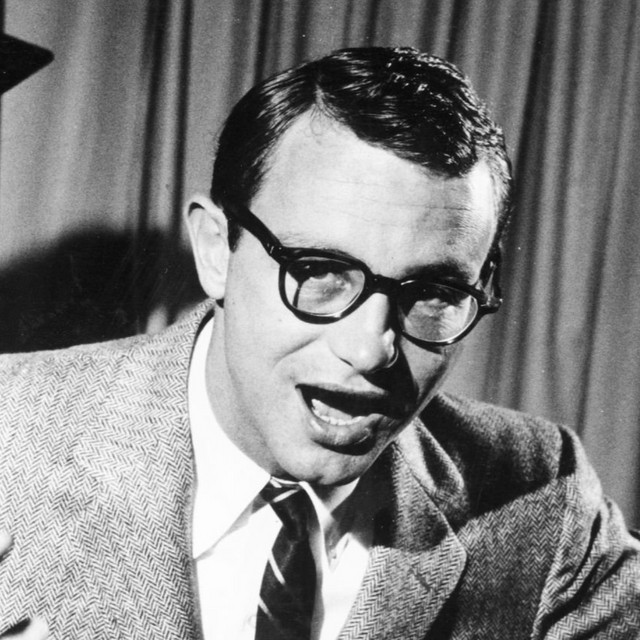
La Orquesta De Humberto Suárez
Bolero
Filin
Jazz
3
/5
Cal Tjader
Exotica
Jazz
Mambo
Download our mobile app
Get the Melodigging app and start digging for new genres on the go
Download on the App Store
Get it on Google Play
© 2026 Melodigging
Give feedback
Legal
Melodding was created as a tribute to
Every Noise at Once
, which inspired us to help curious minds keep digging into music's ever-evolving genres.