Genres
Artists
Albums
Make Music
Sign in
Sign in
Artists
Éntekhno
Artists
Éntekhno
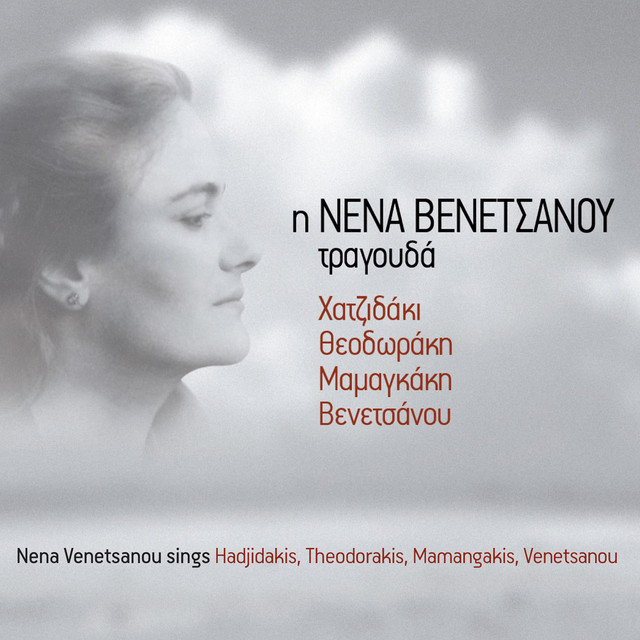
Nena Venetsanou
2016
·
1 album
Listen
2
/5
Genres
Éntekhno
Éntekhno (often rendered as entechno or entechno laïko) is a Greek art-song movement that merges the melodic language and rhythms of Greek folk and urban popular music with the orchestral palette and formal ambition of Western classical music. Characterized by carefully crafted compositions, poetry-centered lyrics, and sophisticated arrangements, éntekhno places the composer and lyricist at the artistic core. It commonly sets major Greek poetry to music, uses modal melodies drawn from demotic (folk) and rebetiko traditions, and employs odd meters such as 9/8 (zeibekiko), 7/8, and 2/4 (hasapiko) alongside Western harmonic writing. The result is popular song with elevated aesthetic aims—intimate yet symphonic, rooted in Greek tradition yet cosmopolitan in sound.
Discover
Listen
Ancient Music
Ancient music refers to the musical practices of the literate civilizations of antiquity (e.g., Mesopotamia, Egypt, Greece, Rome, the Levant, Persia, India, and China) before the medieval period. It is largely monophonic, text-driven, and modal, and survives today through a small corpus of notated fragments, theoretical treatises, iconography, and instrument remains. Its sound world is characterized by modal pitch systems (e.g., ancient Greek harmoniai built from tetrachords), rhythm tied to poetic meter, and timbres from lyres, harps, auloi (double-reed pipes), flutes, rattles/sistra, frame drums, and early lutes. Because authentic performance practice must be reconstructed, modern revivals rely on scholarship in archaeology, philology, and organology as much as on musical craft.
Discover
Listen
Ancient Greek Music
Ancient Greek music refers to the musical practices of the Greek world from the Archaic period through the Hellenistic and early Roman eras (roughly 8th century BCE to 3rd century CE). It was primarily monophonic, often performed by solo singer-instrumentalists or choruses, and closely tied to poetry, ritual, theater, and civic life. Its sound world was shaped by modal systems (harmoniai), tetrachordal structures, and three genera (diatonic, chromatic, enharmonic), with tuning and intervallic ethos discussed by philosophers and theorists. Rhythm followed poetic meters (e.g., dactylic, iambic, paeonic), not modern bar-based accentuation. Instruments such as the lyre, kithara, and aulos dominated, with occasional percussion and later the hydraulis. Surviving notated fragments (e.g., the Seikilos epitaph, Euripides’ Orestes chorus, hymns by Mesomedes) and treatises (Aristoxenus, Aristides Quintilianus, Ptolemy) guide modern reconstructions. Beyond entertainment, music framed worship (hymns and paeans), athletic and civic festivals, tragedy and comedy, and education. It profoundly shaped later Mediterranean liturgical chant and European music theory.
Discover
Listen
Albums
2016
1
/5
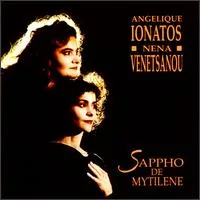
Sappho de Mytilène
Angélique Ionatos & Nena Venetsanou Νένα Βενετσάνου
Ancient Greek Music
Ancient Music
Similar artists
3
/5
Dimitra Galani
Neo Kyma
Éntekhno
Ancient Greek Music
2
/5
Petros Tabouris
Ancient Mediterranean
Ancient Greek Music
Medieval
2
/5
Michael Levy
Ancient Mediterranean
Ancient Greek Music
Ancient Music
2
/5
Daemonia Nymphe
Greek Folk Music
Greek Music
Ancient Greek Music
2
/5
Ancient Greek Music Workshop
Ancient Greek Music
Ancient Mediterranean
Medieval
2
/5
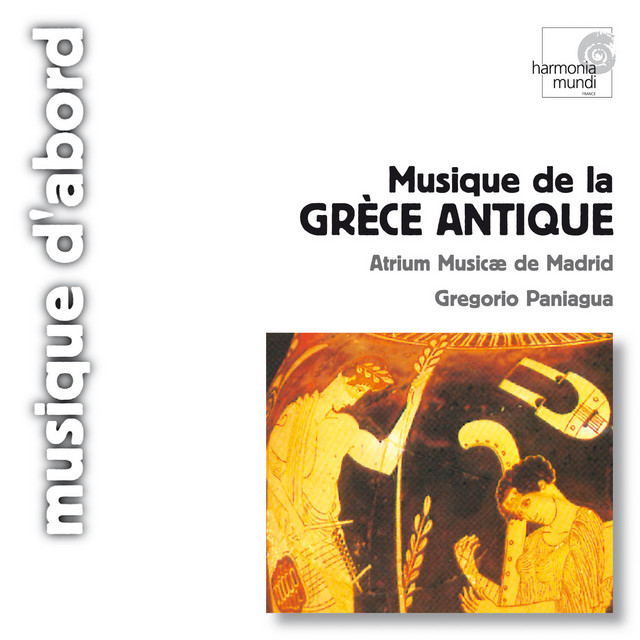
Gregorio Paniagua
Medieval
Ancient Greek Music
Ancient Music
1
/5
Angélique Ionatos
Neo Kyma
Ancient Greek Music
Ancient Music
1
/5
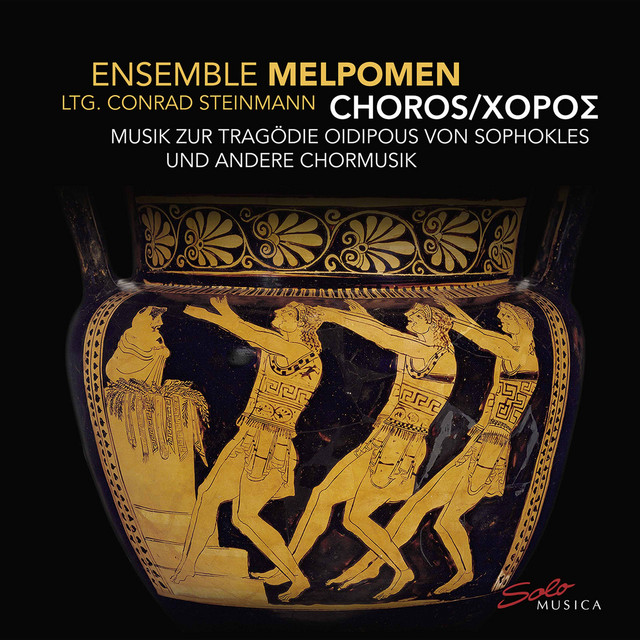
Ensemble Melpomen
Ancient Greek Music
Ancient Music
1
/5
Avaton
Ancient Greek Music
Ancient Music
Neoclassicism
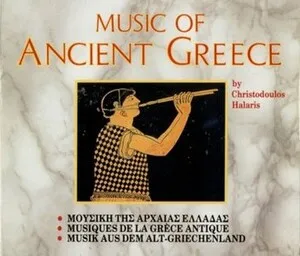
Halaris, Hristodoulos
Ancient Greek Music
Ancient Music
Early Music
Download our mobile app
Get the Melodigging app and start digging for new genres on the go
Download on the App Store
Get it on Google Play
© 2026 Melodigging
Give feedback
Legal
Melodding was created as a tribute to
Every Noise at Once
, which inspired us to help curious minds keep digging into music's ever-evolving genres.